 English
 Español
 日本語
日本語
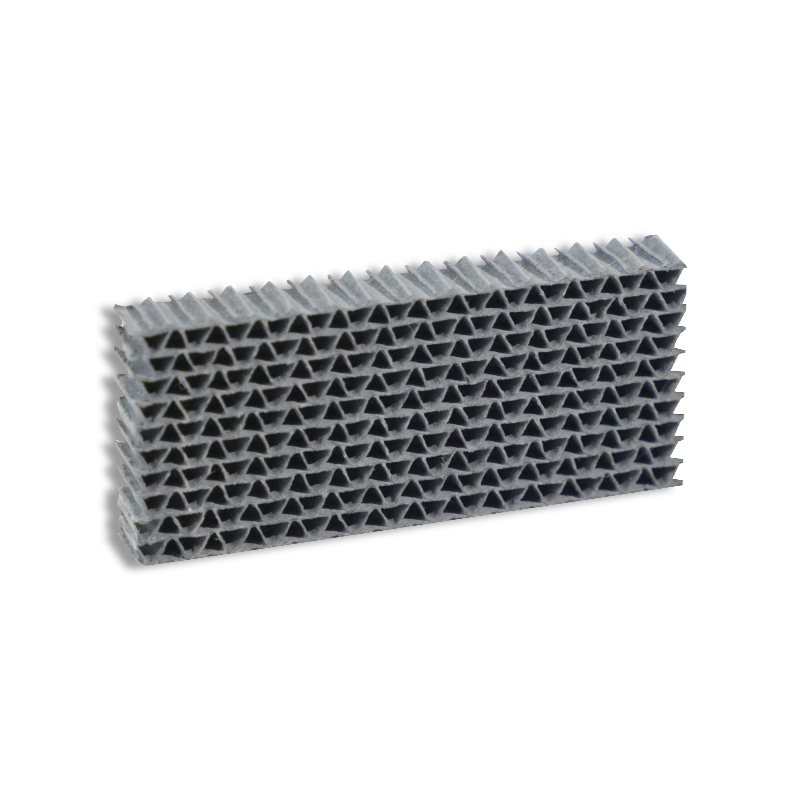
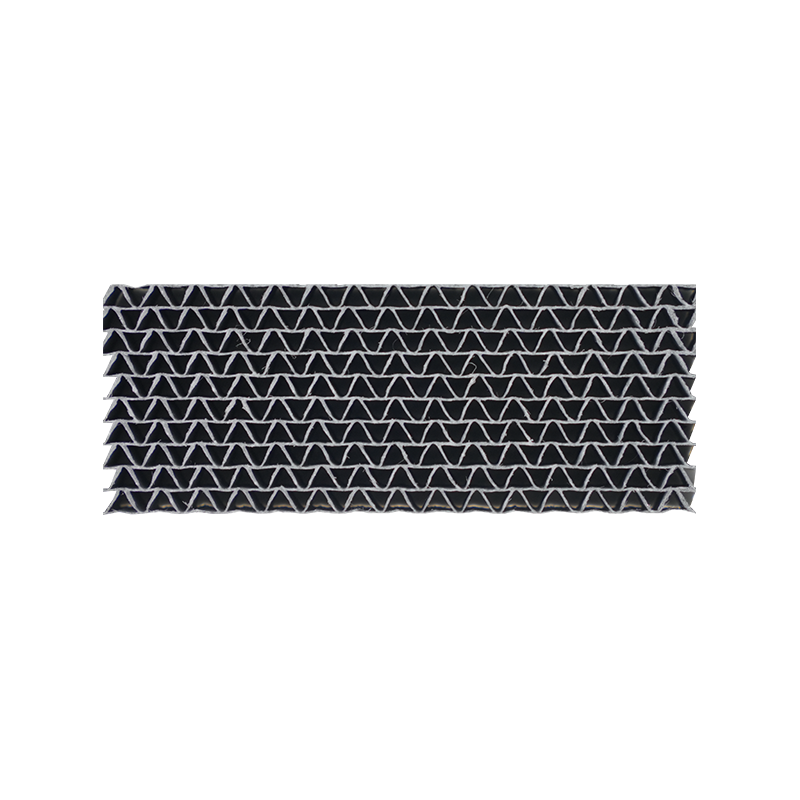
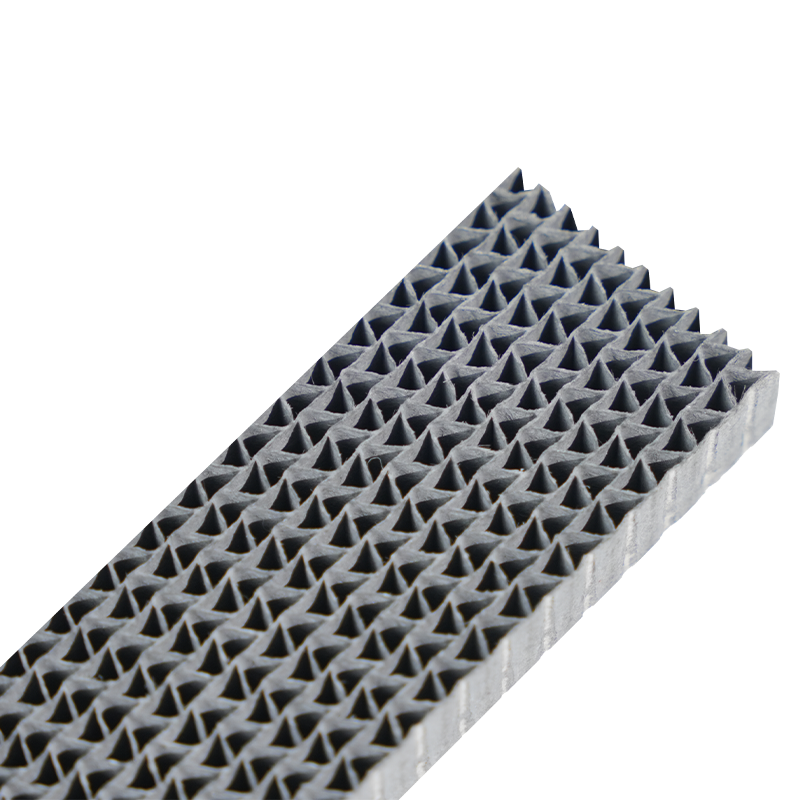
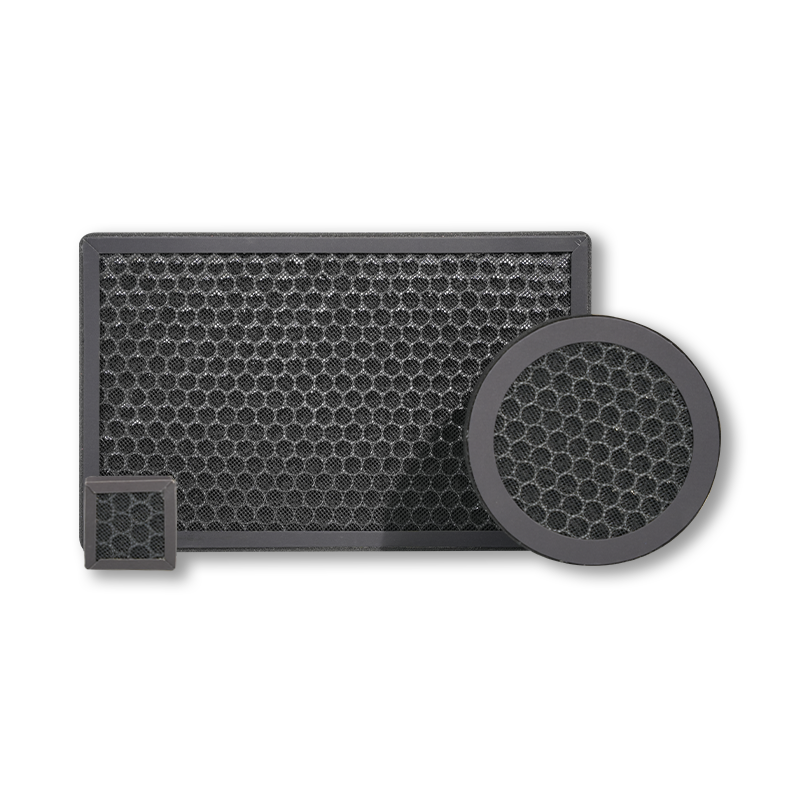
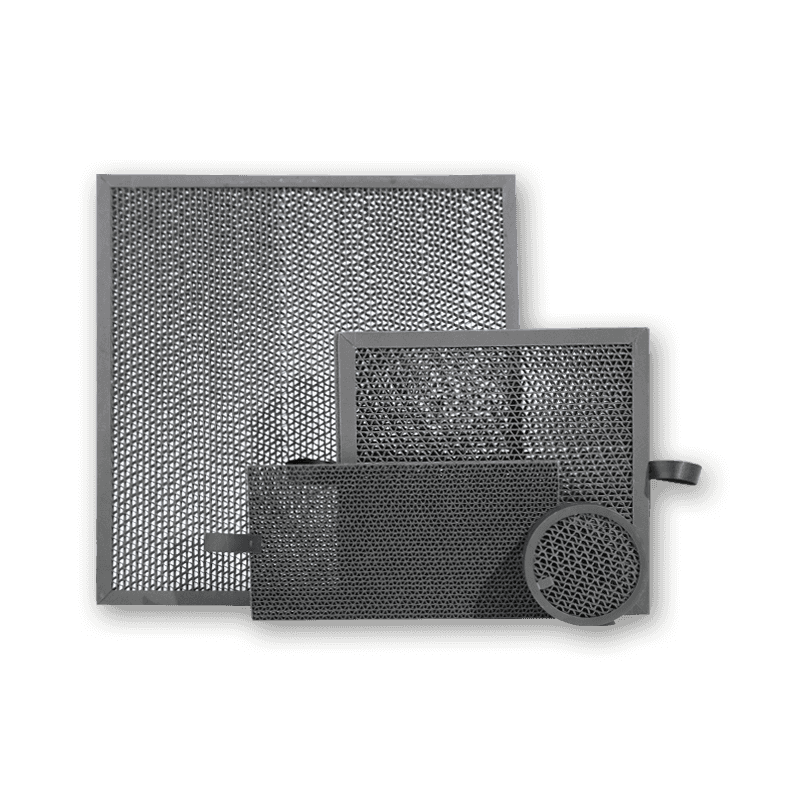
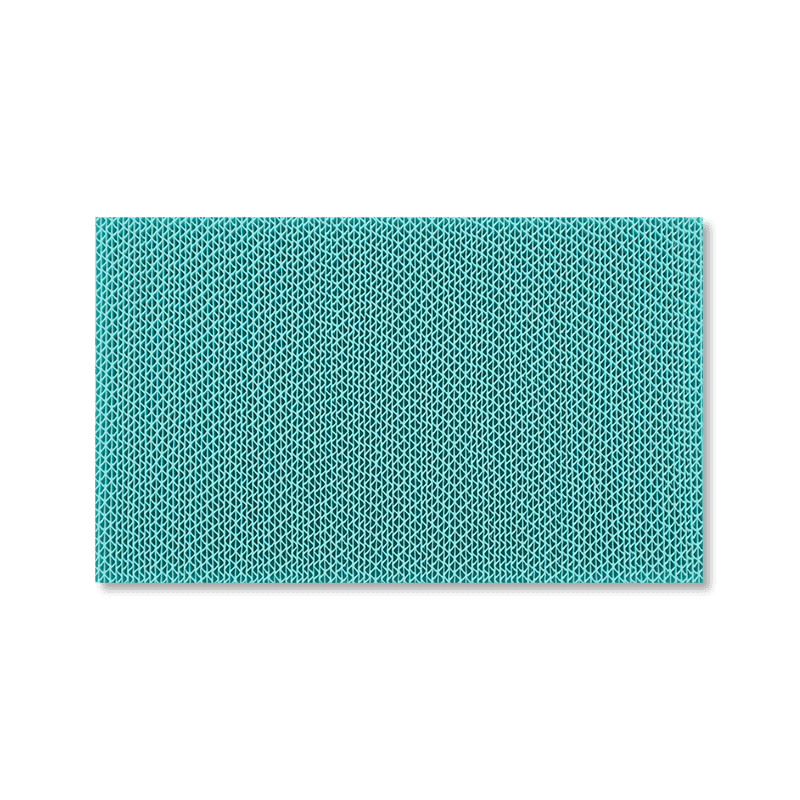
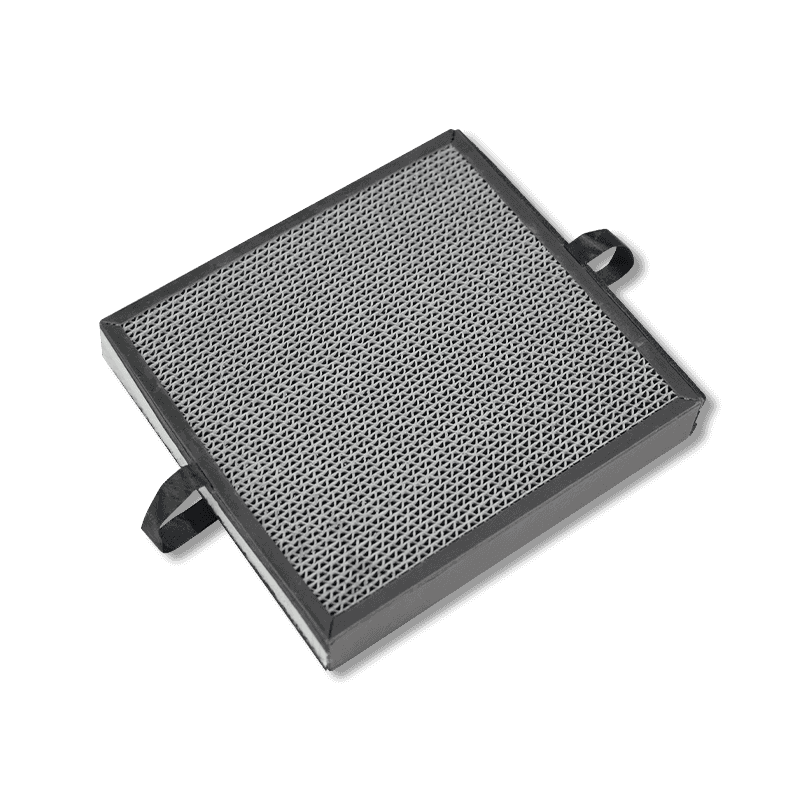
Paper-based cold catalyst media, in contrast, is developed for catalytic performance under normal temperature conditions without the need for light activation. It is typically composed of inorganic catalytic materials, including metal-oxide-based components and trace noble metal additives, which enable continuous catalytic activity in ambient environments.
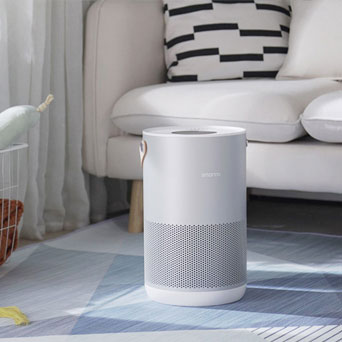
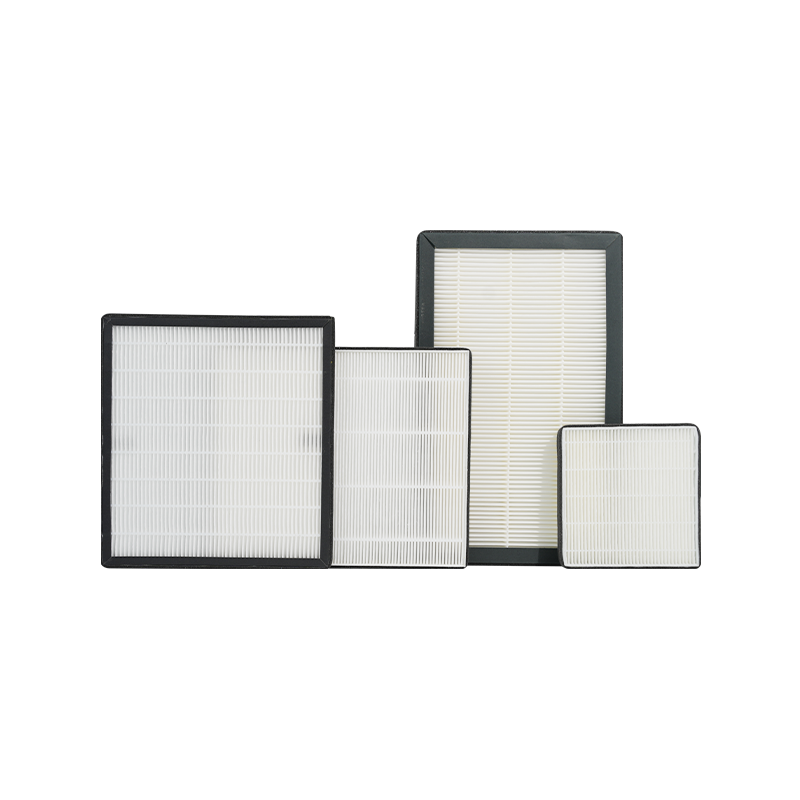
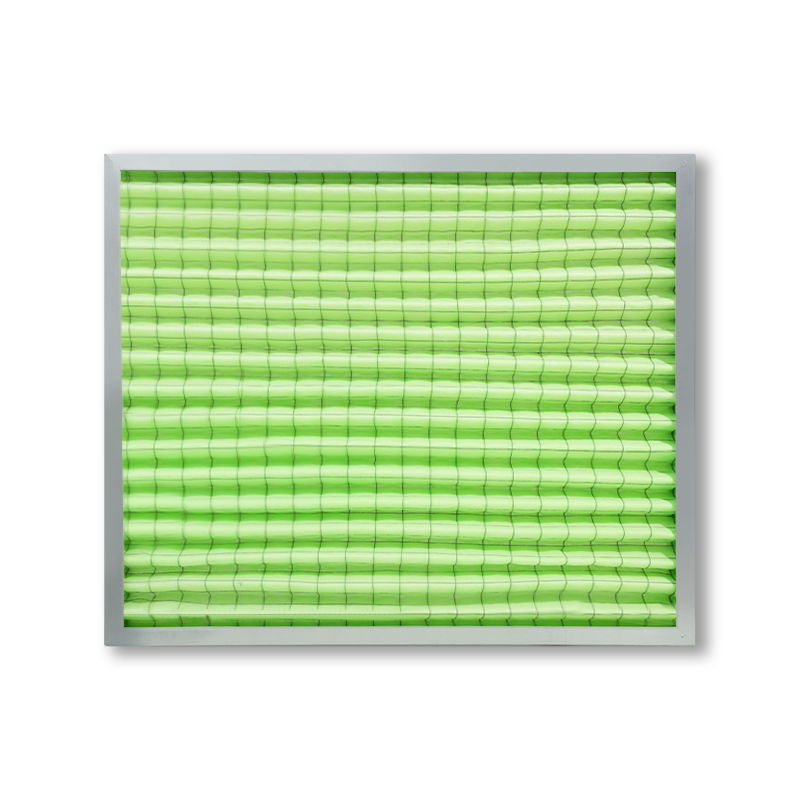
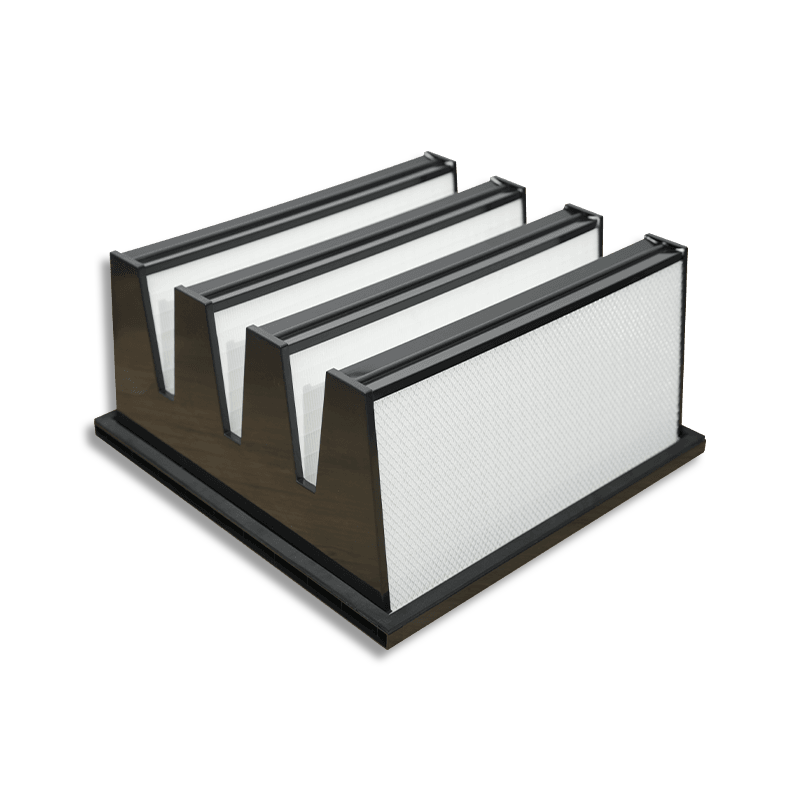
Both materials are designed to be used as functional layers within air purification systems. They can be combined with other filtration media such as HEPA filters, activated carbon layers, or pre-filters to achieve multi-stage air treatment performance, addressing both particulate filtration and gaseous pollutant control.
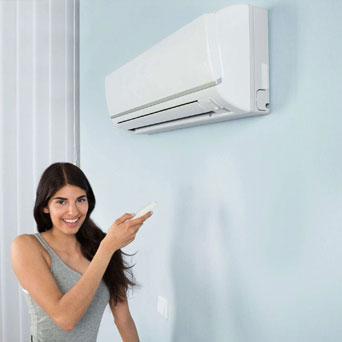
These paper-based catalytic materials are widely used in air purifiers, HVAC systems, fresh air ventilation units, and other air handling equipment that require integrated catalytic purification functions. They can be customized in terms of coating formulation, substrate type, thickness, and structural configuration based on system requirements.

-
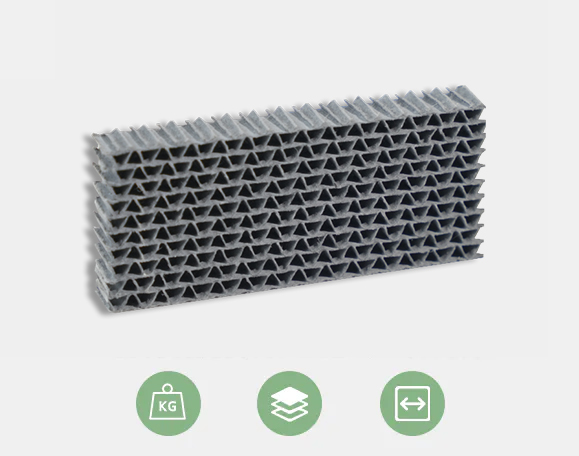
1. Measuring the Filter Mesh Dimensions
- Measure the size of the filter mesh and provide the requirements or drawings to the customer service.
- Provide the length, width, and thickness specifications, along with the corrugation height and spacing, to our customer service team.
-

2. Selecting the Type of Catalyst
- We offer a variety of catalyst options, including cold catalyst and photocatalytic materials.
-
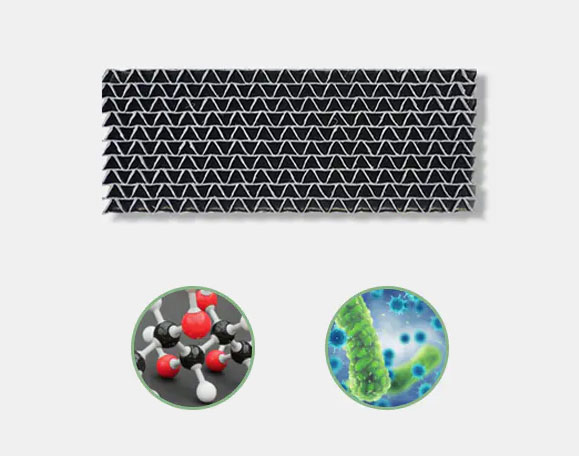
3. Additional Filtration Needs
- If you're looking to enhance the air quality further, consider options like odor removal or formaldehyde reduction. These can be effectively combined with activated carbon for a comprehensive air purification solution.
-

1. Measuring the Filter Mesh Dimensions
-
2. Selecting the Type of Catalyst
-
3. Additional Filtration Needs