 English
 Español
 日本語
日本語
For most residential HVAC systems, air filters should be replaced every 60–90 days under normal conditions. However, the real answer depends on filter type, environment, and usage — a basic fiberglass filter in a dusty home with pets may need changing every 20–30 days, while a high-capacity pleated filter in a low-traffic space can last up to 12 months. The single most reliable indicator is pressure drop, not a calendar date. When the pressure differential across a filter exceeds 2–3× its initial value, airflow and suction performance have already degraded significantly — regardless of how long the filter has been installed.
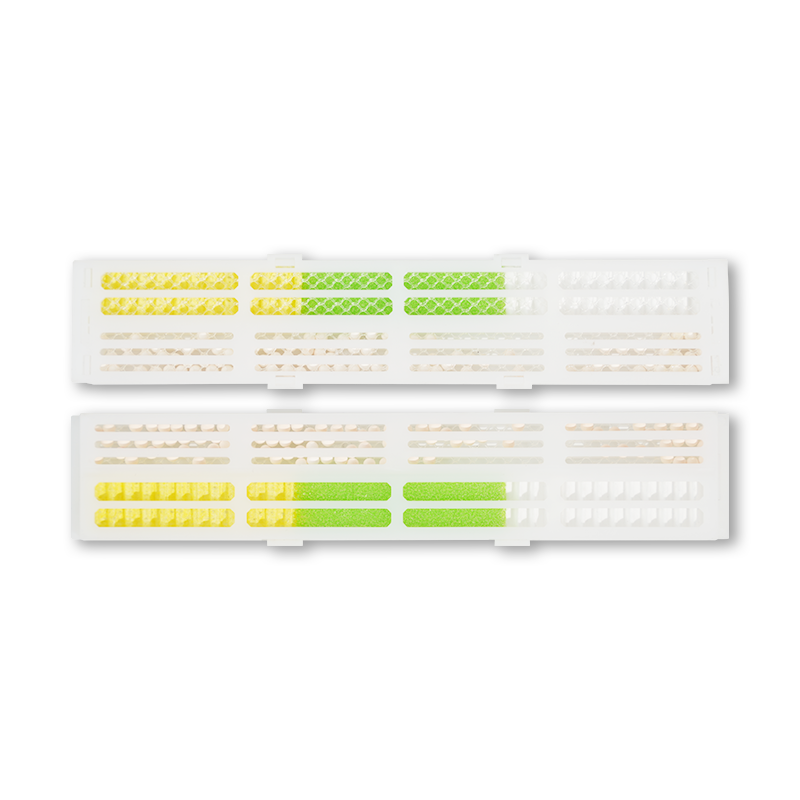
Why Filter Replacement Frequency Directly Controls Airflow and Suction
As a filter collects particles, the accumulating dust cake progressively narrows the open pores in the filter media. This increases the filter's resistance to airflow — measured as static pressure drop in Pascals (Pa). The relationship between dust load and performance degradation is not linear: resistance increases slowly at first, then accelerates sharply as the filter approaches full capacity.
In practical terms, a filter operating at double its initial pressure drop can reduce system airflow by 15–25%, depending on the fan curve of the air handling unit. For vacuum systems and portable air purifiers, this restriction directly translates to a measurable loss of suction — users typically notice a 20–35% reduction in effective capture performance before the filter is visibly dirty on its surface.
The key consequences of delayed filter replacement include:
- Reduced suction and airflow:Fan or motor must work harder to maintain rated CFM, increasing energy draw by 10–30%.
- Motor overheating:In vacuum cleaners and portable units, sustained high-load operation shortens motor lifespan — sometimes by 30–50%.
- Filter bypass:Air finds gaps around overloaded media, bypassing filtration entirely and circulating captured particles back into the space.
- Downstream contamination:In multi-stage systems, a saturated primary filter rapidly loads secondary and HEPA stages, multiplying total replacement costs.
Recommended Replacement Intervals by Filter Type
Different filter formats have fundamentally different dust holding capacities. The following intervals are based on average residential and light commercial conditions with moderate dust levels and no heavy contamination sources:
|
Recommended replacement intervals by filter type under standard and high-load conditions |
|||
|
Filter Type |
MERV Rating |
Standard Replacement Interval |
High-Load Environment |
|
Flat fiberglass panel |
MERV 1–4 |
30 days |
15–20 days |
|
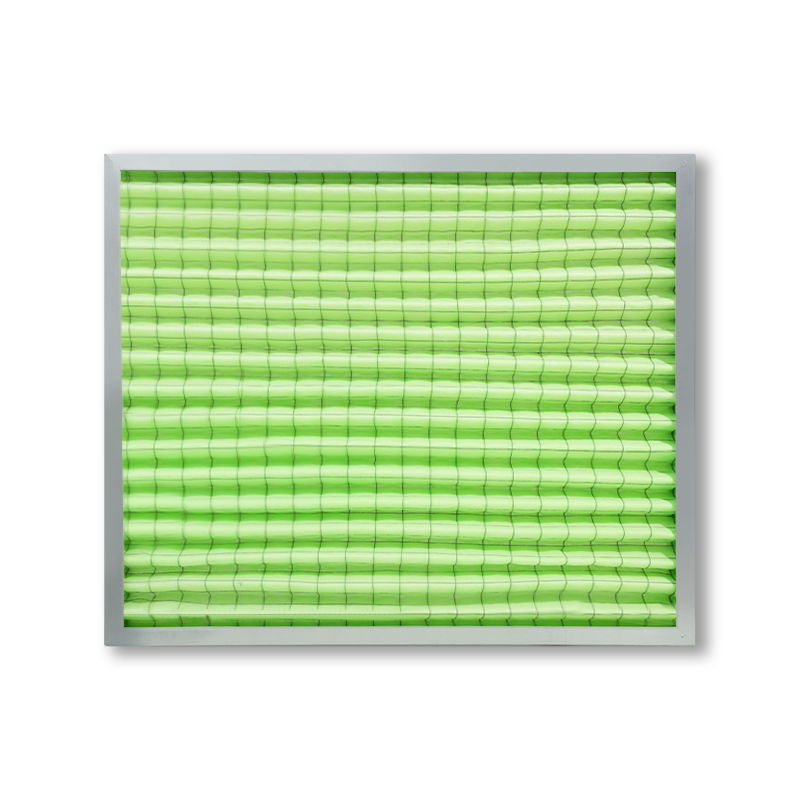
Basic pleated panel (1-inch) |
MERV 8–10 |
60–90 days |
30–45 days |
|
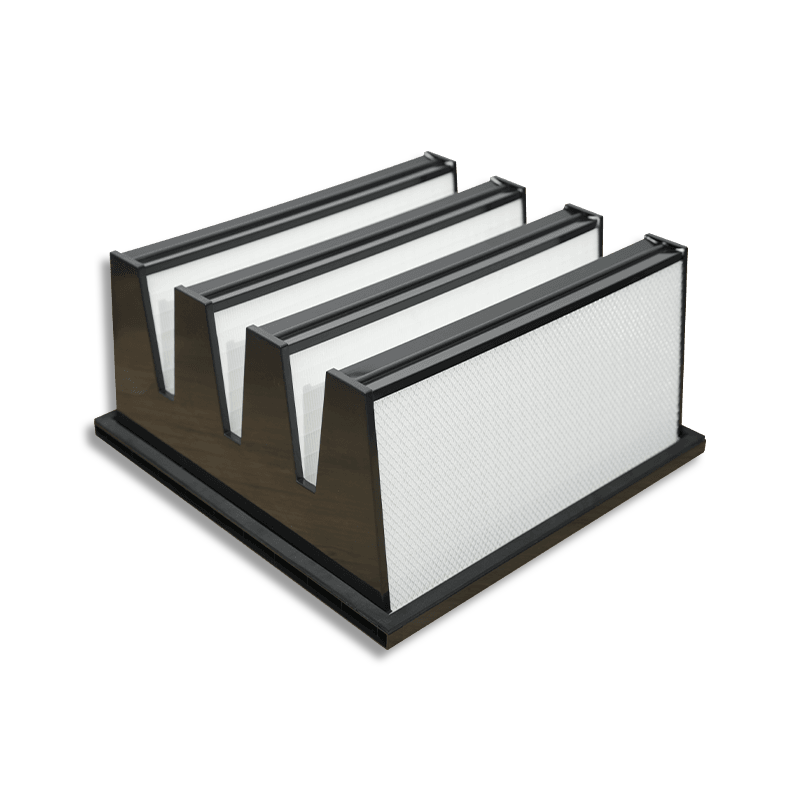
High-efficiency pleated (4–5 inch) |
MERV 11–13 |
6–12 months |
3–6 months |
|
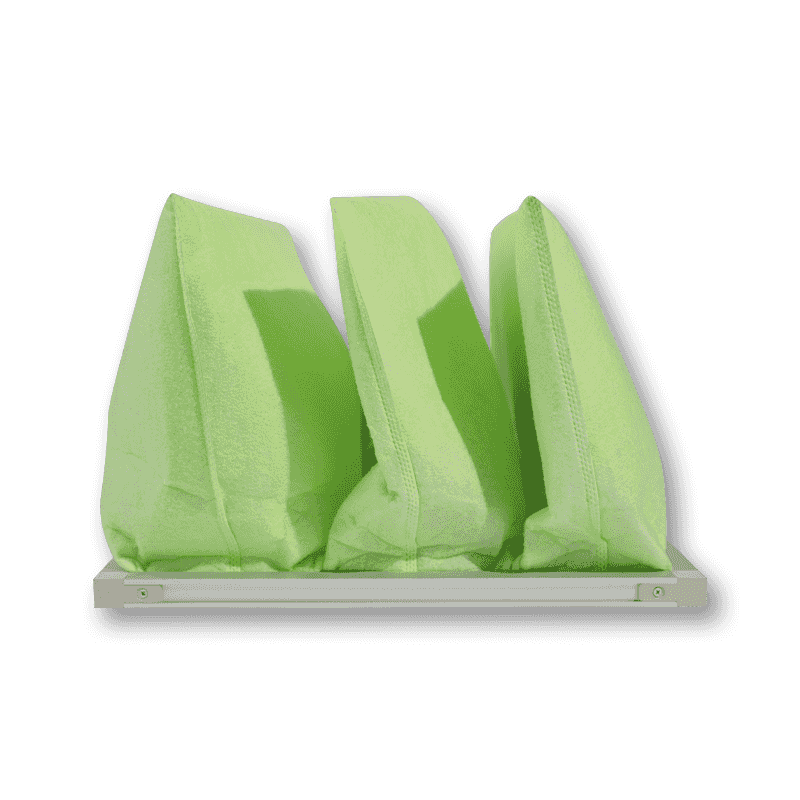
Bag / pocket filter |
MERV 11–15 |
6–12 months |
3–6 months |
|
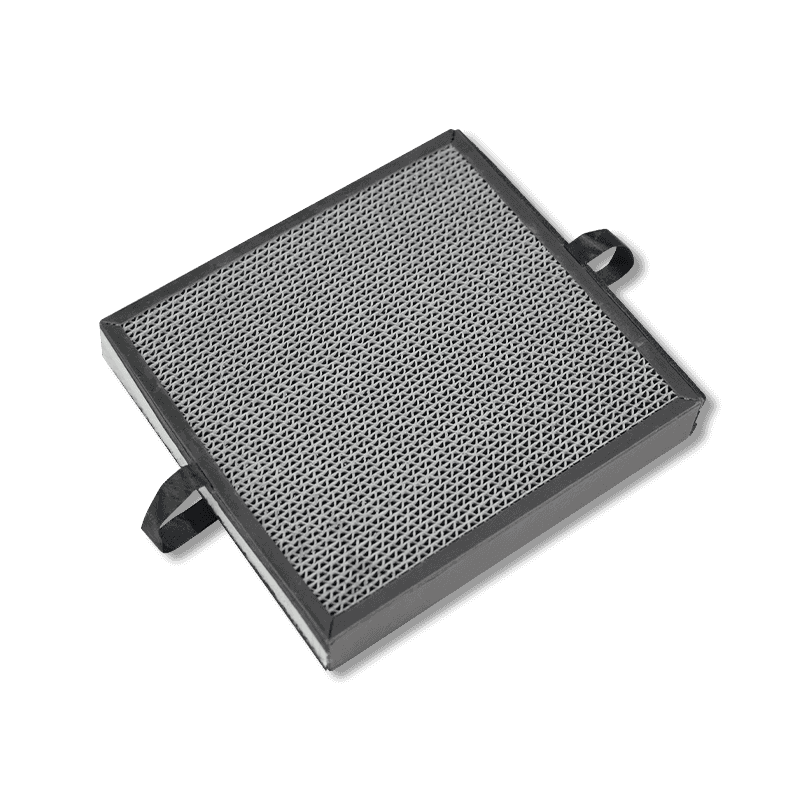
HEPA filter (standalone purifier) |
H13–H14 |
12–18 months |
6–12 months |
|
Vacuum cleaner filter (foam/felt) |
Varies |
3–6 months |
Monthly |
|
Washable / reusable filter |
MERV 1–8 |
Clean every 30 days; replace after 2–3 years |
Clean every 2 weeks
|
How Environmental Conditions Shorten or Extend Filter Life
Calendar-based intervals are starting points, not fixed rules. The actual particle load in your specific environment is the dominant variable. Here is how common conditions affect how quickly a filter reaches its replacement threshold:
Pets
A single shedding dog or cat can increase airborne particulate load by 30–60% compared to a pet-free home. Homes with one pet should reduce standard replacement intervals by 30%; homes with two or more pets should replace filters twice as frequently. Pet dander particles (2–10 µm) also penetrate deeper into filter media than typical household dust, accelerating pressure drop increase.
Occupancy and Activity Level
A vacation home used only on weekends generates far fewer particles than a family home occupied 24 hours a day. Systems in low-occupancy spaces can often extend replacement intervals by 50–100% beyond standard recommendations. Conversely, a home gym or workshop generates very high particle loads from exercise (sweat aerosols, resuspended dust) or woodworking and may require monthly filter changes regardless of filter type.
Outdoor Air Quality
Ambient air quality index (AQI) directly determines how much particulate enters through fresh air intakes. During wildfire smoke events or high-pollen seasons, particle concentrations can spike to 10–50× normal levels, exhausting a filter's dust holding capacity in days rather than months. During these periods, check and replace filters weekly regardless of their installed age.
Humidity
High humidity (above 70% RH) causes filter media to absorb moisture, which swells fibers, increases pressure drop, and promotes microbial growth. A filter in a humid coastal or basement environment may need replacement twice as often as the same filter in a dry climate — not because of particle loading, but because of moisture-induced media degradation.
Ongoing Construction or Renovation
Drywall dust, concrete particles, and sawdust are extremely fine and dense. A renovation project that generates typical construction dust can load a MERV 8 filter to capacity in 48–72 hours. During any active construction phase, use disposable flat panel filters changed daily or weekly, and reserve higher-efficiency filters for post-construction normal operation.
Replacement Intervals by Application Type
Different equipment types and use cases have distinct replacement norms based on airflow volumes, particle exposure, and performance sensitivity:
|
Replacement intervals and performance impact by equipment and application type |
|||
|
Application |
Typical Filter Type |
Recommended Interval |
Performance Impact of Delay |
|
Residential HVAC (no pets) |
1-inch pleated MERV 8 |
90 days |
15–20% airflow reduction at 180 days |
|
Residential HVAC (with pets) |
1-inch pleated MERV 10 |
45–60 days |
25% suction loss at 90 days |
|
Commercial office HVAC |
4-inch pleated MERV 13 |
6 months |
Coil fouling, 10–15% energy increase |
|
Upright / canister vacuum |
Foam/felt pre-filter |
3 months (or rinse monthly) |
20–35% suction loss; motor strain |
|
Robotic vacuum |
HEPA-style micro-filter |
2–3 months |
Reduced suction, incomplete cleaning passes |
|
Standalone air purifier |
HEPA H13 |
12 months (pre-filter: 2–3 months) |
Up to 40% reduction in CADR rating |
|
Industrial dust collector |
Bag filter MERV 13–15 |
Monitor by pressure drop; 3–12 months |
System shutdown risk; motor damage
|
How to Tell When a Filter Actually Needs Replacing: Five Reliable Indicators
Rather than relying solely on a fixed schedule, combine calendar-based maintenance with these observable performance signals:
Elevated Pressure Drop Reading
The most objective indicator. If you have a differential pressure gauge installed across the filter bank (standard in commercial systems; available as an inexpensive retrofit for residential units), replace the filter when pressure drop exceeds 2–2.5× the clean filter baseline. For a MERV 8 filter starting at 50 Pa, replacement is due at 100–125 Pa.
Visible Suction or Airflow Loss
For vacuum cleaners: a visibly reduced pickup of debris on a hard floor surface, or the vacuum leaving behind material it previously captured, is a reliable suction-loss indicator. For HVAC systems: weak airflow from supply registers — measured at less than 60–70% of normal velocity with an anemometer — signals a significantly loaded filter.
Visible Filter Discoloration
A filter that has turned uniformly gray or dark gray across its full face has reached or is approaching capacity. However, surface appearance can be misleading — a filter can look relatively clean while having its internal pores fully loaded with fine particles, particularly with fine PM2.5-range dust. Visual inspection alone should not be the sole replacement criterion.
Increased Energy Consumption
In monitored HVAC systems, a clogged filter causes fan motors to draw more current maintaining target airflow. A 10–20% increase in HVAC energy consumption month-over-month, without changes in set-points or weather, often traces directly to a loaded filter. Smart energy monitors or building management systems (BMS) can flag this automatically.
Odors or Worsening Air Quality
A saturated filter can harbor mold, bacteria, or accumulated VOC-laden particles that off-gas back into the airstream. Musty or stale odors from supply vents or vacuum exhaust — particularly noticeable right after the system starts — are a strong signal that the filter has exceeded its useful life and may be actively degrading indoor air quality.
The Cost of Waiting Too Long vs. Replacing Too Often
There is a cost to both extremes. Understanding the tradeoff helps set a rational maintenance interval:
- Replacing too late:Energy waste (10–30% increased fan power), accelerated downstream filter loading, coil fouling, motor wear, and degraded air quality. In a commercial building, a single AHU running for 6 months past optimal filter replacement can cost $800–$3,000 in excess energy and accelerated maintenance.
- Replacing too early:Unnecessary material cost and waste. A MERV 13 pleated filter changed at 30 days when it had 5 months of remaining life wastes the filter's dust holding capacity and adds unnecessary cost. For most pleated filters, early replacement at 50% dust capacity is common when calendar schedules are not calibrated to actual particle loads.
The optimal approach is condition-based replacement: use a calendar interval as the maximum limit but check pressure drop or performance indicators at the midpoint. In a residential setting this means visually inspecting the filter at 45 days if the scheduled interval is 90 days, and replacing early only if discoloration is heavy or suction has dropped.
A Practical Replacement Schedule Template
Use this framework to build a custom filter replacement schedule based on your specific situation:
- Identify your filter type and its rated dust holding capacity— this is on the filter packaging or manufacturer datasheet.
- Start with the standard intervalfor your filter type from the table above.
- Apply load multipliers:Reduce the interval by 30% for each pet; by 50% during wildfire or high-pollen season; by 50% in high-humidity environments; divide by 4 during active construction.
- Inspect at 50% of the adjusted interval— check for visible discoloration, odor, and airflow performance.
- Replace at the adjusted interval or earlierif any of the five performance indicators are observed.
- Log each replacement date and condition— after 3–4 replacement cycles, the pattern reveals your true optimal interval for that environment and season.
For HVAC systems managing large spaces or critical environments, installing a $20–$60 differential pressure gauge across the filter bank eliminates guesswork entirely and pays for itself within one or two avoided premature replacements or prevented downstream filter overloads.