 English
 Español
 日本語
日本語
A primary filter is the first physical barrier in any air filtration system — its job is to intercept large airborne particles before they can damage equipment, clog downstream filters, or degrade indoor air quality. Without a properly functioning primary filter, even the most expensive HEPA or activated carbon final-stage filters can fail within weeks rather than years. In commercial HVAC systems alone, skipping or undersizing the primary filter stage increases downstream filter replacement costs by 30–50% and can reduce overall system airflow by 15–25% through premature clogging.
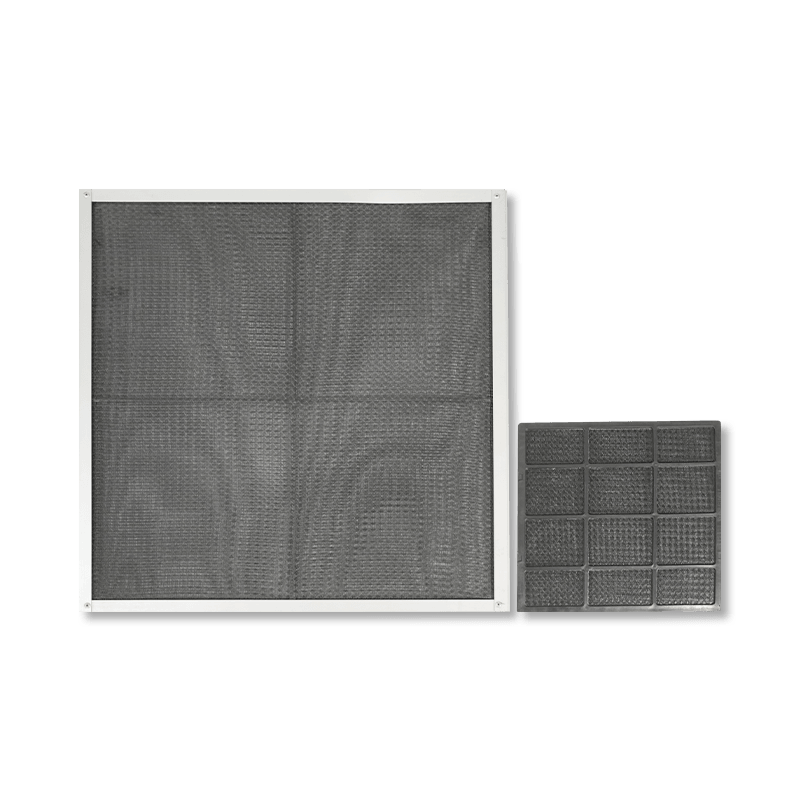
The Definition of a Primary Filter in Air Filtration
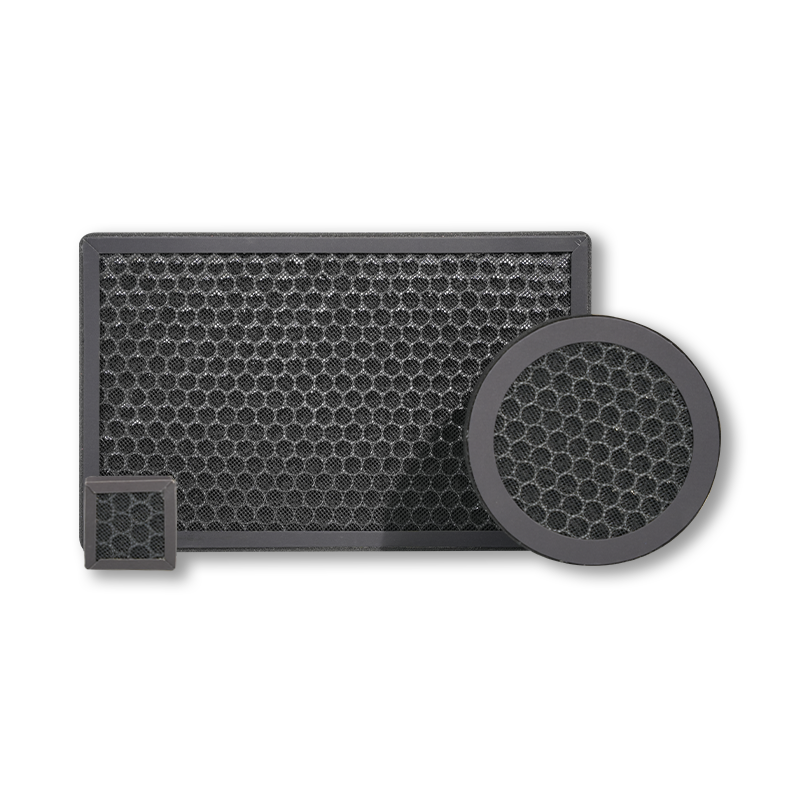
A primary filter — also called a pre-filter or coarse filter — is the upstream-most filter stage in a multi-stage air handling or ventilation system. It is designed to capture particles generally larger than 1–10 micrometers (µm), including:
- Dust and soil particles (typically 1–100 µm)
- Pollen grains (10–100 µm)
- Textile and carpet fibers (5–100 µm)
- Insects and insect debris (>100 µm)
- Coarse sand and construction particles (50–500 µm)
Under the MERV (Minimum Efficiency Reporting Value) rating system, primary filters typically fall in the MERV 1–8 range, while more capable pre-filters used in commercial settings reach MERV 11–13. Under the ISO 16890 standard, they are classified as ePM10 filters, rated for capturing particles in the 10 µm size range.
What distinguishes a primary filter from secondary or final filters is its position and purpose: it is explicitly designed to handle high particle loads over time, sacrificing itself to protect what comes after it.
How Primary Filters Work: The Four Capture Mechanisms
Primary filters do not simply act as sieves. Particle capture occurs through four distinct physical mechanisms, each dominant at different particle sizes:
Impaction
Larger particles (typically >1 µm) carry enough inertia that they cannot follow airstream curves around filter fibers. They travel in a straight line and collide directly with the fiber surface. Impaction is the dominant mechanism in primary filters, which is why coarser fiber media works effectively at this stage — more fiber surface area means more collision opportunities.
Interception
Particles that follow the airstream but pass within one particle radius of a fiber are captured by physical contact. This mechanism is most effective for mid-range particles (0.1–1 µm) and works in combination with impaction in pleated primary filter designs.
Diffusion
Very fine particles (<0.1 µm) move erratically due to Brownian motion, increasing their chance of contacting a fiber. While diffusion is more relevant to HEPA-class filters, it plays a minor role in high-efficiency primary filters rated MERV 11–13.
Electrostatic Attraction
Some primary filters use electrostatically charged media to attract and hold particles that would otherwise pass through. Electrostatic pleated filters can achieve MERV 10–12 efficiency with significantly lower pressure drop than mechanical-only media — typically 20–40% less resistance at equivalent efficiency ratings. The trade-off is that the electrostatic charge degrades over time, especially in humid conditions above 70% RH.
Why the Primary Filter Is the True First Line of Defense
The phrase "first line of defense" is not marketing language — it reflects a measurable engineering reality. Consider what happens without a properly sized primary filter in a standard commercial air handling unit (AHU):
|
Operational impact comparison for a typical commercial AHU with and without a primary pre-filter stage |
||
|
System Component |
Without Primary Filter |
With Proper Primary Filter |
|
Secondary (MERV 13) filter life |
4–8 weeks |
6–12 months |
|
HEPA final filter life |
3–6 months |
3–5 years |
|
Cooling coil fouling rate |
High — annual cleaning required |
Low — 3–5 year intervals |
|
Fan motor energy use |
+15–25% (increased resistance) |
Baseline — controlled pressure drop |
|
Annual filtration cost (per AHU) |
$2,000–$8,000+ |
$400–$1,200
|
The cooling coil fouling data is particularly significant. A fouled coil reduces heat transfer efficiency by up to 30%, increasing chiller energy consumption year-round — a cost that compounds independently of filter replacement cycles. The primary filter is the only thing standing between outdoor particulate and direct coil contamination.
Common Primary Filter Formats and Their Physical Characteristics
Primary filters come in several physical formats, each with different dust holding capacity, surface area, and application suitability:
Flat Panel Filters
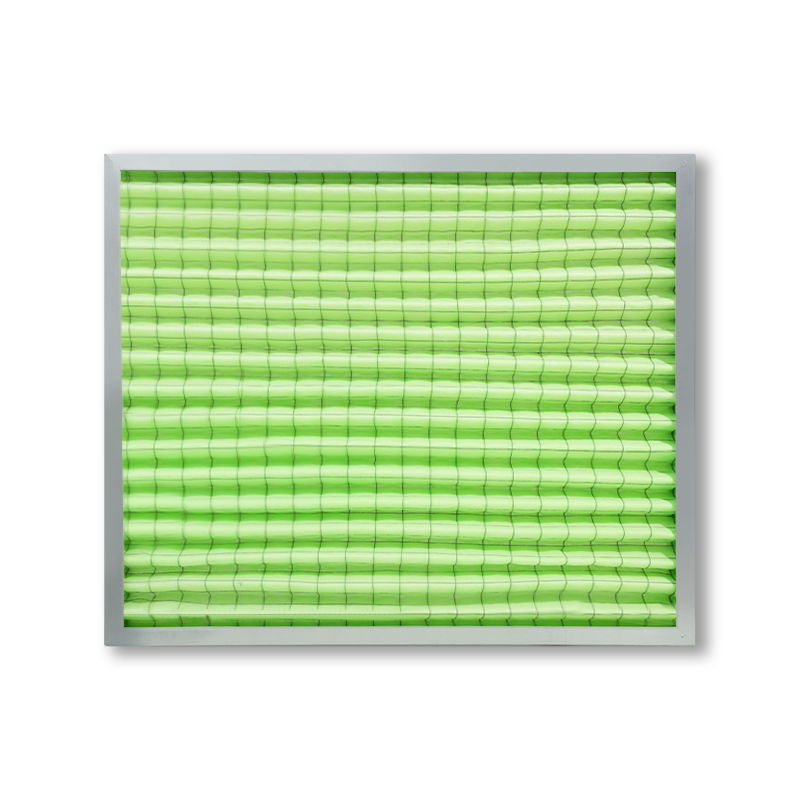
The simplest format — a flat mat of fiberglass or synthetic media in a cardboard or wire frame. Typical thickness ranges from 25mm to 50mm (1–2 inches). Flat panel filters offer low initial pressure drop (25–50 Pa) but have limited dust holding capacity, requiring replacement every 4–8 weeks in moderate-dust environments. They are best suited as coarse protective filters in front of other equipment.
Pleated Panel Filters
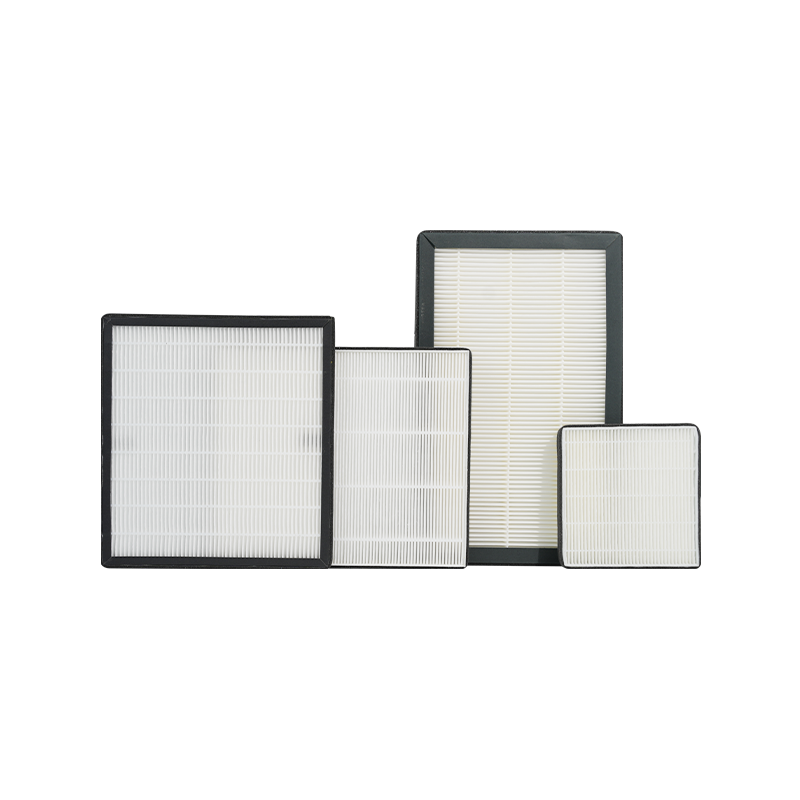
Folding the media into accordion-style pleats dramatically increases the usable surface area within the same face dimensions. A standard 50mm pleated filter can have 3–5× the media area of a flat panel, translating directly into longer service life (3–6 months) and higher efficiency ratings (MERV 8–13). This is the most common primary filter format in commercial HVAC installations.
Bag and Pocket Filters
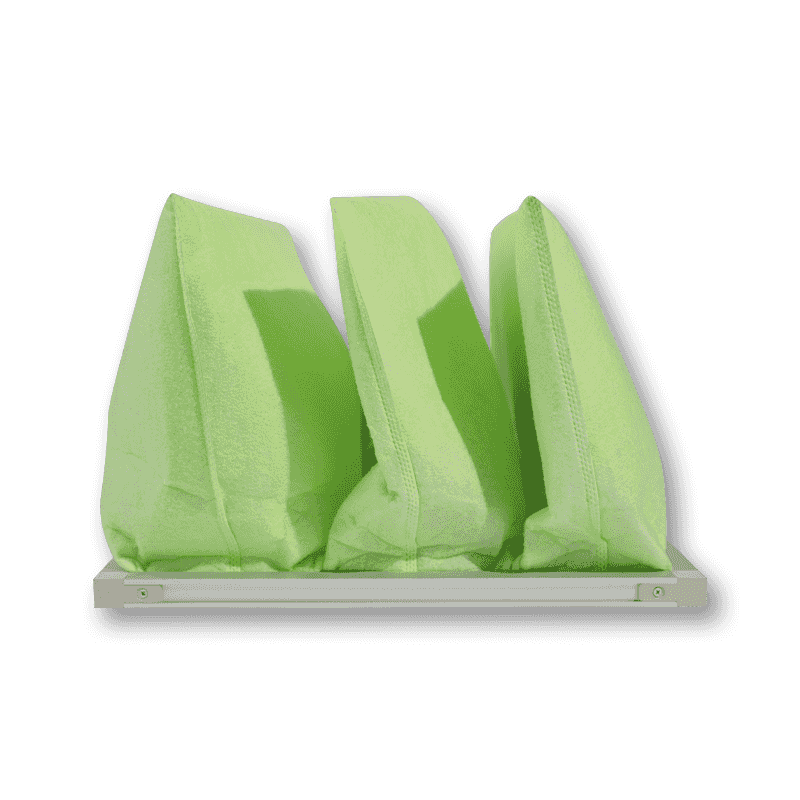
Bag filters extend the media into deep pockets (typically 300–600mm deep), offering very high dust holding capacity and low face velocity for a given airflow rate. They are commonly used as primary filters in high-dust or high-airflow environments such as manufacturing plants, warehouses, and large commercial buildings. Service life reaches 6–12 months even in demanding conditions.
Washable and Metal Mesh Filters
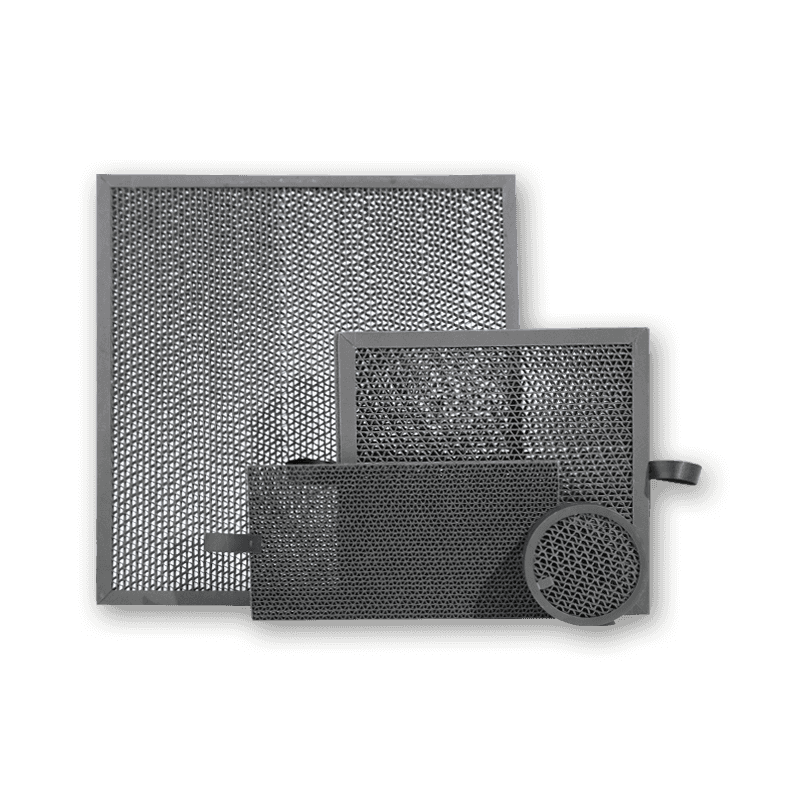
Reusable coarse filters made from aluminum mesh, stainless steel, or washable synthetic pads. Efficiency is limited to MERV 1–4, making them suitable only as the outermost protection layer — for example, catching insects, leaves, and coarse debris at outdoor air intake louvers. They do not replace a proper primary filter but reduce the load on it significantly.
Where Primary Filters Are Positioned in Different System Types
The physical placement of the primary filter varies by system type, but the principle is consistent: it must intercept particles before they reach any heat exchange surface, fan component, or downstream filter stage.
- Central HVAC air handling units:Primary filter is installed at the outdoor air intake or return air section, upstream of the cooling/heating coil and fan.
- Fan coil units (FCUs):A washable or pleated filter sits directly behind the return air grille, protecting the coil on every unit independently.
- Cleanroom HVAC systems:A G4 or F6-class primary filter protects an F9 intermediate filter, which in turn protects the terminal H14 HEPA supply diffusers.
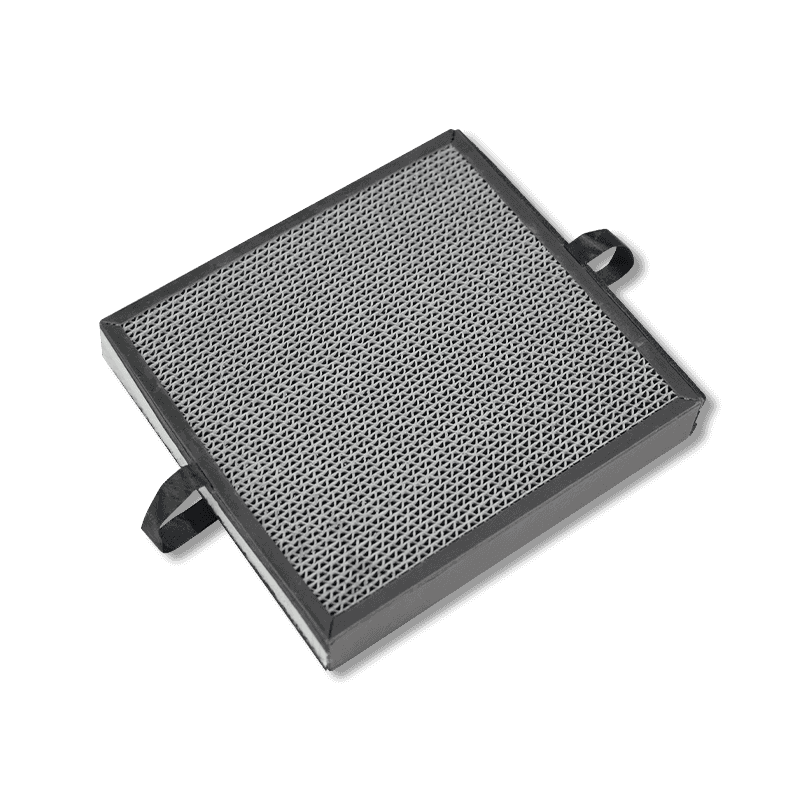
- Standalone air purifiers:A pre-filter (often washable) captures large particles and hair before they reach the main HEPA and carbon filter stages.
- Industrial dust collectors:A coarse inlet filter or baffle protects the main filter bags from overload during high-emission events such as process startups.
The Relationship Between Primary Filters and Indoor Air Quality
Primary filters contribute to indoor air quality both directly and indirectly. The direct contribution is straightforward — removing coarse particles (PM10) from supply air before it reaches occupants. The indirect contribution is often overlooked: a well-maintained primary filter keeps the entire filtration system functioning at rated efficiency.
When a primary filter becomes overloaded and airflow is restricted, the resulting pressure drop forces air through gaps and bypass pathways around filter frames — a phenomenon called filter bypass. Studies of commercial buildings have found that up to 15–20% of supply air can bypass a heavily loaded filter through frame leakage alone, completely circumventing all downstream filtration.
Additionally, a clogged primary filter creates negative pressure conditions that can promote microbial growth on wet cooling coil surfaces. Mold colonies on fouled coils then release spores directly into the supply airstream — a contamination source that no downstream filter can fully address once the coil itself becomes a biogenic particle emitter.
Key Performance Metrics Used to Evaluate Primary Filters
Understanding these four metrics allows accurate comparison between primary filter options:
|
Core performance metrics for evaluating and comparing primary air filters |
|||
|
Metric |
What It Measures |
Typical Range for Primary Filters |
Why It Matters |
|
MERV Rating |
Particle capture efficiency across size ranges |
MERV 4–13 |
Defines what particle sizes are captured |
|
Initial Pressure Drop |
Airflow resistance when clean (in Pascals) |
25–120 Pa |
Determines energy use and system compatibility |
|
Dust Holding Capacity (DHC) |
Total mass of dust captured before replacement (grams) |
100–1,500 g |
Predicts service life in a given environment |
|
Final Pressure Drop |
Resistance at end-of-service-life (replacement trigger) |
150–300 Pa |
Defines when the filter must be replaced
|
Most building operators replace primary filters when pressure drop reaches 2–3× the initial value, or at fixed intervals (monthly, quarterly) based on the environment's known particle load. Differential pressure gauges or electronic pressure sensors installed across the filter bank provide real-time data and remove guesswork from replacement scheduling.
Primary Filter Maintenance: What Neglect Actually Costs
Deferred primary filter maintenance is one of the most common and costly mistakes in building operations. The cost cascade works as follows:
- An overloaded primary filter increases system pressure drop, forcing the supply fan to work harder — every 25 Pa of additional pressure drop increases fan energy consumption by approximately 3–5%.
- Reduced airflow through clogged filters lowers the effective air change rate, degrading indoor air quality below design standards.
- Particles bypassing the overloaded primary filter reach and load the secondary filters at 3–5× the normal rate, dramatically shortening their service life.
- Coil fouling from bypassed particles reduces heat transfer efficiency, increasing chiller and heating plant energy use.
- In worst-case scenarios, microbial growth on fouled coils requires full coil cleaning or replacement — a maintenance intervention costing $1,500–$8,000 per AHUdepending on system size.
By contrast, a properly sized and regularly replaced primary filter typically costs $15–$80 per filter change. The return on investment from consistent primary filter maintenance is not marginal — it is the single highest-leverage maintenance action available in most HVAC systems.