 English
 Español
 日本語
日本語
Understanding Photocatalyst Filtration Technology
What Is a Photocatalyst Filter?
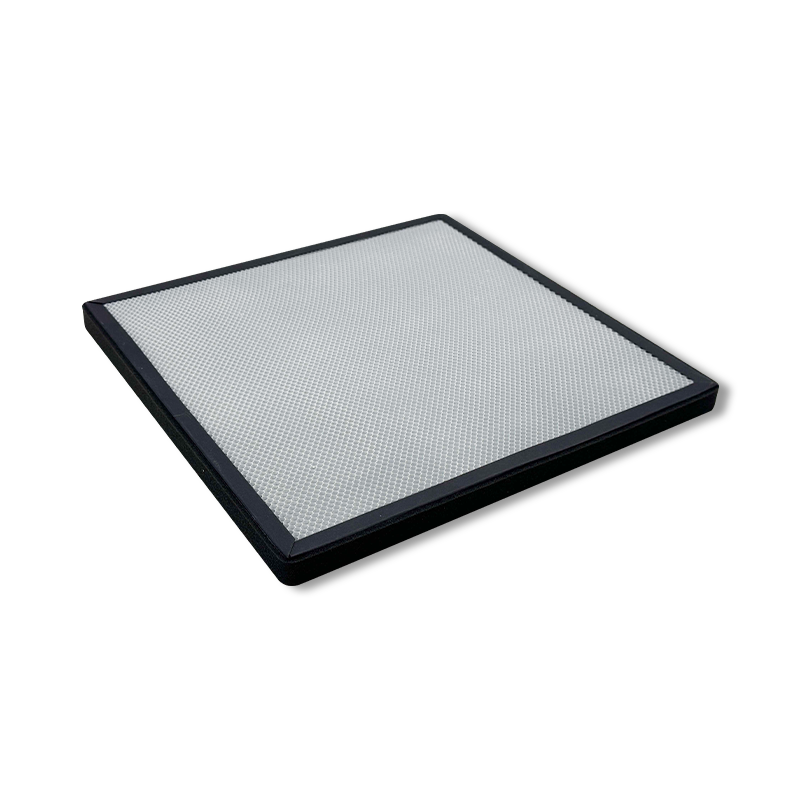
A photocatalyst filter is an advanced air purification technology that uses photocatalytic oxidation (PCO) to continuously decompose airborne pollutants at a molecular level. Unlike traditional filtration methods that rely on physical interception and adsorption, photocatalyst systems actively transform harmful substances into stable, harmless compounds such as carbon dioxide, water, and inorganic residues.
The core functional material is typically titanium dioxide (TiO₂), a highly stable semiconductor compound with strong catalytic activity. When air pollutants come into contact with its surface, a continuous oxidation reaction occurs, enabling long-term purification without pollutant accumulation inside the filter media.
Working Principle of Photocatalytic Oxidation
Photocatalytic oxidation is a surface-driven chemical process that takes place continuously as air flows through the filter structure.
1. Surface Activation of Catalyst
When airborne pollutants pass over the titanium dioxide coating, the catalyst becomes activated and initiates a redox reaction on its surface.
2. Generation of Reactive Oxygen Species
During this process, highly reactive oxygen-based compounds are formed, including:
- Hydroxyl radicals (•OH)
- Superoxide ions (O₂⁻)
- Active oxygen molecules
These species are highly unstable and extremely effective in breaking chemical bonds in organic pollutants.
3. Molecular Decomposition of Pollutants
Once generated, these reactive species attack pollutant molecules and break them down into harmless end products:
- Carbon dioxide (CO₂)
- Water (H₂O)
- Simple mineral salts and inorganic compounds
This transformation occurs continuously on the catalytic surface, ensuring that pollutants are not stored but permanently eliminated.
Core Features of Photocatalyst Filters
Continuous Self-Regenerating Purification System
No Physical Saturation
Unlike HEPA or activated carbon filters that gradually fill with trapped particles, photocatalyst filters do not accumulate pollutants. Instead, contaminants are chemically decomposed at the reaction surface.
Long-Term Stability
Because the catalytic surface is not consumed during the reaction, it maintains long-term activity under proper airflow conditions, making it suitable for continuous operation in both residential and industrial environments.
Strong Capability for Gaseous Pollutant Removal
Photocatalyst filters are particularly effective against airborne gases that are difficult or impossible to remove using mechanical filtration.
Volatile Organic Compounds (VOCs)
These include a wide range of harmful indoor pollutants such as:
- Formaldehyde from adhesives and furniture
- Benzene from coatings and paints
- Toluene from industrial solvents
- Xylene from printing and chemical processes
Odor Molecule Breakdown
Instead of masking odors, photocatalytic oxidation permanently destroys odor-causing compounds at the molecular level. Common odor sources include:
- Kitchen fumes and cooking oil vapors
- Pet odors and biological smells
- Bathroom and waste-related odors
- Industrial exhaust gases
Antibacterial and Antiviral Activity
Oxidative Inactivation Mechanism
The reactive oxygen species generated on the catalyst surface can destroy the structural integrity of microorganisms by:
- Damaging bacterial cell membranes
- Denaturing viral protein structures
- Breaking down fungal spores
Continuous Surface Hygiene Effect
Because the catalytic surface is continuously active, it also helps reduce microbial buildup on the filter medium itself, contributing to a cleaner airflow system over time.
Continuous Active Air Treatment
Real-Time Reaction Process
Photocatalyst filters operate as a continuous reaction system. As long as air flows across the catalytic surface, pollutants are continuously decomposed.
Engineering Optimization Factors
Performance can be improved by optimizing:
- Catalyst coating thickness
- Total surface area of reaction media
- Airflow velocity and distribution
- Reaction chamber geometry
Low Airflow Resistance Design
Open-Structure Filter Media
Photocatalyst filters are typically built using porous or structured materials such as:
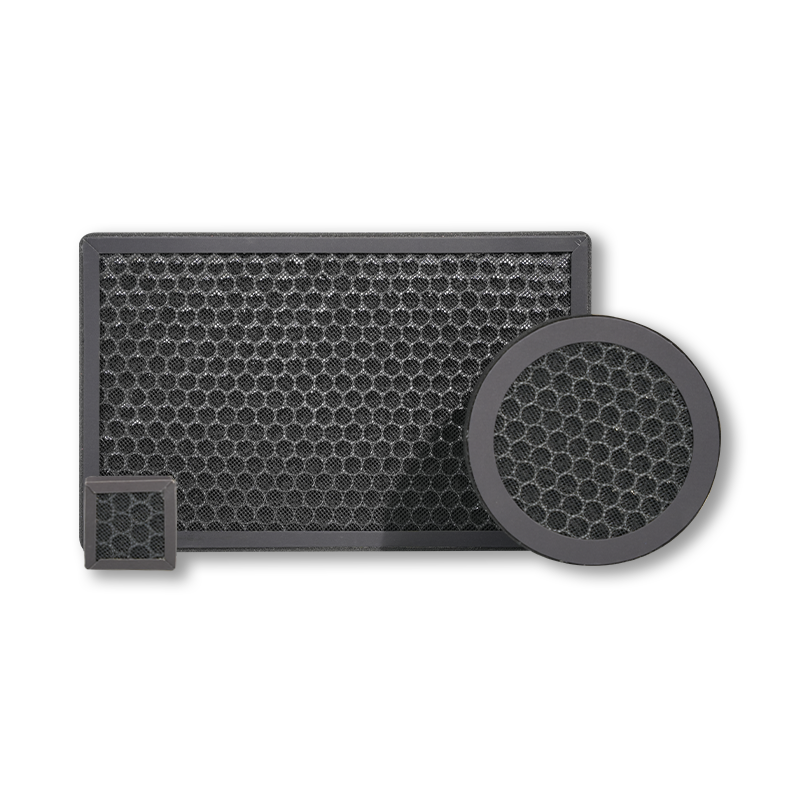
- Ceramic honeycomb blocks
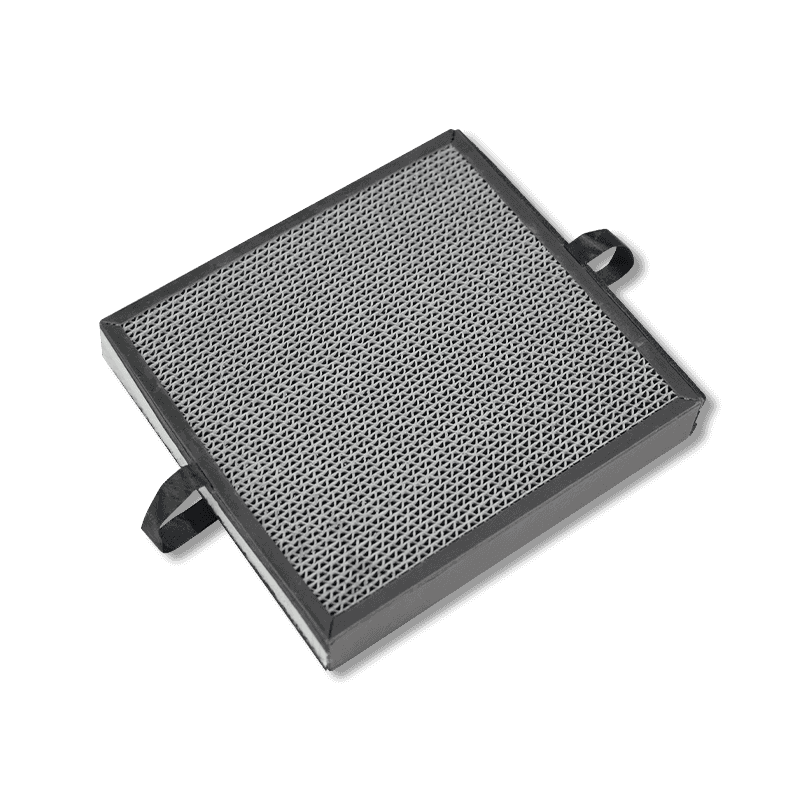
- Coated aluminum mesh
- Porous foam substrates
These structures provide large surface areas while maintaining smooth airflow.
Energy Efficiency Advantages
Lower airflow resistance results in:
- Reduced fan power consumption
- Improved HVAC system efficiency
- Lower operational energy costs
- Stable long-term air circulation performance
Key Structural Components of Photocatalyst Filters
Titanium Dioxide Catalytic Layer
Primary Functional Surface
Titanium dioxide acts as the active reaction surface where oxidation processes occur continuously.
Common Substrate Materials
TiO₂ is typically applied on:
- Aluminum alloy mesh structures
- Ceramic honeycomb blocks with microchannels
- Porous foam filter media
- Glass fiber or composite filter sheets
These structures significantly increase the available reaction surface area, improving pollutant contact efficiency.
Catalytic Reaction Module Design
Controlled Airflow Path
The catalytic module is designed to maximize contact time between air and the reactive surface, ensuring efficient pollutant breakdown.
Honeycomb Channel Optimization
Honeycomb structures divide airflow into thousands of micro-channels, increasing turbulence and contact probability with catalytic surfaces.
Pre-Filtration Stage
Protection of Catalytic Surface
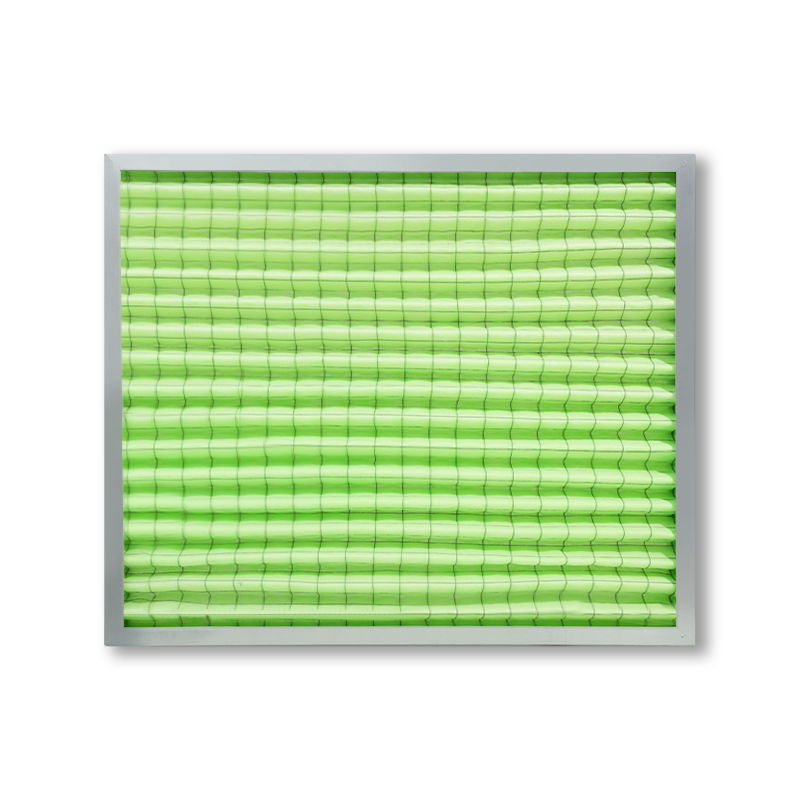
A pre-filter is typically installed before the photocatalyst module to capture larger particles such as:
- Dust and particulate matter
- Hair and fibers
- Pollen and large allergens
This prevents blockage and ensures long-term catalytic efficiency.
Multi-Stage Filtration Integration
Modern air purification systems rarely rely on photocatalysis alone. Instead, they integrate multiple technologies into a layered structure.
Multi-Stage Air Purification System Structure
|
Stage |
Technology |
Main Function |
Target Pollutants |
|
Stage 1 |
Pre-filter |
Particle interception |
Dust, hair, fibers |
|
Stage 2 |
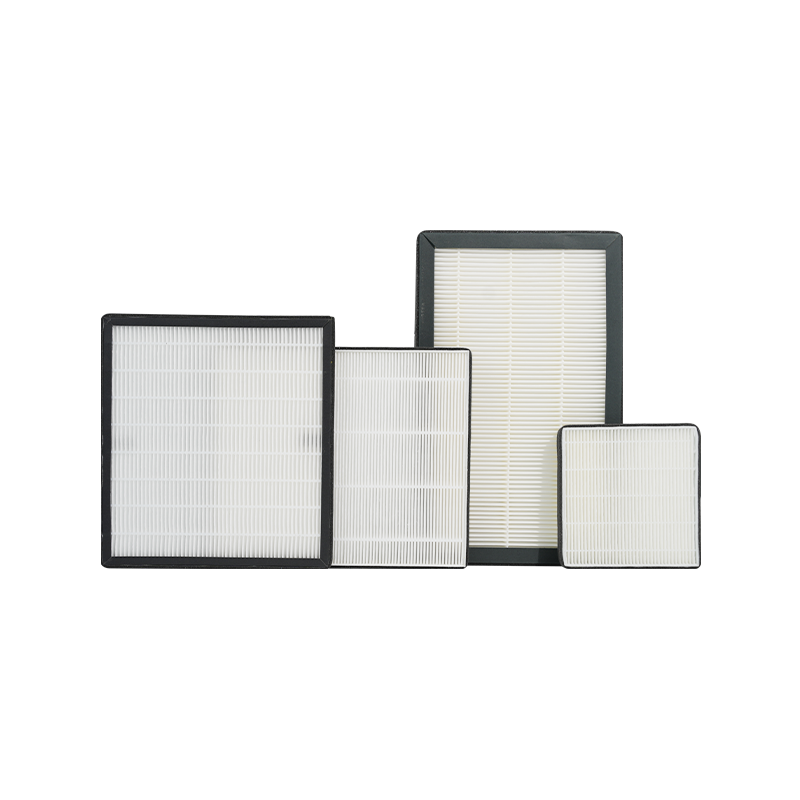
HEPA filtration |
Fine particle capture |
PM2.5, pollen, smoke |
|
Stage 3 |
Activated carbon |
Adsorption |
Odors, VOCs, gases |
|
Stage 4 |
Photocatalyst filter |
Chemical decomposition |
Formaldehyde, VOC breakdown, odor elimination |
This layered structure ensures both particulate and gaseous pollutants are effectively addressed.
Applications in Home Air Purification
Indoor Chemical Pollution Control
Sources of Indoor Pollution
Modern homes often contain multiple emission sources:
- New furniture adhesives
- Paint and wall coatings
- Flooring materials
- Cleaning chemicals
- Cooking activities
Photocatalyst filters help continuously reduce these invisible chemical pollutants.
Newly Renovated Home Applications
Formaldehyde Reduction Demand
Formaldehyde is one of the most common indoor pollutants released after renovation. Photocatalyst systems continuously break it down, helping maintain cleaner indoor air over time.
Odor Removal During Early Occupancy
Newly renovated spaces often have persistent chemical odors that gradually fade with ventilation. Photocatalyst systems accelerate this process significantly.
Long-Term Residential Air Quality Improvement
Photocatalyst filtration supports healthier indoor environments by:
- Reducing airborne chemical irritants
- Decomposing organic pollutants
- Improving perceived air freshness
- Supporting continuous air renewal systems
Applications in Commercial and Industrial Environments
High-Volume Air Handling Systems
Continuous Operation Capability
Photocatalyst filters are suitable for commercial HVAC systems that require:
- 24/7 operation
- Large airflow processing
- Stable long-term performance
Integration into Ventilation Ducts
They are commonly installed inside centralized air handling systems rather than standalone devices.
Odor Management in Public Spaces
Typical Commercial Application Scenarios
|
Environment |
Main Air Issue |
Photocatalyst Function |
|
Hotels |
Room and corridor odors |
Continuous odor decomposition |
|
Restaurants |
Kitchen fumes |
Organic gas breakdown |
|
Shopping malls |
Mixed human activity odors |
Air freshness maintenance |
|
Offices |
VOC emissions from materials |
Chemical pollutant reduction |
|
Transport hubs |
High occupant density odors |
Continuous air purification |
Industrial VOC Control Applications
Manufacturing Air Quality Management
Photocatalyst systems are widely used in industrial ventilation systems such as:
- Printing workshops
- Paint and coating facilities
- Chemical processing plants
- Packaging production lines
They help reduce chemical emissions released during production processes and maintain safer working environments.
System Design Considerations
Airflow Distribution Optimization
Uniform Contact Efficiency
Proper system design ensures that air evenly passes through the catalytic surface, preventing bypass airflow and improving reaction efficiency.
Reaction Surface Area Expansion
Increasing Catalytic Efficiency
Engineers often enhance performance by increasing:
- Honeycomb channel density
- Coating surface roughness
- Total exposed catalyst area
Integration with Smart Air Systems
Photocatalyst modules are increasingly integrated into intelligent HVAC systems featuring:
- Air quality sensors
- Automated airflow adjustment
- Multi-stage purification coordination
- Energy optimization controls
Importance in Modern Air Purification Strategies
Shift Toward Active Air Treatment
Photocatalyst filtration represents a transition from passive particle trapping to active pollutant decomposition. This approach focuses on eliminating pollutants at their chemical structure level rather than simply collecting them.
Complementary Role in Filtration Systems
Photocatalyst technology is most effective when combined with:
- Mechanical filtration for particles
- Activated carbon for adsorption
- Air circulation systems for distribution
This creates a comprehensive air purification ecosystem capable of addressing both particulate and gaseous pollution.