 English
 Español
 日本語
日本語
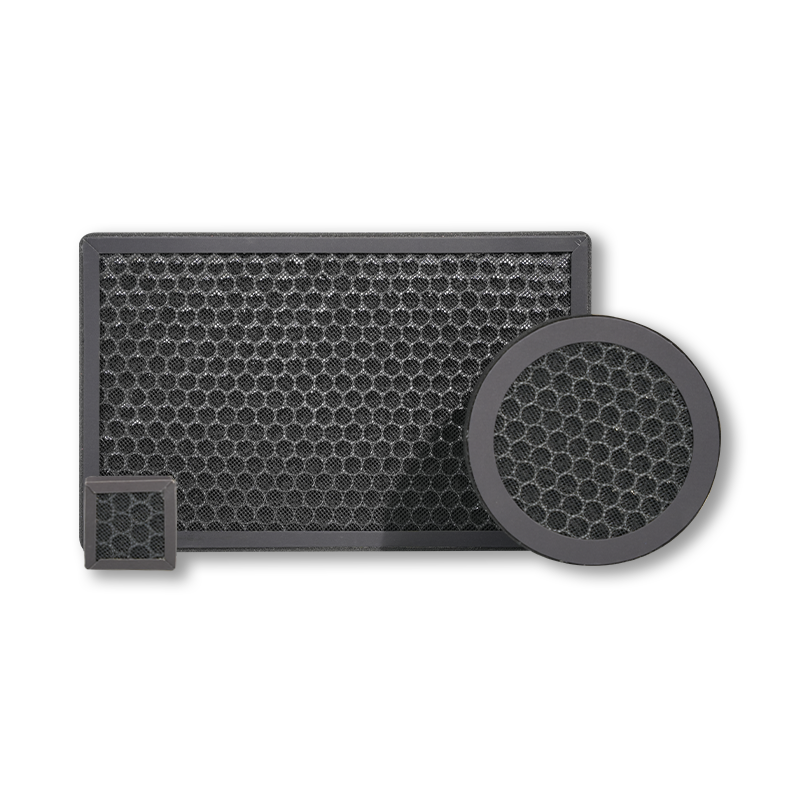
Activated carbon filter material is widely used in air purification, water treatment, industrial filtration, and odor control because of its excellent adsorption performance. However, not all activated carbon materials offer the same level of effectiveness. Factors such as raw material, pore structure, adsorption capacity, and manufacturing quality can significantly impact filtration performance and service life.
Whether you are selecting filter media for an industrial project or comparing suppliers, understanding the key quality indicators can help you make a better purchasing decision. Below are five essential factors to evaluate when choosing high-quality activated carbon filter material.
1. Iodine Value: A Key Measure of Adsorption Capacity
Why Is the Iodine Value Important?
The iodine value is one of the most commonly used indicators for evaluating activated carbon quality. It measures the amount of iodine that one gram of activated carbon can adsorb, usually expressed in mg/g.
Typical Iodine Value Ranges
|
Iodine Value (mg/g) |
Adsorption Performance |
Typical Applications |
|
Below 600 |
Low |
Basic odor removal |
|
600–900 |
Medium |
General air and water filtration |
|
900–1200+ |
High |
Industrial purification and high-efficiency filters |
A higher iodine value generally indicates a larger internal surface area and stronger adsorption capability. However, it should not be the only criterion because different contaminants require different pore structures.
Selection Tip
For VOC removal and industrial air purification, activated carbon with an iodine value above 900 mg/g is usually recommended.
2. Surface Area and Pore Structure
Why Pore Structure Matters
The adsorption performance of activated carbon depends largely on its internal pore network. Most pollutants are captured inside millions of microscopic pores.
Three Main Types of Pores
|
Pore Type |
Diameter |
Primary Function |
|
Micropores |
<2 nm |
Adsorb small gas molecules and VOCs |
|
Mesopores |
2–50 nm |
Capture larger organic compounds |
|
Macropores |
>50 nm |
Transport contaminants into smaller pores |
A high-quality activated carbon filter material should provide a balanced pore distribution rather than simply having the largest surface area.
Application Recommendations
Materials with abundant micropores are ideal for air filtration, while applications involving larger molecules benefit from a greater proportion of mesopores.
3. Raw Material Determines Overall Performance
Different Raw Materials Have Different Advantages
Activated carbon is produced from several natural materials, each offering unique adsorption characteristics and durability.
Comparison of Common Raw Materials
|
Raw Material |
Advantages |
Common Applications |
|
Coconut Shell |
High hardness, excellent micropores |
Air purification, respirators |
|
Coal-Based |
Large adsorption capacity, cost-effective |
Industrial filtration |
|
Wood-Based |
Fast adsorption, abundant mesopores |
Liquid purification |
|
Bamboo |
Renewable and environmentally friendly |
Household filtration |
Rather than selecting the most expensive material, buyers should choose the raw material that best matches their filtration requirements.
Expert Recommendation
Coconut shell activated carbon is widely preferred for premium air filtration because of its dense microporous structure and long service life.
4. Mechanical Strength and Dust Content
Why Physical Quality Is Important
Excellent adsorption performance is only valuable if the activated carbon maintains its physical integrity throughout transportation and operation.
Key Physical Indicators
- High mechanical strength
- Low abrasion rate
- Low dust generation
- Uniform particle size
- Stable airflow performance
Excessive dust can reduce filtration efficiency, increase pressure drop, and contaminate downstream equipment.
5. Service Life and Regeneration Capability
Long-Term Performance Matters
Evaluating activated carbon should involve more than just its initial adsorption capacity. Long-term operating performance has a significant impact on total ownership cost.
Main Evaluation Factors
- Adsorption saturation rate
- Humidity resistance
- Temperature tolerance
- Operating environment
- Regeneration capability
Many industrial-grade activated carbon materials can be regenerated through thermal treatment, significantly extending their service life.
Cost-Saving Benefits
Choosing activated carbon with a longer operational lifespan often reduces maintenance frequency and replacement costs over the lifetime of the filtration system.
Additional Factors Worth Considering
Other Important Quality Indicators
Professional buyers often consider several additional parameters when comparing activated carbon filter materials.
Quality Comparison Table
|
Evaluation Factor |
Why It Matters |
|
Moisture Content |
Lower moisture means higher effective adsorption capacity |
|
Ash Content |
Lower ash generally indicates higher purity |
|
Particle Size Uniformity |
Ensures stable airflow and filtration efficiency |
|
Bulk Density |
Influences filter loading capacity |
|
Certification |
ISO, RoHS, REACH, and application-specific standards provide quality assurance |
How to Choose the Right Activated Carbon Filter Material
Select According to Your Application
Different industries require different activated carbon characteristics. Matching the material to the application improves overall filtration efficiency.
Recommended Material Selection
|
Application |
Recommended Characteristics |
|
HVAC Air Filters |
High iodine value, coconut shell carbon, low dust |
|
Industrial VOC Removal |
Large surface area, excellent micropore distribution |
|
Water Treatment |
Low ash, food-grade activated carbon |
|
Chemical Processing |
High mechanical strength and regeneration capability |
|
Odor Control Systems |
Balanced pore structure with long service life |
Instead of focusing on a single specification, evaluate the complete performance profile to achieve the best filtration results.
Why Material Quality Matters
Benefits of High-Quality Activated Carbon
Investing in premium activated carbon filter material offers several long-term advantages:
- Higher pollutant removal efficiency
- Longer replacement intervals
- Lower maintenance costs
- Improved airflow stability
- Better overall filtration performance
Working with an experienced manufacturer also ensures consistent product quality, customized filtration solutions, and professional technical support.
Frequently Asked Questions (FAQ)
How is activated carbon quality tested?
Common laboratory tests include iodine value testing, BET surface area analysis, pore size distribution measurement, ash content testing, moisture analysis, and mechanical strength evaluation.
Is a higher iodine value always better?
Not necessarily. While a higher iodine value generally indicates stronger adsorption capacity, pore structure and application requirements are equally important.
Which raw material is best for air filtration?
Coconut shell activated carbon is widely recognized as one of the best choices for air filtration because of its high micropore volume and excellent VOC adsorption performance.
How often should activated carbon filter material be replaced?
Replacement frequency depends on contaminant concentration, humidity, airflow, and operating conditions. Regular performance testing helps determine the optimal replacement schedule.
Can activated carbon be regenerated?
Yes. Many industrial grades can be regenerated using thermal or steam activation processes, reducing long-term operating costs and improving sustainability.