 English
 Español
 日本語
日本語
Understanding Cold Catalyst Filter Technology in Air Filtration Environments
What Is a Cold Catalyst Filter?
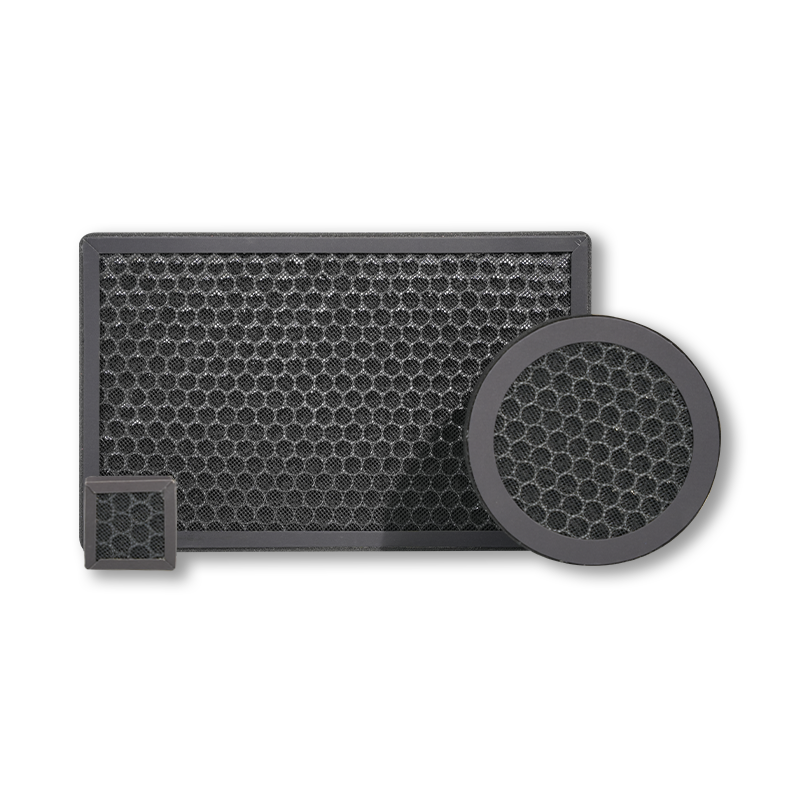
A cold catalyst filter is an advanced air purification medium designed to decompose harmful gases and odors under normal temperature conditions, without requiring high heat activation or complex external energy input. In HVAC (Heating, Ventilation, and Air Conditioning) systems, it is mainly used for continuous indoor air treatment, especially for gaseous pollutants that traditional particulate filters cannot remove.
Unlike HEPA filters that physically capture particles or activated carbon that relies on adsorption, cold catalyst filters operate through a continuous surface chemical reaction. This allows them to break down pollutants such as:
- Formaldehyde
- Benzene series compounds
- Toluene and xylene
- Ammonia
- Hydrogen sulfide
- Organic odors from cooking, waste, and industrial emissions
Because it works at ambient temperature, it is often called a low-temperature catalytic decomposition system, making it highly suitable for modern HVAC environments where stable, long-term air purification is required.
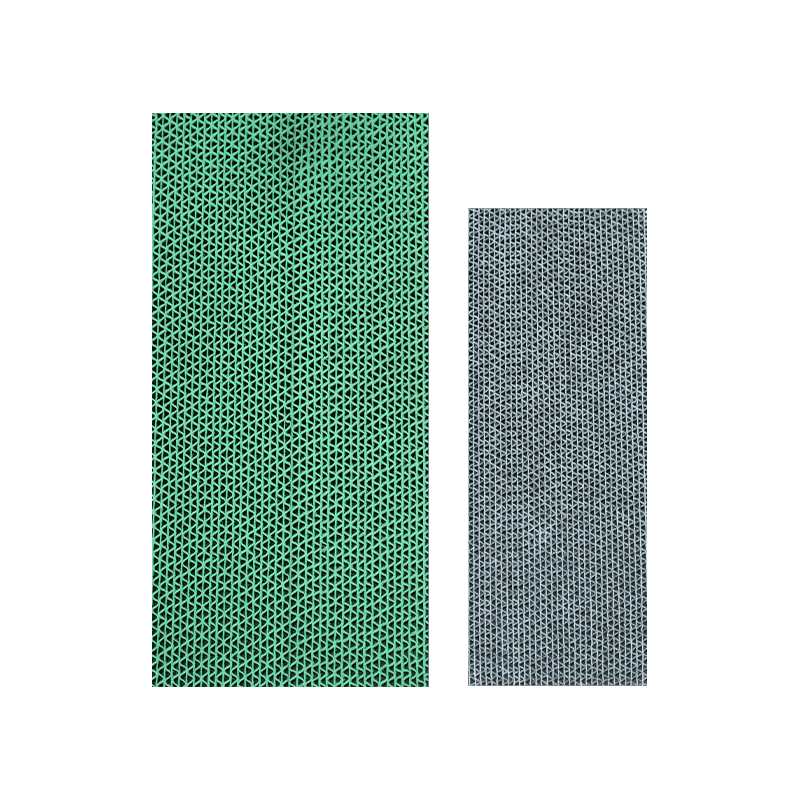
Working Principle of Cold Catalyst Filter Technology
Core Concept: Catalytic Oxidation at Room Temperature
Cold catalyst filtration is based on a surface-driven oxidation reaction. When polluted air flows through the catalyst layer, harmful molecules are decomposed through a continuous chemical transformation process.
The entire mechanism can be divided into several key stages:
1. Pollutant Capture and Surface Contact
When air passes through the HVAC system, gaseous pollutants first come into contact with the catalyst surface. These molecules are attracted and temporarily held on the surface through weak physical adsorption forces.
This step increases the residence time of pollutants near the reactive material, allowing efficient chemical interaction.
2. Activation of Oxygen Molecules
On the catalyst surface, oxygen molecules in the air are activated and transformed into highly reactive oxygen species. These include:
- Active oxygen (O⁻)
- Hydroxyl radicals (•OH)
- Superoxide ions (O₂⁻)
These reactive species are the core drivers of pollutant decomposition.
3. Oxidation and Molecular Breakdown
Once activated oxygen species are generated, they attack pollutant molecules and break their chemical bonds. Complex organic compounds are gradually decomposed into simple, stable substances such as:
- Carbon dioxide (CO₂)
- Water (H₂O)
- Non-toxic inorganic salts
This process is continuous and self-sustaining as long as airflow is maintained.
4. Regenerative Surface Reaction
A key advantage of cold catalyst systems is that the catalytic surface is not consumed during the reaction. After breaking down pollutants, the surface returns to its active state, allowing continuous operation without frequent replacement.
Key Base Materials Used in Cold Catalyst Filters
The performance of cold catalyst filters depends heavily on the substrate structure and coating material combination. Different base materials provide different airflow characteristics, durability, and catalytic efficiency.
Common Cold Catalyst Filter Base Materials in HVAC Systems
|
Base Material |
Structural Form |
Key Advantages |
Limitations |
Typical HVAC Applications |
|
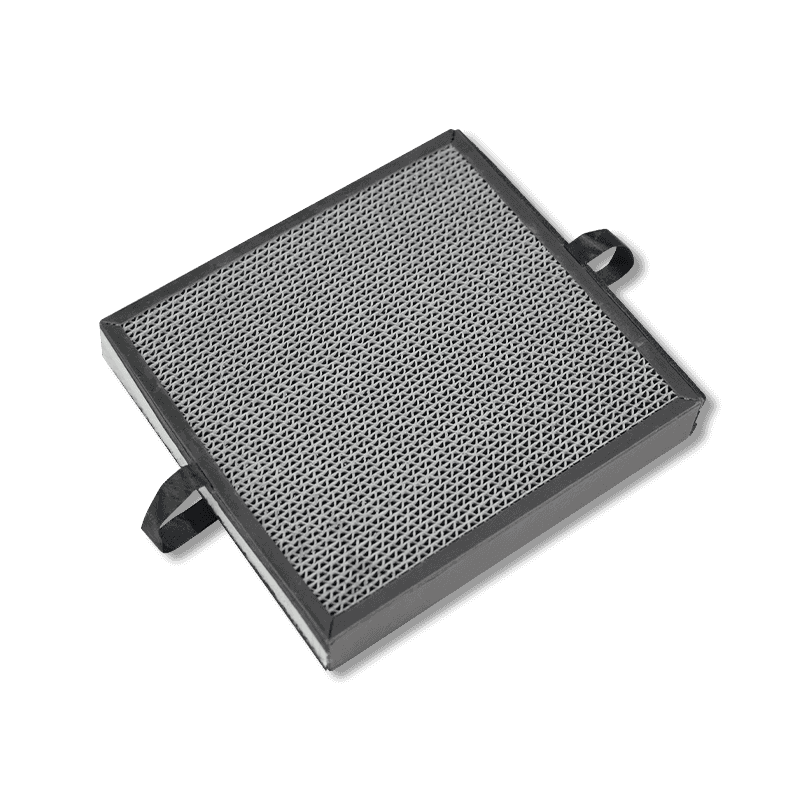
Aluminum honeycomb |
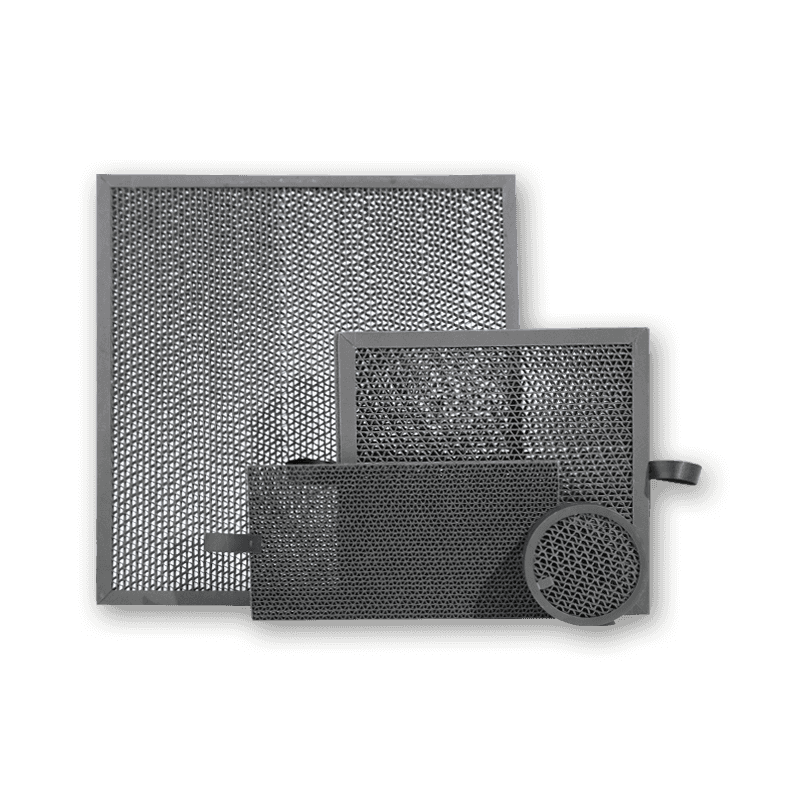
Micro-channel structured metal sheet |
Lightweight, low airflow resistance, high surface area |
Moderate corrosion resistance if uncoated |
Central air conditioning ducts, air purifiers |
|
Ceramic honeycomb |
Porous ceramic block with microchannels |
High thermal stability, strong adsorption capacity, long service life |
Heavier than metal structures |
Industrial HVAC systems, high-contamination environments |
|
Activated carbon composite substrate |
Porous carbon-based structure |
Dual function: adsorption + catalytic support |
May require periodic replacement |
Commercial air purifiers, odor control systems |
|
Fiber mesh carrier (glass fiber / synthetic fiber) |
Flexible mesh structure |
Low cost, high airflow permeability |
Lower mechanical strength |
Residential HVAC filters, compact units |
|
Polymer foam catalyst carrier |
Open-cell foam structure |
High flexibility, large surface area |
Lower temperature stability |
Portable air purification devices |
Detailed Explanation of Each Base Material
Aluminum Honeycomb Substrate
Aluminum honeycomb structures are widely used in HVAC cold catalyst systems due to their balance of performance and cost efficiency.
Structural Characteristics
The honeycomb design consists of thousands of parallel microchannels, which significantly increase the contact area between air and catalyst coating while maintaining smooth airflow.
Advantages
- Excellent airflow efficiency
- Large reaction surface area
- Lightweight and easy to install in ducts
- Suitable for large HVAC systems
Application Scenarios
- Office ventilation systems
- Commercial air conditioning ducts
- Air handling units (AHUs)
Ceramic Honeycomb Substrate
Ceramic-based catalyst carriers are typically used in high-demand industrial environments.
Structural Characteristics
Ceramic honeycomb blocks have highly stable microstructures with excellent heat resistance and chemical stability.
Advantages
- High structural stability
- Strong adsorption performance
- Long operational lifespan
- Suitable for harsh environments
Application Scenarios
- Chemical factories
- Waste treatment ventilation systems
- High-pollution industrial workshops
Activated Carbon Composite Substrate
This type combines adsorption and catalytic functions.
Structural Characteristics
Activated carbon provides a porous adsorption base, while catalytic materials are coated on its surface.
Advantages
- Dual purification mechanism (adsorption + decomposition)
- Effective for both odors and VOCs
- Enhanced initial removal efficiency
Application Scenarios
- Commercial air purifiers
- Hotels and hospitality HVAC systems
- Indoor odor control systems
Fiber Mesh Carrier
Fiber-based carriers are commonly used in residential and compact HVAC systems.
Structural Characteristics
Made from synthetic fibers or glass fiber mesh coated with catalytic materials.
Advantages
- Low airflow resistance
- Flexible installation
- Cost-effective solution
Application Scenarios
- Residential air conditioning units
- Small HVAC modules
- Portable air purification devices
Polymer Foam Carrier
Polymer foam substrates provide high surface area and structural flexibility.
Structural Characteristics
Open-cell foam structures allow air to pass freely while maximizing catalytic surface contact.
Advantages
- High surface area density
- Lightweight and adaptable design
- Suitable for compact devices
Application Scenarios
- Portable air cleaners
- Small ventilation systems
- Indoor localized purification units
Key Features of Cold Catalyst Filter Technology
Continuous Low-Temperature Operation
Cold catalyst filters operate effectively at normal environmental temperatures without requiring thermal activation. This makes them highly suitable for continuous HVAC operation.
Efficient Removal of Gaseous Pollutants
Cold catalyst systems are specifically designed to target gaseous contaminants that are difficult to remove through physical filtration.
Major Target Pollutants
- Formaldehyde from furniture and adhesives
- Benzene from paints and coatings
- Ammonia from cleaning agents
- Hydrogen sulfide from waste decomposition
- Organic odor compounds
Long-Term Stability and Continuous Performance
Because the catalyst is not consumed during reactions, it maintains stable long-term performance under proper airflow conditions. This makes it ideal for HVAC systems that require continuous operation.
Low Airflow Resistance Design
Most cold catalyst filter structures are designed with open-channel or porous configurations to minimize airflow resistance.
Benefits include:
- Reduced energy consumption in HVAC systems
- Stable airflow distribution
- Improved system efficiency
- Lower operating costs
Role of Cold Catalyst Filters in HVAC Systems
Integration into Air Handling Units (AHUs)
Cold catalyst filters are commonly installed inside HVAC air handling units where air is conditioned and treated before distribution.
They are typically placed after:
- Pre-filters (dust removal)
- Particle filtration stages
And before:
- Air supply outlets
Multi-Stage HVAC Filtration Structure
Cold catalyst filters are rarely used alone. Instead, they are part of a layered purification system.
Typical HVAC Multi-Stage Filtration System
|
Stage |
Filtration Technology |
Function |
Target Pollutants |
|
Stage 1 |
Pre-filter |
Large particle removal |
Dust, hair, fibers |
|
Stage 2 |
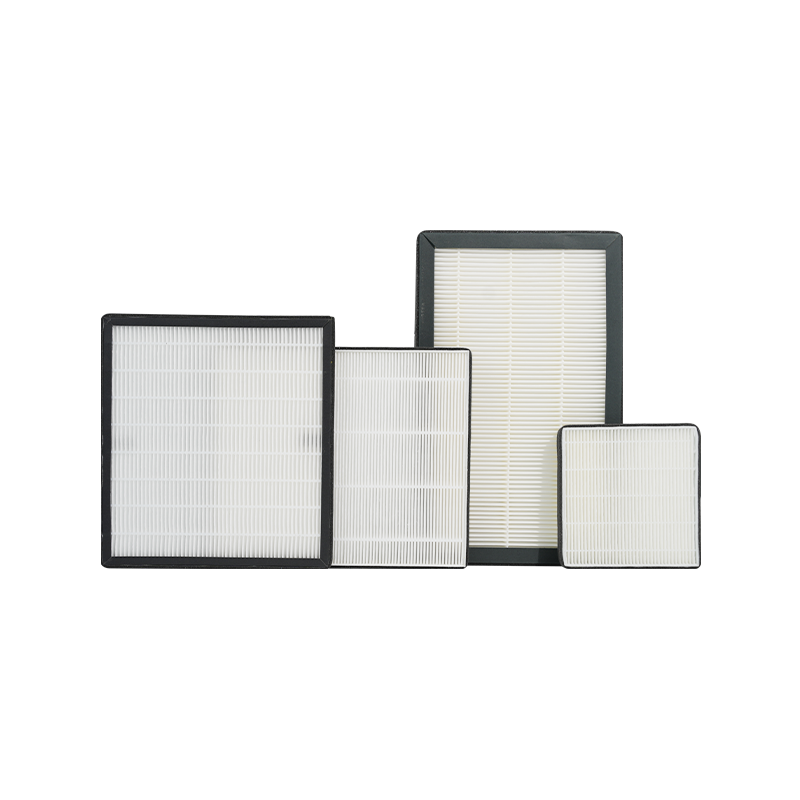
HEPA filter |
Fine particle capture |
PM2.5, pollen, smoke |
|
Stage 3 |
Activated carbon |
Adsorption of gases |
Odors, VOCs |
|
Stage 4 |
Cold catalyst filter |
Chemical decomposition |
Formaldehyde, VOC breakdown, odor elimination |
This combination ensures both particulate and gaseous pollutants are effectively managed.
Applications of Cold Catalyst Filters
Residential HVAC Applications
Indoor Air Quality Improvement
Cold catalyst filters help maintain healthier indoor air by continuously reducing:
- Chemical emissions from furniture
- Odors from cooking and daily life
- VOC buildup in enclosed spaces
Ideal Use Cases
- Newly renovated homes
- Apartments with limited ventilation
- Smart home HVAC systems
Commercial Building Applications
Office and Public Space Air Quality Control
Cold catalyst filters are widely used in:
- Office buildings
- Shopping centers
- Hotels and conference facilities
They help maintain consistent air freshness in high-occupancy environments.
Industrial Applications
VOC and Odor Control in Manufacturing
Cold catalyst systems are commonly used in industrial ventilation systems to reduce emissions from:
- Printing and packaging lines
- Chemical processing plants
- Paint spraying workshops
- Waste treatment facilities
They contribute to safer working environments and regulatory compliance.
Advantages of Cold Catalyst Filters in HVAC Design
Energy Efficiency Contribution
Because of low airflow resistance, cold catalyst filters help reduce fan load and overall HVAC energy consumption.
Long-Term Cost Efficiency
They support reduced maintenance costs because:
- Catalytic media is not consumed quickly
- Replacement cycles are longer compared to adsorption materials
- Stable long-term performance reduces operational downtime
Compatibility with Smart HVAC Systems
Cold catalyst modules integrate well with modern intelligent HVAC systems, allowing:
- Automated air quality monitoring
- Adaptive airflow control
- Multi-stage filtration coordination
- Energy optimization strategies
Future Development Trends
Hybrid Filtration Systems
Future HVAC systems increasingly combine:
- Mechanical filtration (HEPA)
- Adsorption filtration (activated carbon)
- Catalytic decomposition (cold catalyst)
This hybrid approach provides comprehensive air purification coverage.
Improved Catalyst Materials
Research continues into:
- Higher surface area coatings
- Enhanced low-temperature activity
- More durable substrate materials
- Improved multi-pollutant decomposition efficiency
Smart Environmental Integration
Cold catalyst systems are increasingly being integrated into IoT-enabled HVAC networks, enabling real-time air quality optimization in buildings.