 English
 Español
 日本語
日本語
Indoor air quality has become a growing concern in residential, commercial, and industrial environments. As a result, air purification technologies continue to evolve, with photocatalyst filters and HEPA filters being two of the most widely discussed solutions. Although both are designed to improve air quality, they operate on completely different principles and target different types of pollutants.
Understanding how each technology works—and what it can and cannot remove—is essential for selecting the right filtration system.
What Is a HEPA Filter and How Does It Work?
What Is a HEPA Filter?
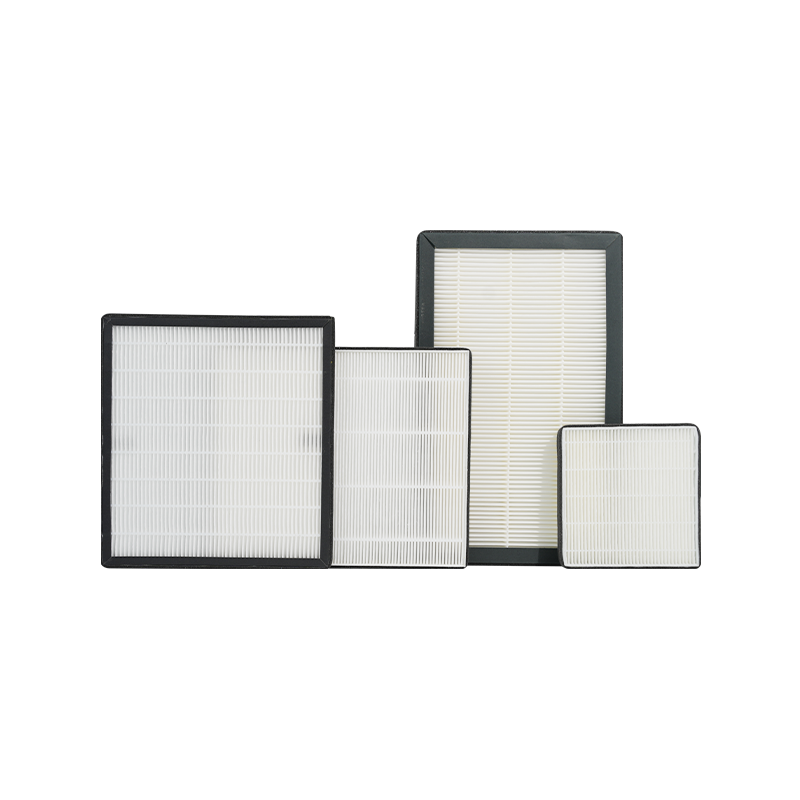
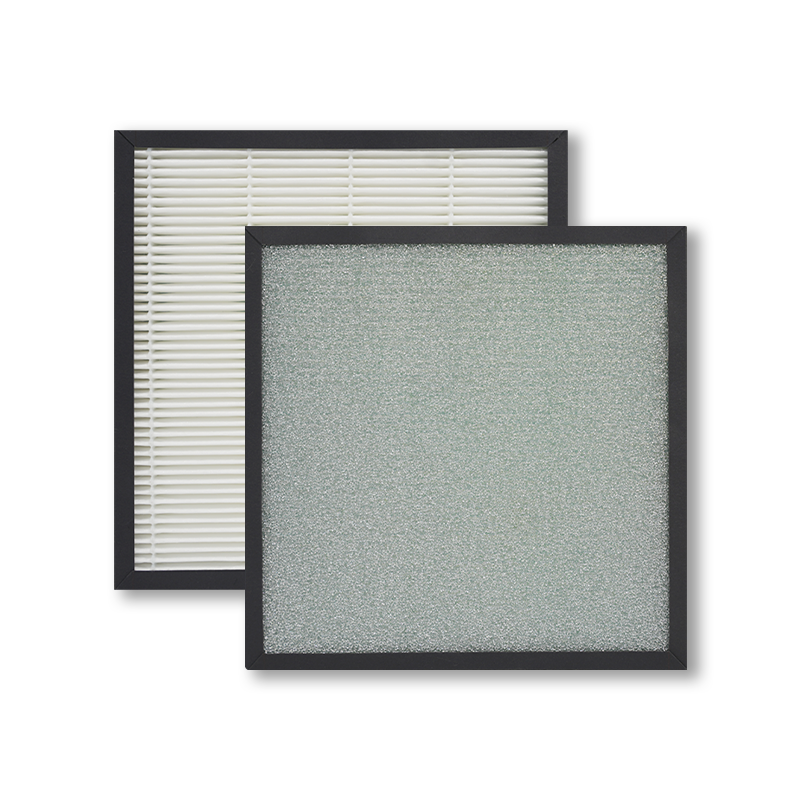
HEPA stands for High-Efficiency Particulate Air. A true HEPA filter is engineered to capture at least 99.97% of airborne particles measuring 0.3 microns in diameter, which is considered the Most Penetrating Particle Size (MPPS).
Unlike ordinary air filters that primarily block larger dust particles, HEPA filters are constructed from densely packed layers of fine glass fibers or synthetic materials that physically trap contaminants as air passes through.
The Filtration Mechanism
HEPA filters rely on several physical filtration principles simultaneously:
Interception
Particles following the airflow come into contact with filter fibers and adhere to them.
Inertial Impaction
Larger particles cannot follow sudden changes in airflow and collide directly with the filter fibers.
Diffusion
Extremely small particles move randomly due to Brownian motion, increasing their chance of contacting and being trapped by filter fibers.
The combination of these mechanisms allows HEPA filters to efficiently capture particles both larger and smaller than 0.3 microns.
What Does a HEPA Filter Remove?
HEPA filtration is highly effective for removing solid airborne particles, including:
- Dust
- Pollen
- Mold spores
- Pet dander
- Fine particulate matter (PM2.5)
- Smoke particles
- Bacteria
- Many airborne viruses carried on droplets
- Textile fibers
- Construction dust
What HEPA Filters Cannot Remove
Despite their exceptional particle removal capability, HEPA filters have limitations.
They generally cannot remove:
- Volatile Organic Compounds (VOCs)
- Formaldehyde
- Odors
- Harmful gases
- Chemical vapors
- Carbon monoxide
- Nitrogen oxides
Because gases pass directly through the filter media, HEPA systems are often combined with activated carbon filters for complete air purification.
What Is a Photocatalyst Filter?
The Basic Principle
Unlike HEPA filters, a photocatalyst filter does not physically trap pollutants.
Instead, it uses a photocatalytic oxidation (PCO) process to chemically decompose contaminants into harmless substances.
The most common photocatalyst material is titanium dioxide (TiO₂).
When ultraviolet (UV) light shines on the titanium dioxide surface, highly reactive hydroxyl radicals and superoxide ions are generated. These reactive species attack organic pollutants and break them down into:
- Carbon dioxide
- Water
- Simple mineral compounds
This process continuously regenerates the catalyst surface rather than collecting pollutants inside the filter.
Components of a Photocatalyst Filter System
A typical photocatalytic purification system consists of:
Photocatalyst Coating
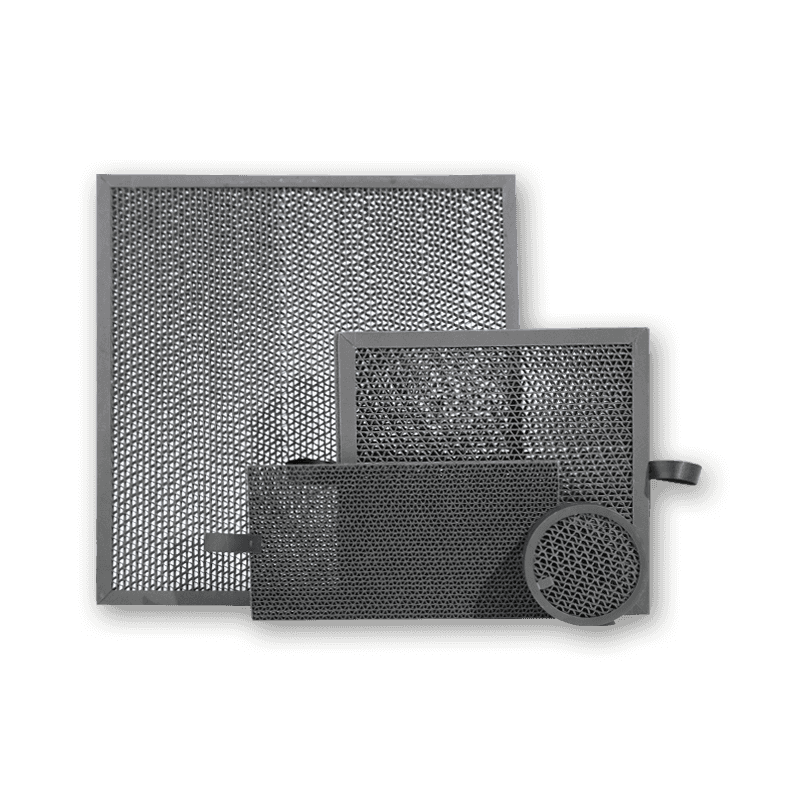
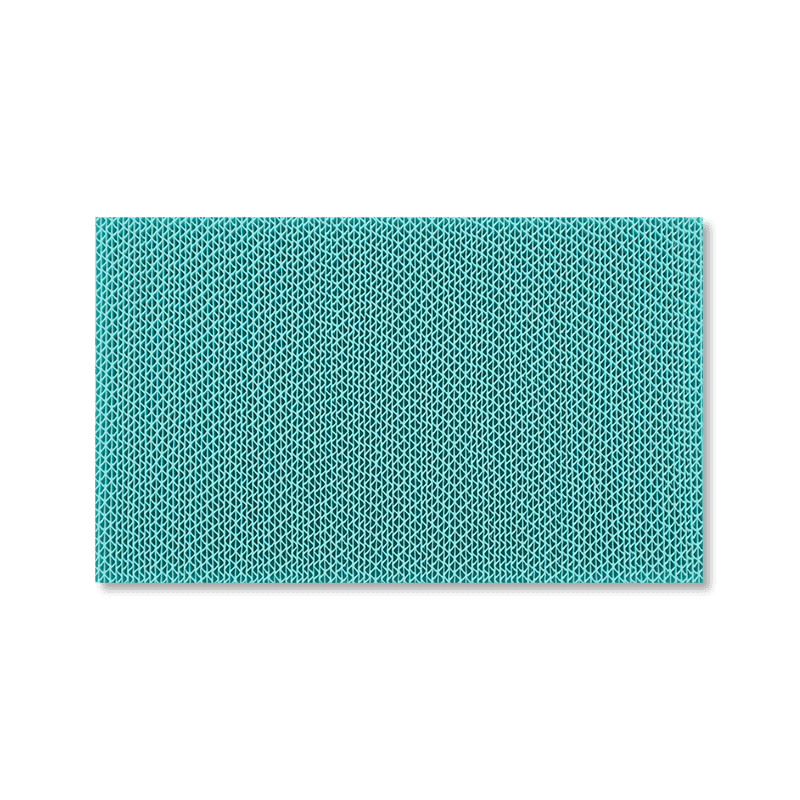
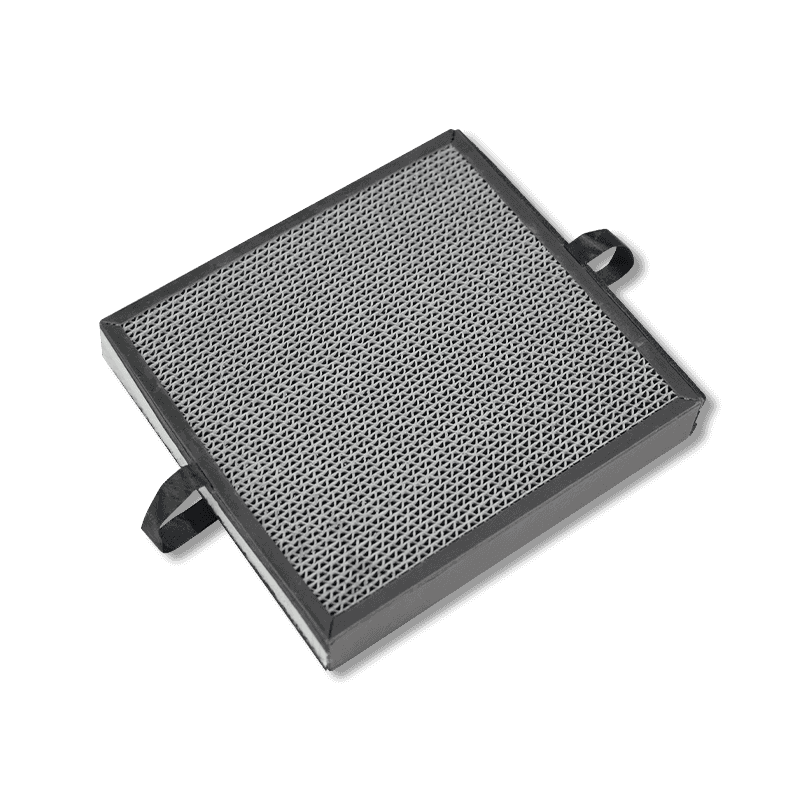
Usually titanium dioxide coated onto ceramic honeycomb structures, aluminum mesh, or foam substrates.
UV Light Source
UV-A light activates the catalyst and initiates oxidation reactions.
Support Structure
Honeycomb channels maximize the contact area between contaminated air and the catalyst surface.
Some advanced systems also combine activated carbon, pre-filters, and HEPA filters for enhanced performance.
What Pollutants Can Photocatalyst Filters Remove?
Photocatalyst filters are particularly effective against gaseous contaminants.
Odors
Photocatalytic oxidation breaks down odor-causing molecules rather than masking them.
Examples include:
- Cooking odors
- Tobacco smoke smell
- Pet odors
- Waste odors
Volatile Organic Compounds (VOCs)
Many indoor VOCs originate from:
- Paint
- Furniture
- Adhesives
- Flooring
- Cleaning chemicals
- Printing materials
Photocatalyst systems can gradually decompose these compounds.
Formaldehyde
Formaldehyde is one of the most common indoor air pollutants released by new furniture and building materials.
Photocatalyst filters are widely used for reducing formaldehyde concentrations in enclosed spaces.
Bacteria and Viruses
Reactive oxygen species generated during photocatalysis can damage microbial cell membranes and viral proteins, reducing biological contamination on catalyst surfaces.
Mold
Photocatalytic oxidation can inhibit mold growth by destroying organic compounds required for microbial survival.
What Photocatalyst Filters Cannot Effectively Remove
Although highly versatile, photocatalyst technology has limitations.
It is generally less effective at removing:
- Large dust particles
- Hair
- Sand
- Pollen
- Fibers
- Heavy particulate pollution
These pollutants require mechanical filtration before reaching the photocatalyst surface.
As a result, photocatalyst filters are usually installed after a pre-filter or HEPA filter.
HEPA Filter vs. Photocatalyst Filter: Key Differences
Filtration Principle
|
Feature |
HEPA Filter |
Photocatalyst Filter |
|
Working method |
Physical filtration |
Chemical oxidation |
|
Removes particles |
Excellent |
Limited |
|
Removes gases |
Poor |
Excellent |
|
Removes odors |
Poor |
Excellent |
|
Removes VOCs |
No |
Yes |
|
Removes formaldehyde |
No |
Yes |
|
Removes PM2.5 |
Excellent |
Poor |
|
Removes pollen |
Excellent |
Poor |
|
Removes bacteria |
Captures |
Decomposes |
|
Requires UV light |
No |
Yes |
Maintenance Requirements
HEPA Filters
HEPA filters gradually become clogged as they collect particles.
Regular replacement is necessary to maintain airflow and filtration efficiency.
Typical replacement intervals range from:
- 6 months
- 12 months
- 24 months
depending on operating conditions.
Photocatalyst Filters
Photocatalyst materials themselves do not become “full” like HEPA filters.
However:
- The catalyst surface must remain clean.
- UV lamps eventually lose intensity.
- Dust accumulation can reduce catalytic efficiency.
Routine cleaning and UV lamp replacement are therefore important.
Which Filter Is Better for Different Pollutants?
Dust and Particulate Matter
HEPA filters are the clear winner.
Mechanical filtration remains the most reliable method for removing airborne particles.
Allergens
For pollen, pet dander, dust mites, and spores, HEPA filtration offers significantly higher removal efficiency.
Chemical Pollution
Photocatalyst filters outperform HEPA filters for:
- VOCs
- Formaldehyde
- Benzene
- Toluene
- Odor molecules
Airborne Pathogens
Both technologies contribute differently.
HEPA filters physically capture microorganisms, while photocatalyst filters chemically deactivate many microbes through oxidation.
For healthcare applications, combining both technologies provides stronger protection.
Why Many Modern Air Purifiers Combine Both Technologies
Today’s premium air purification systems increasingly integrate multiple filtration technologies because no single solution addresses every type of indoor pollutant.
A common multi-stage configuration includes:
Stage 1: Pre-Filter
Captures hair, lint, and large dust particles.
Stage 2: HEPA Filter
Removes fine particulate matter, allergens, bacteria, and PM2.5.
Stage 3: Activated Carbon Filter
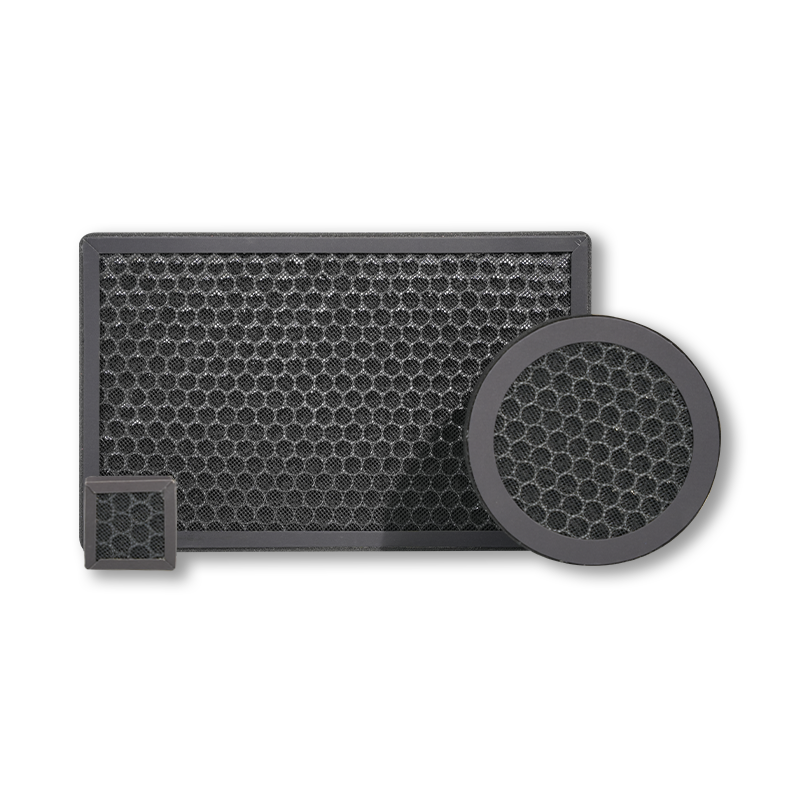
Adsorbs gases, smoke, and certain odors.
Stage 4: Photocatalyst Filter
Decomposes remaining VOCs, formaldehyde, odors, and organic contaminants.
This layered approach provides broader air purification while extending the service life of downstream filters.
Industrial Applications of HEPA and Photocatalyst Filters
HEPA Filter Applications
HEPA filters are widely used in environments requiring stringent particulate control, including:
- Hospitals
- Pharmaceutical manufacturing
- Electronics production
- Semiconductor cleanrooms
- Food processing facilities
- Biotechnology laboratories
- Aircraft cabin filtration
- Residential air purifiers
Photocatalyst Filter Applications
Photocatalyst technology is commonly applied where gaseous pollutants and odors are the primary concern, such as:
- Commercial kitchens
- Chemical plants
- Paint workshops
- Office buildings
- Hotels
- Public transportation systems
- Waste treatment facilities
- Residential ventilation systems
- Air conditioning units
How to Choose the Right Filter for Your Needs
Choose a HEPA Filter If:
- You suffer from allergies.
- Your main concern is dust or pollen.
- You want to reduce PM2.5 exposure.
- You need cleaner indoor air during wildfire or haze events.
- You require high-efficiency particulate removal.
Choose a Photocatalyst Filter If:
- Indoor odors are your biggest concern.
- You need to reduce VOC emissions.
- Newly renovated spaces contain formaldehyde.
- Chemical gases are present.
- Long-term odor control is required.
Choose a Combined System If:
Most indoor environments contain both particulate matter and gaseous pollutants. For homes, offices, hospitals, laboratories, and industrial facilities, combining HEPA filtration with activated carbon and photocatalyst technology delivers the most comprehensive air purification solution. Mechanical filters efficiently capture airborne particles, while photocatalytic oxidation breaks down harmful gases and persistent odors that physical filters cannot remove. This integrated approach improves overall indoor air quality and offers more balanced protection against a wide range of contaminants.
FAQ
Is a photocatalyst filter better than a HEPA filter?
Not necessarily. HEPA filters are superior for capturing airborne particles such as dust, pollen, and PM2.5, while photocatalyst filters are more effective at breaking down gases, VOCs, formaldehyde, and odors. The best choice depends on the pollutants you want to remove.
Can a HEPA filter remove formaldehyde?
No. Formaldehyde is a gaseous pollutant that passes through HEPA filter media. To reduce formaldehyde, an activated carbon filter or a photocatalyst filter is typically required.
Do photocatalyst filters need replacement?
The photocatalyst material itself generally has a long service life and does not become saturated like a HEPA filter. However, the catalyst surface should be kept clean, and the UV light source may require periodic replacement to maintain effective performance.
Why do many air purifiers use both HEPA and photocatalyst filters?
Because each technology targets different pollutants. HEPA filters capture solid particles, while photocatalyst filters decompose harmful gases and organic compounds. Combining them provides more comprehensive indoor air purification.
Are photocatalyst filters suitable for industrial applications?
Yes. Photocatalyst filters are widely used in industries where odor control and VOC reduction are important, including chemical processing, painting workshops, food production, commercial kitchens, and waste treatment facilities.