 English
 Español
 日本語
日本語
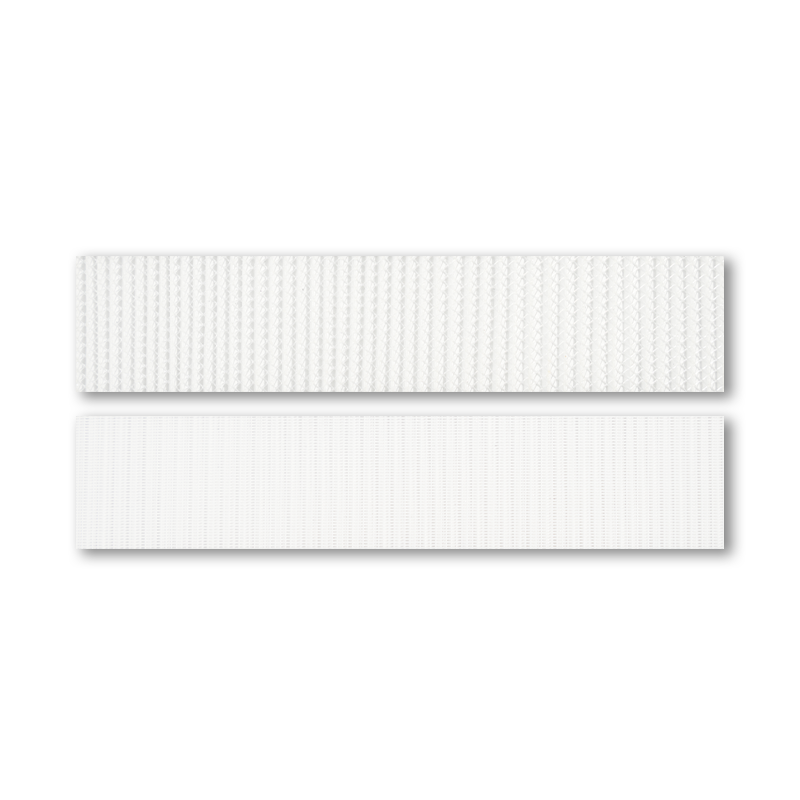
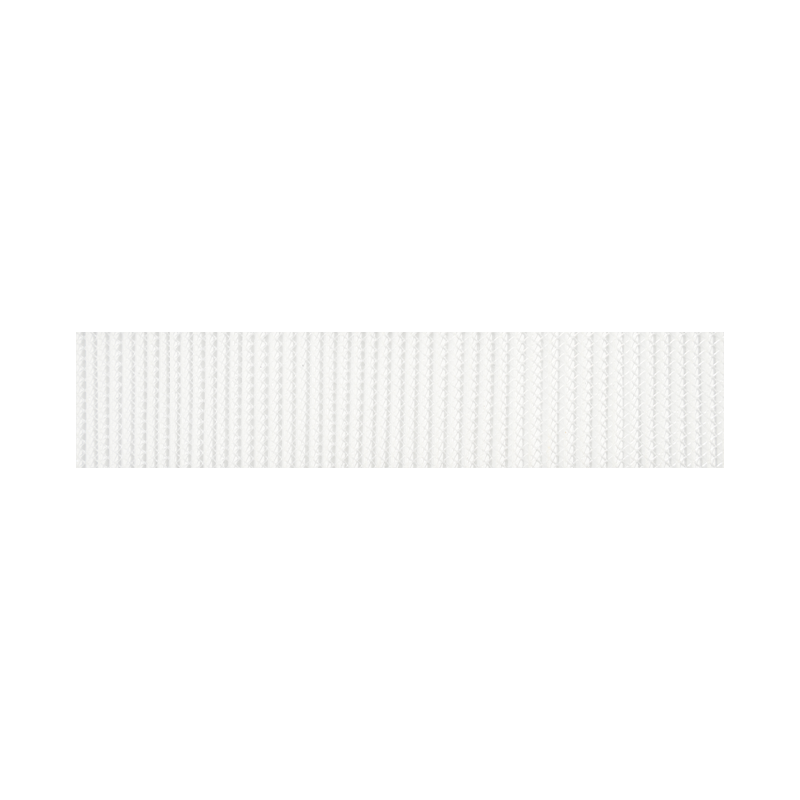

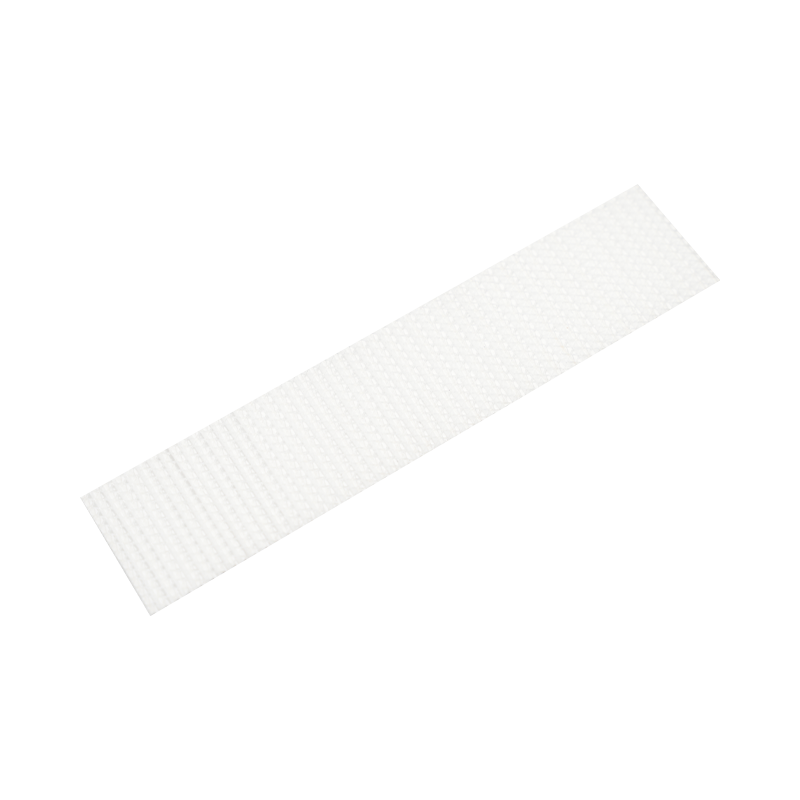

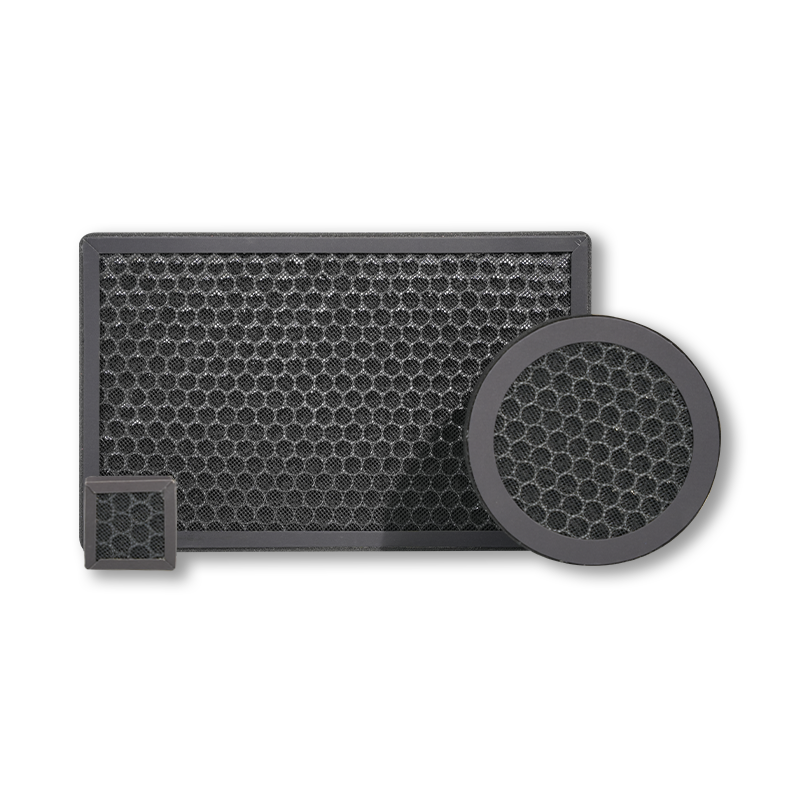
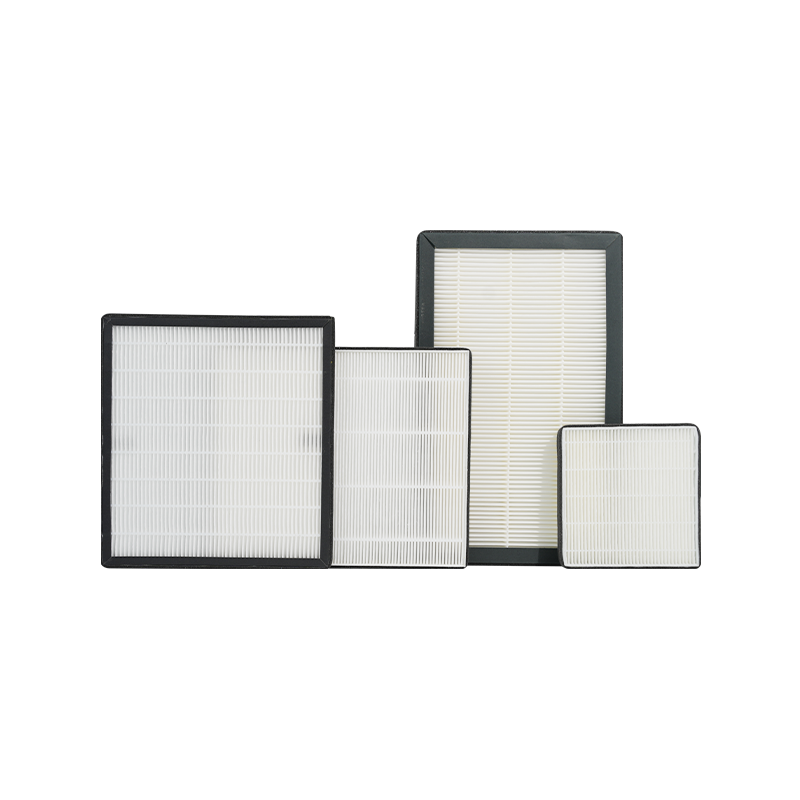
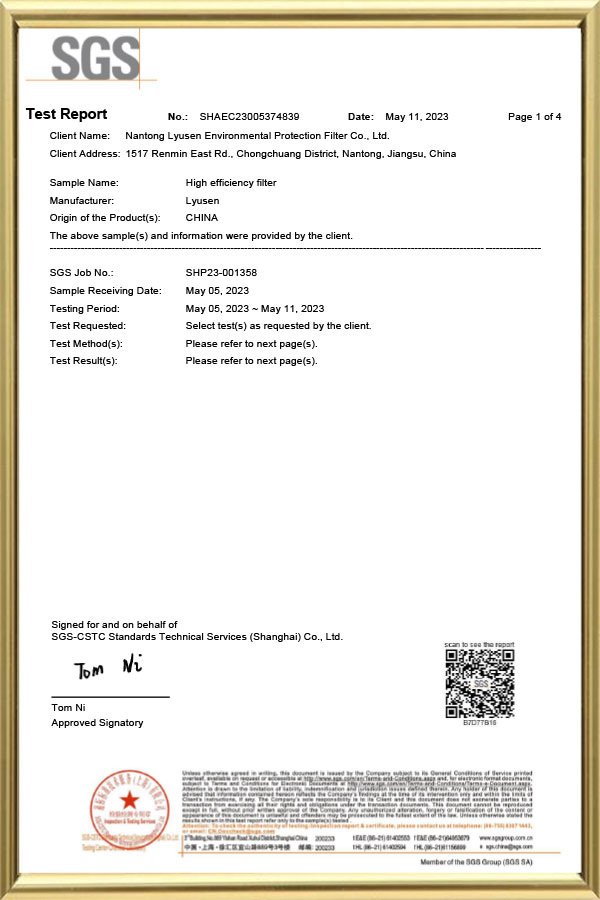
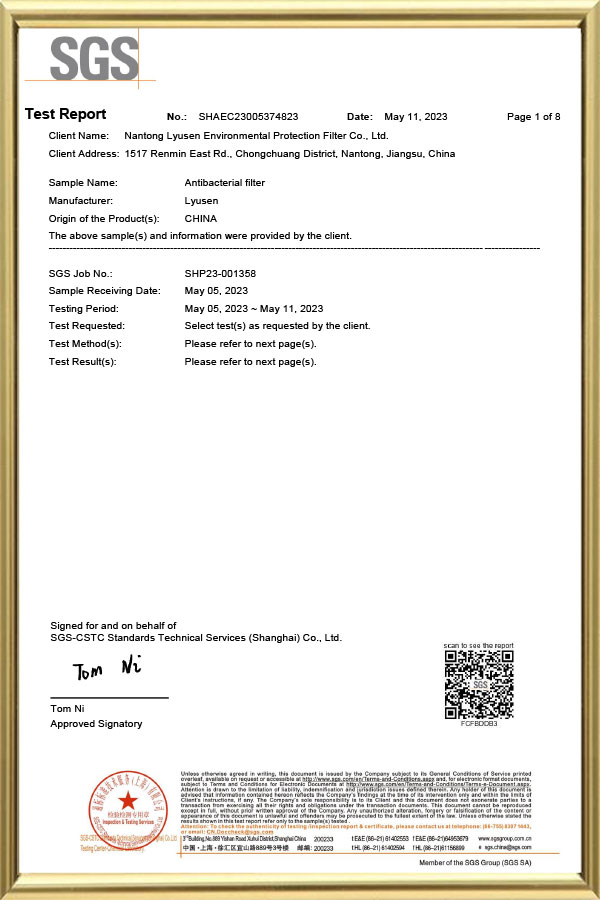
The composite lysozyme HEPA filter is a functional air filtration material that integrates lysozyme-based active components into high-efficiency HEPA filter media. It is designed to combine particulate filtration performance with additional bio-functional surface treatment.
Lysozyme is a naturally derived enzyme that can be incorporated into filter materials through specialized processing techniques. When applied to filtration media, it provides an additional functional layer that helps control microbial growth on the filter surface during operation, supporting improved hygiene conditions within air handling systems.
In addition to its functional coating, the HEPA filter layer maintains high-efficiency particle capture performance. It can effectively filter fine airborne particles such as dust, pollen, and other suspended matter while maintaining stable airflow resistance, making it suitable for continuous air purification applications.
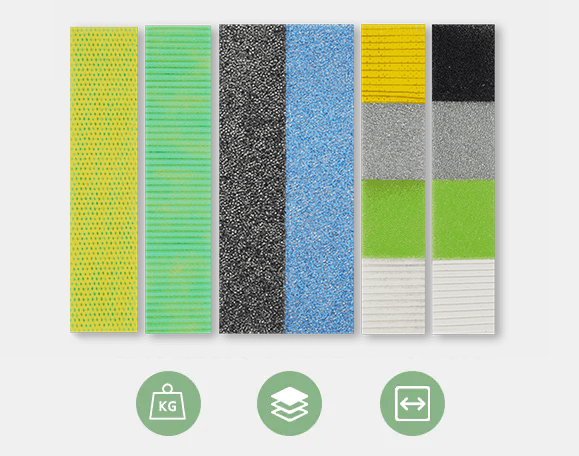
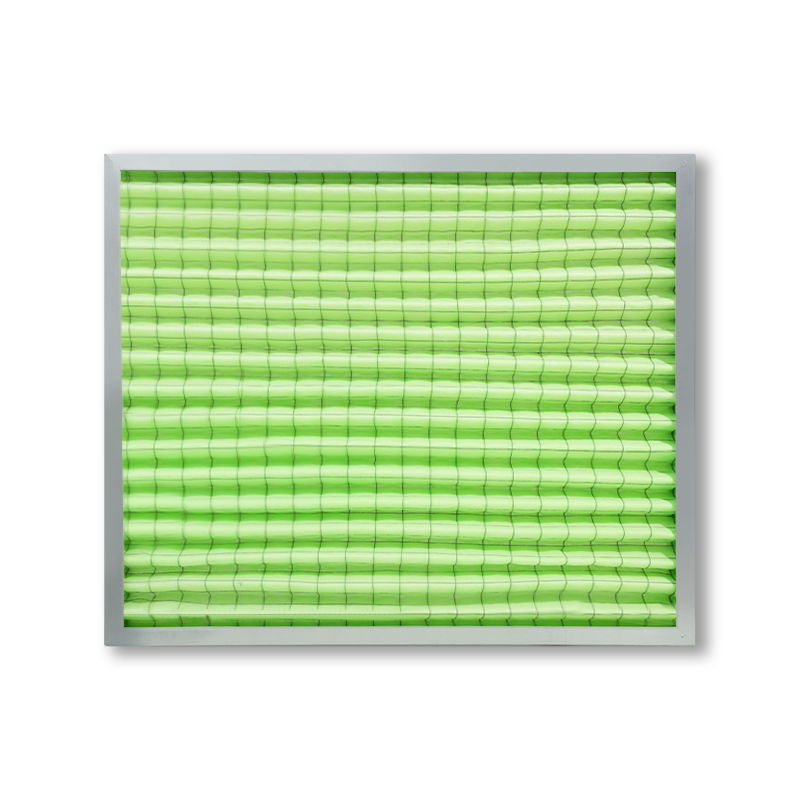
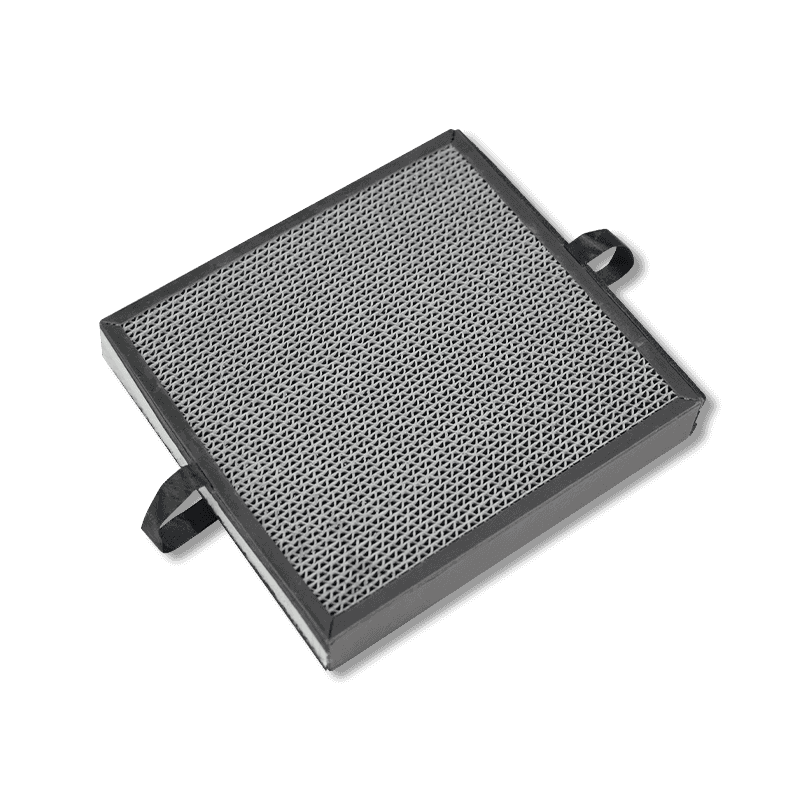
The composite structure allows the filter to be combined with other functional materials such as activated carbon layers or pre-filtration media, enabling multi-stage air treatment solutions that address both particulate filtration and surface microbial control.
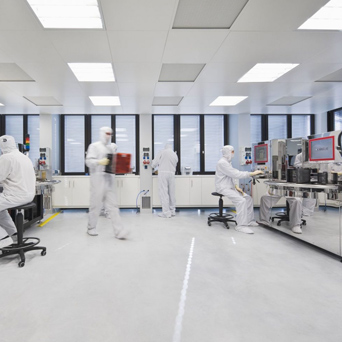
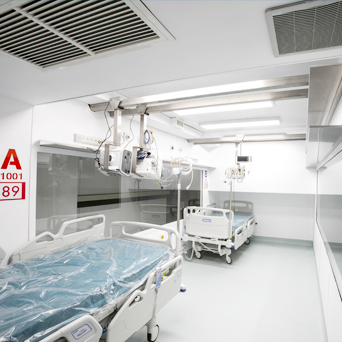
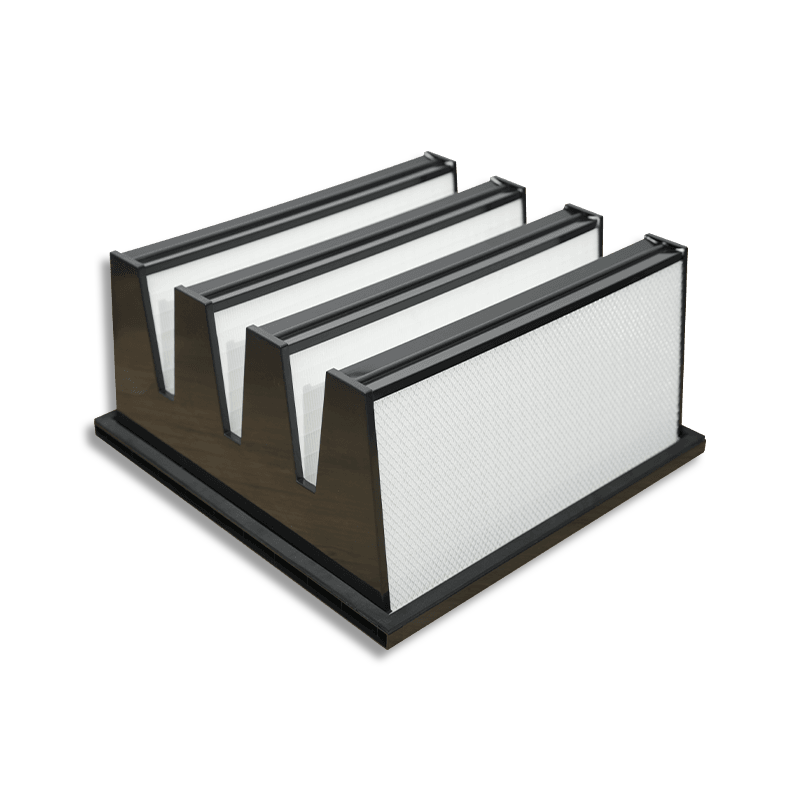
This type of filter is widely used in air purifiers, air conditioning systems, fresh air ventilation units, medical environments, laboratory facilities, and cleanroom applications where higher air quality standards are required. It can be customized in terms of structure, dimensions, and composite configurations to meet specific system requirements.
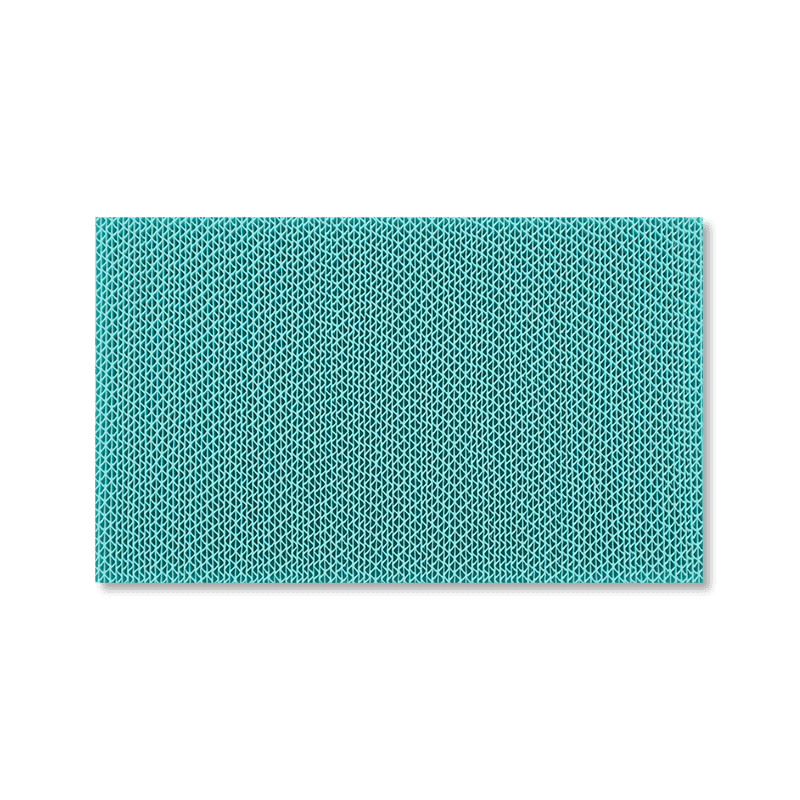
Paper-based photocatalyst and cold catalyst materials are functional air purification media that use paper-based substrates as the supporting carrier. These materials are designed for use in air treatment systems where catalytic functionality is integrated into lightweight and processable filter media.
Paper-based photocatalyst media is typically manufactured using paper materials as the base layer. The surface is coated with photocatalytic functional components that can be activated under UV light. When exposed to appropriate light conditions, the catalytic layer supports oxidation reactions that help break down certain gaseous pollutants in the air stream.