 English
 Español
 日本語
日本語
In industrial production, air pollution not only affects the working environment but also harms equipment and employee health. In high-temperature industrial environments, selecting the right filter material is crucial. This article explains the most efficient filter materials for high-temperature industrial air filtration, including activated carbon, catalyst filter materials, primary, medium, and high-efficiency filters, and other specialized materials.
Activated Carbon Filter Material
Overview of Activated Carbon Filters
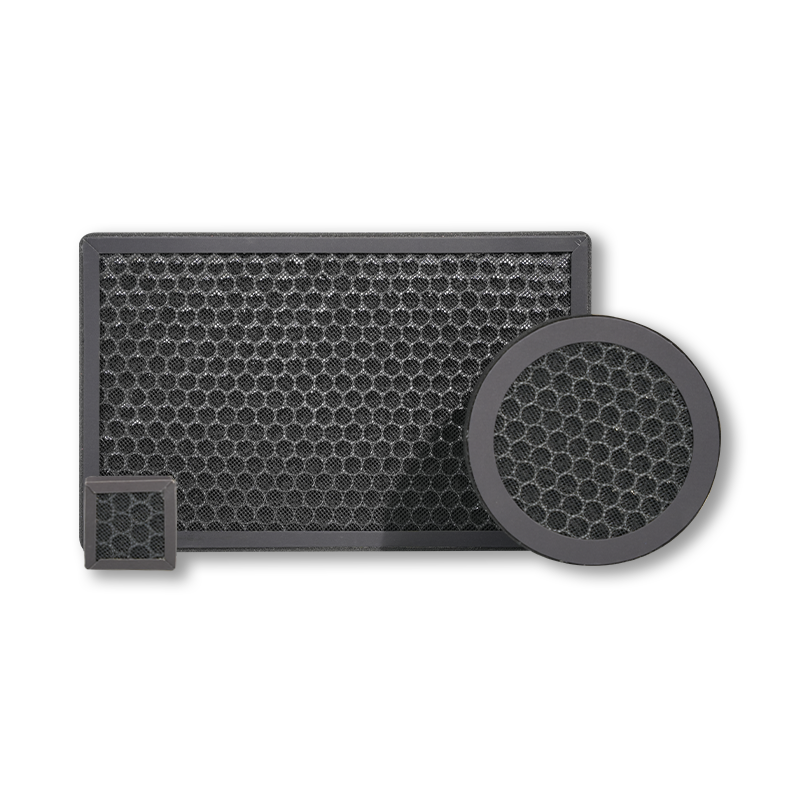
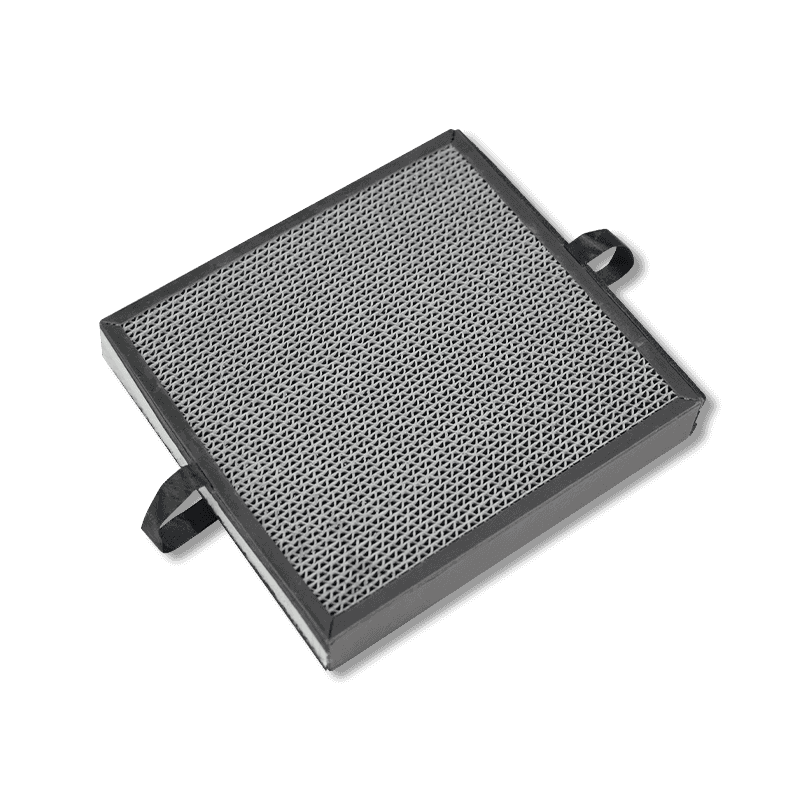
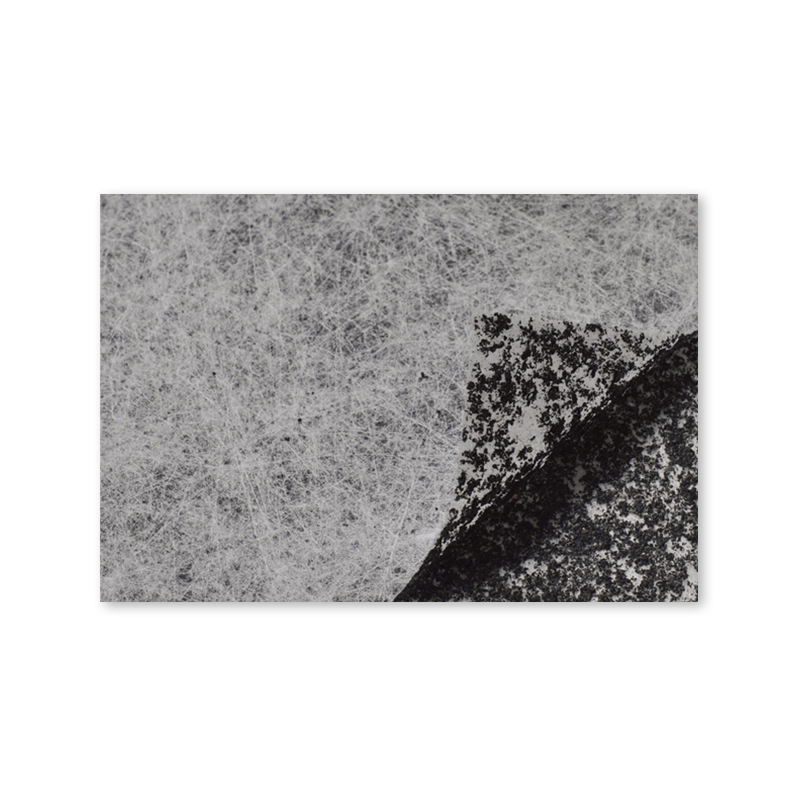
Activated carbon filters are widely used in industrial air filtration for their outstanding adsorption properties. They effectively remove volatile organic compounds (VOCs), odors, and chemical vapors. The porous structure of activated carbon provides a large surface area, capturing pollutants even at high airflow rates. Industries like chemical manufacturing, metal processing, and petroleum refining often rely on activated carbon filters to maintain air quality and protect downstream equipment.
High-Temperature Performance
Standard activated carbon may degrade at high temperatures, but high-temperature activated carbon filters are specially treated to withstand up to 300°C without losing efficiency. This ensures stable performance in hot air streams, making them ideal for industrial exhaust systems, fume collection, and VOC removal.
Advantages and Limitations
- Advantages:High adsorption capacity, chemical resistance, broad applicability.
- Limitations:Requires regular replacement; can saturate quickly in heavily polluted air.
|
Property |
Typical Value |
|
Temperature Resistance |
Up to 300°C (high-temp type) |
|
Application |
VOC removal, odor control, chemical filtration |
|
Service Life |
6–12 months depending on environment |
Catalyst Filter Materials
Overview
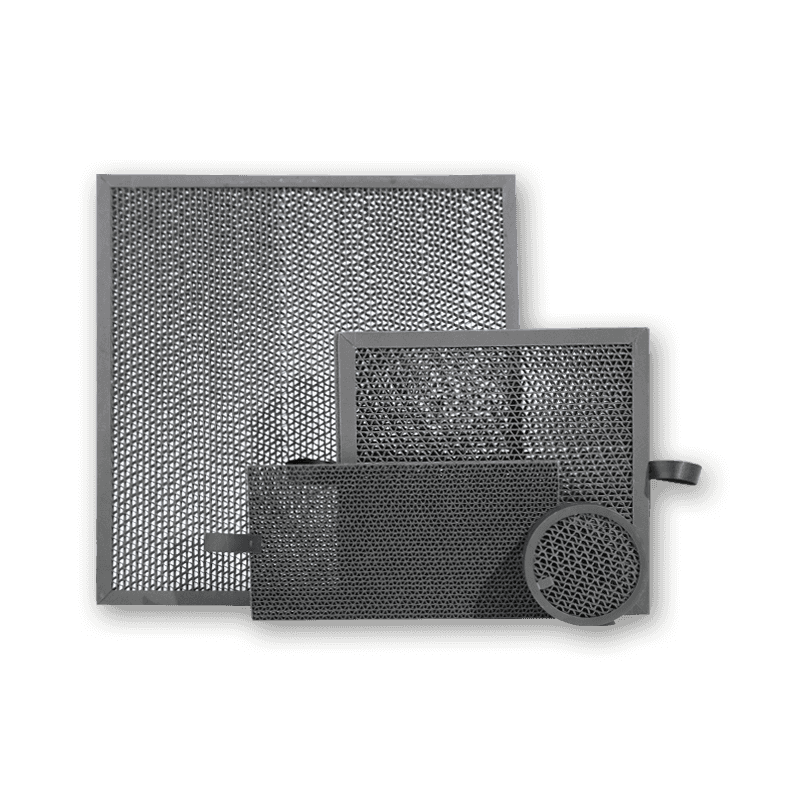
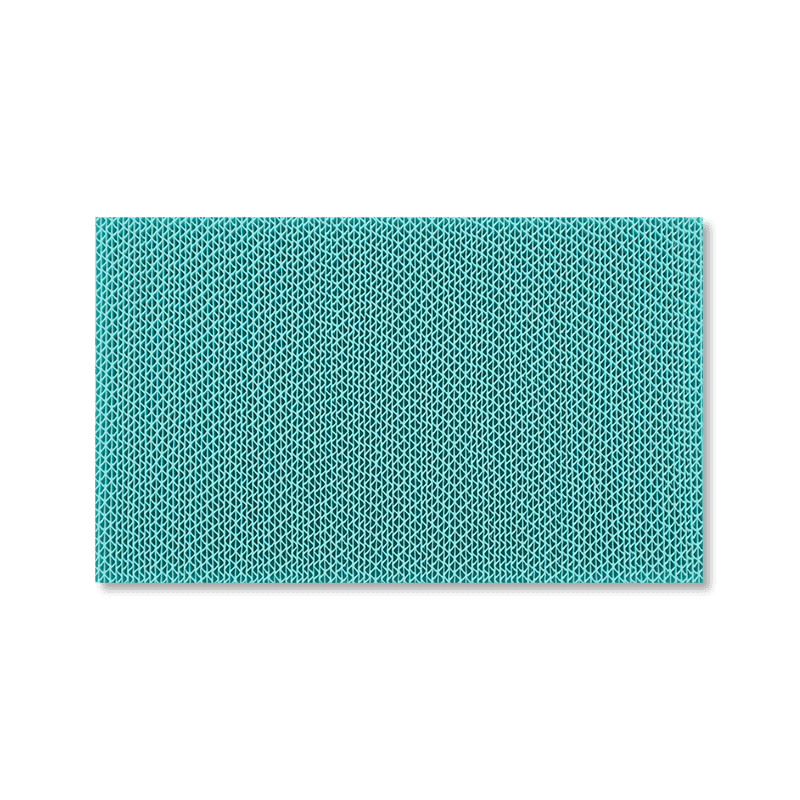
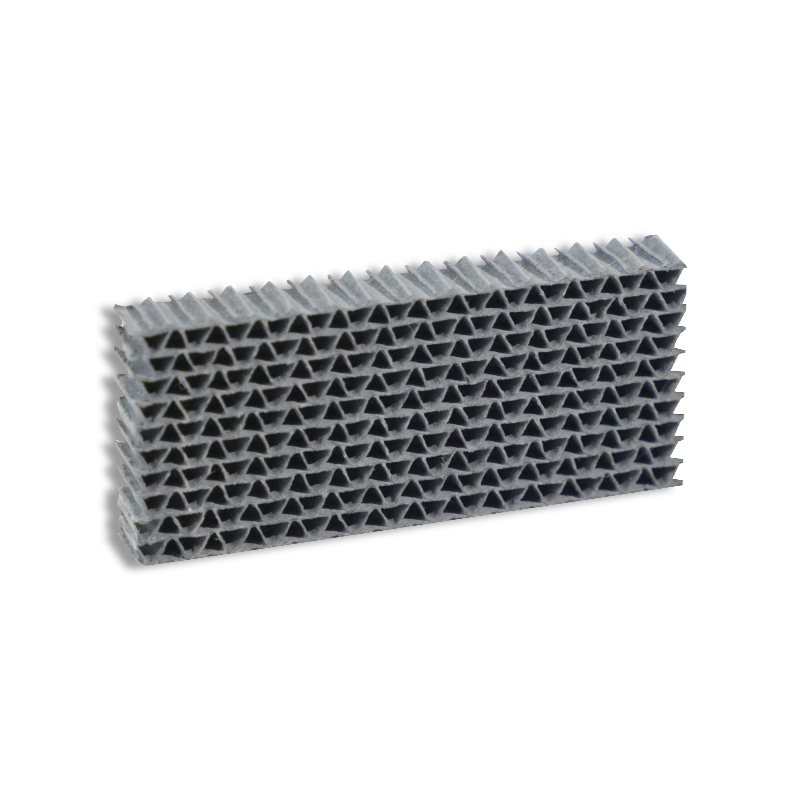
Catalyst filter materials accelerate chemical reactions to neutralize harmful gases or convert them into less hazardous substances. Common industrial catalysts include platinum, palladium, and titanium dioxide, which oxidize or reduce pollutants in hot air streams.
High-Temperature Performance
Catalyst filters operate effectively in 300–500°C environments. They resist thermal shock and corrosion, making them suitable for harsh industries like metal smelting, chemical production, and power generation. By converting pollutants such as CO, NOx, and hydrocarbons into harmless products, they improve air quality and help meet environmental regulations.
Advantages and Limitations
- Advantages:High gas removal efficiency, durability, environmentally friendly.
- Limitations:Higher initial cost, requires controlled operating temperature for best performance.
|
Property |
Typical Value |
|
Temperature Range |
300–500°C |
|
Application |
Gas oxidation, NOx reduction, VOC treatment |
|
Lifetime |
1–3 years depending on process |
Primary, Medium, and High-Efficiency Filter Materials
Primary Filters
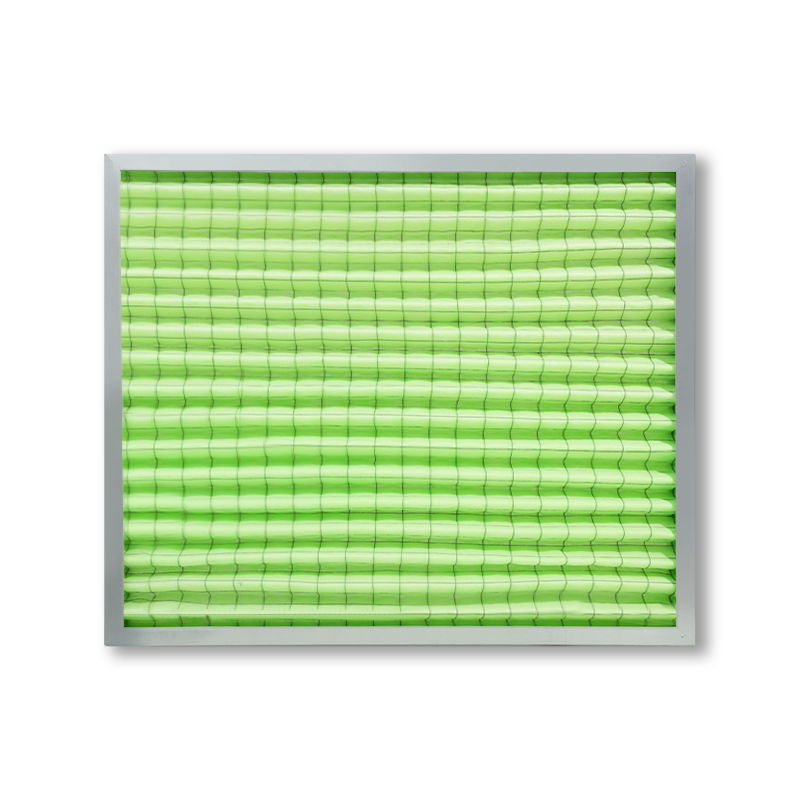
Primary filters act as the first line of defense, capturing large dust, debris, and particulate matter. Metal mesh or fiberglass-based primary filters are preferred for high-temperature applications due to their thermal stability.
Medium-Efficiency Filters
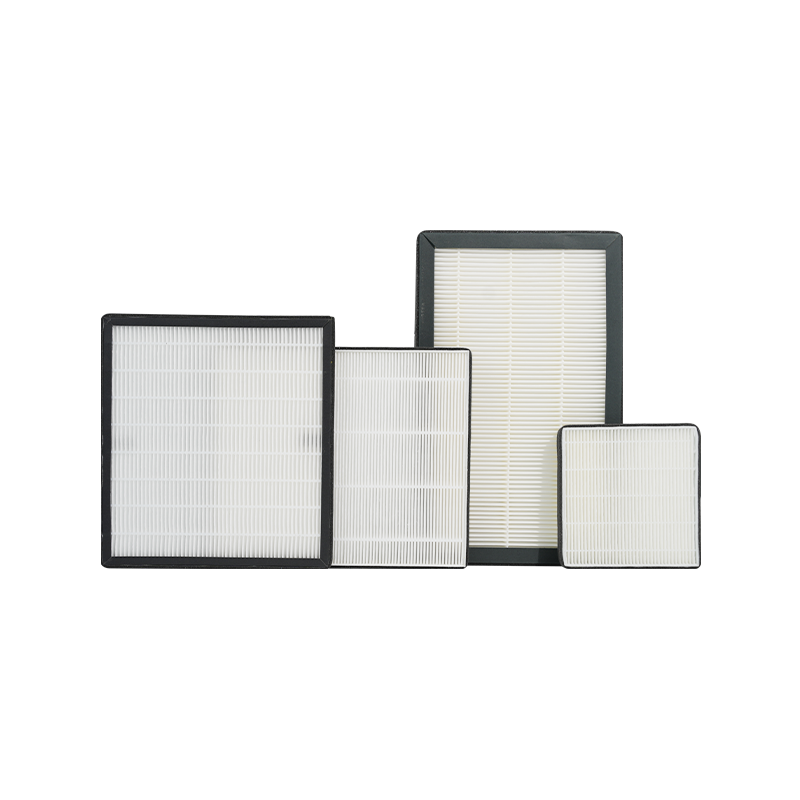
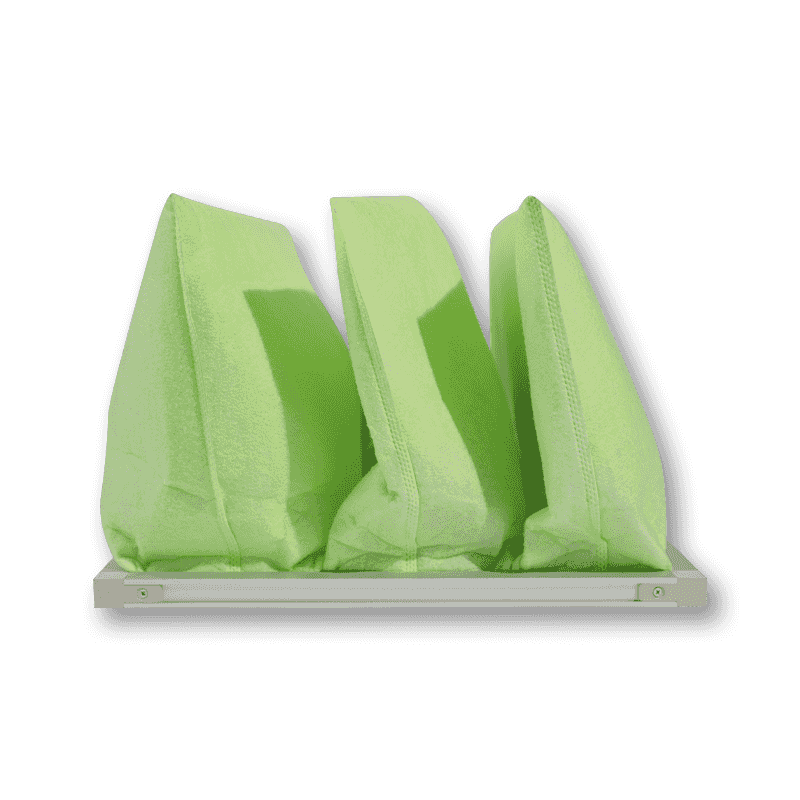
Medium-efficiency filters capture particles 1–10 microns in size and are typically made of pleated fiberglass, polyester, or nonwoven fabrics. They balance airflow resistance and filtration efficiency, providing essential pre-treatment before high-efficiency filters.
High-Efficiency Filters (HEPA, ULPA)
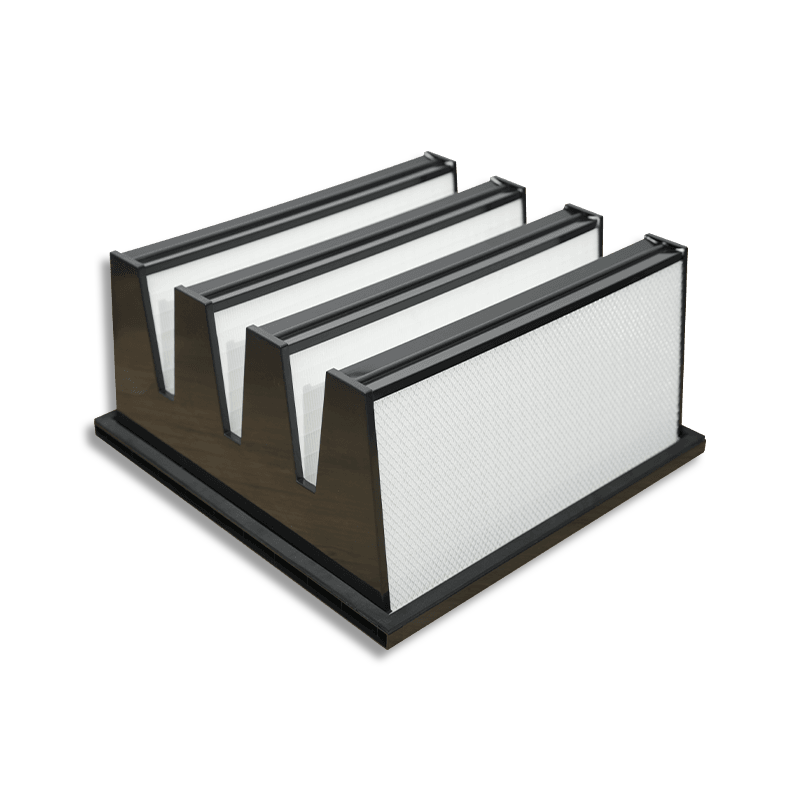
High-efficiency filters capture ultrafine particles, including smoke and bacteria smaller than 0.3 microns. High-temperature fiberglass or ceramic HEPA filters are recommended for industrial systems, ensuring maximum air quality and system protection.
|
Filter Type |
Particle Capture |
Temperature Resistance |
|
Primary |
>10 µm |
150–250°C |
|
Medium |
1–10 µm |
200–300°C |
|
High-Efficiency |
0.3 µm+ |
250–350°C |
Other High-Temperature Filter Materials
Specialized Media
Other high-temperature filters include ceramic fiber mats, sintered metal filters, and PTFE-coated fabrics.
- Ceramic fiber:Handles up to 1000°C, ideal for ultra-fine particulate filtration in cement, steel, or chemical industries.
- Sintered metal:Reusable, strong, withstands up to 600°C, excellent for industrial dust collection.
- PTFE-coated fabric:Chemically resistant, suitable for hot air streams, up to 260°C.
Advantages
Durability, chemical resistance, and reusability make these filters indispensable for niche high-temperature applications. Often used in combination with primary and medium filters, they provide comprehensive industrial air filtration solutions.
|
Material |
Temperature Range |
Best Use |
|
Ceramic Fiber |
Up to 1000°C |
Ultra-fine particle filtration |
|
Sintered Metal |
Up to 600°C |
Reusable industrial dust collection |
|
PTFE-Coated Fabric |
Up to 260°C |
Chemical-resistant hot air filtration |
Choosing the Most Efficient Filter Material
Selecting the right filter material depends on temperature tolerance, particle size, chemical resistance, and air flow requirements. For comprehensive high-temperature industrial air filtration, an optimal system often combines:
- Primary filters for large particles
- Medium-efficiency filters for fine particulates
- High-efficiency HEPA/ULPA filters for ultrafine dust
- Activated carbon or catalyst filters for gaseous pollutants
FAQ
- Q:What temperature can activated carbon filters withstand?
A: High-temperature activated carbon filters can operate up to 300°C. - Q:Can catalyst filters handle chemical fumes at high temperatures?
A: Yes, they can operate efficiently between 300–500°C, neutralizing harmful gases. - Q:Which filter is best for ultrafine particles in hot air?
A: High-temperature HEPA or ceramic filters are most efficient. - Q:Are sintered metal filters reusable?
A: Yes, they are durable and can be cleaned and reused multiple times.