 English
 Español
 日本語
日本語
Components of a Combination Air Filter
A combination air filter typically consists of multiple different filtration technologies, each designed to address a specific type of airborne pollutant. The main components include:
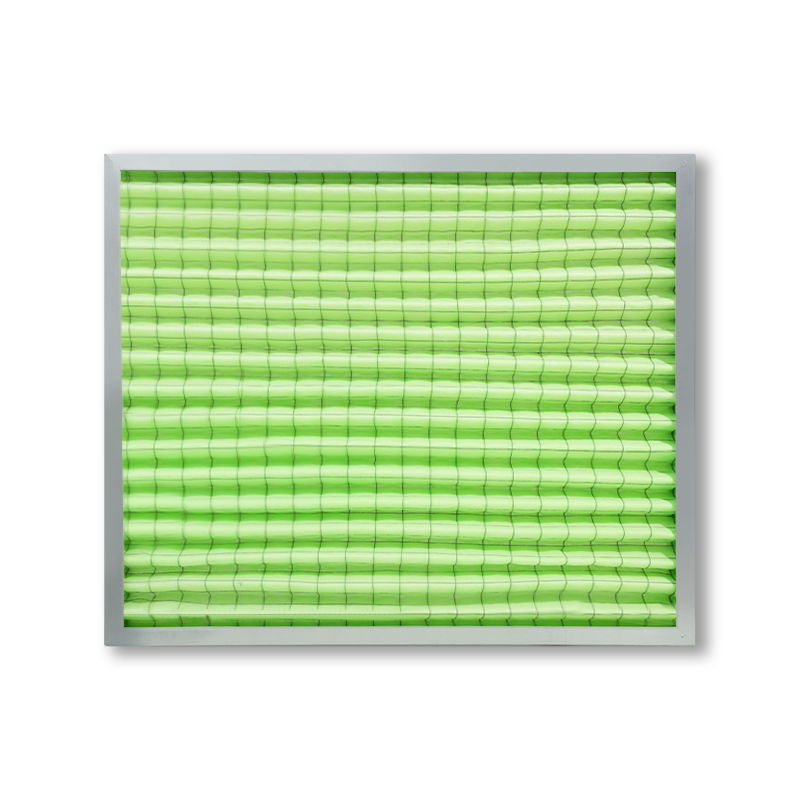
Pre-filter: This is the first line of defense in a combination filter, often made from coarser materials such as nylon or polyester fibers. Its primary function is to capture larger particles, such as dust, hair, and pet dander. By removing these larger particles before they reach finer filters, the pre-filter reduces the load on subsequent filtration stages and extends the lifespan of the entire system.
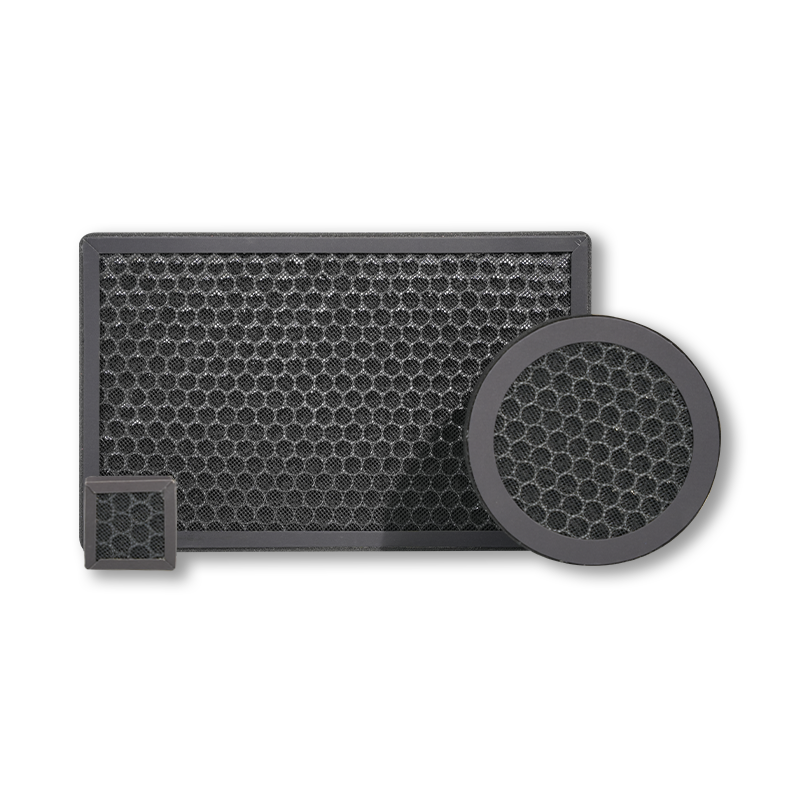
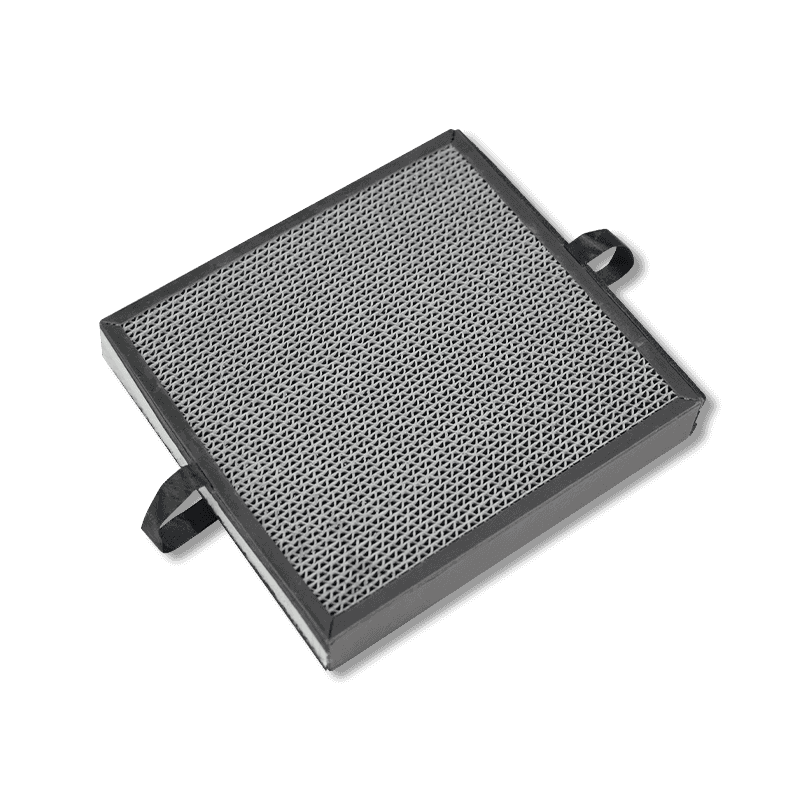
Activated Carbon Filter: Activated carbon removes gases, odors, and harmful chemicals from the air through a process of adsorption and chemical reaction. The porous surface of activated carbon interacts with volatile organic compounds (VOCs), smoke, cooking odors, and other pollutants, trapping them and preventing them from circulating in the air.
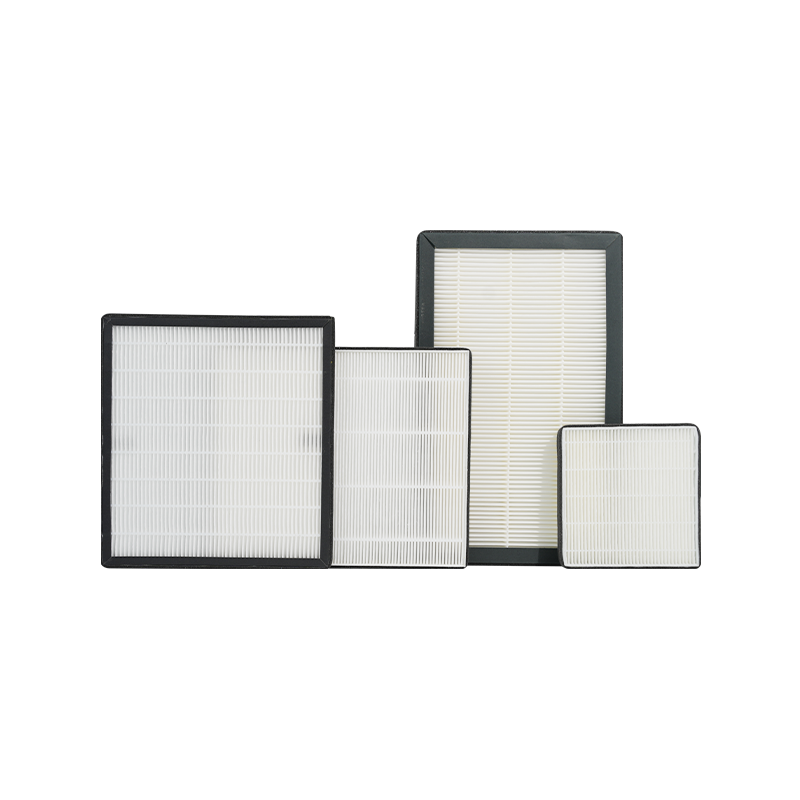
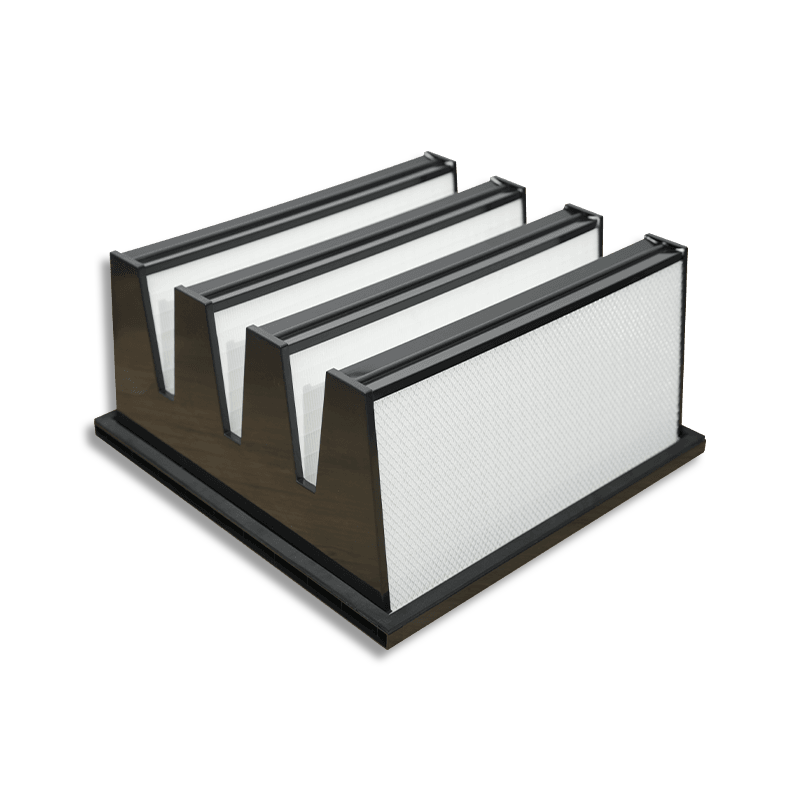
HEPA Filter (High-Efficiency Particulate Air): The HEPA filter is a fine filtration layer designed to capture particles larger than 0.3 microns in diameter. Common pollutants that HEPA filters capture include pollen, dust mites, pet dander, smoke, and even bacteria and viruses. HEPA filters provide a filtration efficiency of up to 99.97%, effectively removing nearly all microscopic particles from the air.
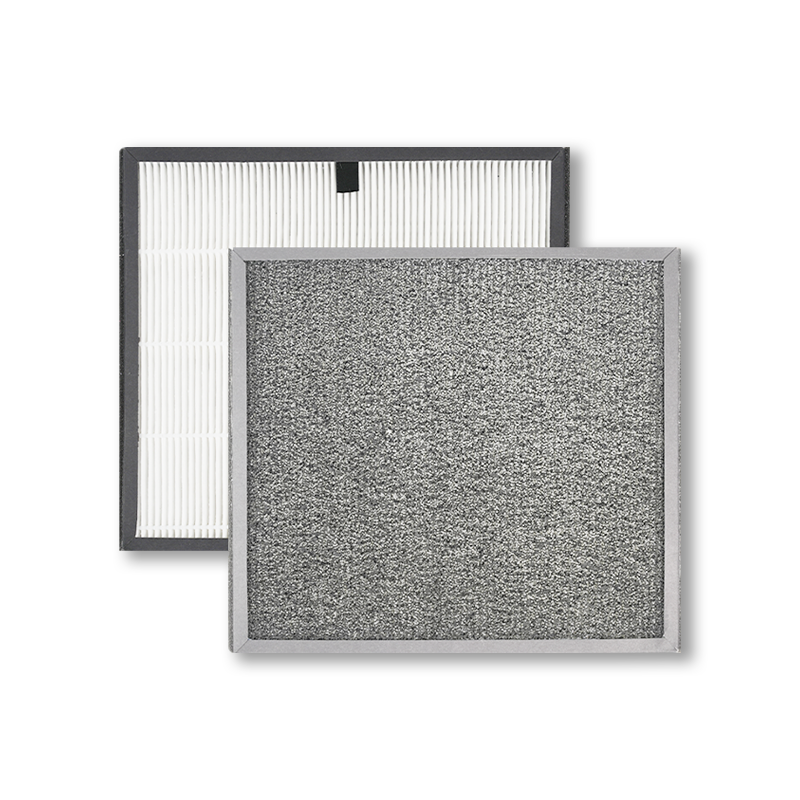
By combining these various filtration methods, combination air filters can handle a wider range of pollutants, providing a more comprehensive air purification solution.
Why Is a Combination Air Filter More Efficient Than Single-Stage Filters?
Multi-Stage Filtration: A single-stage filter typically uses just one filtration method to address a specific type of pollutant. For example, a HEPA filter is excellent at removing particulate matter, but it is not effective at capturing gases or odors. An activated carbon filter can absorb gases and odors but doesn’t capture fine particles well. A combination filter, on the other hand, uses multiple filtration stages to address various pollutants simultaneously, greatly enhancing overall air quality. Each stage serves a unique function, working together to improve air purification.
Higher Air Quality: Combination air filters are capable of addressing a broader spectrum of pollutants, providing cleaner air. For instance, in homes with pets, smokers, or cooking odors, a single-stage filter may not be effective at removing all contaminants. A combination filter not only captures fine dust particles but also eliminates pet dander, cooking odors, and even harmful VOCs. This multi-layered approach ensures that the air quality is significantly improved, making it ideal for environments with multiple pollution sources.
Better Health Protection: Since combination filters can effectively remove bacteria, viruses, allergens, and other tiny particles, they provide enhanced protection for respiratory health. This is particularly important for individuals with respiratory conditions, allergies, or weakened immune systems. A HEPA filter captures most allergens like pollen and dust, while UV-C lights can kill airborne pathogens, preventing the spread of bacteria and viruses.
Effective Performance in Various Environments: Combination filters are highly efficient not only in home environments but also in industrial, commercial, and medical settings. These environments tend to have a variety of pollutants, such as bacteria, viruses, and VOCs in hospitals, or smoke and dust in office settings. A combination filter can effectively handle these complex air quality issues, ensuring that air quality standards are met and safeguarding the health of staff and patients.