 English
 Español
 日本語
日本語
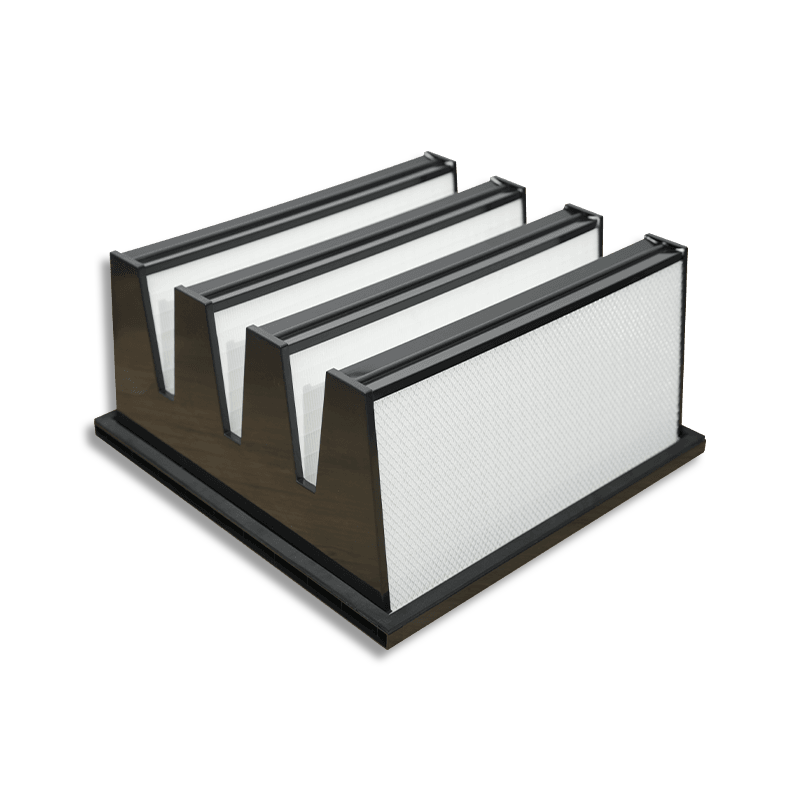
In HVAC systems, air filtration plays a critical role in maintaining indoor air quality, protecting equipment, and ensuring energy efficiency. The primary filter mesh, also known as a pre-filter, is the first line of defense in any air handling unit. While high-efficiency filters like HEPA remove ultrafine particles, the primary filter mesh captures larger particles, which prevents premature clogging of downstream filters and reduces the strain on fans and coils.
Understanding Primary Filter Mesh
Definition and Purpose
A primary filter mesh is the initial filtration layer in HVAC systems, designed specifically to capture large airborne particles such as dust, lint, pollen, and debris. Unlike high-efficiency filters, it is not intended to remove ultrafine particles. Its main purpose is to protect downstream filters and HVAC components from excessive wear and premature failure. By intercepting these larger contaminants early, the primary filter mesh ensures that medium and high-efficiency filters last longer and operate more efficiently. This protective function is especially important in industrial, commercial, and high-dust environments, where air contamination levels can be significant.

Materials and Construction
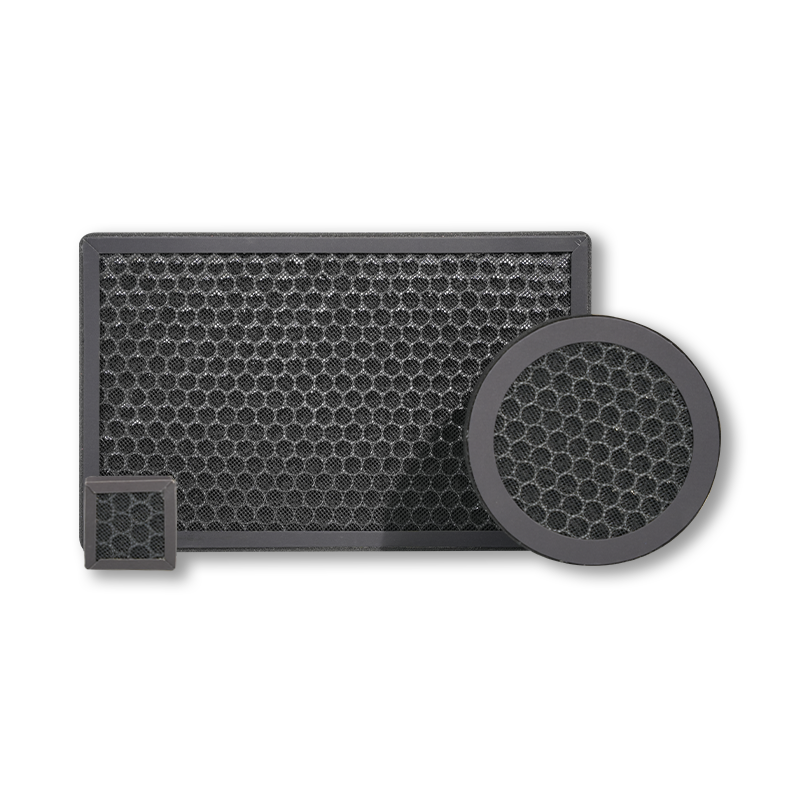
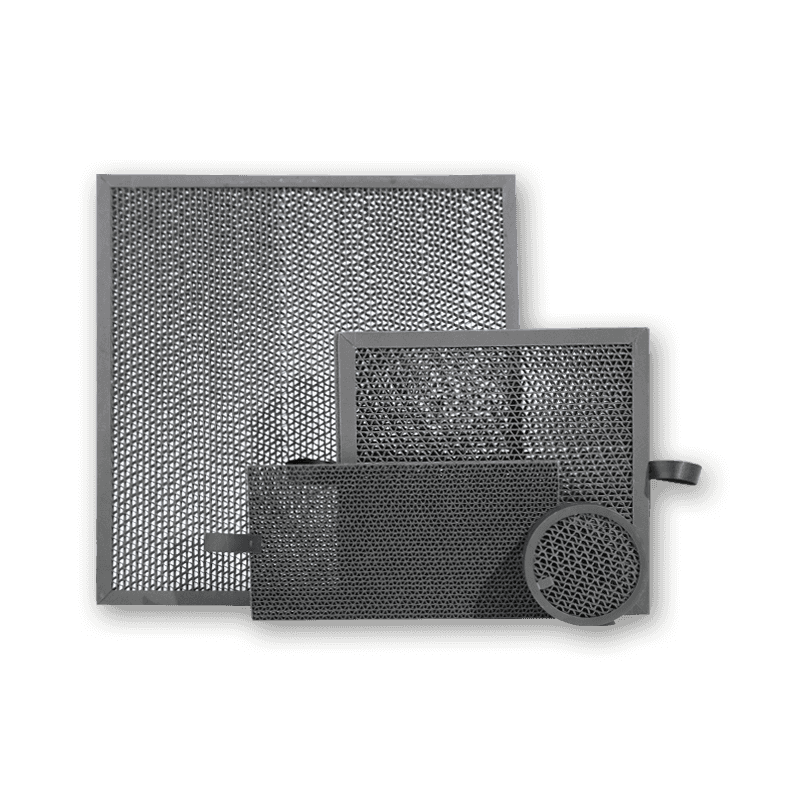
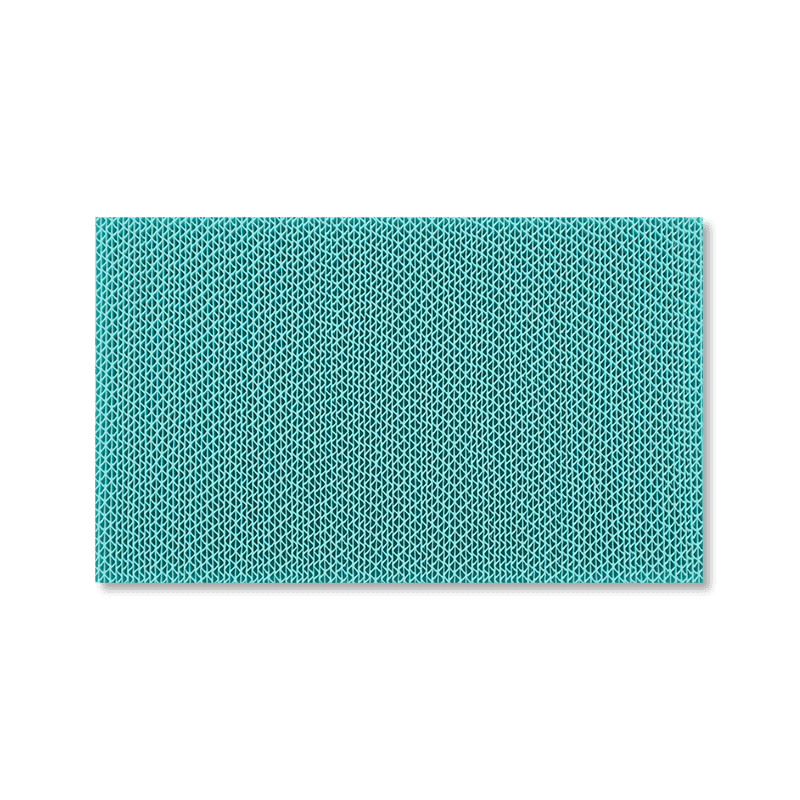
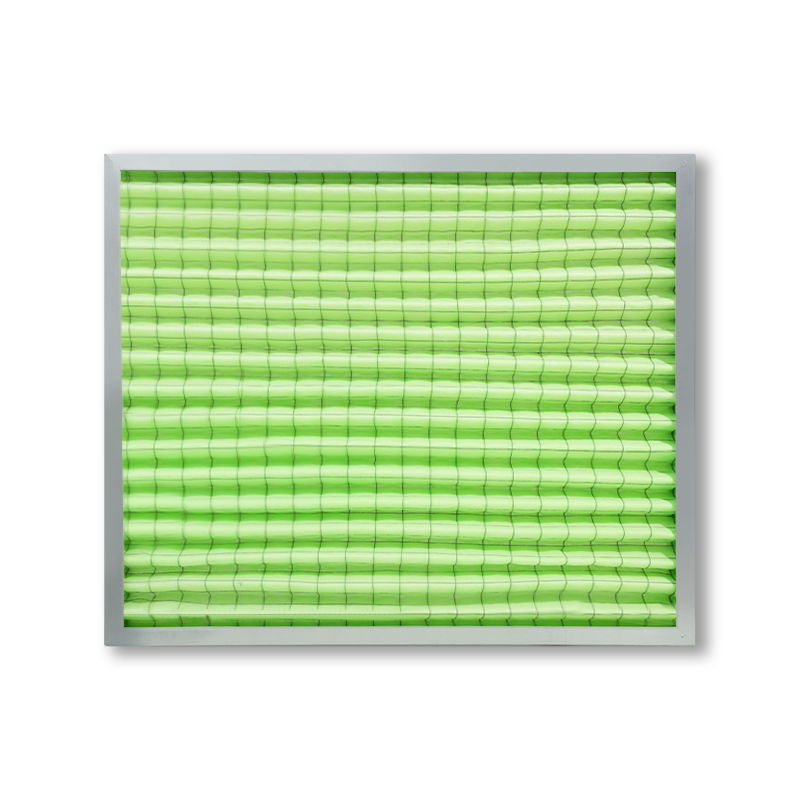
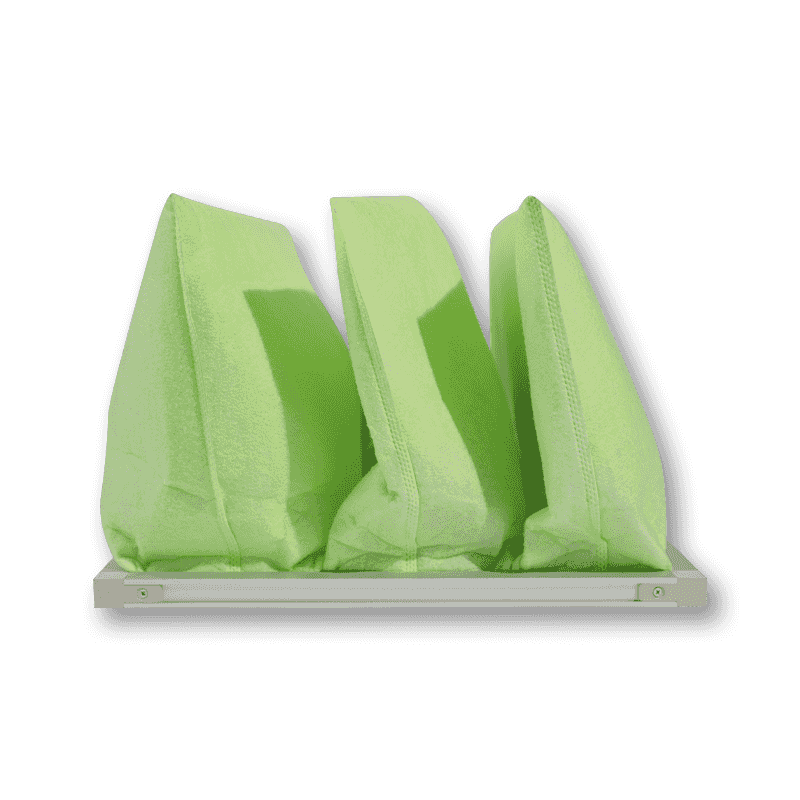
Primary filter meshes are typically made from robust materials that balance durability and filtration efficiency. Common materials include aluminum mesh, stainless steel mesh, synthetic fibers such as polyester or polypropylene, and non-woven fabrics. The filter may be pleated or layered to increase surface area, enhancing its particle-holding capacity without significantly increasing airflow resistance. Metal meshes are often used in industrial applications due to their ability to withstand high airflow and repeated cleaning cycles, while fiber-based disposable meshes are common in commercial and residential settings due to their low cost and ease of replacement.
Key Features
- Captures large particles efficiently before they reach sensitive filters.
- Durable materials suitable for high airflow and industrial conditions.
- Surface area optimized for minimal pressure drop while maintaining filtration.
- Various designs: pleated, layered, or flat mesh depending on application.
Why Primary Filter Mesh is Essential for HVAC Longevity
Protects Downstream Filters
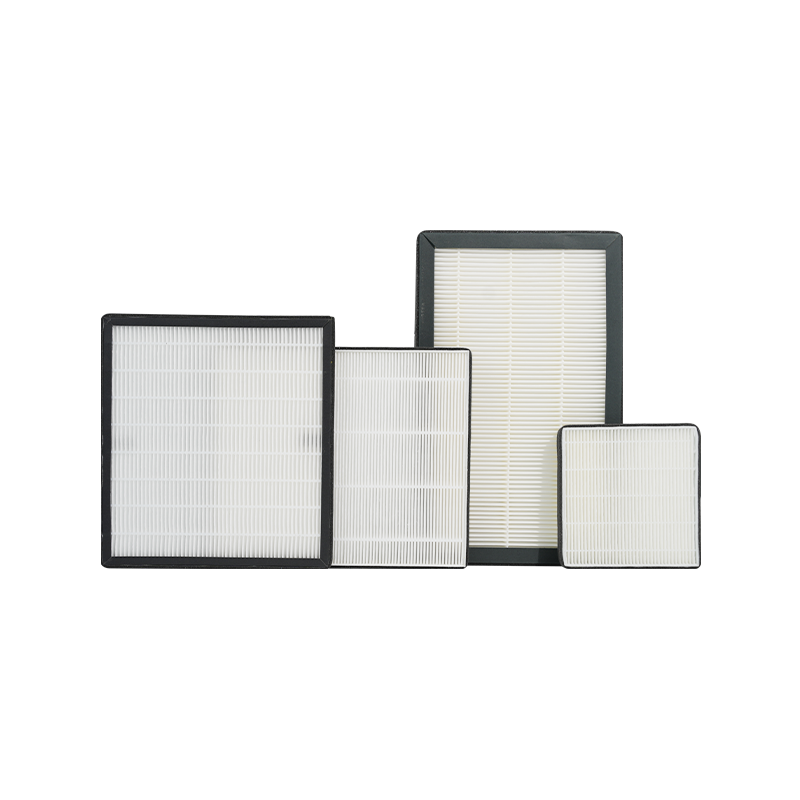
The primary filter mesh is essential for safeguarding medium and high-efficiency filters from early clogging. Without a pre-filter, finer filters like HEPA would quickly become loaded with dust and debris, significantly increasing pressure drop and forcing fans to work harder. This can lead to higher energy consumption and faster wear on the system. By capturing most large particles at the first stage, the primary filter mesh extends the lifespan of more expensive downstream filters, reducing maintenance frequency and overall operational costs. This protective function is especially critical in environments with high dust, chemical particulate, or construction debris.
Reduces System Wear and Mechanical Stress
Large airborne particles that bypass the primary filter mesh can accumulate on fans, coils, ductwork, and other HVAC components. This accumulation can reduce heat exchange efficiency, cause airflow imbalances, and increase mechanical stress on moving parts. Over time, these factors may result in fan motor failures, coil corrosion, and energy inefficiency. The primary filter mesh acts as a barrier, preventing large particles from causing mechanical wear and tear, ensuring smoother operation and extending the operational lifespan of HVAC equipment.
Energy Efficiency Benefits
When a primary filter mesh is effectively removing large particles, the air passes through the system with less resistance, minimizing the pressure drop across the HVAC unit. This allows fans to operate at lower speeds, consuming less energy and reducing electricity costs. In contrast, clogged downstream filters increase resistance, forcing the system to expend more energy to maintain airflow, which also accelerates wear on fans and motors. Therefore, a well-maintained primary filter mesh directly contributes to energy efficiency and cost savings over the long term.
Types of Primary Filter Mesh and Applications
Reusable Metal Mesh Filters
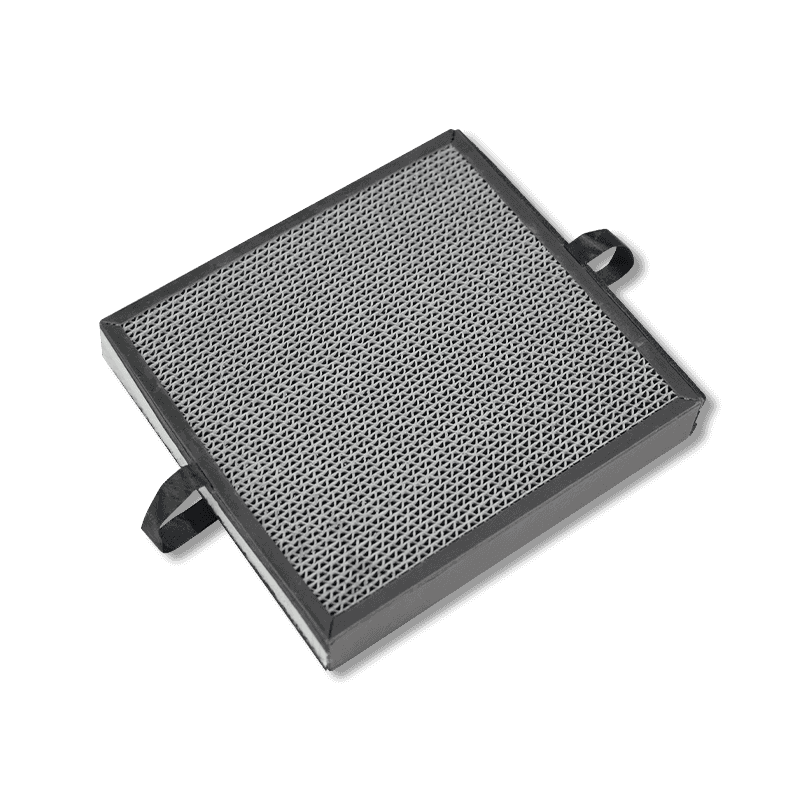
Reusable metal mesh filters are typically made from aluminum or stainless steel and are designed for industrial HVAC systems. These filters can be cleaned and reused multiple times, making them suitable for environments with high dust loads or heavy particulate matter. Their durability and corrosion resistance make them ideal for factories, warehouses, and power plants where air contamination levels are significant. The ability to wash and reuse these filters reduces operational costs and extends the life of downstream filters.
Disposable Fiber Mesh Filters
Disposable fiber mesh filters are made from polyester, polypropylene, or non-woven fabrics. They are widely used in commercial buildings, offices, and residential HVAC systems. While they are not reusable, they provide effective pre-filtration at a low upfront cost. Regular replacement according to manufacturer guidelines is essential to prevent pressure drop increases and maintain system efficiency. Fiber mesh filters are lightweight, easy to install, and provide reliable protection for more sensitive downstream filters.
Comparison Table
|
Filter Type |
Material |
Reusability |
Best Application |
|
Metal Mesh |
Aluminum, Stainless Steel |
Yes, washable |
Industrial HVAC, high dust environments |
|
Fiber Mesh |
Polyester, Non-woven |
No, disposable |
Commercial and residential HVAC |
Maintenance Tips for Primary Filter Mesh
Regular Cleaning and Replacement
Maintaining a primary filter mesh is crucial for system longevity. Reusable metal mesh filters should be washed and dried every 1–3 months, depending on the dust load. Disposable fiber mesh filters should be replaced according to the manufacturer’s recommendations to prevent clogging and excessive pressure drop. Regular maintenance ensures that the filter continues to protect downstream components and maintain airflow efficiency.
Inspection Procedures
Operators should inspect primary filters regularly for signs of damage, such as holes, tears, or deformation. Inspecting the filter frame for warping or corrosion is also important, especially in humid or industrial environments. Proper inspection helps ensure that the filter maintains its structural integrity and filtration performance, avoiding unplanned system downtime or increased operational costs.
Optimizing Cost and Efficiency
Investing in high-quality primary filter meshes, whether reusable or disposable, can reduce the frequency of replacement for downstream filters and improve system energy efficiency. Clean, properly maintained filters minimize fan energy consumption, prevent pressure drop buildup, and extend HVAC equipment life. This makes the primary filter mesh not just a protective layer but a cost-saving component of long-term system performance.
The primary filter mesh is an indispensable component of any HVAC system. By capturing large particles, it protects downstream filters, reduces mechanical wear, maintains energy efficiency, and prolongs system lifespan. Understanding the materials, maintenance practices, and applications of primary filter meshes allows HVAC operators to optimize air quality, reduce operating costs, and ensure long-term reliability in both industrial and commercial environments. Properly selected and maintained primary filter meshes are foundational to HVAC longevity.