 English
 Español
 日本語
日本語
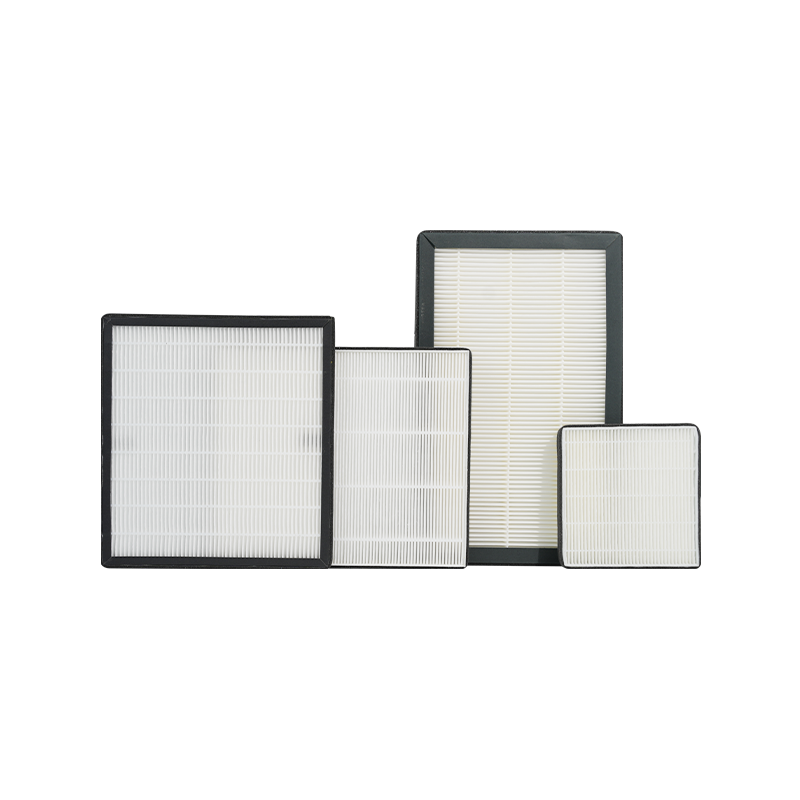
HEPA filters are widely used in HVAC systems, cleanrooms, hospitals, and industrial environments for their ability to capture ultrafine particles and maintain high indoor air quality. A primary filter mesh, also known as a pre-filter, is a vital first layer in air filtration that protects HEPA filters from premature clogging.
Understanding Primary Filter Mesh
Definition and Purpose
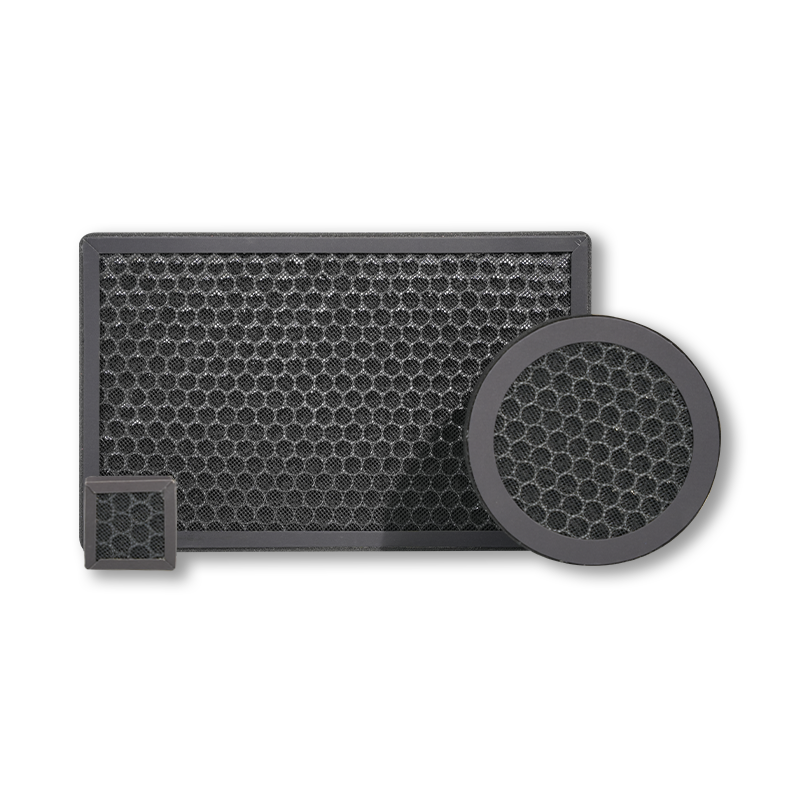
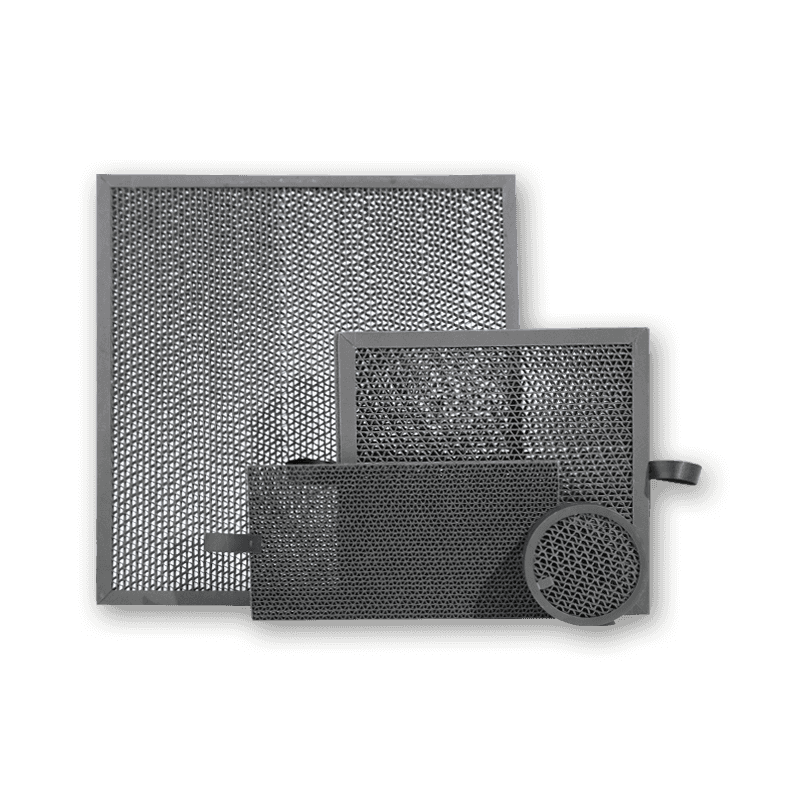
A primary filter mesh is the first stage of filtration in HVAC and industrial air handling systems. Its primary function is to capture large particles—such as dust, lint, hair, and pollen—before the air reaches finer, high-efficiency HEPA filters. Unlike HEPA filters, which remove particles down to 0.3 microns, primary filters are not designed to capture ultrafine particles. Instead, they act as a barrier, preventing the majority of coarse airborne particles from depositing on the HEPA filter media. This pre-filtration not only protects the integrity of HEPA filters but also ensures that airflow remains unobstructed and system energy efficiency is maintained.
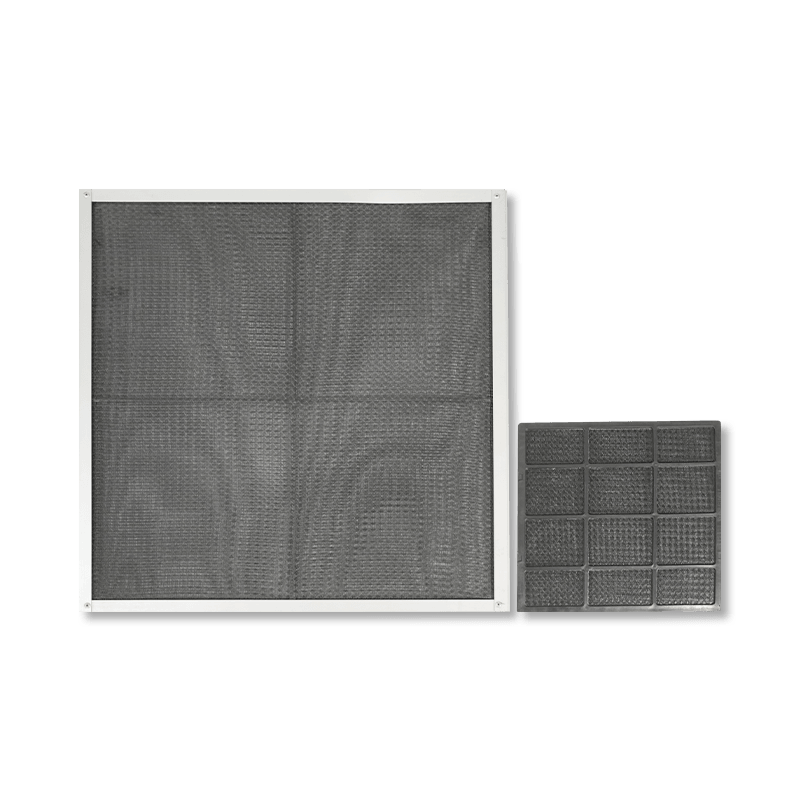
Construction and Materials
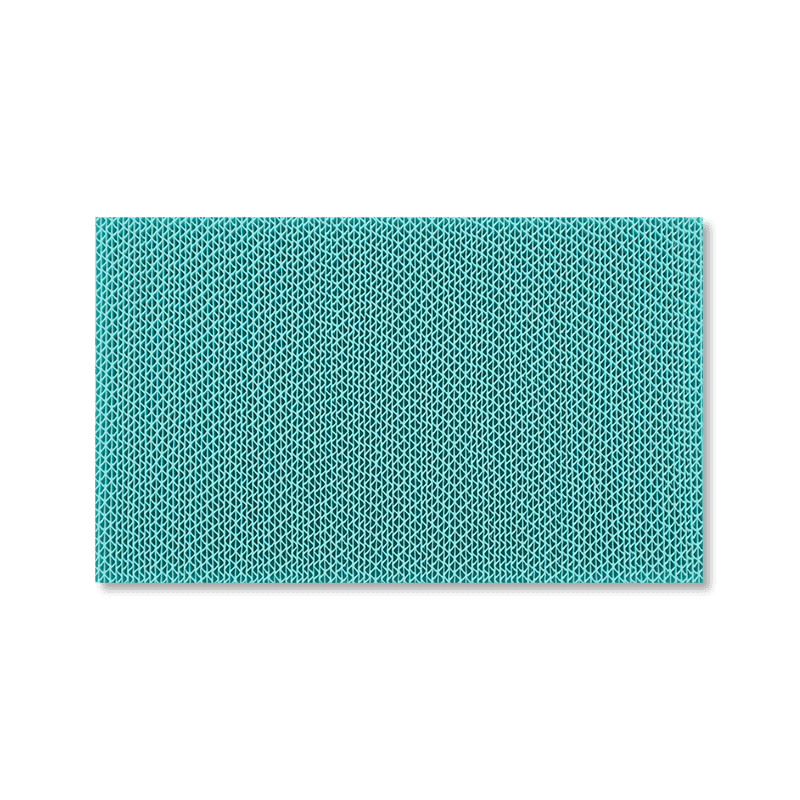
Primary filter meshes are typically made of materials that balance durability and filtration efficiency. Common options include:
- Metal meshes:Aluminum or stainless steel, highly durable, washable, and reusable for industrial environments.
- Synthetic fibers:Polyester or polypropylene fibers, cost-effective and disposable, widely used in commercial and residential HVAC systems.
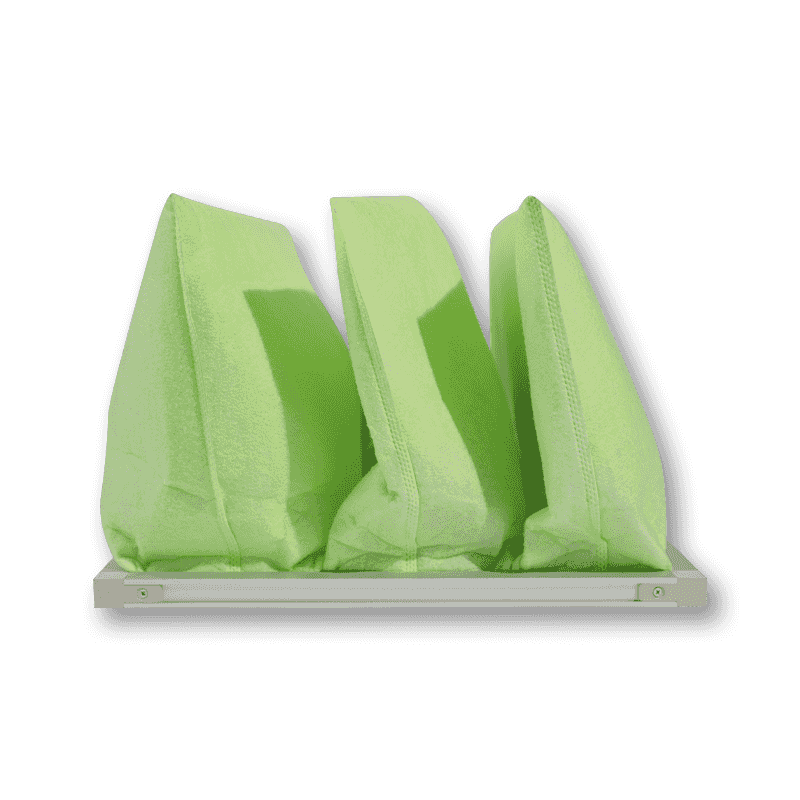
- Non-woven fabrics:Lightweight and effective at trapping dust, often used in multi-stage filtration systems.
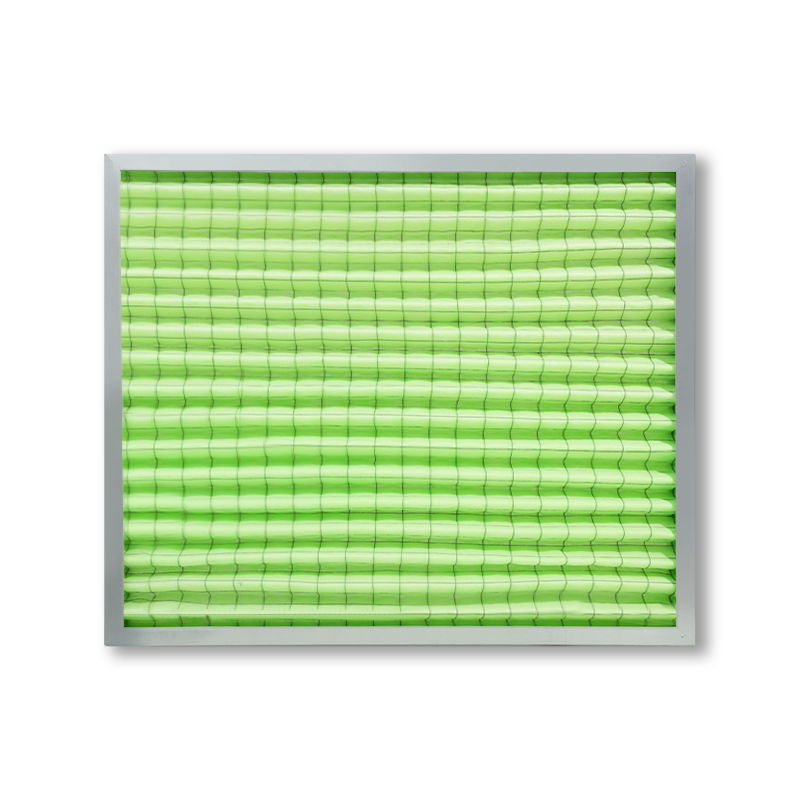
Filters may also be pleated or layered to increase surface area, enhancing particle-holding capacity without significantly increasing airflow resistance. The design ensures that large particles are efficiently intercepted while minimizing pressure drop across the primary filter.
Key Features of Primary Filter Mesh
- Traps large particles before reaching sensitive HEPA filters.
- Durable materials suitable for industrial and commercial applications.
- Surface area optimized for minimal airflow resistance.
- Variety of designs, including flat, pleated, or layered mesh.
Mechanisms by Which Primary Filter Mesh Protects HEPA Filters
Reduction of Particle Load
The primary function of the filter mesh is to reduce the particulate load that reaches the HEPA filter. Large dust, pollen, lint, and industrial debris can quickly accumulate on HEPA filter fibers, leading to clogging. By capturing these particles at the first stage, primary filters dramatically slow down the clogging rate of HEPA media. This ensures that the HEPA filter maintains its high-efficiency performance for a longer period. In environments such as manufacturing facilities or hospitals, where particulate matter is abundant, the reduction of particle load is critical for sustaining filtration efficiency and prolonging the service life of expensive HEPA filters.
Prevention of Rapid Pressure Drop
A clogged HEPA filter increases airflow resistance, causing a rapid rise in pressure drop. This requires fans and blowers to work harder to maintain airflow, consuming more energy and placing additional mechanical stress on the HVAC system. Primary filter meshes intercept large particles early, preventing sudden increases in pressure drop. By maintaining lower resistance, the primary filter allows fans to operate under normal load conditions, reducing energy consumption and preventing excessive wear on system components. Consistent airflow also ensures that cleanroom or industrial air quality standards are met reliably.
Protection Against Mechanical Damage
Some particles in industrial or outdoor air, such as sand, metallic dust, or other coarse debris, can physically damage delicate HEPA fibers. The primary filter mesh absorbs the impact and friction of these particles, preventing abrasion and tears in the HEPA media. This mechanical protection is particularly important in high-dust environments like construction sites, manufacturing plants, or areas with heavy outdoor air intake. By shielding the HEPA filter, the primary mesh maintains the structural integrity and performance of the high-efficiency filter over its operational lifespan.
Additional Benefits of Primary Filter Mesh
Cost Efficiency
Replacing clogged HEPA filters is expensive, especially in industrial applications. Primary filter meshes are relatively inexpensive, easy to maintain, and often reusable in the case of metal meshes. By intercepting coarse particles before they reach the HEPA filter, primary filters reduce the frequency of costly HEPA replacements, leading to significant operational savings over time. Additionally, by preventing premature clogging, primary filters help maintain consistent air quality without frequent maintenance interruptions.
Energy Savings
When the primary filter captures large particles effectively, the airflow through the system remains smooth, reducing pressure drop and allowing fans to operate efficiently. This minimizes energy consumption and prevents the system from overworking. Lower energy usage also reduces operating costs and carbon footprint, which is critical in large commercial buildings or industrial HVAC systems where energy expenses are significant. Well-maintained primary filters ensure that energy efficiency gains from high-performance HEPA filters are not lost due to premature clogging.
Optimized System Performance
Primary filter meshes enable HEPA filters to operate under optimal conditions by maintaining low particulate load, reducing mechanical stress, and sustaining airflow. This tiered filtration approach—coarse particle capture followed by high-efficiency HEPA filtration—ensures maximum protection, prolonged filter life, and consistent indoor air quality. It also contributes to overall HVAC reliability and reduces unplanned downtime due to filter failures.
Summary Table: How Primary Filter Mesh Protects HEPA Filters
|
Protection Mechanism |
Description |
Benefit to HEPA Filter |
|
Particle Load Reduction |
Captures large particles before reaching HEPA |
Slows clogging, prolongs filter life |
|
Pressure Drop Management |
Maintains lower airflow resistance |
Reduces fan strain, preserves system energy efficiency |
|
Mechanical Protection |
Prevents abrasion or fiber damage from coarse particles |
Maintains structural integrity and filtration efficiency |
|
Cost Efficiency |
Cheaper maintenance and replacement of primary filter |
Reduces overall operational costs |
The primary filter mesh is a critical component in any HVAC or industrial filtration system. By capturing large particles, reducing pressure drop, and protecting HEPA filters from mechanical damage, it extends the life of expensive HEPA media, reduces maintenance costs, and ensures energy-efficient operation. Proper selection, installation, and maintenance of primary filter meshes are essential for optimizing filtration performance, system longevity, and operational efficiency in both commercial and industrial environments. Tiered filtration, with a primary filter protecting a HEPA filter, is the foundation of reliable, long-lasting HVAC performance.