 English
 Español
 日本語
日本語
Understanding the Mechanics of Cold Catalyst Technology
The Chemical Nature of Catalytic Reactions
Cold catalyst, also known as a low-temperature catalyst, is a high-tech purification material developed based on various metal oxides such as manganese dioxide and copper oxide. Its core strength lies in its catalytic properties. Unlike traditional physical adsorption methods, a cold catalyst does not get consumed during the chemical process. Instead, it acts as a stable platform that utilizes oxygen in the air to oxidize and decompose formaldehyde, benzene, xylene, and other Volatile Organic Compounds (VOCs).
Under standard indoor temperatures and pressures, formaldehyde molecules are broken down immediately upon contact with the catalyst surface. They are first converted into unstable intermediate products and finally transformed into harmless substances: carbon dioxide and water. Because the catalyst itself serves only to speed up this reaction without being used up, it remains active for a very long period.
Key Differences Between Cold and Photo Catalysts
Many homeowners confuse cold catalysts with photocatalysts. Photocatalysts, such as titanium dioxide, typically require strong ultraviolet (UV) light to trigger their purification activity. In dark areas like the inside of wardrobes or during the night, photocatalysts lose their effectiveness. The primary advantage of the cold catalyst is its namesake “cold” feature: it requires no UV light or even visible light to function. It works continuously in standard room environments, making it an ideal choice for the interior of air purifiers or enclosed spaces like drawers and closets where natural light cannot reach.
Durability and Physical Structure of the Material
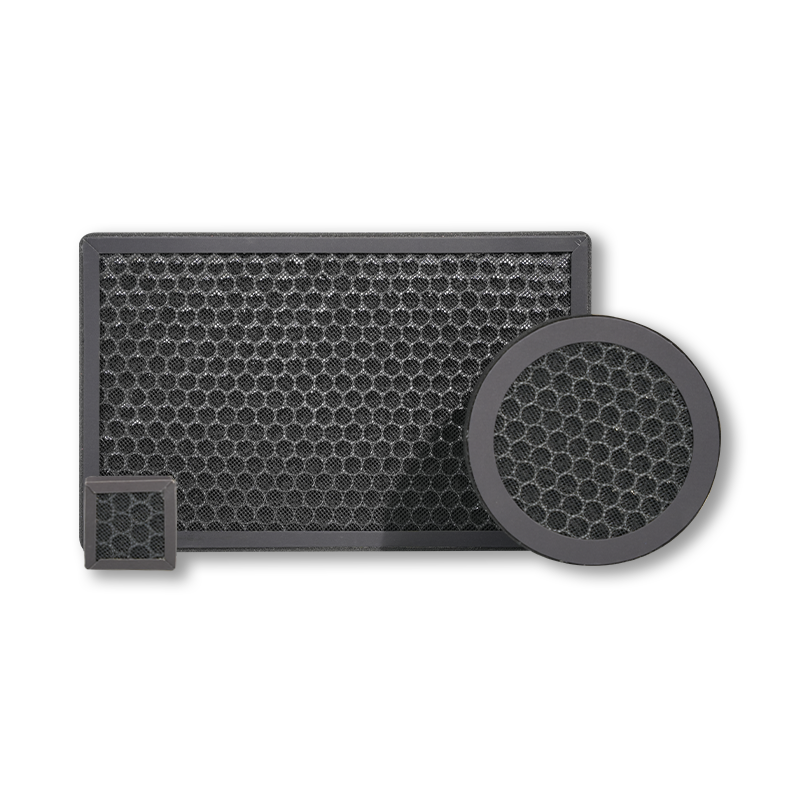
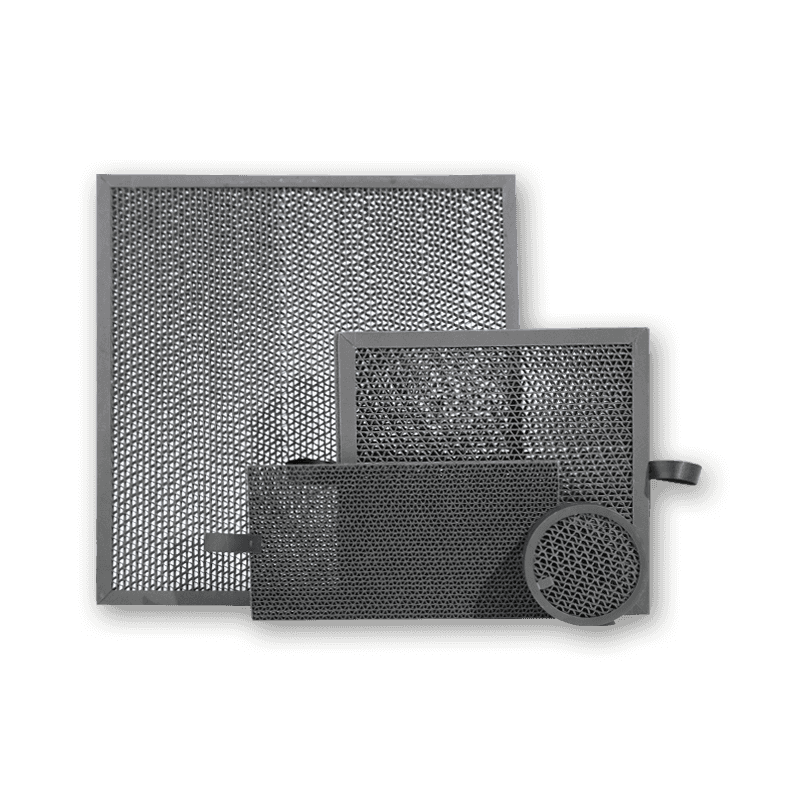
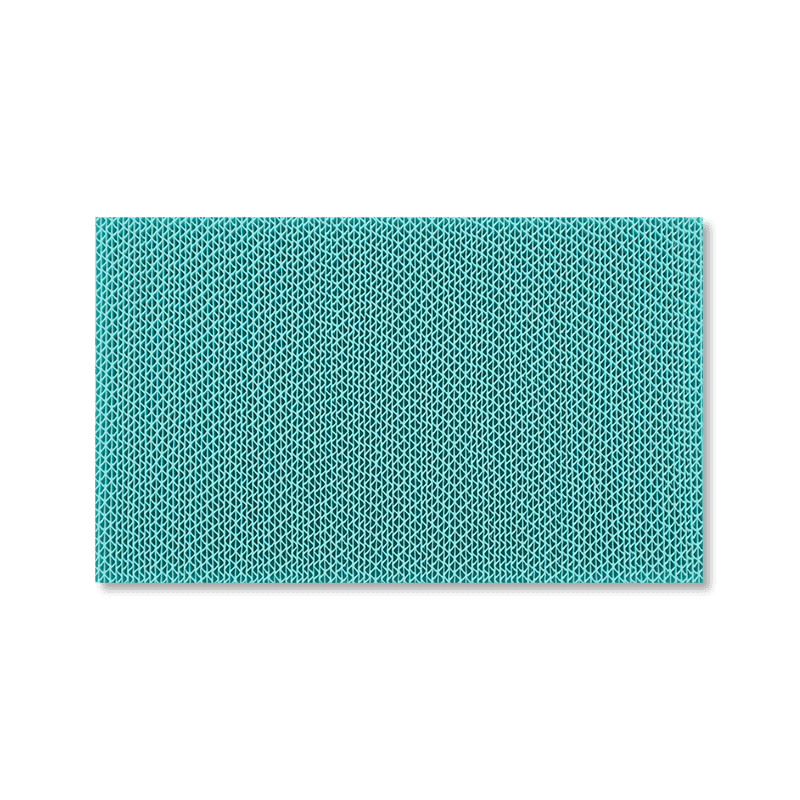
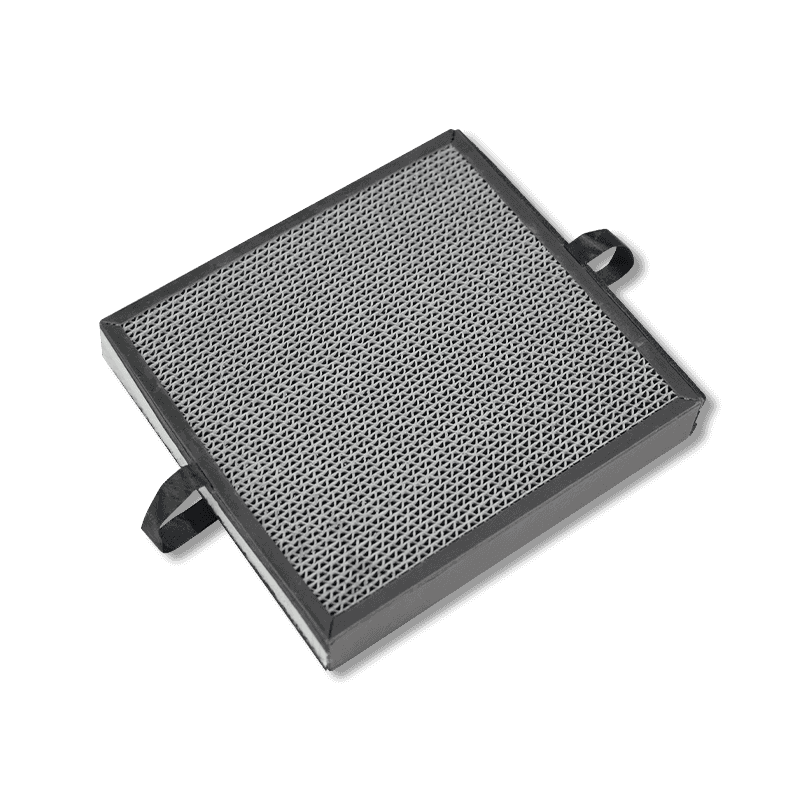
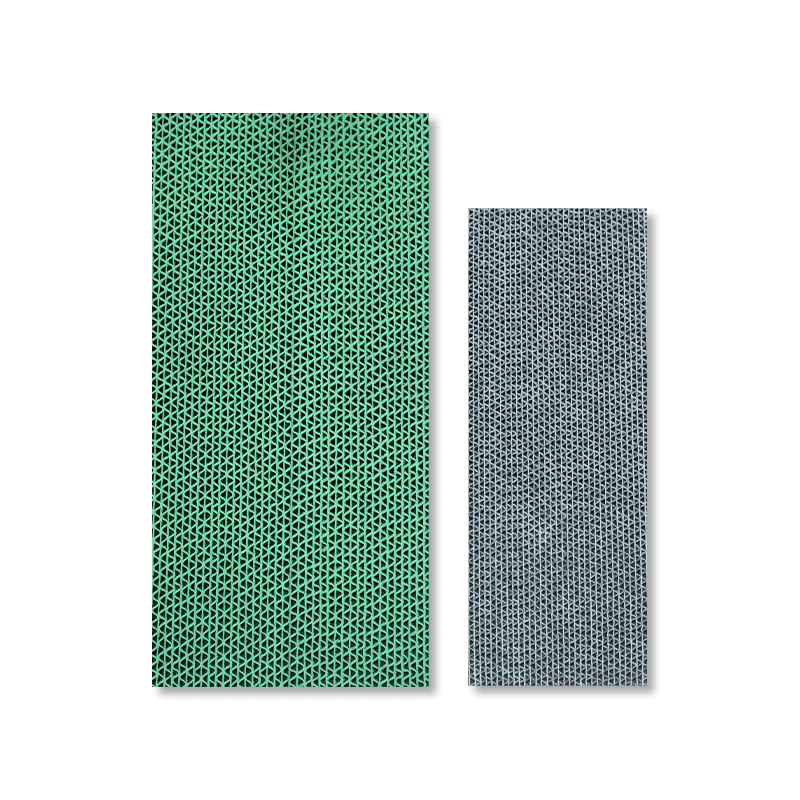
Cold catalyst filters are usually manufactured using a honeycomb-shaped aluminum substrate or a fiber mesh as a carrier. This specific structure significantly increases the contact surface area between the catalyst and the passing air while ensuring low air resistance. Because the catalytic material is not a consumable, the filter can theoretically remain effective for over five years, provided the surface is kept clean from dust. This makes it a much more cost-effective long-term solution compared to filters that require frequent replacement.
Cold Catalyst vs. Activated Carbon: Which is Better for New Homes?
The Debate Between Physical Adsorption and Chemical Decomposition
Activated carbon is the most common choice for removing odors and chemicals in new homes, functioning primarily through a process called trapping. Activated carbon contains millions of microscopic pores that catch formaldehyde molecules. However, it has a significant drawback: saturation and secondary pollution. Once the pores are full, the carbon can no longer clean the air. Even worse, if the indoor temperature rises—such as during summer or when underfloor heating is turned on—the trapped formaldehyde can be released back into the room, causing a spike in pollution levels.
In contrast, the cold catalyst is an eliminator. It directly alters the molecular structure of toxins, turning poisonous gases into harmless substances. Therefore, it does not suffer from saturation issues and does not produce secondary pollution, making it a safer long-term resident in your home.
Core Comparison Table
To help you choose the right material for your specific needs, please refer to the following comparison of key attributes:
|
Feature |
Cold Catalyst Filter |
Activated Carbon Filter |
|
Working Principle |
Chemical Decomposition |
Physical Adsorption (Trapping) |
|
Main Byproducts |
Carbon Dioxide and Water |
None (Molecules are held inside) |
|
Service Life |
Very Long (Typically 3 to 5+ years) |
Short (Typically 3 to 6 months) |
|
Environmental Impact |
Stable; more efficient at high temps |
High temps can cause “leaking” |
|
Light Requirement |
None; works 24/7 in the dark |
None |
|
Maintenance Cost |
Very Low; only requires dusting |
High; requires total replacement |
The Synergy Strategy
While cold catalysts are superior in many ways, the best air purification systems usually combine both technologies. Activated carbon is excellent for the rapid interception of high-concentration VOCs and initial odors, while the cold catalyst takes over the long-term task of decomposing the slow, steady stream of formaldehyde released from furniture over several years. Using them together provides the fastest initial cleanup and the most thorough long-term protection.
Limitations and Practical Advice for New Homeowners
Environmental Factors That Cannot Be Ignored
Although cold catalyst technology is highly effective, it is not a “magic bullet” for every situation. First, airflow is a critical factor. The catalyst must come into physical contact with the air to work. Simply placing a piece of mesh at the bottom of a closet without any air movement will result in very low efficiency. Formaldehyde release is a slow process that can last anywhere from 3 to 15 years. In homes with a large amount of engineered wood furniture, a standalone filter may struggle to keep up with the high rate of initial off-gassing.
A Four-Step Strategy for Safe Move-In
To ensure your new home is safe, it is recommended to use cold catalyst technology alongside these proven methods:
- Active Ventilation (Highest Priority):While filters handle residual chemicals, the bulk of the pollution must be removed through airflow. Keep windows open for at least 3 to 6 months after renovation.
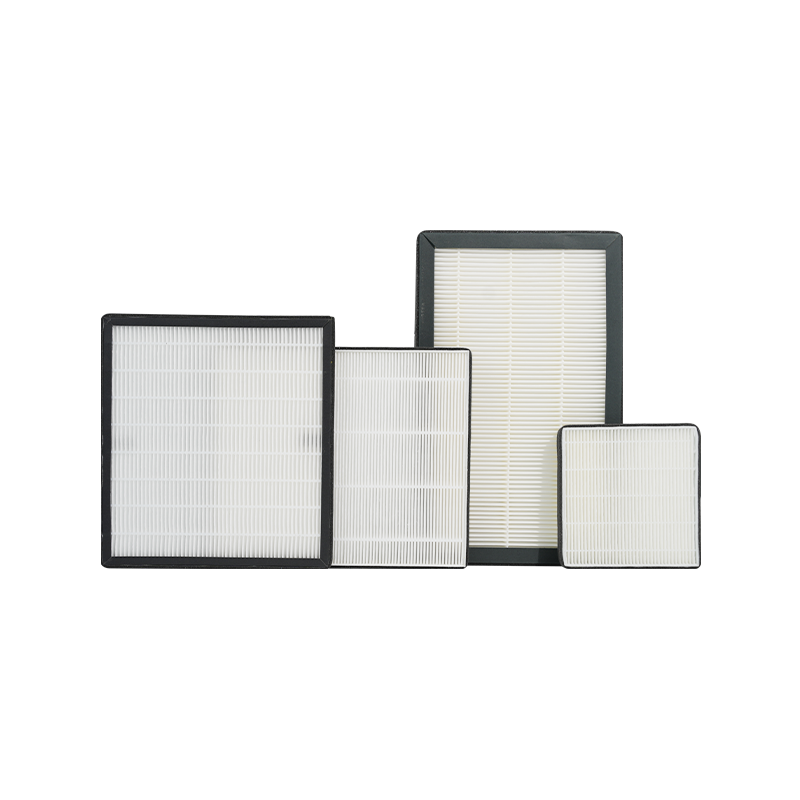
- Pre-Filter Protection:Dust is the enemy of the cold catalyst. If the mesh surface is covered in dust, the formaldehyde molecules cannot reach the catalytic particles, and the reaction stops. Always ensure a HEPA filter is placed in front of the catalyst to catch dust first.
- Temperature-Induced Release:Before moving in, you can use the summer heat or winter heating systems to intentionally raise the indoor temperature. This forces the formaldehyde out of the furniture faster, allowing your air purifier and ventilation to clear it out more efficiently.
- Regular Maintenance:While you don’t need to replace the mesh, you should use a vacuum cleaner every two to three months to remove surface dust from the cold catalyst filter to maintain its maximum activity.