 English
 Español
 日本語
日本語
Selecting the right primary filter comes down to three core variables: the environment's particle load, the required air cleanliness standard, and the downstream filtration system. For most commercial HVAC systems, a filter rated between MERV 8 and MERV 11 serves as an effective primary filter. Industrial or high-pollution environments typically need MERV 13+ or G4/F7 class filters (ISO 16890), while cleanrooms and hospitals require primary filters to protect downstream HEPA stages. The wrong choice costs money through premature clogging, energy waste, or downstream contamination.
What Primary Filters Actually Do — and Why the Selection Matters
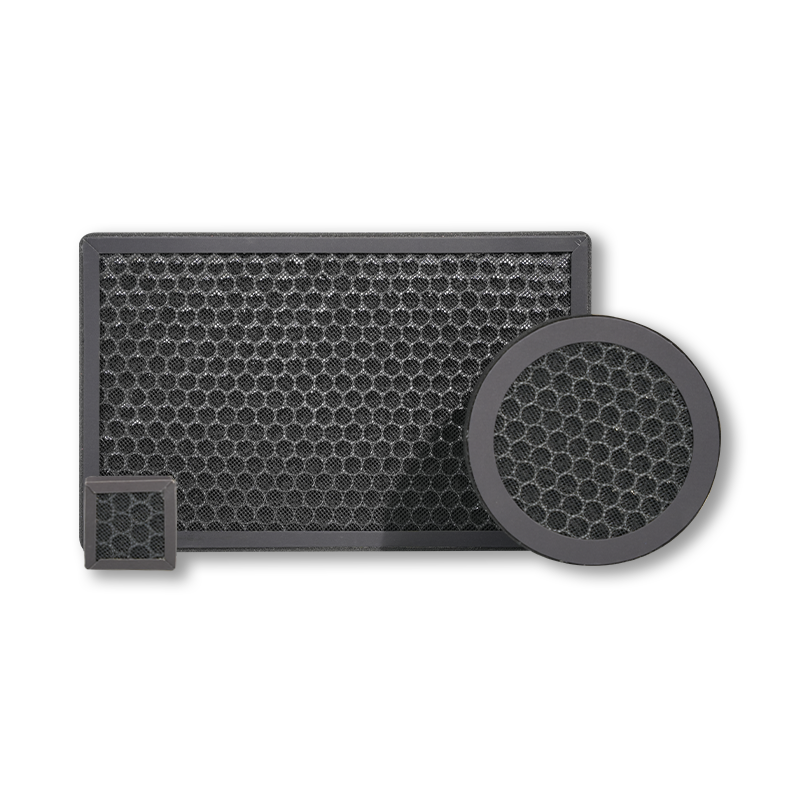
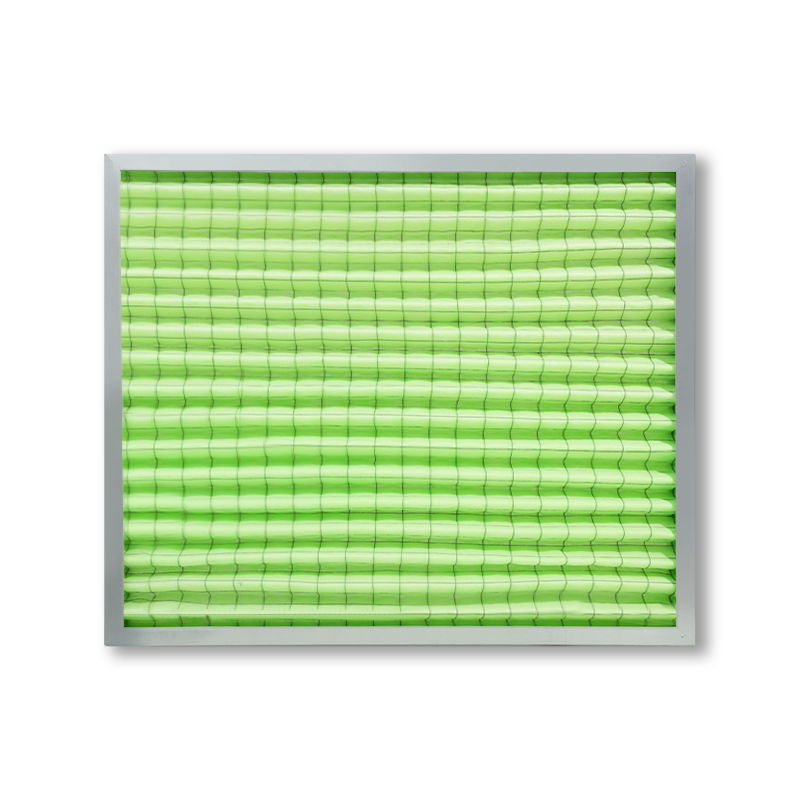
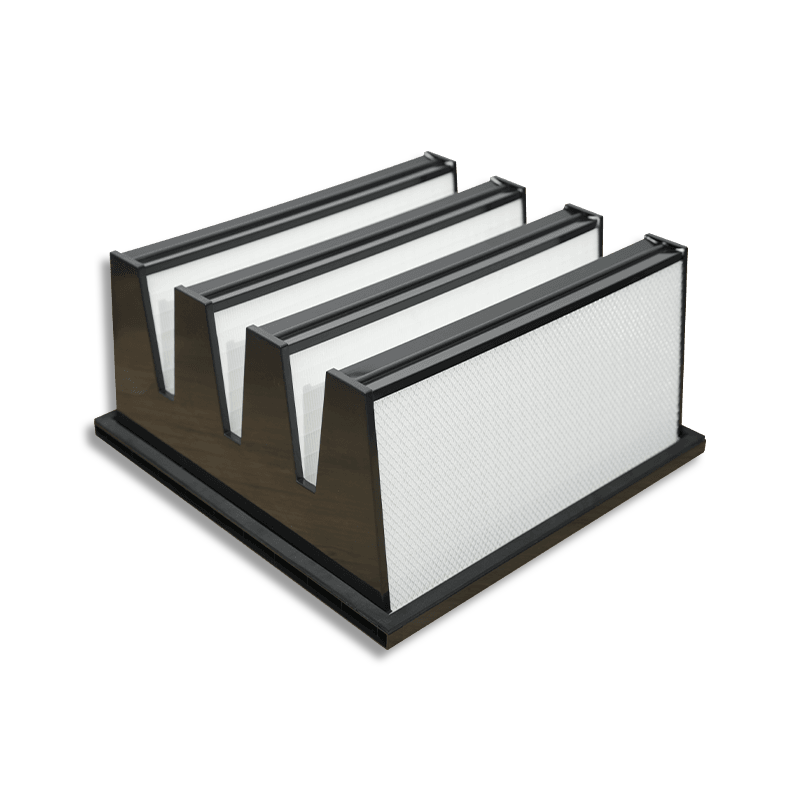
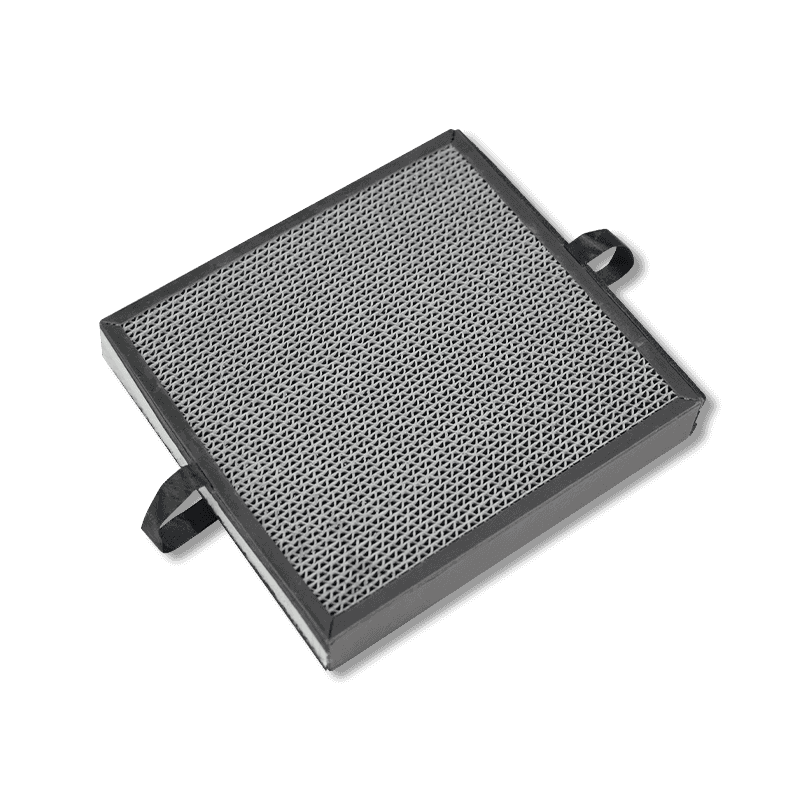
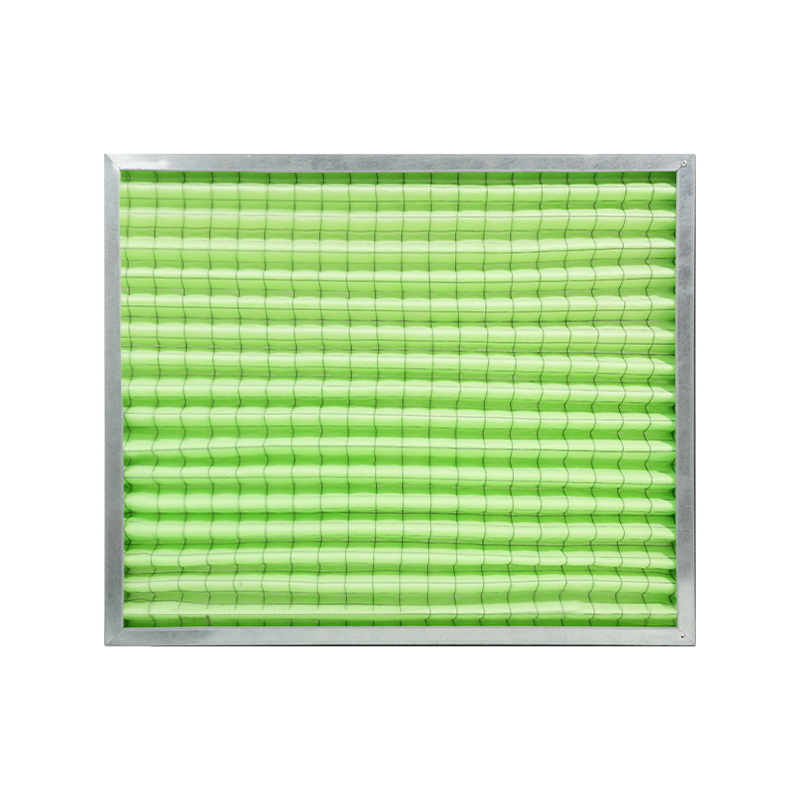
A primary filter (also called a pre-filter) is the first stage of filtration. Its job is to capture large particles — dust, pollen, fibers, insects — before they reach more sensitive secondary or final filters. Choosing incorrectly has measurable consequences:
- Under-filtering:Fine particles bypass the pre-filter and clog expensive HEPA or bag filters prematurely, increasing replacement costs by up to 40%.
- Over-filtering:A primary filter with too high an efficiency rating creates excessive static pressure, increasing fan energy consumption — often by 15–25% per filter stage.
- Wrong filter type:Using a fiberglass panel filter in a humid coastal environment leads to microbial growth within weeks, contaminating the entire air stream.
Primary filters typically target particles ≥1 µm, with efficiency rated under MERV (North America), ISO 16890 (global), or EN779 (legacy European standard).
Match the Filter Rating to Your Environment Type
Different environments generate fundamentally different particle profiles. Below is a practical mapping of environment types to recommended primary filter ratings:
|
Primary filter ratings matched to environment type and common contaminants |
|||
|
Environment |
Typical Contaminants |
Recommended MERV |
ISO 16890 Equivalent |
|
Residential / Light Commercial |
Dust, pollen, pet dander |
MERV 8–10 |
ePM10 50% |
|
Commercial Office Buildings |
Dust, mold spores, fine particles |
MERV 11–13 |
ePM2.5 50–65% |
|
Manufacturing / Industrial |
Heavy dust, metal particles, fumes |
MERV 13–16 |
ePM1 50–85% |
|
Hospital / Healthcare Facility |
Bacteria, viruses, fine aerosols |
MERV 13–16 (pre-HEPA) |
ePM1 70%+ |
|
Cleanroom (ISO Class 6–8) |
Sub-micron particles, contamination |
MERV 16 + HEPA stage |
ePM1 85%+ pre-filter |
|
Coastal / High-Humidity Areas |
Salt particles, mold, moisture |
MERV 8–11 (moisture-resistant) |
ePM10 60%
|
Key Technical Factors That Determine Filter Suitability
Beyond the efficiency rating, four technical parameters define whether a primary filter is truly suitable for your application:
1. Initial Pressure Drop and Airflow Resistance
Every filter creates resistance. A MERV 8 panel filter typically has an initial pressure drop of 25–75 Pa, while a MERV 14 bag filter may start at 100–150 Pa. Exceeding your HVAC system's rated static pressure causes fan motor strain and reduces airflow by 10–30%. Always verify the filter's pressure drop curve against your system's fan performance curve.
2. Dust Holding Capacity
Dust holding capacity (DHC) determines how long a filter lasts before needing replacement. Pleated filters typically hold 3–5× more dust than flat panel filters of the same face area. In a high-dust industrial environment generating 500 µg/m³ of particulate, a flat panel filter may require replacement every 2–4 weeks, while a deep-pleat bag filter lasts 6–12 months.
3. Media Material and Moisture Resistance
Filter media material is critical in humid or chemically aggressive environments:
- Fiberglass:Low cost, poor moisture resistance — avoid in RH >70% environments.
- Synthetic polyester:Good moisture resistance, washable in some grades — suitable for coastal or food processing environments.
- Electrostatic media:Enhanced fine particle capture without increased pressure drop — effective for office environments targeting PM2.5.
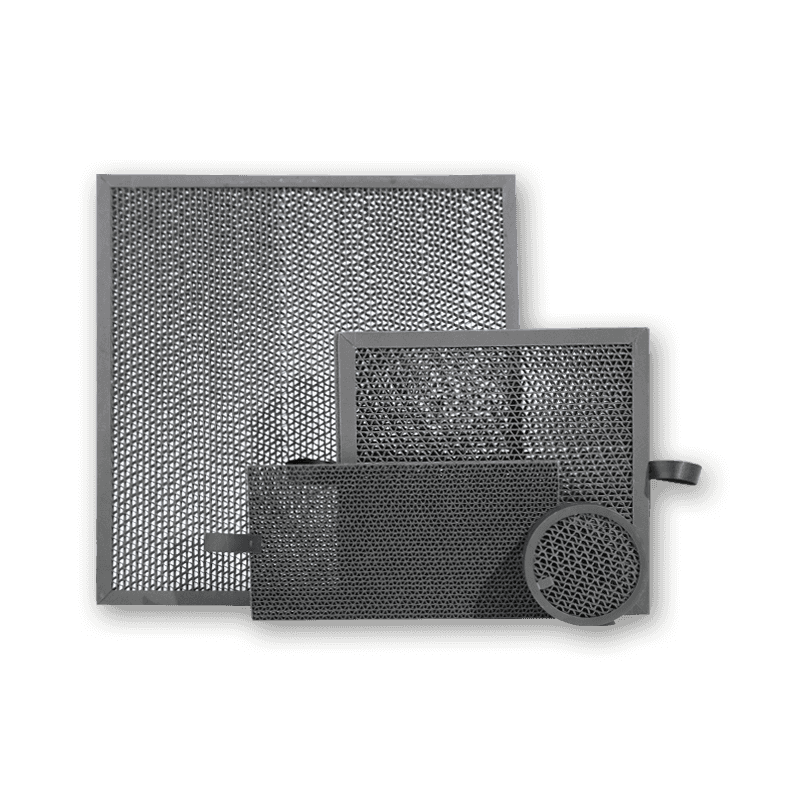
- Metal mesh (washable):Captures only large particles (>10 µm) but ideal as a coarse pre-filter before pleated stages in heavily loaded industrial settings.
4. Face Velocity
Face velocity — the speed of air passing through the filter media — directly affects both efficiency and pressure drop. Most primary filters are rated at a face velocity of 2.5 m/s (500 fpm). Running significantly above this (e.g., 3.5–4.0 m/s) reduces particle capture efficiency by up to 20% and accelerates media deterioration.
Outdoor Air Quality: How Ambient Pollution Levels Change Your Filter Choice
The outdoor air quality index (AQI) of your location is a direct input into primary filter selection — particularly for systems with high fresh air intake ratios.
- AQI 0–50 (Good):Standard MERV 8–10 primary filter is sufficient for most applications.
- AQI 51–100 (Moderate):Upgrade to MERV 11–13, especially if occupants include sensitive groups (asthma, elderly).
- AQI 101–150 (Unhealthy for Sensitive Groups):MERV 13 minimum; consider dual-stage pre-filtration (coarse + fine).
- AQI 151–200 (Unhealthy):MERV 14–16 required; filter replacement intervals should be reduced by 30–50%.
- AQI 200+ (Very Unhealthy / Hazardous):Multi-stage filtration mandatory; primary filter should be a sacrificial coarse filter changed frequently to protect downstream stages.
For example, a commercial office building in Delhi (annual average AQI ~150–200) requires a fundamentally different pre-filter strategy than the same building type in Stockholm (annual average AQI ~20–40).
Primary Filter Types Compared: Panel, Pleated, and Bag
The physical format of the filter determines how it performs across the key parameters:
|
Comparison of primary filter formats by efficiency, capacity, and application |
||||
|
Filter Type |
Typical MERV Range |
Dust Holding Capacity |
Service Life |
Best For |
|
Flat Panel (fiberglass/polyester) |
MERV 1–4 |
Low |
1–3 months |
Coarse pre-filter, equipment protection |
|
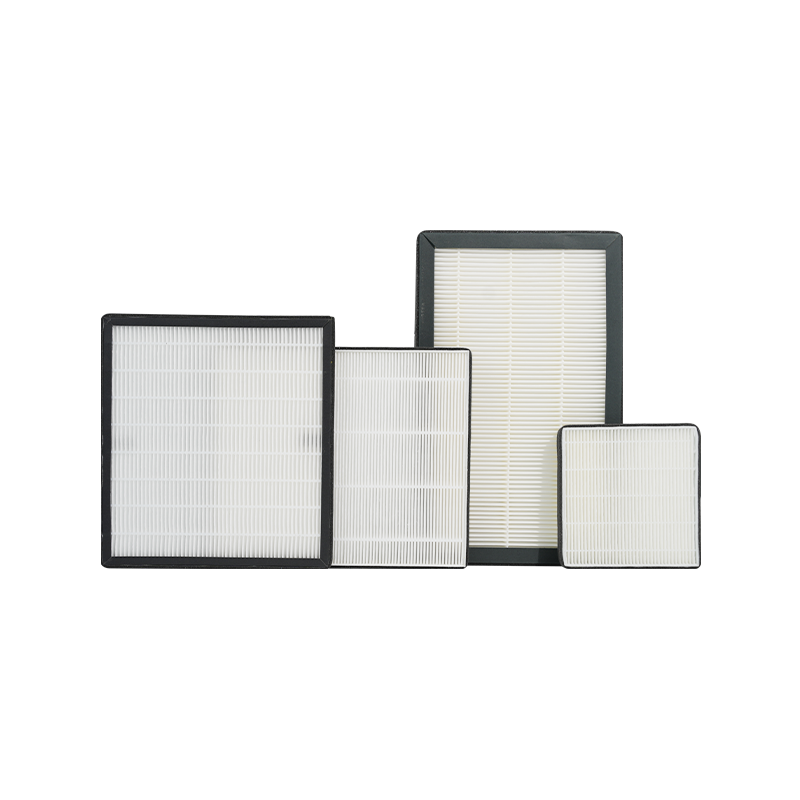
Pleated Panel |
MERV 8–13 |
Medium–High |
3–6 months |
Commercial HVAC, offices, retail |
|
Bag / Pocket Filter |
MERV 11–15 |
Very High |
6–12 months |
Hospitals, industrial, high-dust environments |
|
Rigid Box Filter |
MERV 13–16 |
High |
12 months+ |
Pre-HEPA stage, cleanrooms, pharma |
|
Washable Metal Mesh |
MERV 1–4 |
Low (reusable) |
Multi-year |
Heavy industrial, kitchen exhaust
|
Special Considerations for Specific Regulated Industries
Certain industries face mandatory filtration standards that override general guidelines:
Pharmaceutical Manufacturing (GMP)
EU GMP Annex 1 (2022 revision) requires at least a three-stage filtration system: G4 coarse pre-filter → F7/F9 intermediate → H14 HEPA terminal. The primary G4 filter must be inspected monthly and replaced when pressure drop exceeds 250 Pa.
Food and Beverage Processing
Primary filters in food processing areas must be constructed from food-safe, non-shedding materials. Moisture-resistant synthetic media rated at minimum MERV 11 is required. Metal mesh filters are prohibited where fiber release into product airstreams is a risk.
Data Centers
ASHRAE TC 9.9 guidelines recommend MERV 11 minimum for data center air handling units. The primary concern is conductive dust particles that can cause short circuits. Environments near industrial zones may require MERV 13 primary filters even for server rooms.
A Practical Decision Framework for Filter Selection
Use this step-by-step process to systematically select your primary filter:
- Define the space category— residential, commercial, industrial, healthcare, or cleanroom.
- Measure or estimate local outdoor AQI— adjust minimum efficiency rating accordingly.
- Check for industry-specific regulations— GMP, ASHRAE, HACCP, or local building codes may set mandatory minimums.
- Assess the HVAC system's static pressure limit— select a filter whose pressure drop at rated airflow fits within 30–40% of the system's total available static pressure budget.
- Estimate particle load and required service interval— choose a filter format (pleated, bag, rigid) whose dust holding capacity aligns with your maintenance schedule.
- Select media materialbased on humidity levels, chemical exposure, and temperature range of the installation.
- Validate with a trial period— install differential pressure gauges and log pressure drop weekly for the first 8 weeks to confirm the selected filter's real-world performance matches specifications.
No single filter suits every environment. The optimal primary filter is the one that balances particle capture efficiency, energy cost, service life, and regulatory compliance for your specific combination of environment, occupancy, and air quality requirements. When in doubt, err toward a higher-efficiency pleated or bag filter — the energy cost difference between MERV 8 and MERV 11 is rarely more than 3–5% of total HVAC energy, but the air quality and downstream filter protection benefits are substantial.