 English
 Español
 日本語
日本語
1. Prevention of Respiratory Issues
In many work environments, the air is filled with fine dust and particulate matter that can be inhaled, leading to significant harm to the respiratory system. Long-term exposure to these airborne particles can result in a range of respiratory issues, including asthma, bronchitis, and chronic obstructive pulmonary disease (COPD). Dust collection systems with high-efficiency air filtration devices (such as HEPA filters) effectively capture these tiny particles, preventing them from entering the respiratory tract and reducing the risk of health problems caused by air pollution.
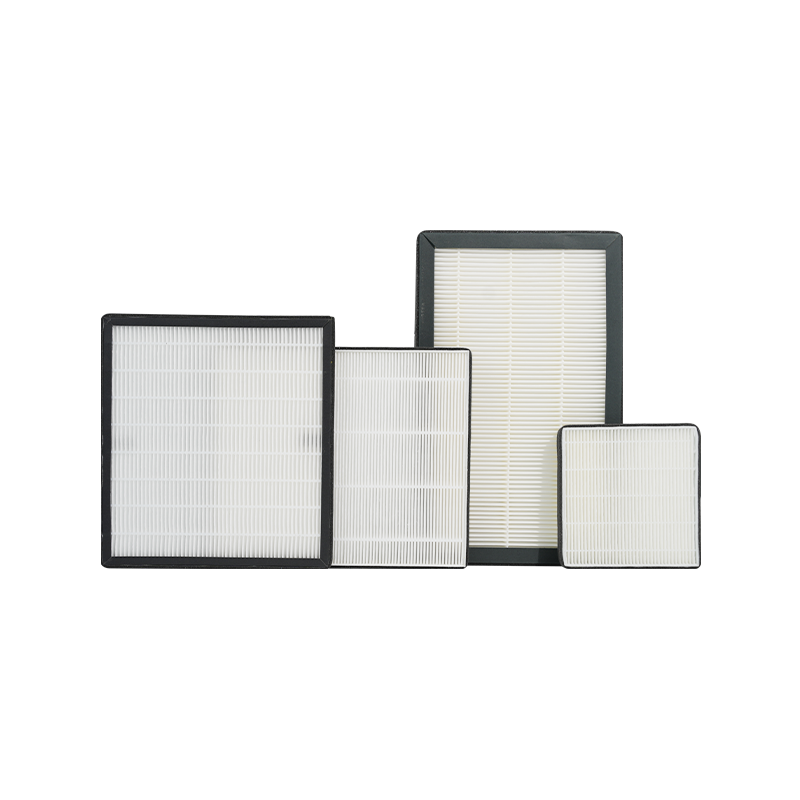
Long-term exposure to harmful particulates can lead to chronic lung diseases and even accelerate lung function decline. To reduce this health risk, there is an increasing demand for more efficient filtration technologies in various industries. By adopting effective dust collection measures, the occurrence of diseases is reduced, and overall worker health and productivity are significantly improved.
2. Reduction of Occupational Diseases
Many industries, such as construction, woodworking, metalworking, and manufacturing, often produce harmful dusts. For example, silica dust, wood dust, and metal particulates are all hazardous, and long-term exposure to these dusts can cause serious occupational diseases. Silica dust is one of the most typical harmful particulates; exposure to this dust can lead to a condition known as “pneumoconiosis,” which is an incurable lung disease that typically presents with symptoms like coughing, shortness of breath, and chest pain. Another common occupational illness is allergic reactions and asthma caused by wood dust.
Fine particulates generated during metalworking can accumulate in workers’ lungs and cause serious diseases, including lung cancer. Therefore, to protect workers’ health, effective dust control measures must be implemented. Dust collection systems not only help reduce the concentration of harmful dust in the air but also remove these particles using multi-stage filtration equipment, preventing them from entering workers’ airways and reducing the risk of occupational diseases.
|
Dust Type |
Potential Health Impacts |
Recommended Filtration Systems |
|
Silica Dust |
Pneumoconiosis, lung cancer, difficulty breathing |
High-efficiency HEPA systems |
|
Wood Dust |
Asthma, allergic reactions, skin inflammation |
Activated carbon filters, HEPA systems |
|
Metal Particles |
Lung cancer, lung function decline, cardiovascular diseases |
High-efficiency particle systems, regular maintenance |
|
Chemical Gases |
Headaches, nausea, difficulty breathing, potential for cancer or neurological damage |
High-efficiency gas filters, chemical gas filtration |
By using these high-efficiency filters, the workplace air quality improves significantly, reducing workers’ exposure to harmful dust and lowering the occurrence of occupational diseases.
3. Compliance with Safety Regulations
Many countries and regions have safety standards and regulations concerning workplace air quality. For example, in the United States, the Occupational Safety and Health Administration (OSHA) has strict limits on dust exposure in the workplace, specifying permissible exposure limits (PEL). If workers are exposed to high concentrations of dust or harmful particulates, they may face health risks and occupational diseases. For employers, violating these regulations can lead to fines, shutdowns, or even legal action.
In this context, dust collection systems become a crucial piece of equipment for businesses to ensure compliance with safety regulations. By installing high-efficiency dust collection and air filtration systems, companies can ensure that dust concentrations in the workplace remain below the prescribed limits, reducing the risk of health problems for workers. This also helps prevent the damage to equipment or the untidy work environment caused by dust pollution.
|
Equipment Type |
Application Area |
Features |
|
HEPA Filters |
Laboratories, medical, electronics manufacturing |
Highly efficient for clean environments |
|
Cyclone Separators |
Construction, stone cutting industries |
Suitable for coarse particles, reduces equipment burden |
|
Baghouse Systems |
Woodworking, metalworking industries |
Suitable for high dust concentrations, cost-effective |
|
Electrostatic Filters |
Chemical, pharmaceutical production |
Captures fine particles, removes harmful gases |
By choosing the appropriate dust collection system and performing regular maintenance, companies not only protect workers’ health but also avoid legal liabilities and financial risks associated with non-compliance with occupational safety regulations.
4. Prevention of Eye and Skin Irritation
Dust and fine particles pose not only a respiratory threat but also irritate the eyes and skin. In many work environments, workers are often exposed to fine dust, chemicals, and metal particulates, which can lead to discomfort. Prolonged exposure to these pollutants may cause eye redness, dryness, stinging, and allergic reactions such as skin rashes and itching. This is especially true for workers in industries like metalworking, chemical processing, or woodworking, where exposure to pollutants is more frequent.
Dust collection air filter effectively reduce the concentration of fine particulates in the air, thus minimizing their impact on workers’ eyes and skin. For workers with allergies or skin problems, using high-efficiency dust collection systems can significantly improve their working comfort and health. In highly polluted industries, filtering out harmful substances can effectively prevent the onset of skin diseases and eye conditions, reducing medical costs and absenteeism.
Using an efficient dust collection system plays a key role in reducing eye and skin irritation. It not only helps improve employees’ working experience but also enhances company welfare, leading to higher productivity and overall satisfaction.
5. Prevention of Explosion Risks
In certain industries, such as coal mining, woodworking, metal dust processing, and food processing, the dust produced poses a serious explosion risk. Certain fine dust particles, when present in the air at specific concentrations, can ignite when exposed to a spark or heat, leading to combustion or even explosion. Therefore, taking effective dust collection measures, particularly by installing explosion-proof dust collection equipment, can significantly reduce this risk.
Explosion-proof dust collection systems use special designs and materials to safely isolate and relieve pressure during an explosion, preventing dust explosions. By regularly cleaning and maintaining these systems, companies can minimize dust buildup, ensuring the safety of the workplace.
6. Improvement of Productivity and Comfort
A cleaner work environment not only protects employees’ health but also improves their productivity. When workers are no longer distracted by the discomfort or health issues caused by dust, they are better able to focus on their tasks, leading to increased efficiency. Furthermore, a dust-free environment reduces absenteeism due to health problems, thereby lowering operational costs for the company.
7. Protection of Equipment and Reduction of Maintenance Costs
Dust accumulation not only harms workers’ health but also affects the performance of machinery. In particular, dust buildup on precision equipment and machines can cause wear and tear, malfunctions, and increased maintenance costs. Dust collection systems effectively remove airborne dust, reducing the frequency of maintenance and repair costs while extending the life of equipment.