 English
 Español
 日本語
日本語
1. Air Purification and Ventilation Systems
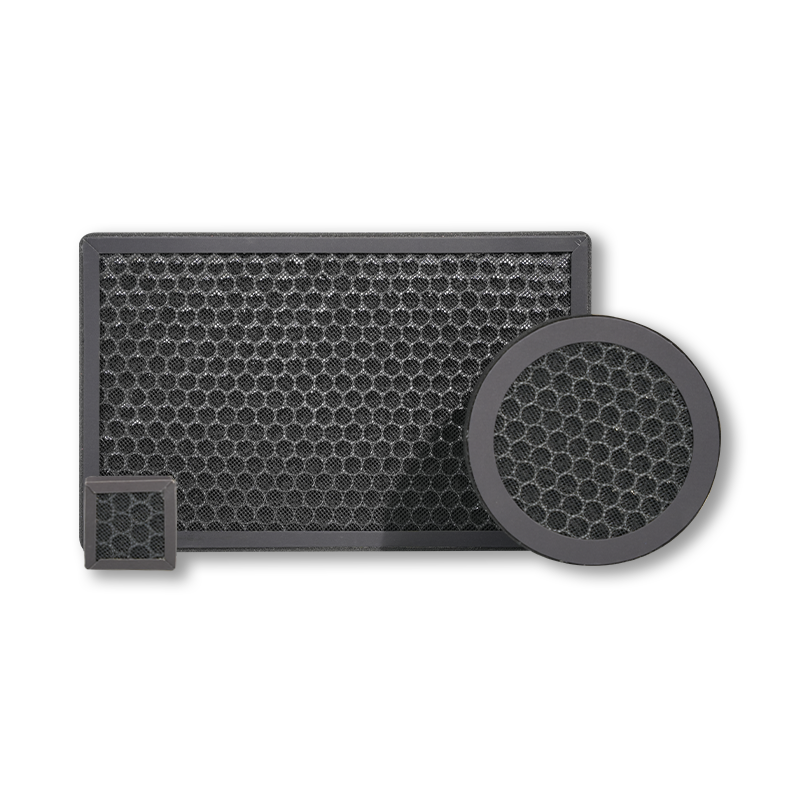
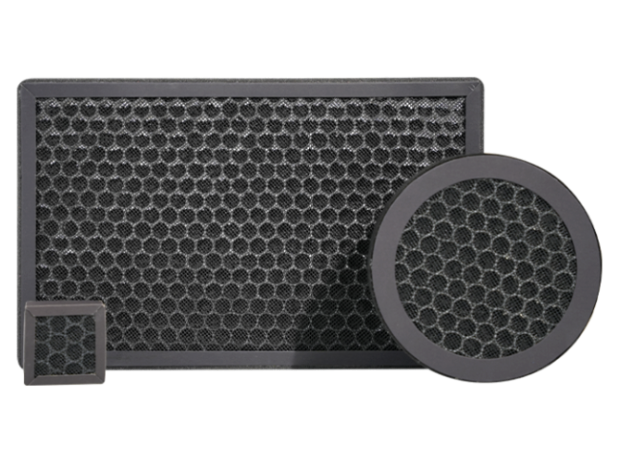
Industrial Air Filtration: Activated carbon filters are widely used in industrial processes to remove harmful gases, volatile organic compounds (VOCs), odors, and pollutants from the air. Common applications include chemical plants, paint shops, pharmaceutical factories, and food processing industries. By adsorbing harmful substances in the air, activated carbon helps improve air quality in the workplace, protecting the health of workers.
Fume Scrubbing: Activated carbon is used in fume scrubbers to capture toxic fumes, exhaust gases, and vapors produced during industrial processes. For example, chemical plants, metal smelting, and manufacturing workshops use activated carbon filters to capture pollutants produced during production, thus reducing environmental impact.
Carbon Capture in Industrial Emissions: Activated carbon is used in some industrial emission treatments to capture and remove pollutants such as nitrogen oxides, sulfur compounds, and ammonia from exhaust gases. This helps reduce air pollution in facilities such as power plants and waste incineration plants.
2. Water Treatment
Municipal Water Treatment: Activated carbon is commonly used in the treatment of drinking water to remove chlorine, heavy metals, pesticides, dissolved organic compounds, and other contaminants, ensuring the water meets safe drinking standards. Activated carbon filters are typically used in pre-treatment or post-treatment stages in water treatment plants to remove odors, impurities, and harmful substances.
Wastewater Treatment: In many industrial processes, wastewater may contain large amounts of chemical pollutants, oils, organic materials, and more. Activated carbon filters help adsorb these contaminants, reducing water pollution. The treated water can then be released back into the environment or reused. Industries such as chemical manufacturing, oil refining, pharmaceuticals, and food processing often use activated carbon to purify their wastewater.
Desalination and Brine Treatment: In desalination processes, activated carbon is used to remove organic materials from seawater, improving water quality. It is also used to remove residual organic contaminants from brine (wastewater from desalination), minimizing environmental impact.
3. Food and Beverage Industry
Decolorization and Purification: In the production of beverages, juices, alcoholic drinks, and other food products, activated carbon is used to remove color, odors, and impurities from liquids, improving the appearance and taste of the final product. For example, in wine production, activated carbon is used to remove excess colorants and off-flavors, resulting in a purer taste.
Sugar Refining: During the sugar refining process, activated carbon is used to remove colorants and impurities from syrup, ensuring the sugar's quality. This process is crucial in the production of sugar, liquid sugars, and syrups.
4. Pharmaceutical and Chemical Industries
Solvent Recovery: Activated carbon filters are used in solvent recovery systems to capture and recycle solvents like acetone, alcohols, and other volatile chemicals, reducing solvent waste and improving economic efficiency. Solvent recovery can significantly lower production costs and reduce environmental pollution in chemical industries.
Purification of Chemicals and Drugs: In the pharmaceutical and chemical industries, activated carbon is used to remove impurities, colorants, and harmful chemicals from products. For example, in the production of high-purity pharmaceutical ingredients, activated carbon can adsorb organic impurities, ensuring the final product is safe and of high quality.
Catalyst Recovery: In certain chemical processes, activated carbon is used to recover catalysts or adsorb residual byproducts that could hinder the reaction. This helps maintain the efficiency of chemical reactions and reduces waste.

5. Oil and Gas Industry
Refining Process: Activated carbon is widely used in the oil refining process to remove sulfur compounds, aromatic hydrocarbons, and other harmful components from crude oil and natural gas. In the processing of oil and gas, activated carbon filters adsorb these harmful substances, ensuring that the products meet environmental and quality standards.
Oil Spill Remediation: In the event of oil spills, activated carbon can be deployed to adsorb oil and chemicals from water or soil, minimizing environmental contamination.
Gas Purification: Activated carbon is also used in gas purification systems to remove impurities from natural gas, ensuring that it meets quality standards for use in various industrial applications.
6. Mining Industry
Gold Recovery: Activated carbon plays a key role in the cyanide leaching process for gold extraction. After the cyanide leaching process, activated carbon adsorbs gold from the solution, allowing for efficient gold recovery. This is an essential step in gold mining operations.
Chemical Adsorption: In the extraction of other metals or minerals, activated carbon can also be used to remove harmful chemicals or adsorb contaminants from process water, improving the environmental sustainability of mining operations.
7. Chemical and Petrochemical Manufacturing
Contaminant Removal: In the chemical industry, activated carbon is used to remove organic contaminants from gases and liquids in various processes. For example, in petrochemical production, activated carbon can remove organic compounds from liquids or gases, ensuring that the final product is pure and meets safety standards.
Waste Gas Treatment: Activated carbon filters are also used in industrial plants to treat exhaust gases by adsorbing harmful gases such as volatile organic compounds (VOCs), ammonia, sulfur compounds, and other pollutants, thereby reducing air pollution and complying with environmental regulations.
8. Electronics and Semiconductor Manufacturing
Clean Room Air Filtration: In semiconductor and electronics manufacturing, strict control of airborne contaminants is essential. Activated carbon filters are used in clean rooms to purify the air and prevent dust, chemicals, and organic pollutants from affecting product quality.
Removal of VOCs and Contaminants: During semiconductor production, large amounts of chemicals are used. Activated carbon effectively removes VOCs and other pollutants from the air, protecting equipment and worker health while improving production efficiency.
9. Textile Industry
Water and Air Filtration: In the textile industry, activated carbon is used to filter out dyes and other pollutants from wastewater, helping to clean the water and reduce environmental impact. Activated carbon is also used to remove chemical odors from the air during textile production processes.
10. Automotive Industry
Car Cabin Air Filters: Activated carbon is widely used in automotive air filtration systems, especially in cabin air filters. It effectively removes pollutants, allergens, and harmful gases from the air entering the vehicle, ensuring the health and comfort of passengers and drivers.
Emissions Control: In some automotive exhaust systems, activated carbon is used to adsorb toxic gases and reduce harmful emissions from vehicles, helping them meet strict environmental regulations.
11. Packaging and Storage
Odor Control in Packaging: Activated carbon is used in packaging materials to adsorb odors, especially for food, pharmaceuticals, and sensitive products like electronics. This ensures that the product stays fresh and free from contamination during storage and transportation.
Humidity Control: In some storage environments, activated carbon can be used to absorb excess moisture, preventing mold growth and damage to sensitive materials, particularly for electronics, pharmaceuticals, and artworks.
12. Firefighting and Emergency Response
Chemical Spill Clean-Up: Activated carbon is used in emergency response to adsorb chemicals, hazardous materials, and other contaminants from the environment during spills, thus reducing pollution and harm.
Gas Mask Filters: Activated carbon is commonly used in industrial and military gas masks to filter harmful gases and chemicals from the air, protecting workers and personnel in hazardous environments.