 English
 Español
 日本語
日本語
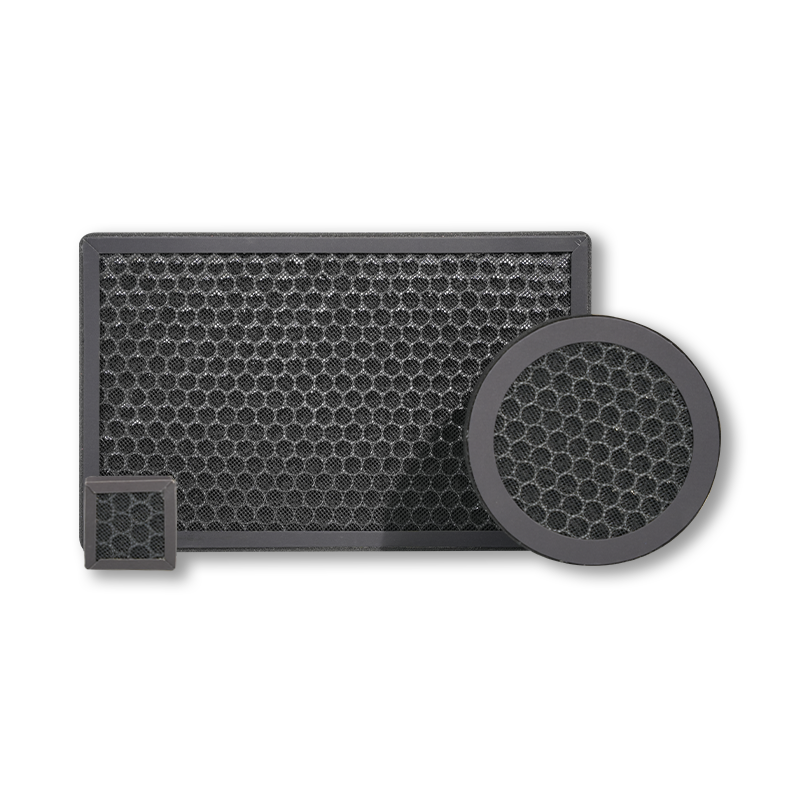
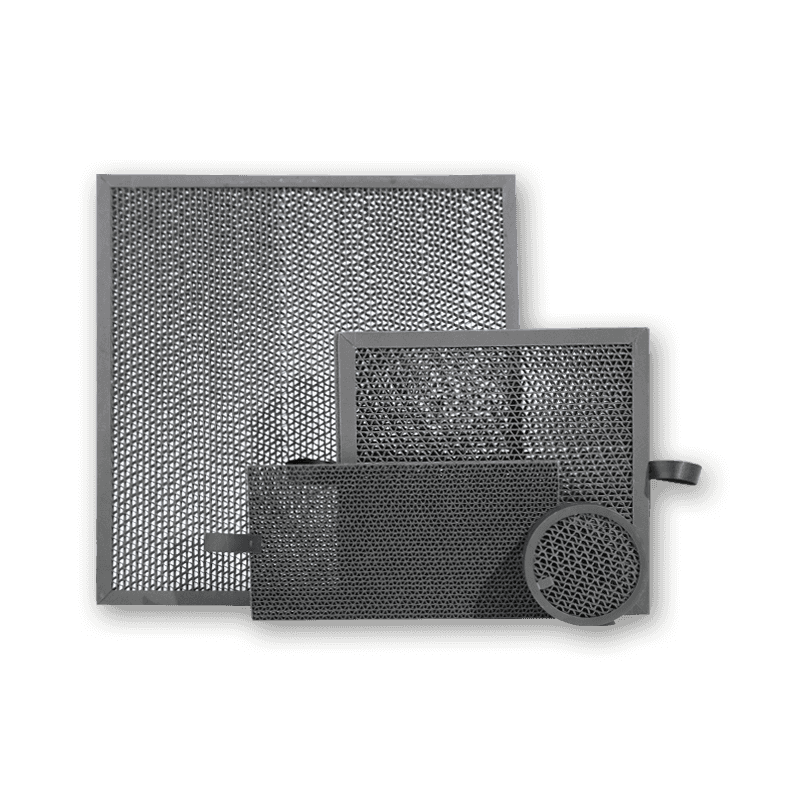
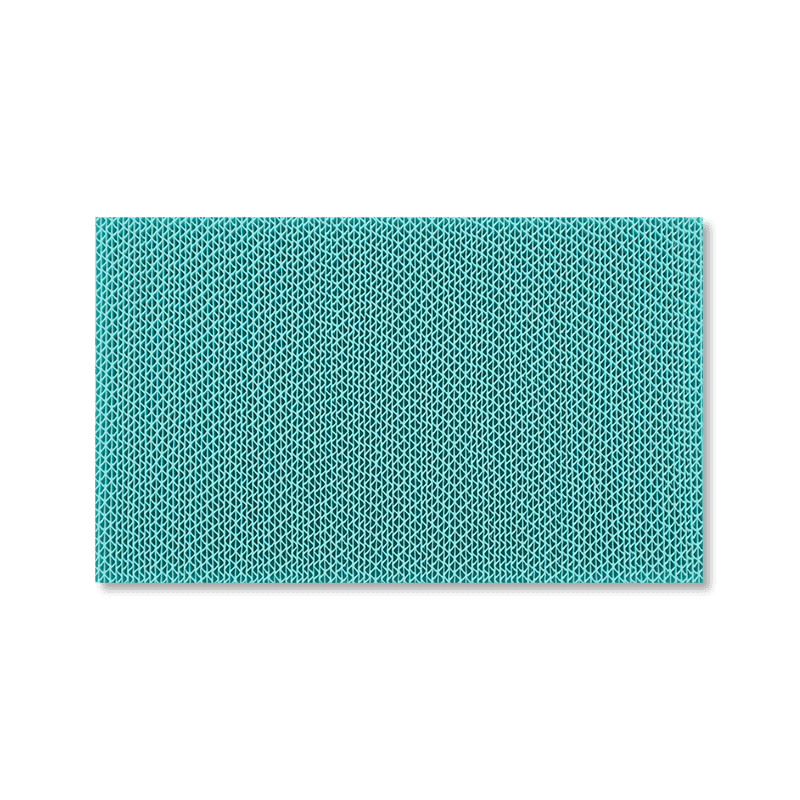
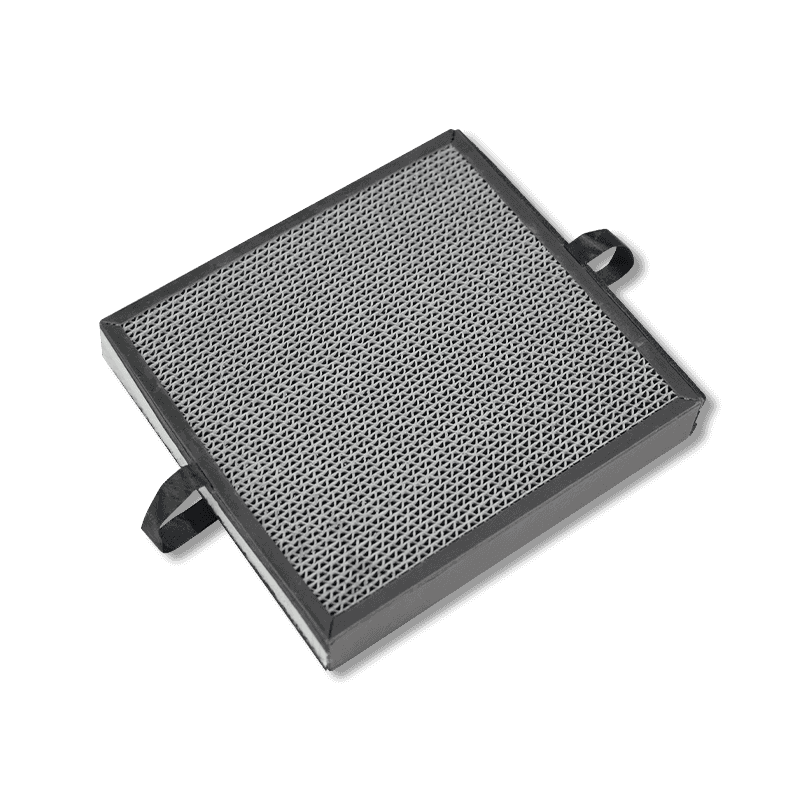
Cold catalyst filters are commonly used in air purifiers, particularly those designed to tackle a range of pollutants like volatile organic compounds (VOCs), formaldehyde, and other gases. These filters often advertise themselves as “long-lasting,” which raises the question: Do they really need to be replaced?
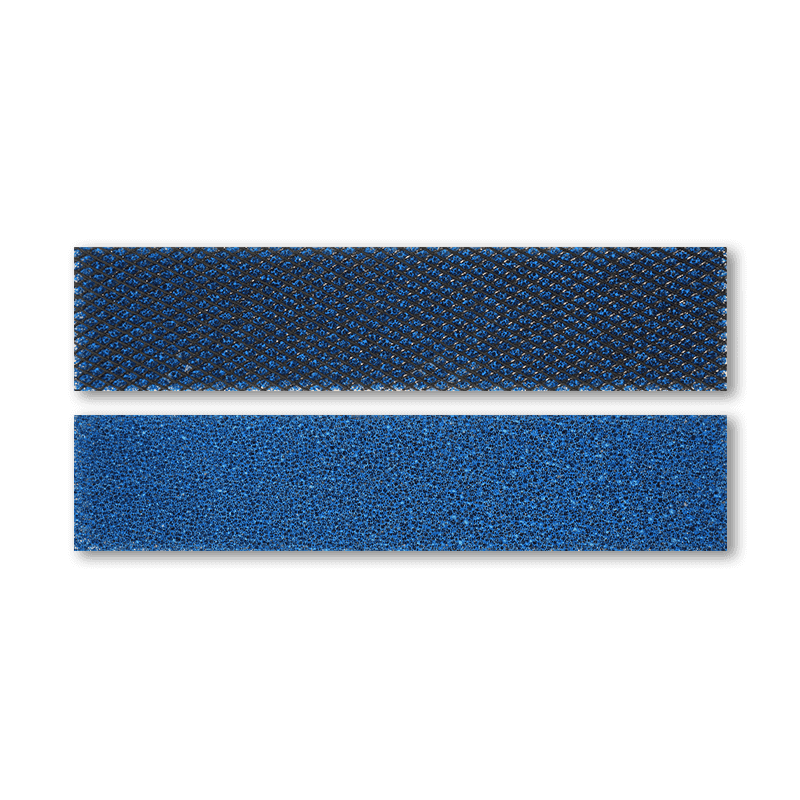
How Cold Catalyst Filters Work:
Cold catalyst filters typically use a combination of catalytic materials like metals (usually platinum or palladium) or chemically treated surfaces that can interact with harmful chemicals in the air. Here's the gist of their operation:
Catalytic Reaction: Unlike traditional filters that trap particles, cold catalyst filters react with the molecules they come into contact with, breaking them down into harmless substances. For instance, VOCs and formaldehyde molecules are broken down into carbon dioxide and water.
Self-Cleaning Action: The key idea behind “long-lasting” filters is that the catalytic surface doesn’t get consumed. It can keep working over time, and theoretically, it doesn’t need to be replaced unless the surface becomes saturated or degraded. In this sense, cold catalyst filters don’t function like traditional HEPA filters that physically trap particles.
How Long Does It Last?
The term “long-lasting” can be a bit vague because it depends on several factors:
Air Quality: The more pollutants present in the air, the more frequently the filter will be exposed to these chemicals, which can wear it down. A home near construction zones or industrial areas might require more frequent replacements than one in a clean environment.
Usage: If the purifier is running 24/7, the catalyst may need to be replaced sooner. However, if it’s used only intermittently or in a smaller space, it could last much longer.
Manufacturer Recommendations: Generally, cold catalyst filters can last anywhere from 1 to 3 years before they need replacement. Some high-end models may last even longer, especially if they include self-cleaning technology or additional layers that extend the life of the catalyst. However, the actual lifespan can vary.
Visible Wear or Reduced Performance: The most practical indicator that it’s time to replace the filter is a noticeable drop in performance. If your air purifier isn’t improving air quality as much as before, or if the filter starts emitting unpleasant odors again (a sign that it’s no longer effectively neutralizing gases), it's time to check or replace it.
Why Cold Catalyst Filters Don’t Last Forever:
While the catalytic surface doesn’t physically degrade the way a standard filter might, there are still reasons why a cold catalyst filter may need replacement over time:
Deactivation of the Catalyst: While catalysts are generally robust, they can eventually lose their activity due to prolonged exposure to contaminants, moisture, or other environmental factors. The catalyst might become “saturated” or covered with byproducts from the chemical reactions, preventing it from breaking down new pollutants.
Clogging: Though catalytic filters are more focused on chemical reactions than particle capture, they can still accumulate particles like dust and dirt. Over time, this buildup could interfere with the reaction process.
Exposure to High Humidity or Extreme Conditions: Some cold catalyst filters are sensitive to changes in temperature or humidity. If the purifier is used in very humid environments or places with fluctuating temperatures, the filter’s performance might decline more rapidly.
Do You Need to Replace It?
If you have a cold catalyst filter, here’s how to approach replacement:
Check Manufacturer Guidelines: Always start by checking the user manual or manufacturer’s website for the recommended replacement interval. Many manufacturers suggest a timeline, but it's good to be aware that this can vary.
Air Quality: If you notice your indoor air quality is worsening, it’s worth considering a replacement. This could include things like lingering smells, dust, or other pollutants that weren’t an issue before.
Physical Inspection: Some cold catalyst filters can be cleaned with a brush or vacuum to prolong their life. However, over time, cleaning may not restore full performance, and a replacement could be necessary.
Sensor Alerts (for Smart Models): Many modern air purifiers with smart technology include sensors that detect air quality and notify you when the filter needs attention. If you have such a model, follow the sensor’s advice.
How to Maintain Cold Catalyst Filters:
Avoid High Humidity: Since these filters can degrade in high humidity or very damp conditions, placing the purifier in a dry area will help extend the filter’s life.
Regularly Clean the Unit: Keep the exterior of the air purifier clean, and occasionally vacuum or wipe down the filter (if it's designed to be cleaned) to keep dust from building up on the catalytic surface.
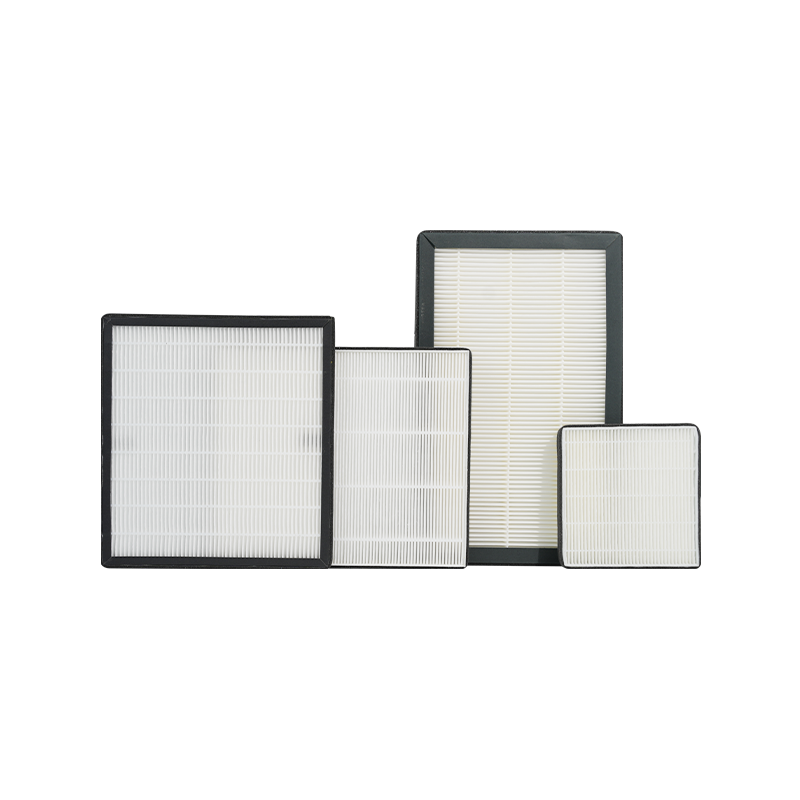
Replace Filters in Pairs: If your air purifier uses both a cold catalyst filter and a HEPA filter, consider replacing them together, as a worn-out cold catalyst filter will impact the overall performance.