 English
 Español
 日本語
日本語
1. Improved Air Quality
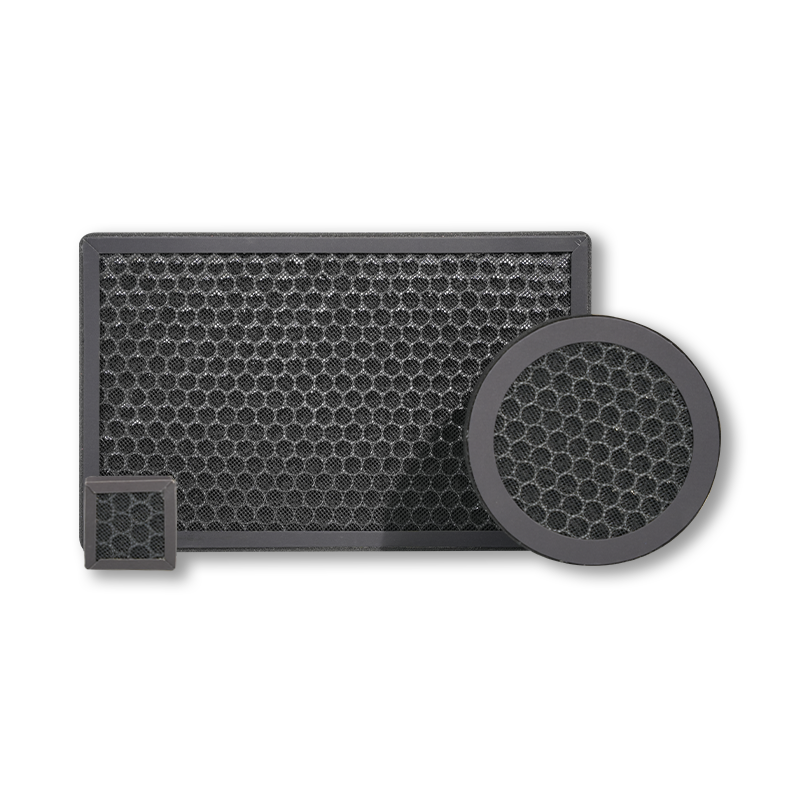
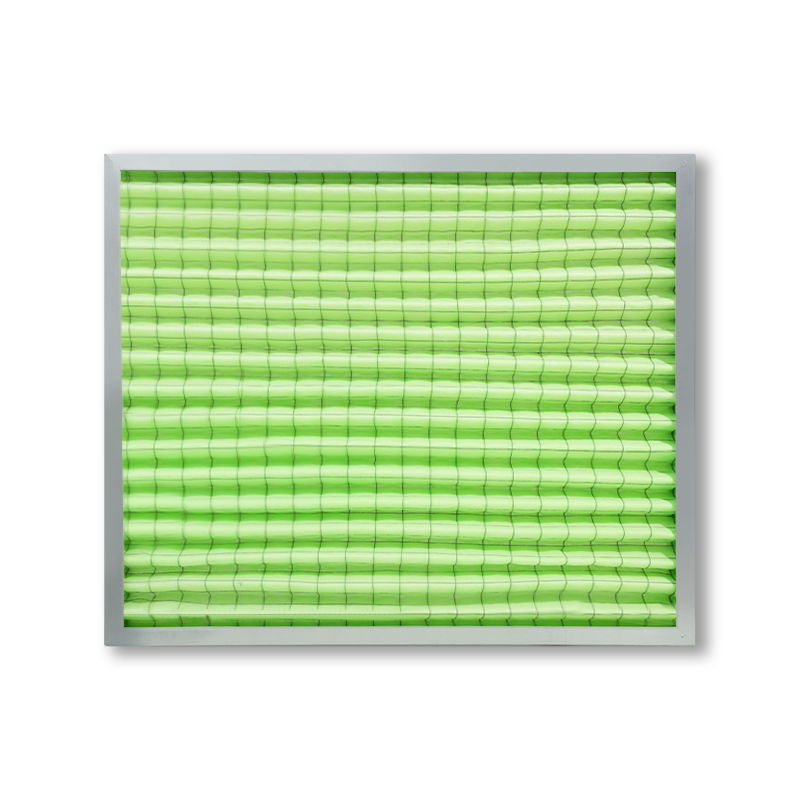
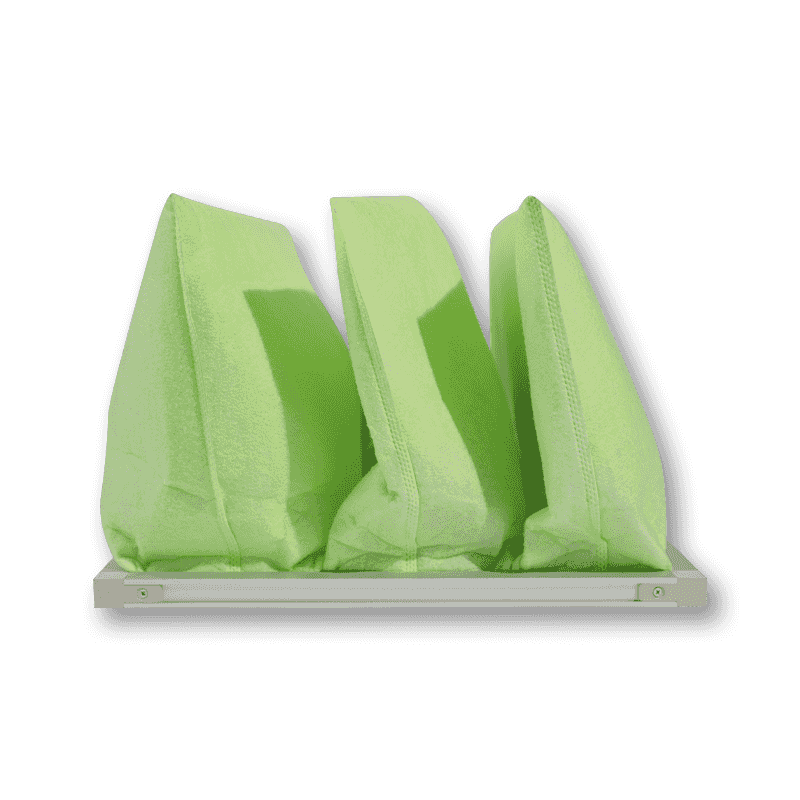
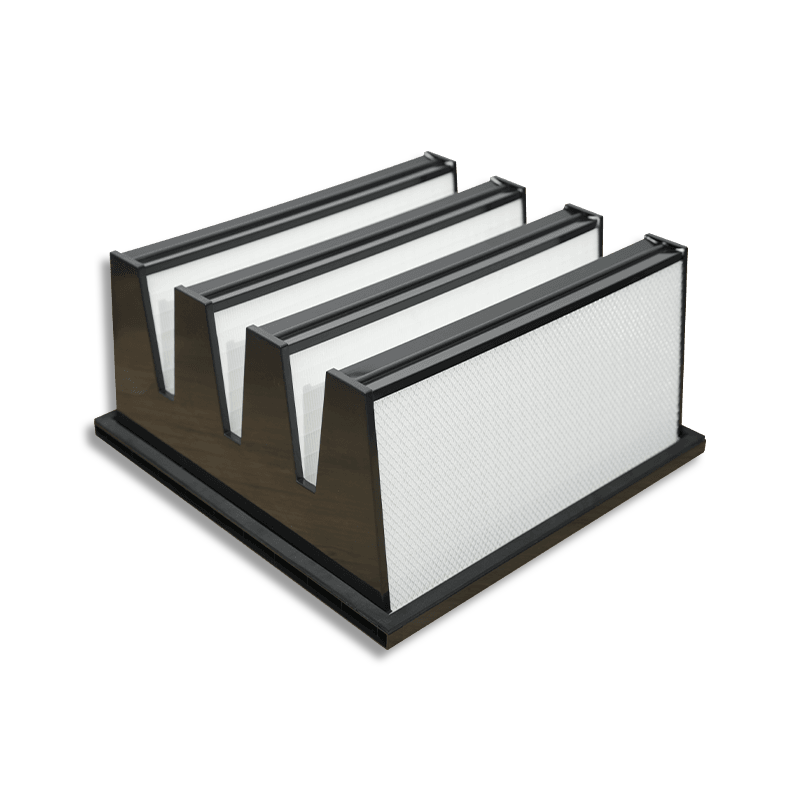
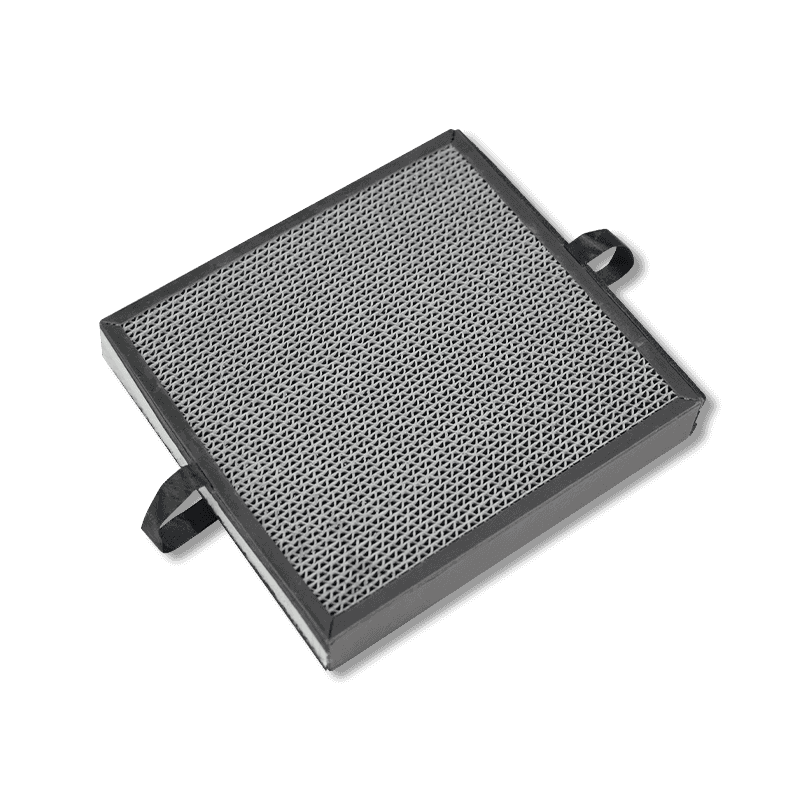
High-efficiency air filters (such as HEPA filters) are highly effective at capturing small particles in the air, including dust, pollen, mold spores, pet dander, bacteria, and other pollutants. These particles can be harmful to human health, especially for individuals with allergies, asthma, or other respiratory conditions. Airborne pollutants can exacerbate symptoms, making the indoor environment uncomfortable and potentially leading to long-term health issues. Therefore, using high-efficiency air filters can significantly improve indoor air quality, creating a healthier and more comfortable environment for employees, customers, and visitors.
For commercial spaces, improving air quality is not just about protecting health; it also enhances overall comfort and productivity. Cleaner air can reduce the presence of dust and pollutants, minimizing discomfort like headaches, dry eyes, and sore throats. These issues are often exacerbated in office environments or other areas with limited airflow. Fresh, clean air makes the workspace more comfortable, reducing the likelihood of employees suffering from respiratory issues and increasing their overall well-being. Additionally, the reduction in airborne allergens and harmful substances reduces the risk of long-term lung health problems, which is particularly important in workplaces where people spend long hours indoors.
In spaces like offices, conference rooms, and restaurants, clean air is crucial for maintaining high-quality indoor environments. By reducing pollutants, high-efficiency filters improve air quality, benefiting both workers and customers and ultimately boosting the overall atmosphere of a commercial space.
2. Health Benefits
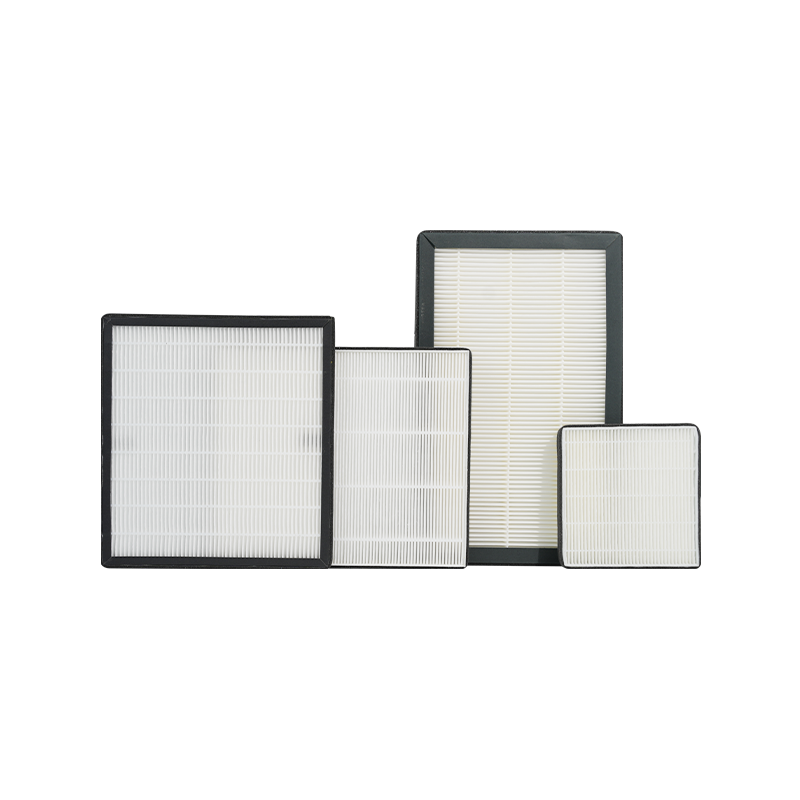
One of the greatest advantages of high-efficiency air filters is their ability to significantly improve air quality, thus reducing health risks. By improving air quality, the exposure of employees and customers to harmful substances is minimized, which is particularly beneficial for respiratory health. High-efficiency filters are able to capture over 99% of small particles in the air, effectively reducing the concentration of allergens (such as pollen, dust mites, and mold spores) and harmful bacteria. As a result, the likelihood of allergic reactions, asthma, and other respiratory problems is significantly reduced.
For example, in hospitals or medical facilities, clean air is crucial to preventing cross-contamination and reducing the risk of hospital-acquired infections. High-efficiency air filters can capture airborne bacteria, viruses, and mold spores, which can decrease the likelihood of airborne disease transmission. In offices, malls, and other public spaces, maintaining clean air helps reduce the spread of illnesses like the flu or common colds, protecting both employees and customers.
Additionally, good air quality can significantly boost employee productivity. Allergies and respiratory issues often lead to decreased work efficiency, absenteeism, and sick days. By filtering out harmful substances and improving air quality, businesses can help employees maintain better health, resulting in fewer sick days and less time spent on medical visits. This leads to lower healthcare costs and a more productive workforce.
3. Energy Efficiency
In addition to improving air quality, high-efficiency air filters can enhance the energy efficiency of HVAC (heating, ventilation, and air conditioning) systems. These filters are able to clean the air more effectively, allowing the HVAC system to operate more efficiently without being obstructed by particles and pollutants. When the air filters are clean, the airflow is unobstructed, and the HVAC system does not have to work as hard to circulate air, which leads to lower energy consumption.
|
Factor |
Other HEPA filters |
Lyusen HEPA filters |
|
Airflow Resistance |
Higher |
Lower |
|
Filtration Precision |
Lower |
Very High |
|
Energy Consumption |
High |
Low |
|
System Maintenance Frequency |
High |
Low |
|
Energy Efficiency |
Poor |
Excellent |
For example, in larger commercial spaces, using high-efficiency filters can reduce energy costs by 10-20% annually. This is especially beneficial in spaces that require constant airflow and temperature control. The reduced resistance in airflow means the HVAC system operates more smoothly, leading to less energy consumption for air conditioning, heating, and ventilation.
Furthermore, high-efficiency filters reduce the frequency of system maintenance, such as cleaning ducts and replacing filters, which helps save on long-term operating costs. Businesses can save on both energy and maintenance expenses while still maintaining optimal air quality.
4. Prolonged Equipment Life
Another key benefit of high-efficiency air filters is that they help extend the life of HVAC systems. The main function of air filters is to clean the air and prevent dust, debris, and other contaminants from entering the air conditioning, heating, and ventilation systems. By using high-efficiency filters, the amount of dust and contaminants entering the system is minimized, preventing clogs and damage to system components, which reduces the need for costly repairs and replacements.
Without high-efficiency filters, dust and particles accumulate on HVAC components such as fans, heating elements, and condensers, which can cause the system to underperform and eventually break down. By regularly using high-efficiency filters, businesses can reduce the likelihood of these issues, ensure optimal system performance, and extend the system’s lifespan.
For example, in large commercial buildings, a lack of proper filtration may lead to HVAC systems malfunctioning frequently, resulting in expensive repairs or the need for a complete system replacement. High-efficiency filters can help mitigate these risks, ultimately extending the life of HVAC systems and saving businesses money on long-term equipment costs.
5. Compliance with Health Standards
Many industries are subject to strict air quality regulations and health standards, especially those in healthcare, food service, and hospitality. For example, hospitals, clinics, and senior care facilities have very specific air quality requirements to ensure the health and safety of patients and staff. In these settings, the spread of bacteria, viruses, and other harmful substances can lead to serious health risks, making high-efficiency air filters an essential part of the operation.
Many countries and regions have laws and regulations regarding building air quality. For instance, the Occupational Safety and Health Administration (OSHA) in the U.S. mandates that employers take adequate measures to ensure employees are breathing clean air at work. Some commercial spaces must comply with specific certifications and inspections, such as LEED (Leadership in Energy and Environmental Design) or BREEAM (Building Research Establishment Environmental Assessment Method). These certifications require good indoor air quality (IAQ), and high-efficiency air filters can help businesses meet these standards, earning certifications and enhancing their reputation.
Complying with health standards not only helps businesses avoid legal risks but also enhances their corporate social responsibility. As consumers become more aware of air quality and environmental issues, businesses that demonstrate their commitment to health and sustainability are more likely to gain customer trust and strengthen their brand.