 English
 Español
 日本語
日本語
After office renovations, various building materials often emit unpleasant odors. These smells not only affect the comfort of the working environment but may also have negative health effects. How to effectively remove these odors has become a major concern for many. Cold catalytic air purifiers, as a new type of air purification device, are gradually gaining attention in the air purification field.

1. Working Principle of Cold Catalytic Air Purifiers
Cold catalytic air purifiers purify air using cold catalytic technology. Cold catalysis is a catalytic reaction process in which a catalyst acts on harmful gases and organic chemicals in the air at low temperatures, decomposing or converting them into harmless substances. Unlike traditional heating catalytic technology, cold catalysis does not require a high-temperature environment, thus enabling efficient air purification at room temperature.
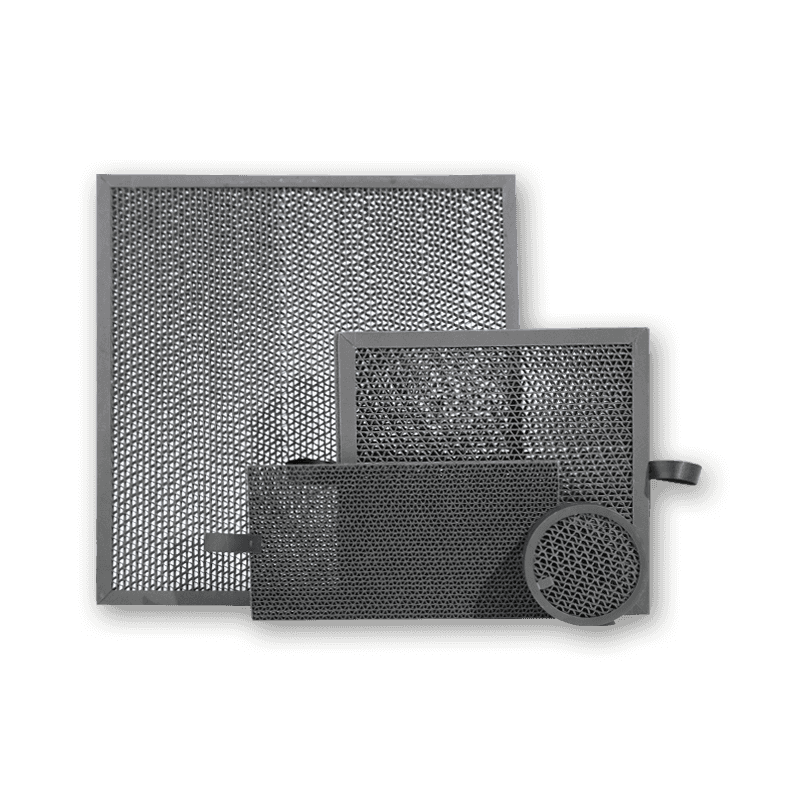
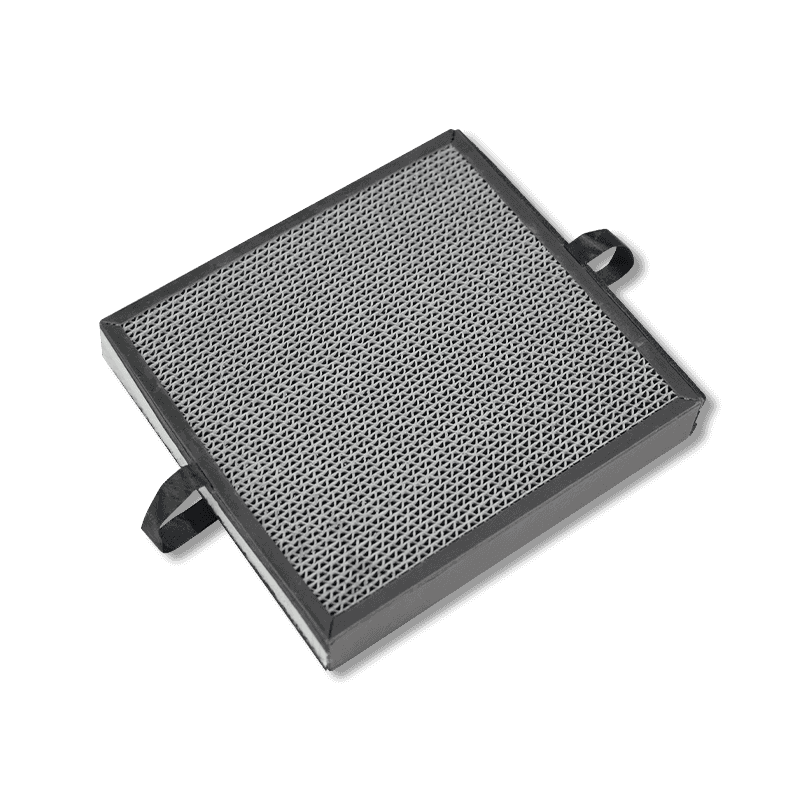
The core of a cold catalytic air purifier is the catalyst, which is typically composed of precious metals or semiconductor materials that accelerate the chemical reactions of harmful gases in the air. In this way, cold catalytic air purifiers can decompose harmful gases such as formaldehyde, benzene, and TVOCs (total volatile organic compounds) in the air, thereby purifying the air and eliminating odors.
2. Causes and Hazards of Odors After Renovation
Renovation odors mainly come from harmful substances released from renovation materials. Common harmful substances include formaldehyde, benzene, ammonia, and TVOCs. The following are the sources and hazards of these harmful substances:
Formaldehyde: Formaldehyde is the most common harmful gas during the renovation process, widely present in plywood, paint, flooring, and other renovation materials. Formaldehyde not only irritates the eyes and respiratory tract but is also classified as a carcinogen by the World Health Organization (WHO). Long-term exposure can lead to various health problems.
Benzene: Benzene is a toxic volatile organic compound, mainly derived from paints, varnishes, and other building materials. Benzene evaporates rapidly; long-term inhalation can cause headaches, nausea, insomnia, and in severe cases, may even lead to diseases such as leukemia.
Ammonia: Ammonia mainly comes from certain building materials, cleaning agents, and some chemicals used during renovations. Ammonia is highly irritating and can cause eye irritation, throat discomfort, and other symptoms.
TVOCs (Total Volatile Organic Compounds): TVOCs are a collective term for various organic compounds commonly found in paints, varnishes, furniture, flooring, and other materials. These compounds can be harmful to the respiratory, skin, and nervous systems.
After renovations, harmful gases from building materials can accumulate in enclosed office environments, leading to deteriorating air quality and affecting the health of employees. Therefore, eliminating these harmful gases and odors is crucial for restoring office air quality.
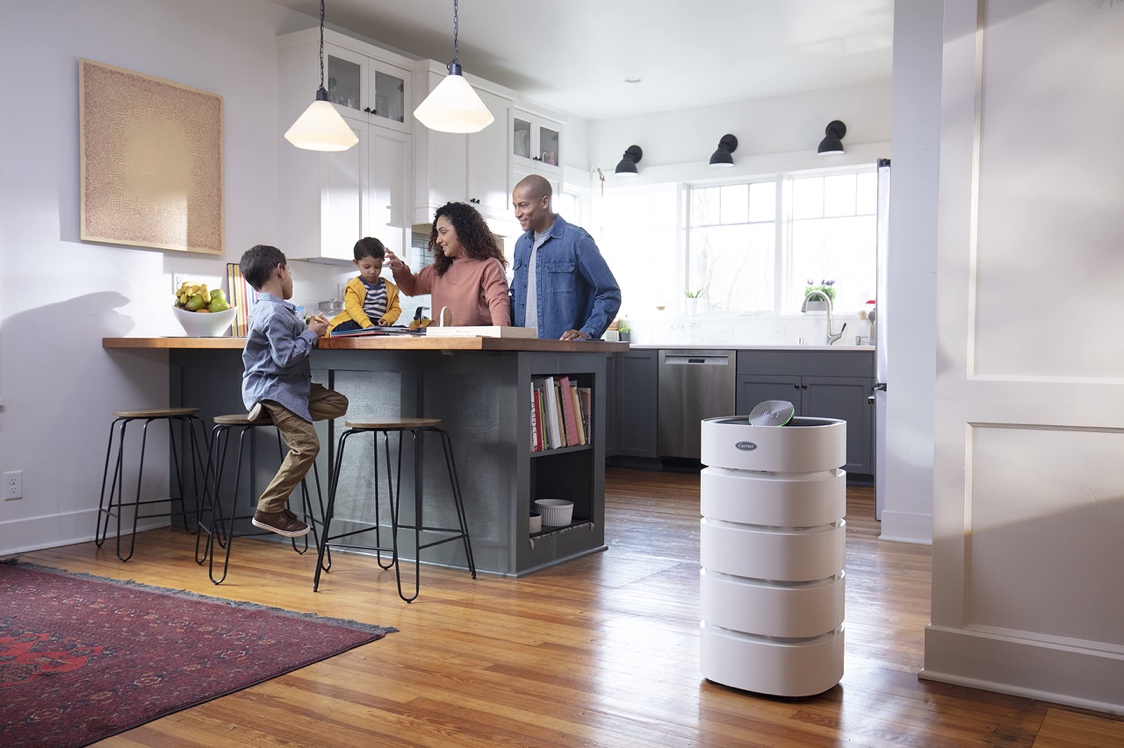
3. Advantages of Cold Catalytic Air Purifiers
Highly Efficient Decomposition of Harmful Gases: Cold catalytic air purifiers effectively decompose harmful gases such as formaldehyde, benzene, and ammonia, converting them into harmless substances through chemical reactions. This makes them more efficient at eliminating odors from renovations than simple physical filtration.
Low Energy Consumption and Low-Temperature Operation: Cold catalytic technology does not require a high-temperature environment, resulting in lower energy consumption for cold catalytic air purifiers. Furthermore, they do not generate excessive heat during use, making them suitable for continuous operation over extended periods.
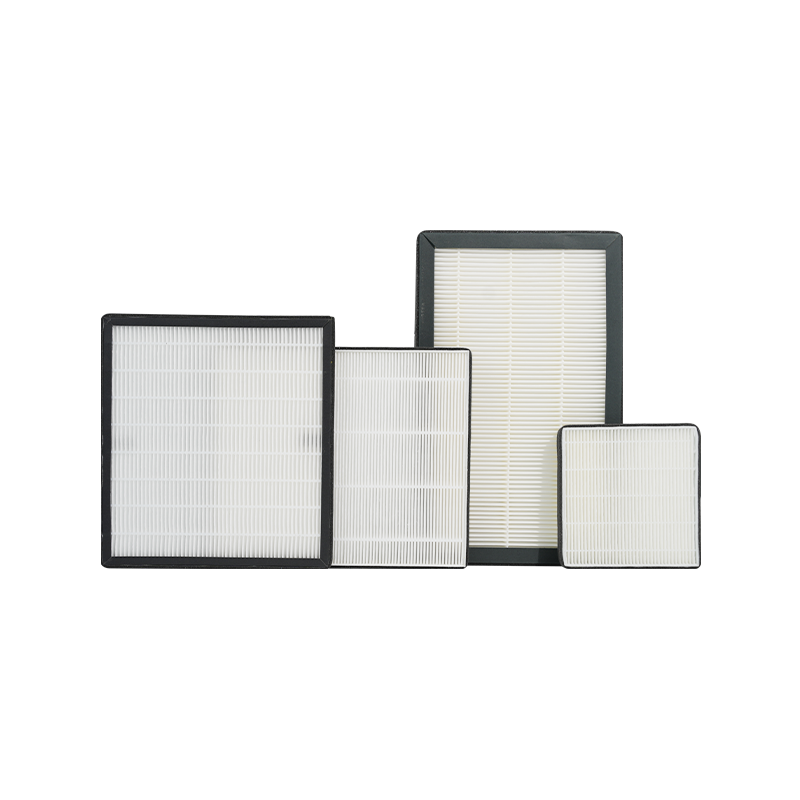
Multi-Function Filtration: Some cold catalytic air purifiers combine HEPA filtration and activated carbon adsorption technologies, not only decomposing harmful gases but also effectively removing particulate matter, dust, and pollen from the air, providing a more comprehensive air purification effect.
Maintaining Indoor Humidity: Unlike traditional high-temperature catalytic technologies, cold catalytic technology does not alter indoor humidity, thus preventing dryness during use and making it suitable for long-term use.
4. How to Choose the Right Air Purifier?
While cold catalytic air purifiers have advantages in eliminating renovation odors, they cannot solve all problems on their own. Depending on the specific conditions of the office, we can choose different types of air purifiers to ensure the most effective purification.
Choose the appropriate CADR value: CADR (Clean Air Delivery Rate) is an important indicator of an air purifier, representing how many cubic meters of air the purifier can process per hour. For larger office spaces, choosing a purifier with a higher CADR value ensures faster removal of harmful gases and odors.
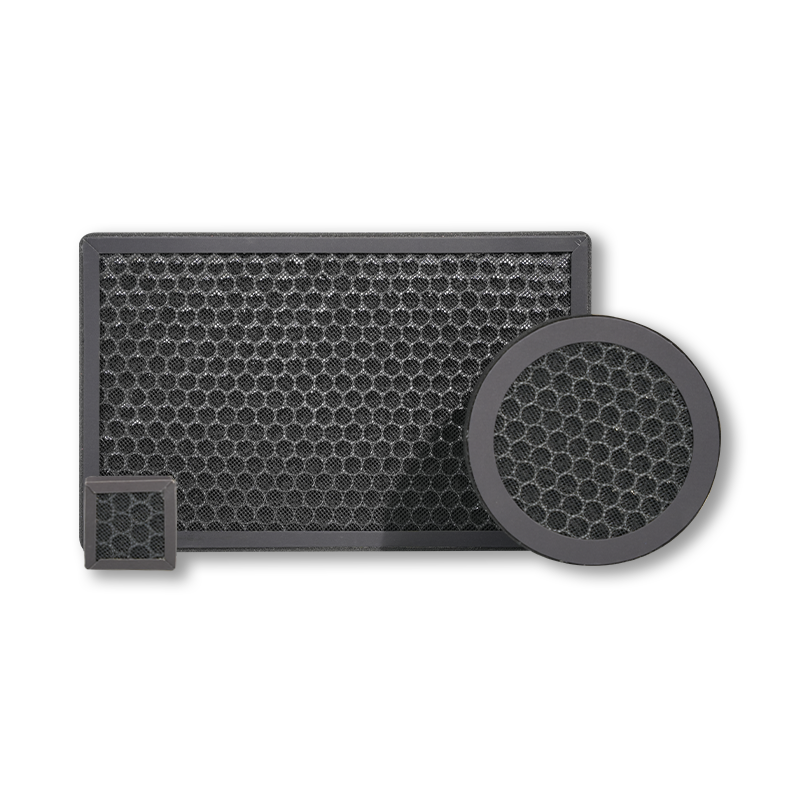
Multi-stage filtration technology: If a large amount of chemical materials were used in the renovation, it is recommended to choose an air purifier with multi-stage filtration technology. In addition to cold catalytic technology, activated carbon filters can adsorb harmful gases, and HEPA filters can filter fine particulate matter in the air, increasing purification efficiency.
Consider the noise and energy efficiency of the air purifier: In an office environment, low noise and high energy efficiency are important considerations when choosing an air purifier. Choosing a low-noise purifier can avoid affecting the working environment, while high energy efficiency can save energy and reduce operating costs.
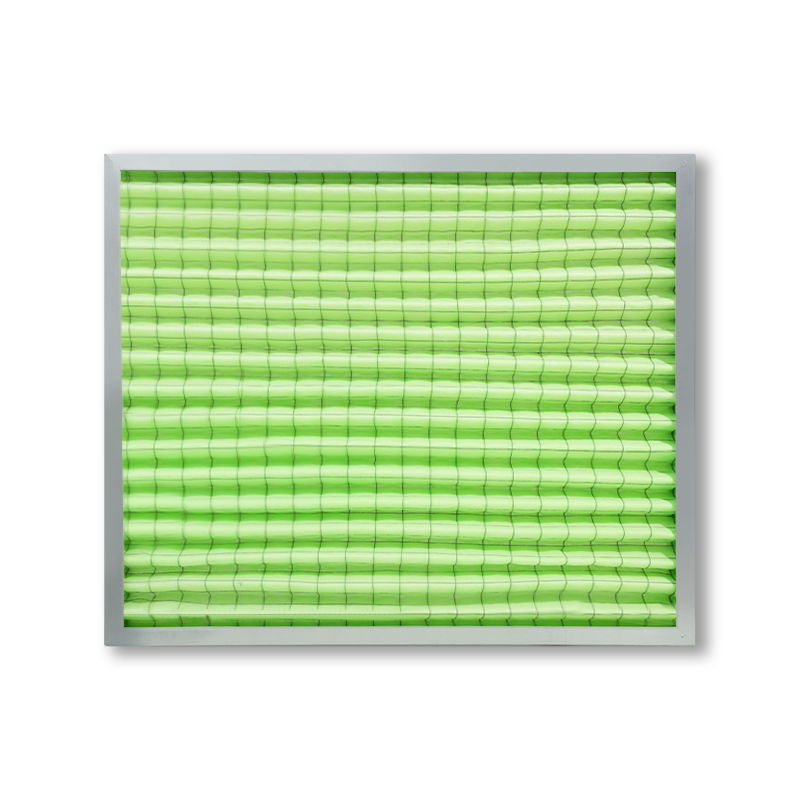
Regularly replace the filter and catalytic converter: To ensure the long-term effective operation of an air purifier, it is necessary to replace the filter and catalytic converter regularly. In purifiers that have been used for a long time, the catalytic converter may lose its activity, thus affecting the air purification effect.