 English
 Español
 日本語
日本語
For many pet owners and allergy sufferers, maintaining a clean and healthy living environment can often feel like a daunting task. With pet shedding, dust mites, pollen, and other allergens, it can sometimes feel like the air inside our homes is just as troublesome as the outside world. But there’s good news: high-efficiency air filters have proven to be an effective solution to improving indoor air quality, relieving symptoms, and providing comfort for those sensitive to allergens.
The Impact of Pets and Allergies on Indoor Air Quality
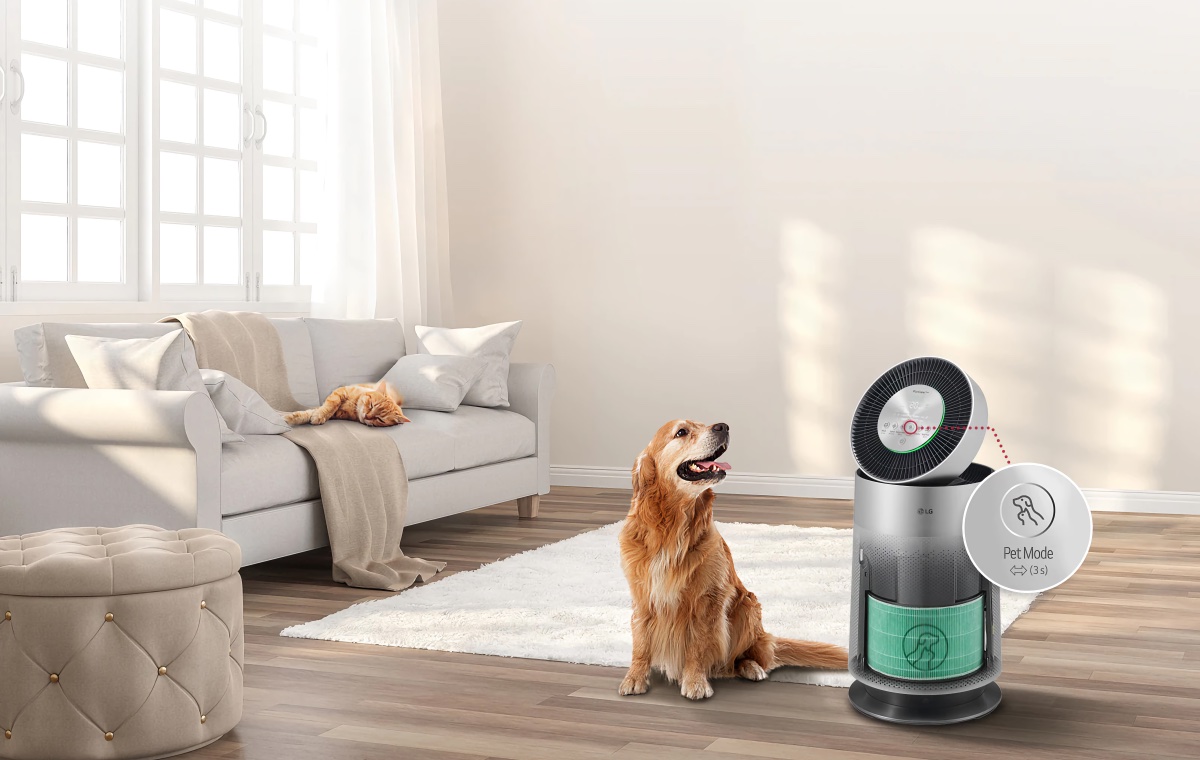
Pets, especially cats and dogs, can bring a range of allergens into the home. The primary allergen from pets is their dander (tiny flakes of skin), but their hair, saliva, and even urine can also affect indoor air quality. Pet hair is easily airborne, making it difficult for allergy sufferers to avoid. Additionally, these particles can linger in the air for days, causing persistent discomfort.
For those who suffer from allergies or asthma, common allergens like dust mites, mold spores, and pollen can trigger symptoms such as sneezing, itchy eyes, a runny nose, and difficulty breathing. In many cases, these allergens not only float in the air but also settle on furniture, carpets, and bedding, making it essential to keep both the air and surfaces clean.
Research has shown that pet hair and dander particles are more difficult to remove than dust mites and pollen, as they tend to be much smaller and stick more effectively to surfaces. As a result, many allergy sufferers and pet owners face the challenge of dealing with poor indoor air quality.
How High-Efficiency Air Filters Help
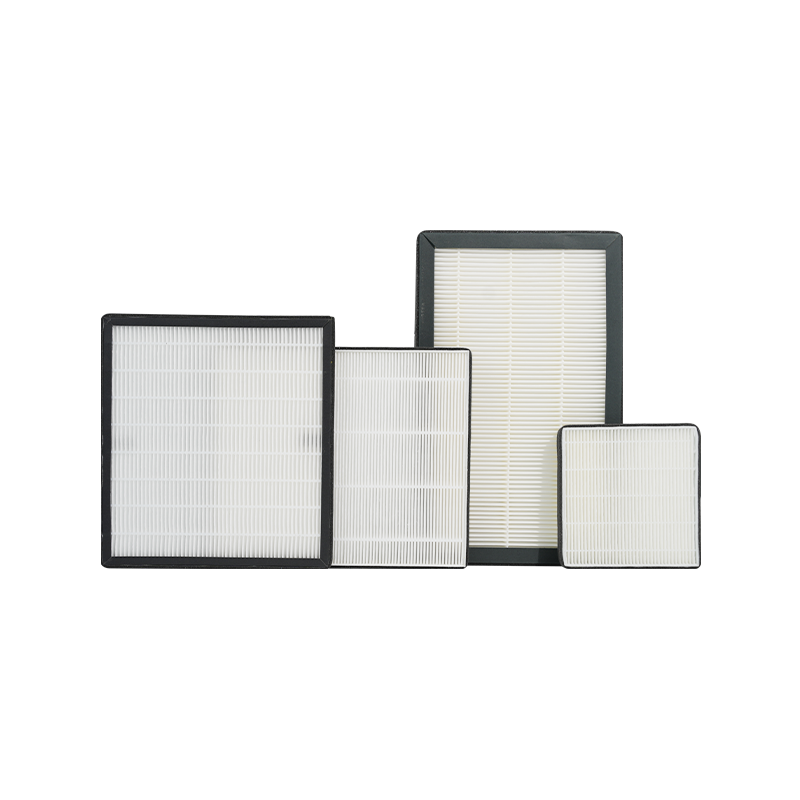
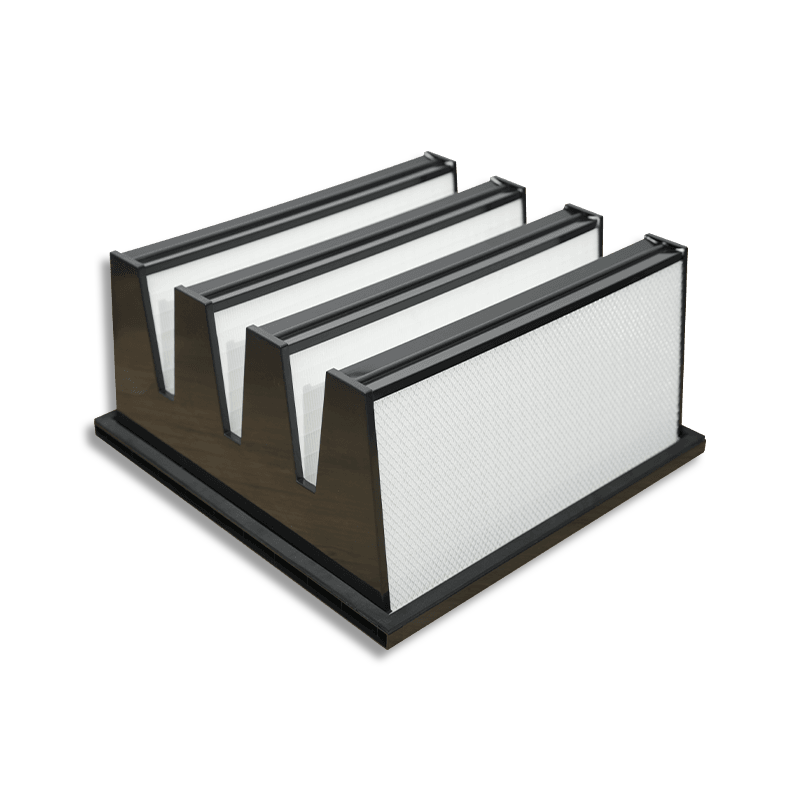
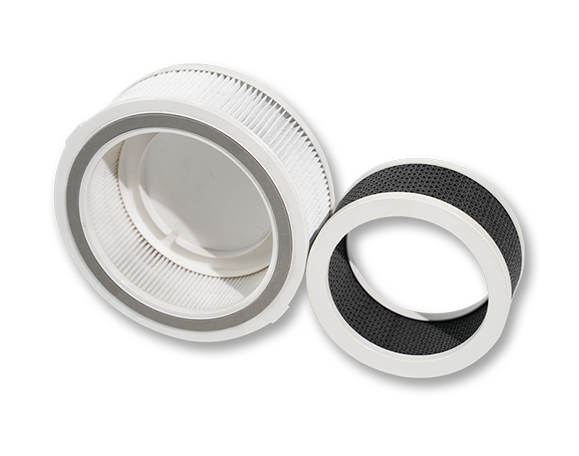
A High-Efficiency Particulate Air (HEPA) filter is designed to capture tiny particles in the air, including those that are invisible to the naked eye, such as dust, pollen, pet dander, and mold spores. HEPA filters can trap particles as small as 0.3 microns in diameter with an efficiency of up to 99.97%, making them an ideal choice for reducing allergens in the home.
The main advantage of HEPA filters lies in their high-efficiency filtering capability, which can effectively remove various microscopic particles from the air. Many air purifiers on the market today are equipped with HEPA filters. These devices work by drawing in air and passing it through a filter that captures airborne particles, then releasing clean, filtered air back into the room. These purifiers can significantly improve air quality, reduce the presence of allergens, and provide relief to sensitive individuals.
The Science Behind HEPA Filters
HEPA filters work through three mechanisms to effectively capture airborne particles, ensuring that most allergens are removed:
- Interception: Larger particles, like pet dander and dust, are directly intercepted by the fibers of the filter as air passes through.
- Inertial Impaction: Larger particles that can’t flow around the filter fibers are trapped due to their inertia.
- Diffusion: Tiny particles, like pollen or smoke, slow down as they pass through the filter, making them more likely to get trapped by the fibers.
By employing these mechanisms, HEPA filters achieve very high efficiency in removing fine particles. The higher the efficiency of the filter, the better it can capture smaller particles.
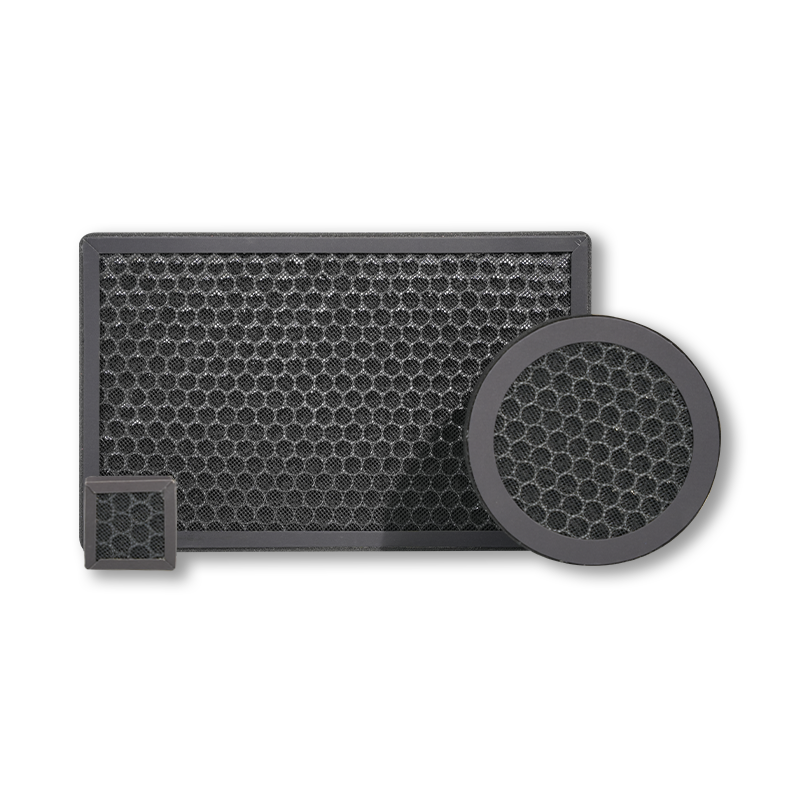
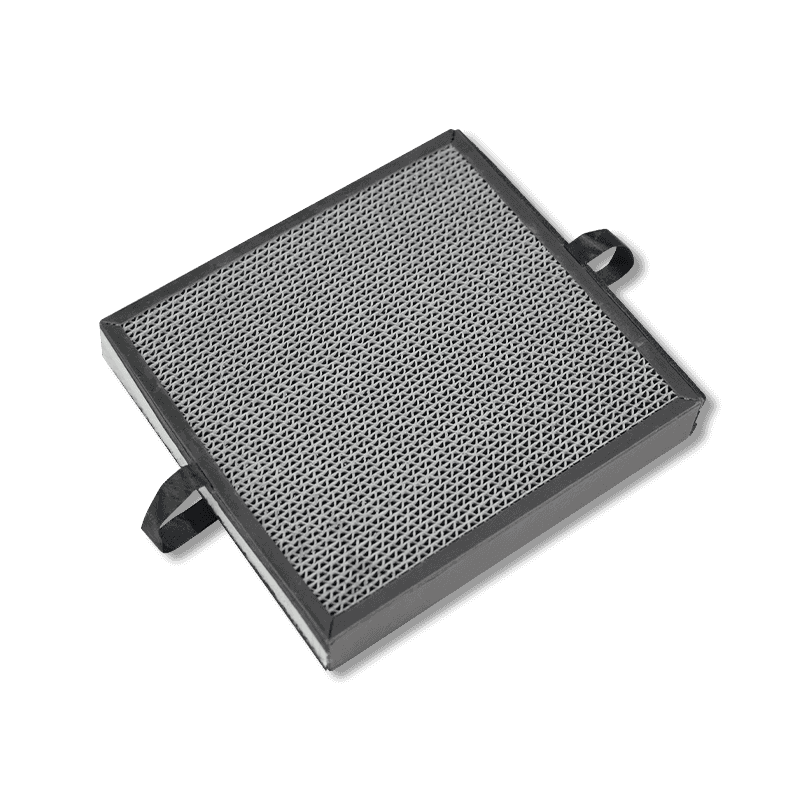
Additionally, some modern air purifiers are equipped with activated carbon filters, which can remove harmful gases and odors, such as pet smells or fumes from household cleaners.
Choosing the Right Air Filter
When selecting an air purifier, it’s important to consider the size of the room you want to purify. Many air purifiers are rated for specific room sizes (e.g., small, medium, or large rooms), so choosing one that matches your room size ensures the unit operates at peak efficiency. A properly matched air purifier will not only clean the air effectively but also reduce energy waste.
Additionally, regular maintenance is essential to keep the air filter working effectively. Over time, filters may become clogged with debris, reducing their ability to capture allergens and lowering their overall effectiveness. Therefore, it’s important to replace or clean filters according to the manufacturer’s recommendations to ensure the air purifier continues to work at its best.
When choosing an air purifier, users should also pay attention to the noise level, especially in bedrooms or areas where a quiet environment is important. Modern high-efficiency air filters are often designed to operate quietly, even at higher settings, so they won’t disturb daily activities.
For those living with pets or allergies, a high-efficiency air filter is undoubtedly an effective tool for solving indoor air quality issues. By purchasing an air purifier equipped with a HEPA filter, along with regular cleaning and filter replacement, users can significantly improve the freshness of the air in their home, reduce airborne allergens, and create a healthier and more comfortable living environment.
Whether it’s pet hair, dust mites, or common airborne allergens, a high-efficiency air filter can become an essential part of improving air quality and protecting your health. So if you’re tired of constant sneezing or itchy eyes, it might be time to consider adding a high-efficiency air filter to your home and start breathing easier.