 English
 Español
 日本語
日本語
Keeping the water in a small aquarium clean, clear, and safe for its inhabitants is one of the most important responsibilities every fishkeeper takes on. Among the many filtration options available today, the activated carbon sponge filter has become one of the most popular choices for nano tanks, betta bowls, shrimp tanks, and other compact aquatic setups. It combines two proven filtration technologies — mechanical sponge filtration and chemical carbon adsorption — into a single, compact, and easy-to-maintain unit.
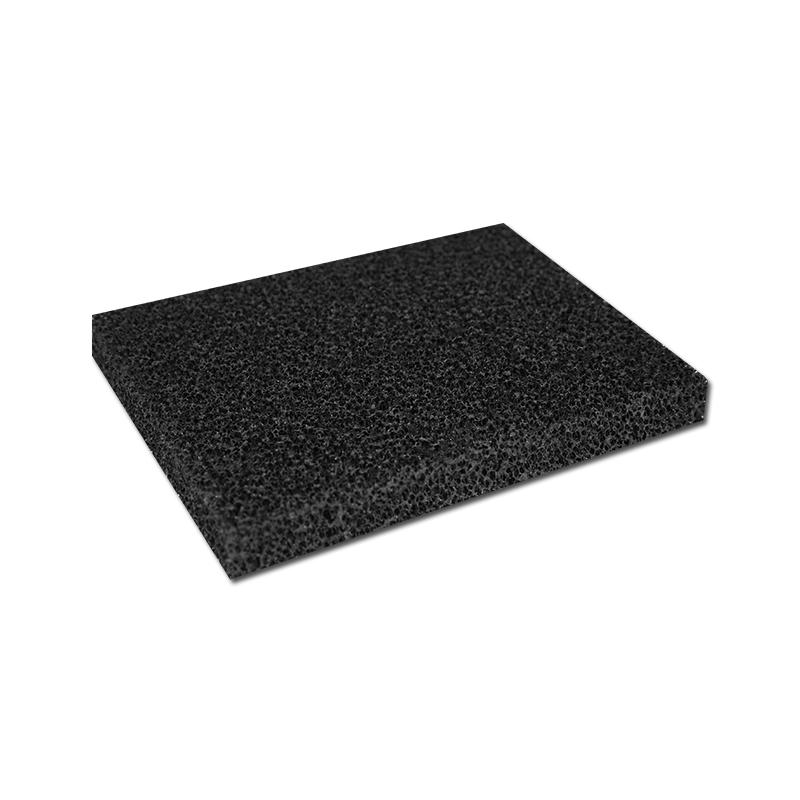
1. Understanding What an Activated Carbon Sponge Filter Is
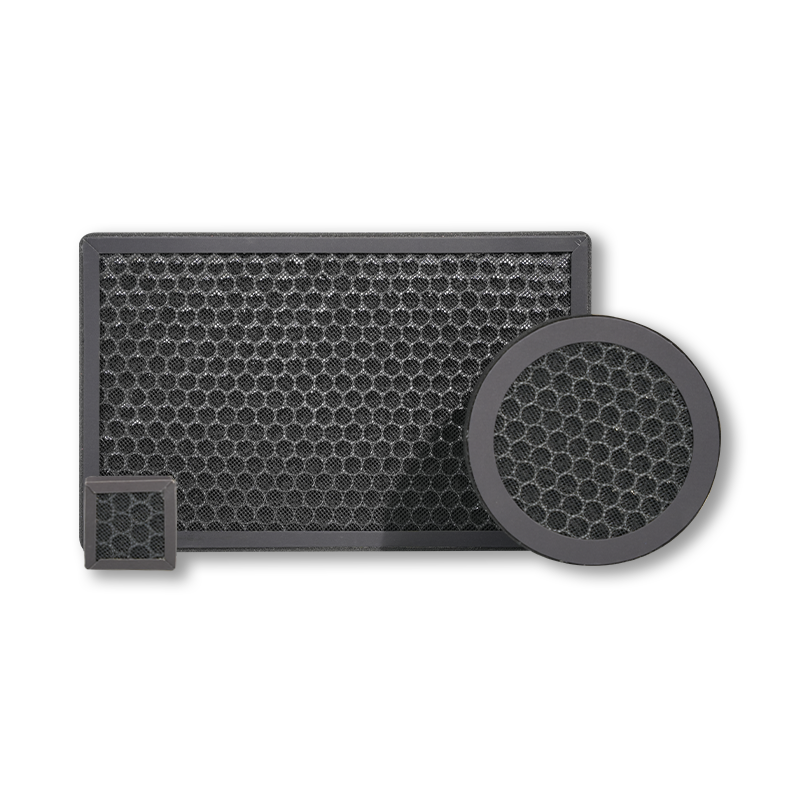
An activated carbon sponge filter is a filtration device that integrates a porous foam sponge with an internal or attached chamber of activated carbon granules or pellets. The sponge component handles mechanical filtration, trapping suspended debris such as uneaten food, fish waste, and plant matter as water passes through its porous structure. At the same time, beneficial bacteria colonize the surface and internal channels of the sponge, providing biological filtration that converts toxic ammonia and nitrite into safer nitrate through the nitrogen cycle.
The activated carbon layer adds a third dimension of filtration: chemical adsorption. Activated carbon is manufactured through a high-temperature activation process that creates an extremely large internal surface area full of microscopic pores. These pores attract and trap dissolved organic compounds, tannins, medications residues, odors, and discoloration from the water column, resulting in noticeably clearer and fresher-smelling water. For small tanks where water volume is limited and pollutants can concentrate quickly, this combination filter offers a highly efficient, space-saving solution.
2. Why Small Tanks Benefit Especially From This Filter Type
Small aquariums, typically ranging from 1 to 20 gallons, present a unique filtration challenge. Because the water volume is limited, any waste produced by fish, shrimp, or snails has a proportionally larger impact on water chemistry than it would in a large tank. Ammonia spikes can happen faster, and organic buildup can cloud the water or produce unwanted odors within just a day or two of neglect.
An activated carbon sponge filter is particularly well suited to this environment for several reasons:
- Compact footprint:These filters are designed to fit inside or attach to small enclosures without taking up excessive swimming space.
- Gentle water flow:Many models are air-pump driven, producing a soft current that is ideal for delicate species such as bettas, shrimp, and fry that can be stressed by strong currents.
- Three-in-one filtration:Mechanical, biological, and chemical filtration are combined in one unit, simplifying setup and reducing the number of separate components needed.
- Cost efficiency:A single filter handles multiple filtration roles, which can be more economical than purchasing separate media and equipment.
3. Key Factors to Consider When Choosing a Filter
3.1 Tank Size and Water Volume
The first and most fundamental consideration is matching the filter's rated capacity to your tank's actual water volume. Most manufacturers list a recommended tank size range on the packaging, such as "suitable for tanks up to 10 gallons." Choosing a filter rated for your tank size — or slightly above it — helps ensure the sponge and carbon media have enough surface area to keep pace with the bioload produced by your fish and other inhabitants. For tanks housing a moderate number of fish or a planted setup with heavier organic input, opting for a filter rated for a slightly larger volume can provide a helpful safety margin.
3.2 Sponge Density and Pore Structure
Sponge filters typically come in different densities, often described as fine, medium, or coarse pore structures. A denser, finer sponge captures smaller particles and produces exceptionally clear water, which works well in tanks with sensitive species or where visual clarity is a priority, such as in shrimp or nano fish displays.On the other hand, the specific surface area of sponge increases as the pore size becomes finer (PPI increases). The real advantage of sponges with coarse pores is that they are more resistant to clogging and have smoother water flow. Some premium products feature dual-density or layered sponge designs that combine a rough outer layer with a finer inner layer to balance the benefits of both.
3.3 Quality and Type of Activated Carbon
Not all activated carbon is created equal, and the quality of the carbon media has a direct impact on filtration performance. Look for carbon that is described as aquarium-grade or specifically manufactured for aquatic use, as this ensures it has been rinsed and prepared to avoid introducing dust or phosphates into the water. Carbon is commonly available in granular, pelletized, or bonded pad form:
- Granular activated carbon (GAC):Offers a large surface area and strong adsorption capacity, ideal for general water polishing and odor control.
- Pelletized carbon:Denser and slower to exhaust, often praised for longer-lasting performance in smaller filtration chambers.
- Carbon-infused sponge or pad:Convenient all-in-one media that simplifies replacement, ideal for beginners who prefer straightforward maintenance.
Coconut-shell-based activated carbon is widely regarded as a premium option due to its fine pore structure and high adsorption efficiency, making it a popular ingredient in many high-quality aquarium filter products.
3.4 Flow Rate and Turnover Rate
Flow rate, usually measured in gallons per hour (GPH) or liters per hour (LPH), determines how quickly the filter cycles the entire tank volume. A commonly recommended benchmark is achieving a turnover of the full tank volume approximately four to six times per hour for adequately filtered water. For small tanks with delicate species, a gentler turnover toward the lower end of that range is often preferable, while tanks with more active or larger fish can benefit from filters offering a higher flow rate. Many adjustable models include a flow control valve, giving you the flexibility to fine-tune the current to suit your tank's specific residents.
3.5 Compatibility With Tank Inhabitants
Different species have different filtration preferences. Bettas generally thrive with soft, low-turbulence flow, so an air-driven sponge filter with an adjustable air valve is often ideal. Shrimp and shrimp fry benefit enormously from sponge filters because the fine pore structure prevents baby shrimp from being pulled into the filtration mechanism, unlike many powered filters with intake tubes. Community nano fish tanks with species such as tetras or rasboras can typically handle a slightly higher flow, provided there are enough plants or decorations to create resting areas out of the main current.
3.6 Ease of Installation and Maintenance
A well-designed activated carbon sponge filter should be simple to install, typically requiring only suction cups or a weighted base to secure it to the tank floor or glass, along with an air line or power cord connection. Look for models with a tool-free, snap-open housing that allows quick access to the carbon chamber and sponge for rinsing or replacement. Filters with clearly separated compartments for the sponge and carbon media make routine maintenance faster and help extend the lifespan of both components, since each can be cleaned or replaced independently based on its own service interval.
3.7 Noise Level
For tanks placed in bedrooms, offices, or living areas, quiet operation is often a top priority. Air-driven sponge filters paired with a high-quality, adjustable air pump tend to run the quietest, with sound levels barely noticeable in a typical room. When shopping, look for product descriptions that specify decibel ratings or highlight "whisper-quiet" or "silent operation" features, and consider pairing the filter with a dual-outlet air pump that allows you to fine-tune airflow for minimal noise.
3.8 Build Material and Safety
Since the filter sits directly in the water alongside your fish, material safety is essential. Choose products made from BPA-free, non-toxic plastics and aquarium-safe foam that will not leach harmful substances into the water over time. Many reputable manufacturers highlight food-grade or medical-grade materials in their sponge construction, which is a good indicator of overall product quality and safety standards.
3.9 Media Replacement Cycle and Value
Activated carbon has a finite adsorption capacity and will need periodic replacement to remain effective, typically every three to four weeks depending on bioload and water conditions. When comparing products, consider whether replacement carbon cartridges or refill packs are readily available and reasonably priced, as this affects the long-term cost of ownership. Filters that use a modular design, where the carbon component can be swapped without replacing the entire sponge, often provide better value over time.
4. A Step-by-Step Approach to Making Your Selection
With so many specifications to weigh, it helps to follow a structured decision-making process:
- Measure your tank's exact water volumeand identify the manufacturer's recommended tank size range for each filter under consideration.
- Identify the needs of your tank inhabitants— for example, whether you are keeping bettas, shrimp, fry, or a community of small fish — and prioritize the flow style that suits them best.
- Decide between air-driven and powered modelsbased on your preference for quiet operation versus higher flow output.
- Check the sponge densityand choose fine, medium, coarse, or layered sponge construction according to your desired balance of water clarity and bacterial surface area.
- Review the carbon media type and quality, favoring aquarium-grade granular or pelletized carbon from a reputable source.
- Confirm ease of maintenanceby looking at how the housing opens and how simply the sponge and carbon can be rinsed or swapped.
- Compare replacement media availability and costto estimate the long-term value of the filter.
- Read verified customer feedbackfocusing on real-world performance in tanks similar in size and stocking to your own.
5. Installation Tips for Best Performance
Once you've selected a suitable activated carbon sponge filter, proper installation helps you get the most out of its filtration capabilities. Rinse the sponge and carbon media under dechlorinated water before first use to remove any manufacturing dust or loose particles. Position the filter in an area of the tank with reasonably open water flow, avoiding tight corners where circulation might be restricted, so that water is drawn through the media efficiently from multiple directions. If using an air-driven model, connect the air line securely to a properly sized air pump and check that bubbles rise steadily and consistently once powered on, which confirms adequate suction through the sponge. Allow a short break-in period of one to two weeks for beneficial bacteria to establish within the sponge structure, which will enhance biological filtration over time. During this period, monitor water parameters with a standard test kit to confirm the nitrogen cycle is progressing as expected.
6. Ongoing Maintenance and Replacement Schedule
Maintaining an activated carbon sponge filter is straightforward once you establish a routine. Here is a general schedule that works well for most small tank setups:
- Weekly:Visually inspect the sponge for visible debris buildup and check that water flow through the filter remains steady.
- Every 2–3 weeks:Gently rinse the sponge in a bucket of removed tank water (never tap water, to preserve beneficial bacteria) to clear trapped debris while keeping the bacterial colony intact.
- Every 3–4 weeks:Replace the activated carbon media, as its adsorption capacity becomes exhausted over time and continuing to use spent carbon provides diminishing benefit.
- Every 6–12 months:Consider replacing the sponge itself if it becomes overly compacted or worn, while retaining a portion of the old sponge nearby to help re-seed bacteria in the new one.
Following a consistent maintenance rhythm keeps mechanical, biological, and chemical filtration all working at peak efficiency, ensuring your small tank stays clear, healthy, and pleasant for both its inhabitants and anyone viewing it.
7. Additional Tips for Long-Term Success
Beyond the initial purchase decision, a few additional habits can help you get lasting value and performance from your activated carbon sponge filter:
- Keep a spare sponge or carbon cartridge on hand so that replacements can be done promptly without disrupting your maintenance schedule.
- Pair the filter with a reliable, appropriately sized air pump if using an air-driven model, as pump quality directly affects flow consistency and noise level.
- Combine the sponge filter with regular partial water changes for a comprehensive water quality maintenance routine.
- Label replacement dates on a small calendar or reminder app to stay consistent with the carbon replacement cycle.
- When stocking a new tank, consider slightly oversizing your filter choice to provide extra filtration capacity as your fish grow or as you add more inhabitants over time.
Choosing the right activated carbon sponge filter for a small fish tank comes down to understanding the interplay between tank size, sponge density, carbon quality, flow style, and the specific needs of your fish or invertebrates. By carefully matching these factors to your setup — and by following a consistent maintenance and carbon replacement schedule — you can enjoy clear, healthy, and well-oxygenated water with minimal effort. A thoughtfully chosen activated carbon sponge filter offers small tank owners an efficient, quiet, and space-saving way to provide comprehensive three-in-one filtration, supporting a thriving aquatic environment for years to come.