 English
 Español
 日本語
日本語
1. HEPA (High-Efficiency Particulate Air) Filters
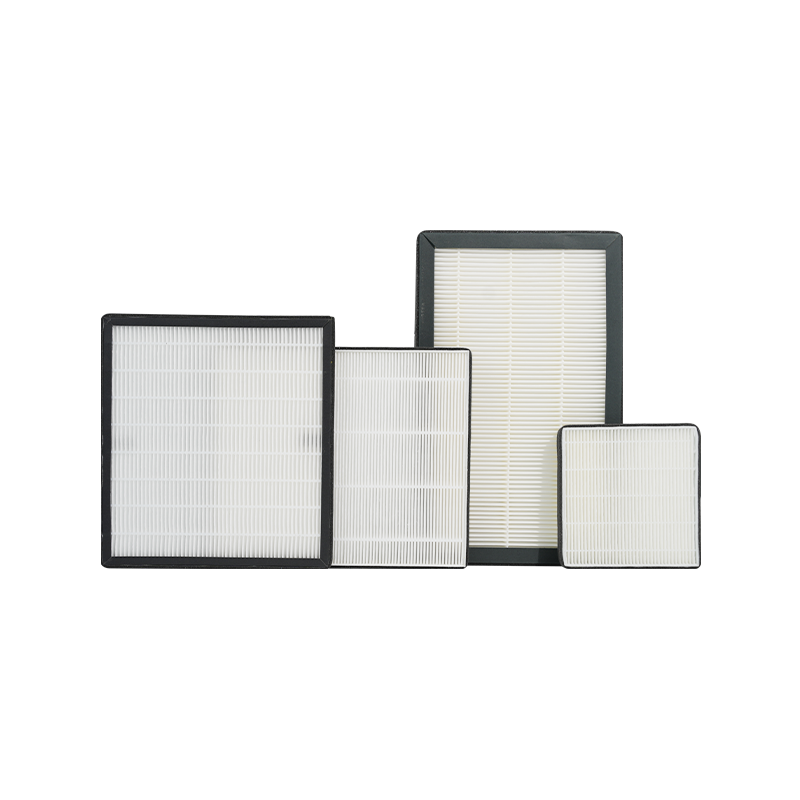
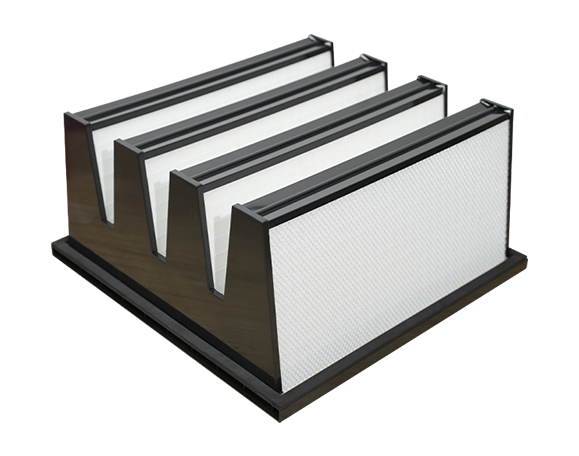
HEPA (High-Efficiency Particulate Air) filters are high-efficiency filtration devices that capture 99.97% of airborne particles with a size of 0.3 microns. The principle behind HEPA filters is based on multiple filtering layers that physically trap solid particles from the air through mechanisms such as resistance and inertial collision. These filters are highly effective at removing larger pollutants, such as dust, pollen, and pet hair.
Role of HEPA Filters in Cars
Many modern vehicles are equipped with standard air filtration systems that aim to protect drivers from pollutants outside the vehicle. In areas with high air pollution, HEPA filters can greatly improve the driving experience.
Filtering particulate pollution: The most significant advantage of HEPA filters is their ability to effectively remove particulate matter from the air inside the vehicle, such as dust, pollen, smoke, and fine particles like PM2.5. In high-pollution urban environments, fine particulate matter can seriously harm human health over time, contributing to respiratory diseases, cardiovascular conditions, and other long-term issues. HEPA filters can greatly reduce the concentration of these pollutants inside the car, thus protecting the health of the driver and passengers.
Improving air quality: HEPA filters operate efficiently, helping to filter out pollutants from the outside air that enter the vehicle. For individuals with allergies, particularly those who are allergic to pollen or dust, HEPA filters can significantly improve the air quality and comfort inside the car.
Dealing with severe pollution: In cases of atmospheric pollution, smog, or smoke (such as during forest fires), HEPA filters are effective at reducing the infiltration of external pollutants into the vehicle, thereby safeguarding the respiratory system of the occupants.
Considerations for Choosing HEPA Filters in Cars
When deciding whether to install or upgrade to a HEPA filter in your vehicle, there are several factors to keep in mind. While HEPA filters offer significant benefits in terms of improving air quality, especially in high-pollution environments, there are important aspects to consider regarding their overall effectiveness, maintenance, and cost.
Limited Effectiveness Against Gaseous Pollutants
HEPA filters are specifically designed to capture solid particles, such as dust, pollen, pet dander, and other particulate matter. They are extremely effective at removing these pollutants from the air inside a vehicle, especially in areas with high levels of particulate pollution, like urban cities or places with frequent smog or wildfire smoke. However, HEPA filters are not designed to tackle gaseous pollutants.
Vehicle exhaust fumes contain harmful gases like carbon monoxide, nitrogen dioxide, and ozone—substances that can be harmful to human health. Unfortunately, HEPA filters are not effective at filtering out these gases, as they are built to capture solid particles and not gases. This limitation means that if you are concerned about the presence of gas pollutants inside your car, such as when driving through areas with heavy traffic or near industrial zones, HEPA filters alone will not address the full spectrum of air quality concerns.
For individuals who live in high-pollution areas or are frequently exposed to vehicular emissions, it’s important to supplement the HEPA filter with other types of filtration, such as activated carbon filters, which are specifically designed to absorb gases and odors. This combination can provide a more comprehensive approach to improving in-car air quality.
Need for Regular Maintenance and Replacement
The effectiveness of HEPA filters, like any filtration system, is directly tied to how frequently they are maintained and replaced. Over time, as the filter captures particles, it becomes increasingly clogged with dust, dirt, and other airborne pollutants. As the filter accumulates particles, its ability to capture new contaminants diminishes, which can lead to a reduction in overall air quality inside the car.
To ensure that the HEPA filter remains effective in trapping particles and maintaining good air quality, it needs to be replaced periodically. Typically, this replacement is recommended every 12,000 to 15,000 miles or at least once a year, depending on the driving conditions and environmental factors. Drivers who frequently commute in areas with heavy air pollution or who drive long distances may need to replace their filters more often. Regular maintenance is crucial not only for air quality but also for maintaining the efficiency of the vehicle’s HVAC system, as a clogged filter can reduce airflow and strain the system.
Ignoring the need for regular replacement can lead to suboptimal filtration, which may allow harmful particles to remain in the vehicle's cabin air. Therefore, those considering a HEPA filter for their car should factor in the ongoing maintenance and replacement requirements to ensure it continues to provide optimal performance.
Higher Initial and Replacement Costs
Another consideration when opting for HEPA filters is the cost. HEPA filters are generally more expensive than regular cabin air filters due to their superior filtering capabilities. The initial cost of purchasing and installing a HEPA filter system in your vehicle can be significantly higher compared to standard filters. This upfront cost may be a deterrent for some car owners, particularly if they are on a tight budget or are hesitant about the long-term benefits.
In addition to the higher initial cost, the replacement cost for HEPA filters can also be relatively steep. Since the filter needs to be replaced regularly (every 12,000 to 15,000 miles or once a year), this can add up over time, especially if the car is driven in highly polluted areas. For some drivers, this ongoing expense may influence their decision on whether to invest in a HEPA filter, as the total cost of ownership can be higher than with traditional cabin filters.
It's important to weigh the cost of the HEPA filter against the potential health benefits, especially for those with allergies, asthma, or sensitivities to airborne particles. For drivers in high-pollution areas or those who spend a lot of time in their cars, the investment in a HEPA filter may be well worth the added cost, as it can significantly improve indoor air quality and reduce the risks associated with exposure to harmful particles.
2.Activated Carbon Filters: Enhancing Air Quality Inside Your Vehicle
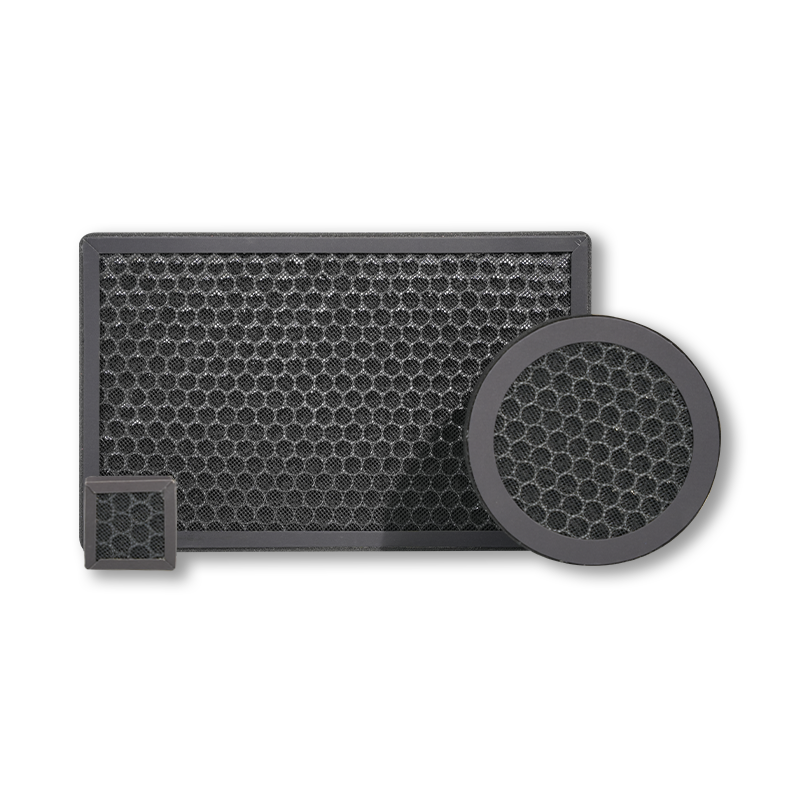
Activated carbon filters are specifically designed to address gaseous pollutants, making them an excellent choice for improving air quality inside your car. These filters use the highly porous surface of activated carbon to adsorb harmful gases and odors, creating a cleaner and more pleasant driving environment.
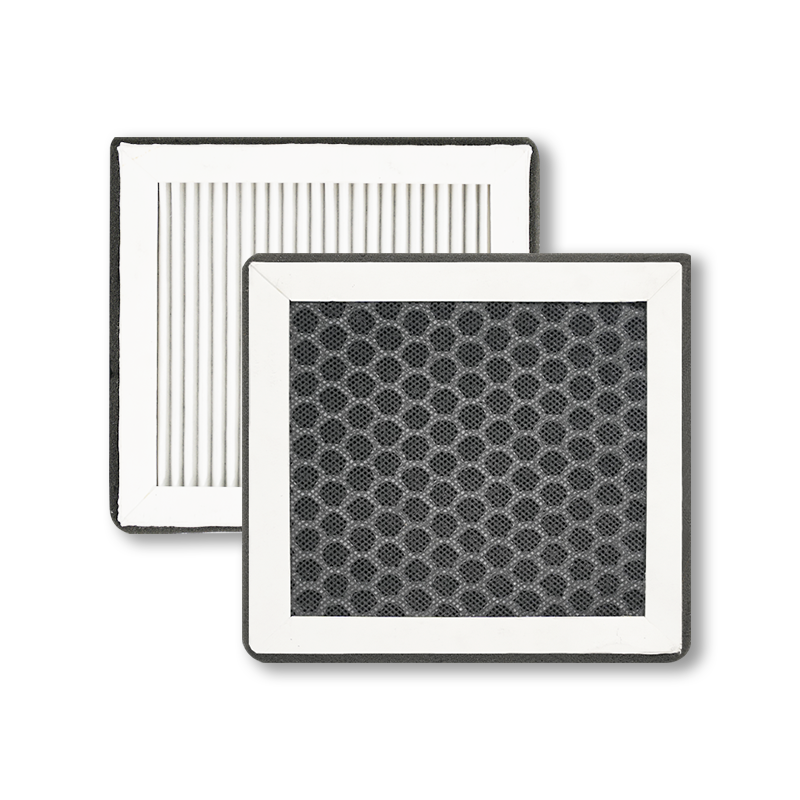
Benefits of Activated Carbon Filters in Cars
Removing Harmful Gases:
Activated carbon filters are highly effective at removing toxic gases commonly found in car exhaust, such as carbon monoxide, nitrogen dioxide, nitrogen oxides, and ozone. These gases are harmful to human health, and in situations like heavy traffic or when the car is parked for extended periods, they can accumulate inside the vehicle. Activated carbon filters absorb these gases, significantly improving the air quality and protecting the health of the driver and passengers.
Eliminating Unpleasant Odors:
One of the standout benefits of activated carbon filters is their ability to remove odors. Whether it’s the smell of car exhaust, air conditioning systems, or moisture-induced mold, activated carbon does an excellent job of neutralizing unpleasant odors that might otherwise linger in the cabin. For pet owners, these filters are especially helpful in eliminating pet odors, ensuring the vehicle remains fresh and comfortable.
Protecting Respiratory Health:
Activated carbon filters also play a crucial role in reducing exposure to volatile organic compounds (VOCs), which can be emitted from cleaning products, air fresheners, and other materials inside the car. Long-term exposure to VOCs can cause respiratory issues and allergies. By filtering out these harmful chemicals, activated carbon filters help create a healthier environment inside the vehicle, contributing to the well-being of everyone in the car.
Maximizing the Benefits of Activated Carbon Filters
For optimal air quality, it's ideal to pair activated carbon filters with other types of filters, such as HEPA filters, to ensure both particulate and gaseous pollutants are effectively addressed. Regular maintenance and timely replacement of the activated carbon filter will ensure that it continues to provide the best protection from gases and odors. With this in place, your car’s air will remain fresh, clean, and safe for all passengers.
3.Cabin Air Filters: Ensuring Fresh, Clean Air on the Go
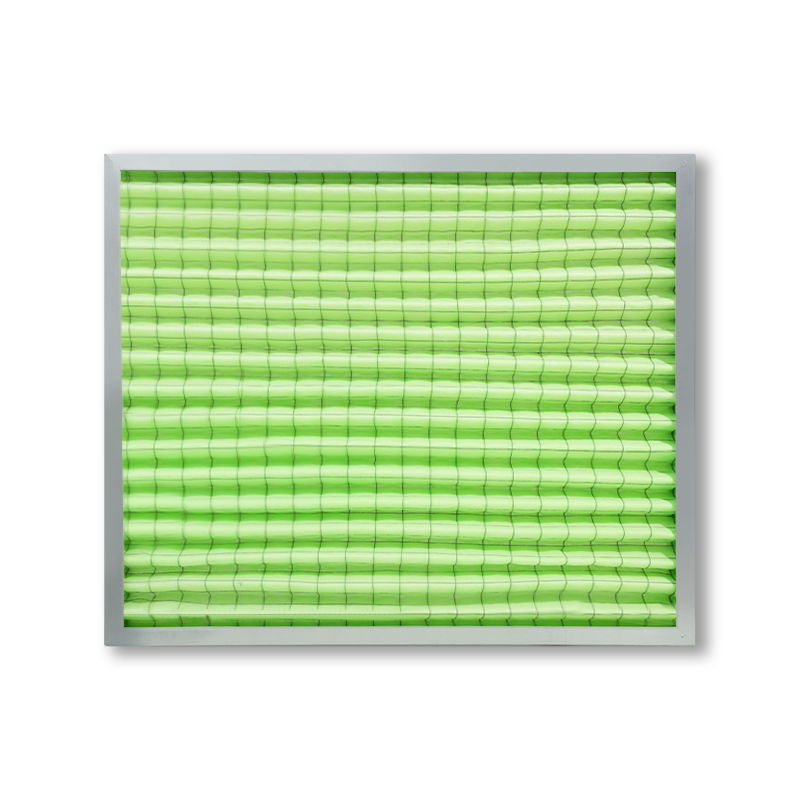
Cabin air filters are an essential part of a car’s air conditioning and ventilation system, designed to filter out larger airborne particles, such as dust, pollen, and insects, before they enter the vehicle cabin. They play a vital role in maintaining a comfortable and healthy environment while driving.
Key Benefits of Cabin Air Filters
Filtering Larger Particulate Pollutants:
Cabin air filters are specifically designed to capture larger particles, like dust, pollen, and debris. These particles can trigger allergies or cause discomfort, particularly during allergy season. By filtering them out before they enter the cabin, the cabin air filter helps maintain a more comfortable environment for the driver and passengers, especially in areas with high pollen counts.
Maintaining Fresh Air Quality:
One of the main benefits of regularly replacing the cabin air filter is the consistent delivery of fresh air. A clean filter ensures that the air inside the vehicle remains free of dust and other larger particles, helping to maintain a pleasant and comfortable atmosphere. In addition to this, many cabin air filters are also equipped with some activated carbon, which helps to reduce odors, contributing to a more enjoyable driving experience.
Supporting a Healthier Driving Environment:
By preventing larger particles from entering the vehicle, cabin air filters help reduce the risk of respiratory issues, allergies, and other discomforts caused by airborne pollutants. Whether it’s the pollen in the spring, dust during a dry season, or pollutants from the environment, the cabin air filter acts as a barrier to help protect the respiratory health of those inside the car.
Enhancing Air Quality with Cabin Air Filters
Cabin air filters are an effective and affordable way to ensure the air inside your car stays clean and fresh. For the best results, it’s important to replace the filter regularly—typically every 12,000 to 15,000 miles—especially in areas with high levels of dust or pollen. By keeping the cabin air filter in top condition, you ensure that your vehicle’s air quality remains optimal, providing comfort and protection on every journey.