 English
 Español
 日本語
日本語
1. Chemical Breakdown of Pollutants
The core function of cold catalysis technology is chemical catalysis. By using a specific catalyst, it accelerates the transformation of pollutants at room temperature, effectively removing harmful substances from the air. Unlike traditional air filtration technologies, cold catalysis not only targets particulate pollution but also effectively treats gaseous pollutants, especially volatile organic compounds (VOCs) and harmful gases such as formaldehyde, benzene, and xylene.
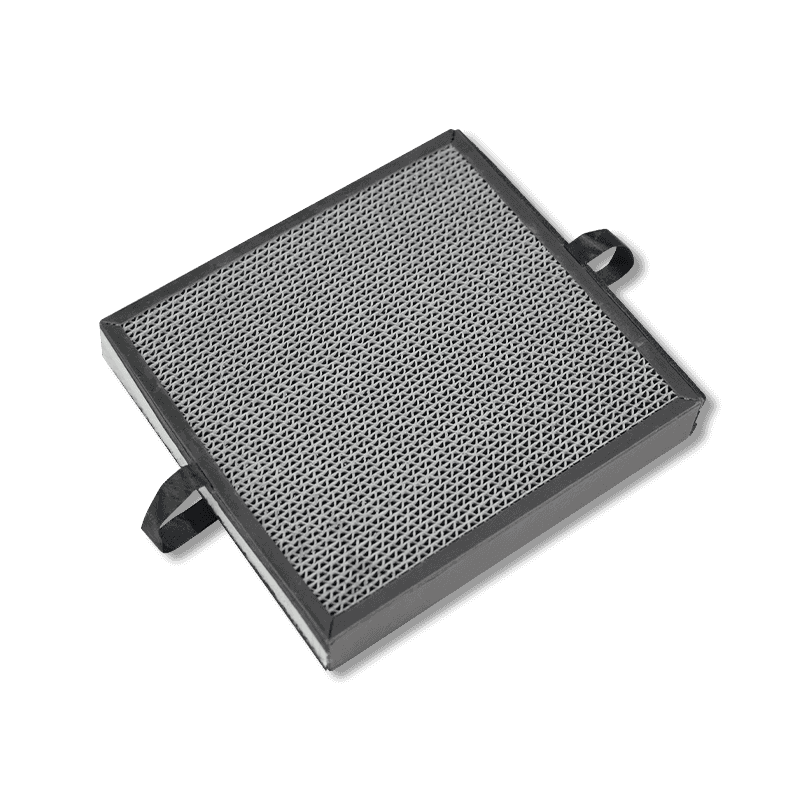
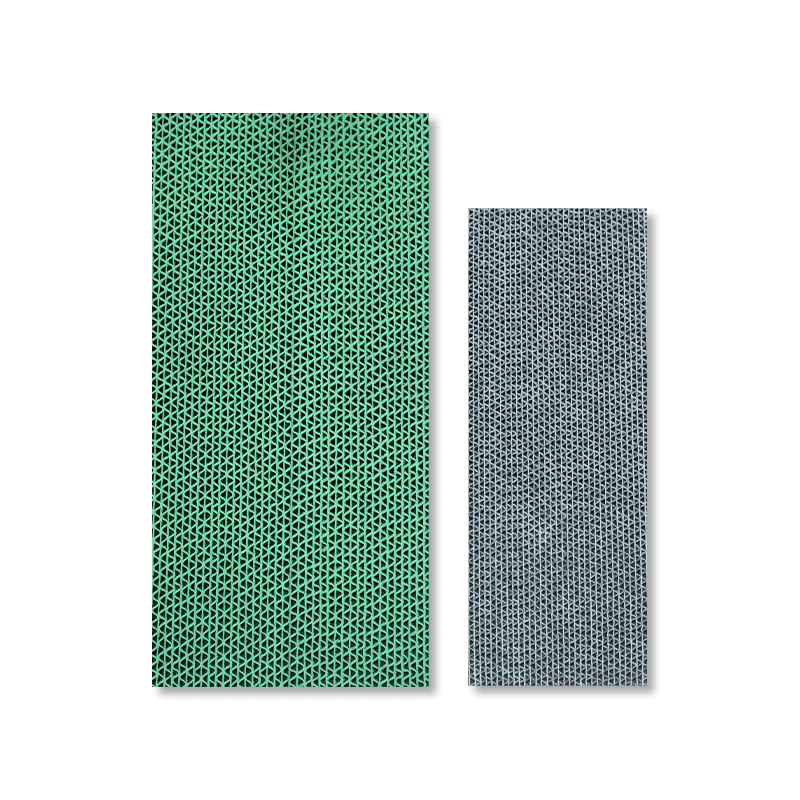
Typically, cold catalysts are composed of metal oxides (such as titanium dioxide and manganese dioxide) or other functional materials. When pollutants (such as formaldehyde or benzene) enter the air purifier, they react with the cold catalyst. Through a series of chemical transformation reactions, these harmful substances are ultimately decomposed into harmless chemical components such as carbon dioxide and water vapor. This process usually takes place at room temperature, without the need for additional heating or external energy sources such as ultraviolet radiation. This makes cold catalysis technology significantly more energy-efficient and highly effective compared to other purification methods.
For example, formaldehyde is a common indoor air pollutant, often originating from newly installed furniture, paint, flooring, and other building materials. Traditional air purifiers, such as those with activated carbon filters, can adsorb formaldehyde, but their adsorption capacity is limited, they are easily saturated, and the adsorbed formaldehyde cannot be effectively degraded. Cold catalysis technology, however, can completely decompose formaldehyde into harmless carbon dioxide and water, achieving thorough removal. Therefore, cold catalysis technology not only removes harmful gases from the air but also eliminates pollutants that traditional filtration technologies cannot handle, especially low concentrations of volatile organic compounds (VOCs).
Cold catalysis technology also excels in odor control, particularly in kitchens and bathrooms. Common sources of odor, such as cooking fumes and garbage, can be decomposed into odorless substances through the reaction of the cold catalysis catalyst with harmful molecules in the odor. The effects of cold catalysis extend beyond gaseous pollutants; it can also effectively remove bacteria, viruses, and other microorganisms from the air, further improving air quality. Compared to the filtration effect of traditional technologies, cold catalysis technology is an active method of pollutant degradation, fundamentally removing harmful substances.
Cold catalysis technology enables high-end air purifiers to not only achieve highly efficient cleaning when dealing with indoor pollutants but also meet the needs of consumers with extremely high air quality requirements, providing a more comprehensive air purification effect.
2. Energy Efficiency
Compared to traditional air purification technologies, cold catalytic technology offers a significant energy efficiency advantage. Many traditional air purifiers, especially those relying on heat, ultraviolet (UV) lamps, or other energy-intensive technologies, consume substantial amounts of energy to drive the associated chemical reactions or heating processes during air purification. These technologies often activate reactions through high temperatures or ultraviolet light to decompose pollutants. However, these methods not only increase the device's energy consumption but also limit purification effectiveness to additional heat or light conditions.
In contrast, one of the biggest advantages of cold catalytic technology is its ability to complete the decomposition of pollutants at room temperature, requiring no additional heat or electricity. This means the air purifier can operate continuously at lower power, significantly reducing energy consumption. In modern high-end air purifiers, low energy consumption has become a crucial factor for consumers, especially in environments with prolonged use such as homes or offices. Energy efficiency not only reduces operating costs but is also environmentally friendly.
The low energy consumption characteristic of cold catalytic technology stems from its working principle: the catalyst plays a role in the reaction without consuming large amounts of energy or generating heat like UV lamps or heating elements. This allows cold catalytic air purifiers to maintain low power consumption even when running continuously for 24 hours. For example, some high-end cold catalytic air purifiers consume only 20 to 50 watts, while some traditional air purifiers using heating or ultraviolet light sources may require significantly more power to operate.
This low energy consumption also helps consumers save on long-term electricity bills. Especially in environments where air purifiers need to run for extended periods (such as areas with pets, smoke, or severe air pollution), cold catalytic technology offers a cost-effective solution. Furthermore, compared to traditional systems that require more frequent filter replacements, cold catalytic technology reduces the additional costs and resource waste caused by frequent consumable replacements, thereby further improving energy efficiency.
3. Durability and Longevity
Another key reason for the popularity of cold catalytic technology in high-end air purifiers is its excellent durability and long lifespan. Traditional air purifiers often rely on physical filtration methods, such as HEPA filters or activated carbon filters. These filters gradually become clogged with pollutants over time, leading to decreased purification efficiency and eventually requiring replacement. Filter lifespan typically depends on the concentration of pollutants and the usage environment, generally requiring replacement every few months or a year. The high maintenance costs associated with frequent replacements are a major pain point for many consumers.
Cold catalysts are not "consumed" by pollutants or gases during use and have self-regenerating capabilities. After a chemical reaction, the catalyst can usually return to its original state and continue to participate in the reaction, maintaining its long-term catalytic efficiency. Therefore, the working principle of cold catalytic air purifiers ensures that their filtration capacity does not significantly decrease with prolonged use. Even in environments with high concentrations of air pollutants, the cold catalyst can continue to efficiently decompose harmful gases, requiring almost no replacement.
The high durability of cold catalytic technology makes it a low-maintenance solution, especially suitable for consumers who want to reduce equipment maintenance and replacement costs. For example, the catalysts in some high-end cold catalytic air purifiers can typically maintain good performance for several years, continuing to effectively purify the air even without significant performance degradation.
Cold catalysts often use highly corrosion-resistant and high-temperature-resistant materials, enabling them to not only operate stably for extended periods but also maintain high efficiency under various environmental conditions, such as high humidity or large temperature fluctuations. This long-term stability, unmatched by traditional filtration systems, further highlights the unique advantages of cold catalytic technology.
4. Effectiveness on Gas-Phase Pollutants
Unlike traditional physical filtration methods (such as HEPA filters), cold catalytic technology has a unique advantage in removing gaseous pollutants. HEPA filters primarily target particulate matter pollution, such as dust, pollen, and bacteria, but are almost powerless against gaseous pollutants (such as volatile organic compounds, smoke, and odors). In modern homes and offices, the sources of gaseous pollutants are more diverse, including harmful gases released from building materials (such as formaldehyde), cooking fumes, indoor cigarette smoke, and chemical odors from furniture and cleaning agents. The health hazards of these pollutants are equally significant.
Cold catalysis technology can effectively decompose these gaseous pollutants, especially common indoor pollutants such as formaldehyde, benzene, xylene, and ammonia. The catalyst reacts with the gaseous pollutants, typically breaking them down into harmless carbon dioxide and water vapor. For example, formaldehyde is one of the most common pollutants in newly renovated homes, posing a significant health risk and potentially causing cancer. Through cold catalysis, formaldehyde can be rapidly converted into carbon dioxide and water vapor, achieving complete removal.
The effectiveness of cold catalysis technology is particularly pronounced in highly polluted environments. For instance, various harmful substances in kitchen fumes (such as carbon monoxide and benzene compounds) can be rapidly decomposed into harmless substances after treatment with a cold catalyst. Even in environments with high concentrations of gaseous pollution, cold catalysis technology maintains high decomposition efficiency, unaffected by changes in pollutant concentration.
This highly efficient ability to handle gaseous pollutants makes the cold catalytic air purifier an integral part of a comprehensive air purification system. It can handle complex air pollution problems and ensure improved indoor air quality, making it especially suitable for homes or offices with specific sources of pollution such as formaldehyde, secondhand smoke, and kitchen fumes.
5. Eco-Friendly Performance
Cold catalytic technology excels in environmental friendliness, particularly in pollution reduction and energy conservation. Firstly, cold catalysts have a long lifespan, typically eliminating the need for frequent filter replacements, directly reducing environmental burden. Traditional air purifiers, especially those using activated carbon and HEPA filters, require regular replacement, often resulting in waste disposal problems. Cold catalytic technology, through self-regeneration and high durability, significantly reduces filter waste.
Cold catalytic air purifiers generally do not use environmentally harmful chemicals or high-energy technologies such as ultraviolet light sources. Many low-quality air purifiers use chemical coatings or UV bulbs for disinfection, materials and technologies that may cause potential environmental pollution or energy consumption. Cold catalytic technology uses environmentally friendly materials such as metal oxides and ceramics, containing no harmful components, and its catalytic reaction does not involve the generation of any harmful byproducts.
Cold catalytic technology does not produce toxic gases or harmful substances in the chemical reaction; instead, it decomposes pollutants into carbon dioxide and water vapor, both naturally occurring and harmless substances. Therefore, it has a very mild environmental impact, aligning with the principles of sustainable development. With the increasing global demand for green technologies, more and more consumers are opting for home appliances that effectively reduce environmental pollution and energy consumption, and cold catalytic air purifiers perfectly meet this demand.
6. Minimal Maintenance
A key advantage of cold catalytic air purifiers is their minimal maintenance requirements. Compared to traditional air purifiers, these devices typically don't require frequent filter replacements. Many air purifiers rely on activated carbon or HEPA filters, which have a limited effective lifespan and usually need to be replaced every few months. This frequent filter replacement not only increases costs but can also lead to device downtime or secondary pollution (such as the release of pollutants during filter replacement).
Cold catalytic technology uses a long-term stable catalyst, eliminating the need for frequent replacements. This means users can enjoy a longer, worry-free experience. While occasional simple cleaning of the catalyst may be necessary (usually rinsing or wiping with warm water), the overall maintenance requirements are very low. In some high-end air purifiers, cold catalytic technology can effectively handle pollutants encountered in daily use and maintain its high purification efficiency for many years.
This low maintenance cost is particularly suitable for consumers who want to reduce their maintenance workload. For example, in homes, offices, and other places where air purifiers need to run for extended periods, cold catalytic technology allows consumers to focus more on daily life without worrying about frequent filter replacements. For users seeking convenience, time savings, and cost savings, cold catalytic technology offers an ideal solution.