 English
 Español
 日本語
日本語
Introduction: Why HEPA Filter Condition Directly Affects Indoor Air Quality
A HEPA filter is one of the most critical components in modern air purification systems and HVAC filtration setups. It is designed to capture extremely fine particulate matter such as dust, pollen, smoke particles, pet dander, and PM2.5. When functioning properly, it significantly improves indoor air quality and reduces airborne allergens.
However, HEPA filters do not last indefinitely. As they continuously trap particles within dense fiber layers, resistance builds up and filtration efficiency gradually declines. In real-world applications, this degradation often happens silently, meaning users may not immediately notice the performance drop until air quality becomes noticeably worse.
Understanding the early warning signs of HEPA filter failure is essential for maintaining consistent air cleanliness, protecting HVAC equipment, and ensuring energy efficiency.
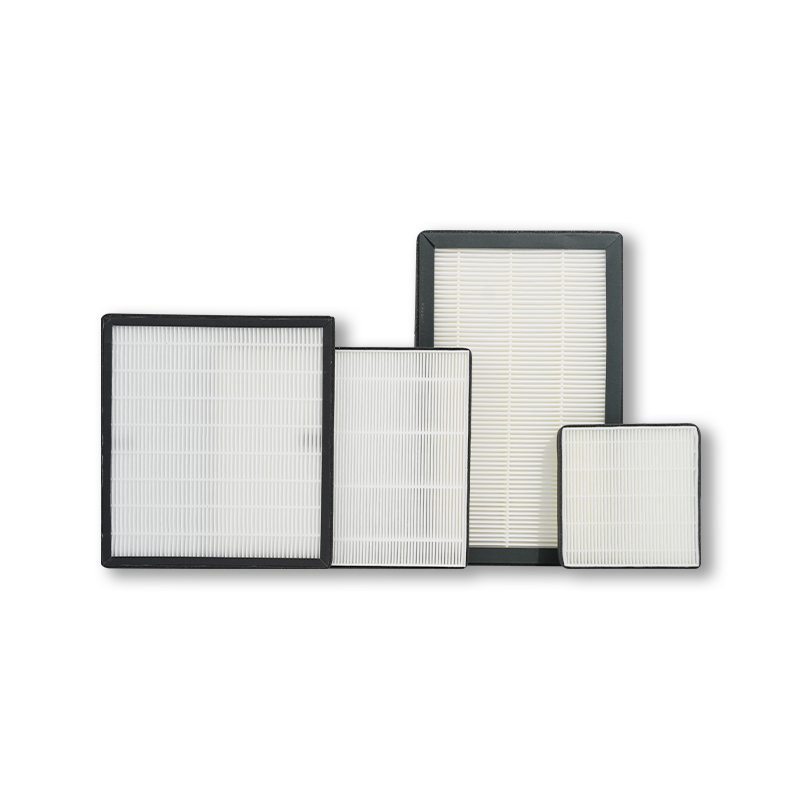
1. Noticeable Drop in Airflow Performance
Reduced Air Output and Circulation Efficiency
One of the earliest and most reliable indicators of HEPA filter saturation is a noticeable reduction in airflow. In both HVAC systems and standalone air purifiers, air should circulate smoothly and evenly throughout the space. When the HEPA filter becomes clogged, this airflow is significantly restricted.
Expanded Symptoms You May Observe:
- Air coming from vents feels weaker than usual even at high fan speed
- Air purifier output feels “soft” or less forceful than normal
- Rooms take longer to cool, heat, or ventilate
- Uneven airflow distribution between different rooms or zones
- HVAC system struggles to maintain consistent air exchange rates
Why Airflow Declines Over Time
HEPA filters are composed of extremely dense fiber mats designed to trap particles through interception, diffusion, and impaction. As air passes through, microscopic particles accumulate within the fiber layers.
Over time, this accumulation creates a progressive blockage effect, where:
- Air passage spaces become partially obstructed
- Fiber density effectively increases
- Static pressure across the filter rises
- Fan systems must work harder to push air through
This increased resistance is often referred to as pressure drop, and it is one of the most important performance indicators in HVAC filtration systems.
System-Level Impact
When airflow is reduced:
- Indoor air exchange rate decreases
- Pollutants remain in the environment longer
- HVAC systems cycle more frequently or run longer
- Energy consumption increases significantly
In severe cases, airflow restriction can even cause overheating in HVAC blower motors or reduce system lifespan.
2. Increased Indoor Odors or Loss of Air Freshness
Return of Previously Controlled Smells
A properly functioning HEPA-based filtration system contributes to maintaining a neutral, clean indoor air environment. While HEPA filters themselves do not directly remove gases, they support overall air purification efficiency in multi-stage systems.
When the filter becomes saturated, users often notice a gradual return of odors that were previously controlled.
Expanded Odor Indicators:
- Cooking smells linger significantly longer in the kitchen and adjacent rooms
- Pet-related odors become more noticeable in living spaces
- Musty or stale air develops in closed rooms
- Chemical smells from furniture or cleaning products become stronger
- Bathrooms or enclosed areas lose freshness more quickly
Indirect Mechanism Behind Odor Return
Although odors are mainly handled by activated carbon or catalytic filters, HEPA filter saturation indirectly affects odor control performance:
- Reduced airflow limits how much air reaches downstream filtration stages
- Air circulation slows, allowing odor molecules to accumulate
- Pollutants remain longer in indoor spaces without being processed
- Air stratification occurs (stagnant air layers form in corners or ceilings)
As a result, even if odor-removal components are still functional, overall system performance declines due to reduced airflow efficiency.
Real-World Example
In homes with pets or kitchens with frequent cooking activity, a clogged HEPA filter often leads to:
- Persistent kitchen grease smell
- Lingering pet dander odors
- Reduced perception of “fresh air” after purification cycles
This is often one of the first complaints users notice before visible dust or airflow issues appear.
3. Visible Dirt Accumulation or Severe Discoloration
External Visual Signs of Saturation
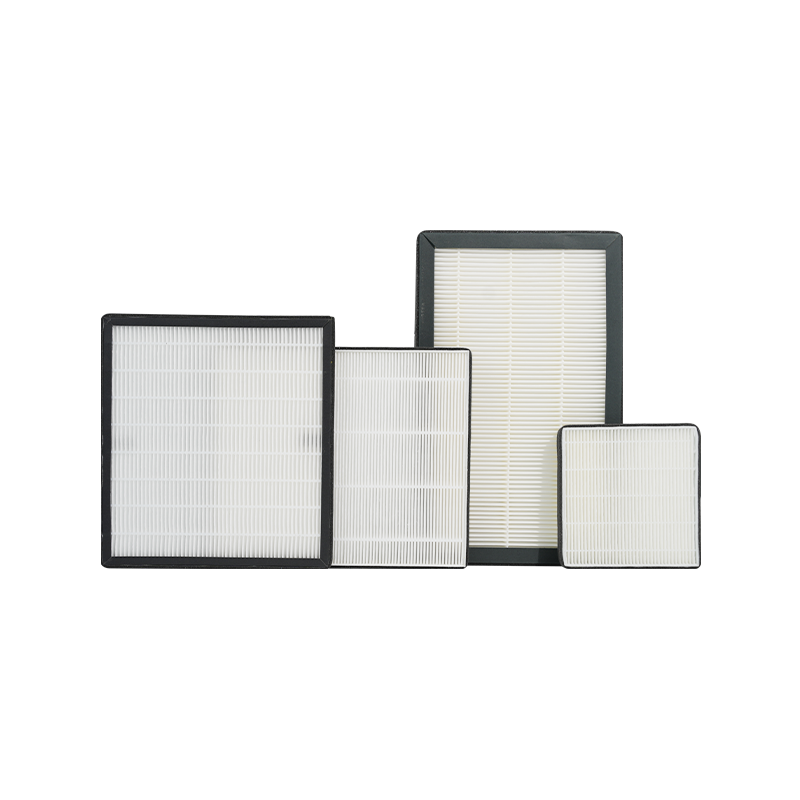
In many air purifiers and HVAC systems, HEPA filters can be visually inspected during maintenance. A clean HEPA filter typically appears white or light gray. As it accumulates particles, it gradually darkens.
Expanded Visual Warning Signs:
- Entire filter surface turns gray, brown, or black
- Pleated folds appear heavily clogged with dust
- Uneven coloration between different sections of the filter
- Dust buildup is visible even from outside the filter housing
- Fine particles appear embedded deep within fiber layers
Why Visual Inspection Is Important
Unlike washable filters, most HEPA filters are disposable depth filtration media. This means particles are trapped throughout the internal fiber structure rather than just on the surface.
Once saturation reaches a certain level:
- Cleaning is ineffective
- Air pathways remain blocked even after surface dust removal
- Structural resistance remains permanently elevated
Therefore, visual discoloration is not just cosmetic—it directly reflects internal performance degradation.
Hidden Risk: Internal Saturation
Even if the outer surface does not appear extremely dirty, internal layers may already be fully loaded with particles. This is especially common in:
- High pollution urban environments
- Homes near construction sites
- Spaces with pets or smoking exposure
In these cases, airflow reduction often occurs before obvious visual changes are noticeable.
4. Declining Air Quality Despite Normal System Operation
System Appears Normal but Performance Drops
Another critical sign is when the air purification system appears to function normally—fans are running, indicators show active operation—but indoor air quality does not improve as expected.
Expanded Symptoms:
- Air quality sensors consistently show high particulate levels
- Dust continues to accumulate on furniture shortly after cleaning
- Allergy symptoms (sneezing, irritation) return or worsen
- Perceived air freshness does not improve after long operation
- No noticeable difference between high and low fan settings
Why This Happens
As HEPA filters become saturated:
- Filtration efficiency decreases due to blocked fiber pathways
- Air may bypass heavily clogged areas (channeling effect)
- Reduced airflow lowers overall air turnover rate
- Particles remain suspended longer in indoor environments
In multi-stage systems, this also impacts upstream and downstream components:
- Activated carbon filters receive less airflow exposure
- Catalytic layers process fewer air molecules per cycle
- Overall purification cycle becomes less effective
Sensor-Based Systems and False Assumptions
Modern air purifiers often rely on PM sensors. However, when airflow is restricted:
- Sensors may detect localized improvements but not room-wide air quality
- Air near the device may be cleaner than distant areas
- System performance may appear acceptable while actual air quality deteriorates
This mismatch often leads users to underestimate filter degradation.
5. Increased Energy Consumption, Noise, or System Strain
Rising Power Demand and Fan Load
A clogged HEPA filter significantly increases airflow resistance, forcing fans and blowers to work harder to maintain circulation.
Expanded Observable Effects:
- Air purifier operates continuously at maximum fan speed
- HVAC system runs longer cycles than usual
- Electricity usage increases noticeably over time
- Device housing may feel warmer than normal
- Frequent automatic speed adjustments occur
Increased Noise Levels
As resistance increases:
- Fan motors operate under higher load
- Air turbulence increases across blocked filter surfaces
- Vibrations may become more noticeable
- A “whining” or “strained airflow” sound may develop
This is a strong indicator that the system is compensating for reduced airflow efficiency.
Mechanical Stress on Equipment
Long-term operation under high resistance conditions can lead to:
- Accelerated wear of fan motors
- Reduced lifespan of HVAC blower systems
- Increased maintenance frequency
- Potential overheating in compact units
Energy Efficiency Impact
From an energy perspective, a saturated HEPA filter causes:
- Higher wattage consumption per cubic meter of air processed
- Reduced purification efficiency per unit of energy
- Increased operational cost over time
This is why timely replacement is not only about air quality but also system efficiency.
Expanded Warning Signs of HEPA Filter Failure
|
Sign |
Detailed Symptoms |
Technical Cause |
System Impact |
|
Reduced airflow |
Weak ventilation, uneven room airflow, slow temperature change |
High pressure drop due to particle accumulation |
Reduced air exchange rate, higher energy use |
|
Odor return |
Lingering cooking, pet, or chemical smells |
Reduced circulation and multi-stage inefficiency |
Lower perceived air quality |
|
Visible discoloration |
Darkened pleats, embedded dust layers |
Deep fiber saturation |
Permanent efficiency decline |
|
Poor air quality results |
Persistent PM levels, allergy symptoms |
Reduced filtration efficiency and airflow bypass |
Ineffective purification cycle |
|
Increased energy/noise |
Louder fan, higher power usage, heat buildup |
Mechanical strain on airflow system |
Equipment wear and higher operating cost |
Why Recognizing These Signs Early Matters
Maintaining Consistent Air Quality
Delaying replacement allows pollutants to accumulate indoors, reducing the effectiveness of the entire air purification system.
Protecting HVAC and Purifier Lifespan
A clogged filter increases system load, which can significantly shorten the lifespan of motors, fans, and airflow components.
Improving Energy Efficiency
Replacing filters at the right time restores airflow efficiency and reduces unnecessary power consumption.