 English
 Español
 日本語
日本語

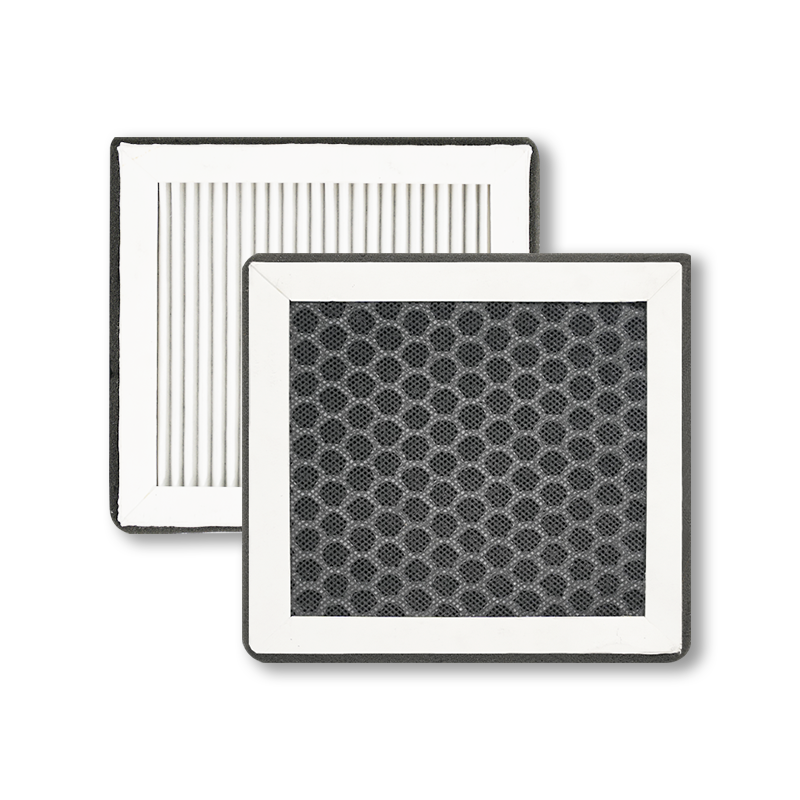
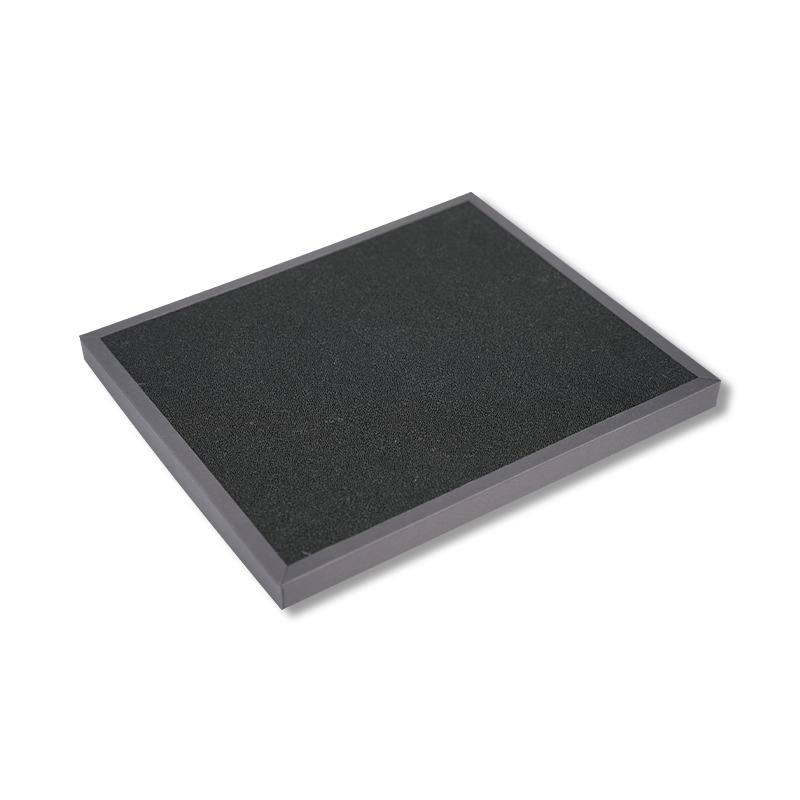
Product Introduction
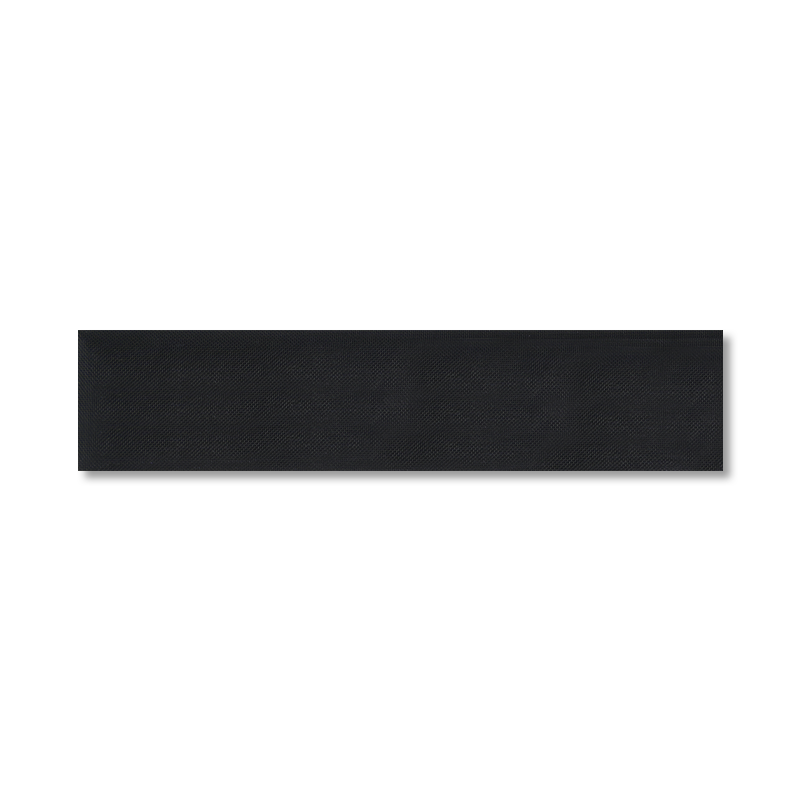
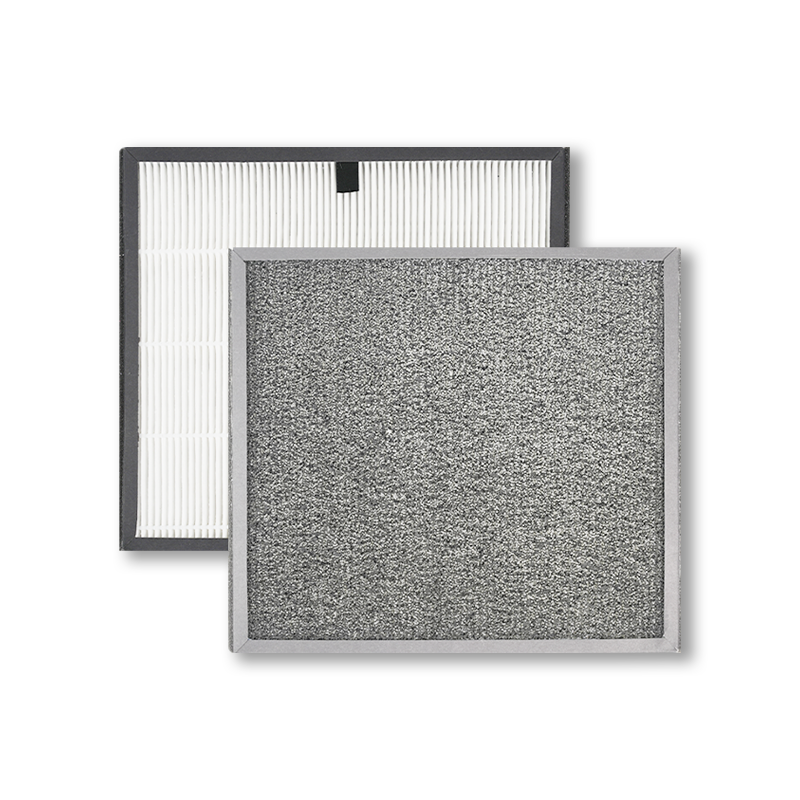
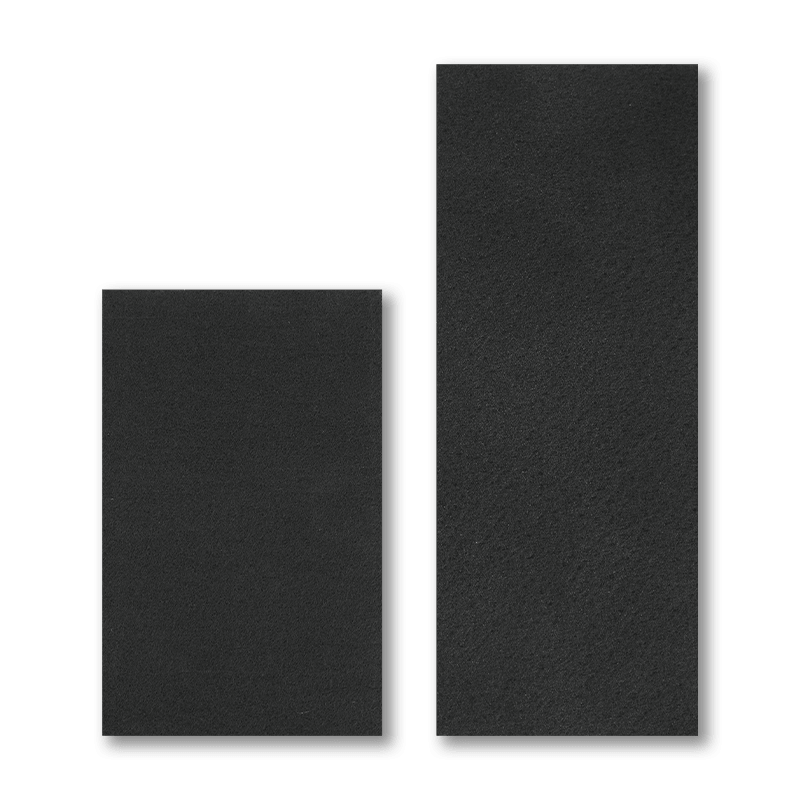
While standard activated carbon is a "universal" adsorbent, it often struggles to capture small, highly polar molecules such as ammonia, formaldehyde, or hydrogen sulfide. Our Impregnated Activated Carbon is the solution to this technical limitation. This specialized media undergoes a secondary chemical treatment process where the carbon pores are "loaded" with specific chemical reagents—alkalis, acids, or metallic salts. This transforms the filtration process from simple physical adsorption (Van der Waals forces) into a much more powerful process known as Chemisorption. During chemisorption, a chemical reaction occurs between the target gas molecule and the impregnating agent, bonding the contaminant permanently to the carbon surface. This is critical for environments where the "desorption" of toxic gases back into the air stream must be prevented at all costs.
At Nantong Lyusen, we utilize high-quality coal-based or coconut shell-based activated carbon as the carrier. These base materials are chosen for their high internal surface area and mechanical hardness. The impregnation process is carried out in a controlled environment to ensure uniform distribution of the chemical agent throughout the carbon matrix. Whether you are dealing with acidic gases in a semiconductor facility, alkaline fumes in a laboratory, or mercury vapors in a power plant, our range of impregnated carbons provides a targeted, high-capacity solution. By engineering the carbon at a molecular level, we provide industrial facilities with the peace of mind that their emissions are not just being "filtered," but are being chemically neutralized to meet the most stringent environmental regulations worldwide.
Detailed Technical Specifications
The performance of impregnated carbon is defined by its chemical loading percentage and its base carbon properties. We provide a wide range of formulations tailored to specific gas groups. Our quality control lab tests every batch for CTC (Carbon Tetrachloride) activity, which measures the base pore volume, as well as the specific breakthrough capacity for the target gas. Below is a detailed specification table showing our most common impregnated formulas and their technical benchmarks. All our carbon products are tested according to ASTM and ISO standards to ensure global consistency and reliability for our international clients.
| Target Pollutant | Impregnating Agent | Base Carbon Type | Loading % | Hardness (Min) |
|---|---|---|---|---|
| Acidic Gases (H2S, SO2) | KOH / NaOH | Coal / Coconut Shell | 5% - 10% | 95% |
| Alkaline Gases (NH3) | H3PO4 / Citric Acid | Coal Based | 7% - 12% | 92% |
| Formaldehyde (HCHO) | Amine-based Reagent | Coconut Shell | 5% - 8% | 97% |
| Mercury Vapors (Hg) | Sulfur / KI | Coal / Wood | 10% - 15% | 90% |
| Radioactive Iodine | TEDA / KI | Coconut Shell | 2% - 5% | 98% |
| Oxidizing Agents (O3) | Metal Oxides | Catalytic Carbon | N/A | 95% |
Beyond the chemical composition, we offer various physical forms, including Extruded Pellets (Columns) for industrial scrubbers, Granular (GAC) for deep-bed filters, and Powder (PAC) for specialized applications. The pellet diameter can be customized from 0.9mm up to 9.0mm to optimize the balance between gas contact time and pressure drop. We also provide "Mixed Bed" solutions where multiple types of impregnated carbon are blended to handle complex gas streams containing various types of pollutants simultaneously.
Primary Industrial Applications
The application of impregnated activated carbon is vital in industries where "toxic" and "corrosive" gases are a daily reality. In Wastewater Treatment Plants (WWTPs) and sewage pumping stations, our caustic-impregnated carbon is the standard for removing Hydrogen Sulfide (H2S). H2S is not only foul-smelling but also highly corrosive to electronic components and infrastructure. By installing our carbon scrubbers, facilities can eliminate odors and protect multi-million dollar investments in control systems. Similarly, in Pulp and Paper Mills, impregnated carbon is used to capture Mercaptans and other sulfur-containing compounds that are byproducts of the pulping process.
In the Healthcare and Laboratory sectors, acid-impregnated carbon is essential for neutralizing ammonia fumes and various alkaline vapors used in histology and pathology labs. It is also used in Hospital Pharmacy cleanrooms to protect staff from hazardous drug vapors. Another critical application is the Semiconductor and Microelectronics Industry. The manufacturing process for silicon chips involves highly toxic gases; our specialized carbon grades are used in "Point of Use" (POU) abatement systems to ensure that any unreacted gases are captured before they reach the main exhaust stack, ensuring compliance with EPA and local air quality standards.
Furthermore, our formaldehyde-removal carbon is widely used in Museums and Archival Storage. Formaldehyde and other VOCs can cause the rapid deterioration of organic artifacts, paintings, and paper records. By integrating our impregnated carbon into the building's air filtration system, curators can create a chemically "inert" environment that preserves history for future generations. We also supply the Nuclear Power Industry with TEDA-impregnated carbon for the removal of radioactive methyl iodide, a critical safety requirement for air filtration in containment buildings. This wide breadth of application proves that when air quality is a matter of safety and regulatory compliance, impregnated carbon is the professional's choice.
Core Technical Advantages
The most significant advantage of our Impregnated Activated Carbon is its Enhanced Adsorption Selectivity. While standard carbon is a "jack of all trades," impregnated carbon is a "specialist." By matching the chemical reagent to the target pollutant, we can achieve capture efficiencies that are orders of magnitude higher than standard carbon for specific gases. For example, standard carbon has almost zero capacity for ammonia, but our acid-impregnated grade can hold up to 15% of its own weight in NH3. This specificity allows for smaller filter housings and longer periods between maintenance, reducing the overall footprint and cost of the filtration system.
Another key benefit is Irreversible Capture (No Desorption). Physical adsorption is a reversible process; if the temperature rises or the concentration of the pollutant drops, standard carbon can "spit back" the gases it previously captured. In contrast, the chemical bond formed during chemisorption is extremely strong and permanent under normal operating conditions. This is a critical safety feature when dealing with toxic or carcinogenic gases like formaldehyde or mercury. Once the gas is reacted with our impregnated agent, it is locked away forever, ensuring that the filtered air remains pure regardless of environmental fluctuations.
Finally, our products offer Optimized Porosity and Mechanical Hardness. We use a high-temperature steam activation process that creates a vast network of micropores, which are then expertly coated with the chemical reagent. We ensure that the impregnation process does not "clog" the pores, maintaining a high CTC value. Additionally, our carbon pellets and granules are engineered for high hardness. Low-quality carbon often crumbles into dust under the weight of a deep-bed filter or the friction of air movement. Our carbon maintains its shape and integrity, preventing the formation of "fine dust" that could clog downstream HEPA filters or damage sensitive industrial equipment. This durability ensures a consistent pressure drop and predictable performance throughout the filter's life.
Logistics, Payment & Global Shipping
As an export-oriented manufacturer, Nantong Lyusen has streamlined the international procurement process to make it as seamless as possible for our global partners. We offer flexible payment terms tailored to your company's needs. For established distributors and long-term partners, we provide Open Account (O/A) terms or Net 30/60 days upon credit approval. For new clients, we typically operate on a 30% T/T deposit and 70% against the Copy of Bill of Lading (B/L). We also support Confirmed Irrevocable Letters of Credit (L/C) at sight, which is often preferred for high-value government or infrastructure projects. All transactions are handled through top-tier international banks, ensuring the highest level of financial security and transparency.
Logistically, we provide a full-service experience. Impregnated carbon is a sensitive material that must be protected from moisture and ambient air during transit to prevent premature saturation. Therefore, we use triple-layer moisture-proof packaging: an inner PE plastic bag, a middle woven bag for strength, and an outer pallet wrap or super-sack for bulk orders. We can provide packaging in 25kg bags, 500kg "big bags," or custom-labeled retail boxes for OEM customers. Our logistics team handles all the complexities of "Dangerous Goods" (DG) documentation if the specific impregnation requires it, ensuring that your shipment is never held up at customs. We ship from Shanghai Port, one of the world's most connected maritime hubs, offering weekly sailings to Europe, North America, the Middle East, and Southeast Asia. Whether you need a single pallet via air freight or a full 40ft container via sea, we manage the process from our factory floor to your warehouse door, providing all necessary COA (Certificate of Analysis) and MSDS (Material Safety Data Sheet) documentation with every shipment.
- Q: How do I know when the impregnated carbon is "spent" and needs replacement?
- A: Unlike dust filters, you cannot tell by looking at carbon. The most reliable method is "Breakthrough Testing," where the air exiting the filter is monitored for the target gas. Many industrial systems use electronic gas sensors. For smaller systems, we can provide "Life-Test" services where you send a small sample of the used carbon back to our lab, and we calculate the remaining chemical life for you.
- Q: Can I use one type of impregnated carbon for all my chemical fumes?
- A: While some "broad-spectrum" impregnated carbons exist, they are rarely as efficient as targeted grades. Using an alkali-impregnated carbon for alkaline gases like ammonia would be ineffective. It is always best to identify the primary pollutants in your air stream. Our technical team can help you design a "layered" approach using different carbon types to handle a cocktail of different chemicals effectively.
- Q: Is there a shelf life for impregnated activated carbon?
- A: Yes. Because the carbon is "active," it will slowly react with moisture and trace gases in the air even if not in use. When stored in its original, unopened, airtight packaging in a cool, dry place, our impregnated carbon has a shelf life of approximately 12 to 24 months. Once the seal is broken, it should be installed and used promptly to ensure maximum efficiency.
- Q: Is the chemical impregnant safe to handle?
- A: When the carbon is used in a filter, the chemicals are firmly bonded to the internal pores and do not "leak" out. However, during the initial installation or when handling bulk carbon, we recommend using standard PPE (Personal Protective Equipment) such as gloves and a dust mask to avoid skin contact or inhalation of carbon dust. Every shipment includes a detailed MSDS with specific safety instructions for that particular grade of carbon.