 English
 Español
 日本語
日本語
Product Introduction
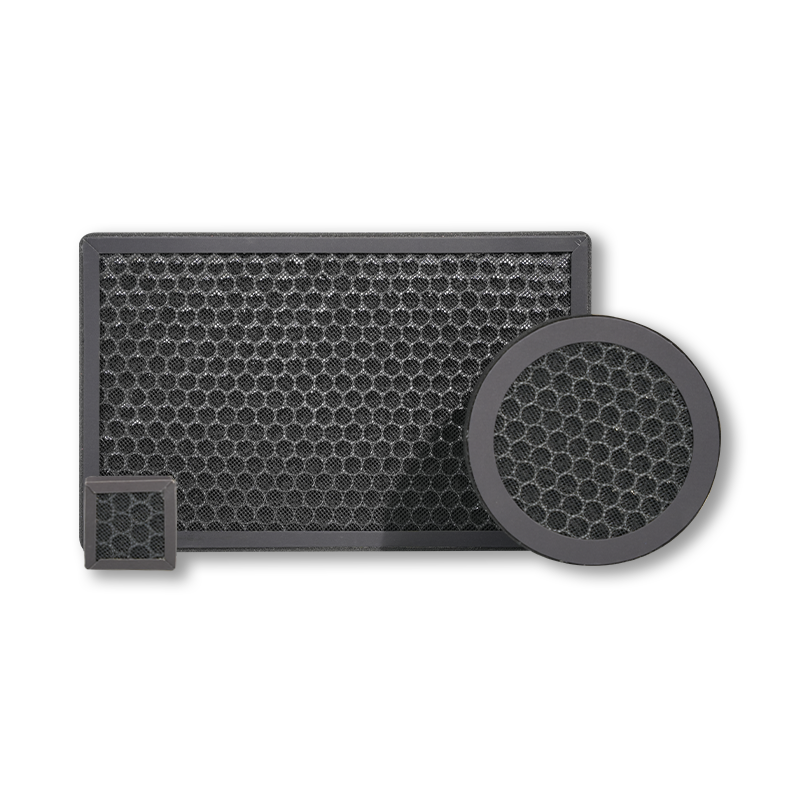
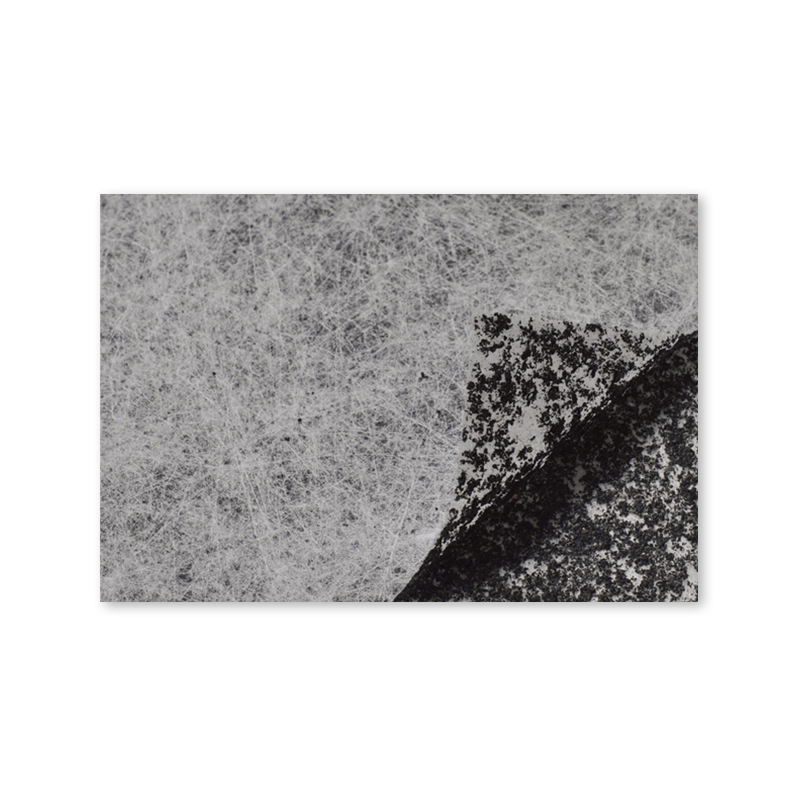
Granular Activated Carbon (GAC) is the "workhorse" of the industrial gas-phase filtration industry, offering a massive volume of adsorption sites for heavy-duty air scrubbing. Unlike thin carbon sheets, granular media provides a "Deep Bed" filtration experience, where the air must navigate through thousands of tiny, highly porous carbon grains. This physical depth is the key to achieving high "Contact Time" (dwell time), allowing even the most elusive organic molecules to be trapped deep within the carbon’s internal structure. At Nantong Lyusen, we produce high-performance GAC from premium coconut shells, high-grade bituminous coal, and specialized wood sources, each activated using a high-temperature steam process. This creates a carbon matrix with an internal surface area that can exceed 1,100 square meters per gram—meaning a single handful of our granular media has the equivalent surface area of several football fields. This massive capacity is why GAC is the primary choice for industrial emission control, waste-gas scrubbing, and high-volume commercial air purification systems.
The technical advantage of Lyusen’s granular media lies in our Precision Pore Size Distribution. We don't just produce "standard carbon"; we engineer our GAC to have the specific micropore and mesopore volumes needed to target the kinetic diameters of your specific industrial pollutants. Furthermore, our granular media is subjected to multiple de-dusting cycles. One of the primary complaints in the carbon industry is "carbon fines" (dust) clogging downstream HEPA filters or contaminating cleanrooms. Lyusen’s GAC is engineered for high mechanical hardness (typically >95% ASTM), ensuring that the grains do not crumble under the pressure of high-velocity airflow or the weight of a deep-bed installation. This physical stability ensures a consistent and predictable pressure drop over the entire lifespan of the filter. Whether you are filling a large-scale industrial carbon tower or a compact refillable canister for a commercial HVAC system, Nantong Lyusen provides the granular carbon expertise and manufacturing scale to ensure your air quality goals are met with maximum efficiency and minimum waste.
Detailed Technical Specifications
For industrial engineers and procurement managers, the performance of granular carbon is a matter of measurable data. At Nantong Lyusen, we provide a comprehensive data suite for every batch, ensuring that our GAC meets the specific requirements of your gas-phase filtration system. We measure the Iodine Value to quantify the micropore activity for small molecule adsorption and the CTC (Carbon Tetrachloride) activity to define the organic vapor capacity. We also provide data on Apparent Density and Ash Content, which are critical for calculating the weight and purity of the filter bed. Below is a detailed comparison of our core granular carbon grades, designed to help you select the most cost-effective media for your specific industrial application.
| Technical Parameter | Coconut Shell GAC | Bituminous Coal GAC | High-Activity Wood GAC |
|---|---|---|---|
| Iodine Number (mg/g) | 1000 - 1150 | 900 - 1050 | 1100 - 1250 |
| CTC Activity (%) | 55% - 70% | 50% - 65% | 60% - 80% |
| Hardness (ASTM) | 98.0% Min | 95.0% Min | 90.0% Min |
| Apparent Density (g/L) | 480 - 550 | 450 - 520 | 320 - 420 |
| Ash Content (%) | < 3% | < 12% | < 5% |
| Moisture Content (%) | < 5% | < 3% | < 8% |
| Standard Mesh Sizes | 4x8, 8x30, 12x40 | 4x8, 4x10, 8x30 | 4x8, 6x12 |
Beyond these chemical properties, we offer custom Particle Size Distribution (PSD). For large-scale industrial scrubbers where low air resistance is paramount, we recommend our larger 4x8 mesh granules. For compact filter canisters requiring maximum surface contact and higher efficiency, a finer 12x40 mesh is often more appropriate. We also provide specialized "Pre-Washed" grades for applications where zero initial dust release is a requirement. Every shipment is accompanied by a batch-specific Certificate of Analysis (COA), and our technical team is available to help you calculate the "Mass Transfer Zone" (MTZ) for your specific gas stream, ensuring that you optimize the bed depth and replacement intervals for your facility. By providing this level of technical detail, Nantong Lyusen ensures that your granular carbon is a precision-engineered tool, not just a commodity.
Primary Industrial Applications
Granular Carbon Filter Media is the backbone of the Industrial Emission Control sector. In heavy manufacturing plants, such as petroleum refineries, chemical synthesis facilities, and large-scale digital printing shops, massive amounts of VOCs (Volatile Organic Compounds) are generated. Our GAC is used in massive "Deep Bed Scrubbers" to capture these emissions before they are released into the atmosphere, ensuring compliance with EPA, REACH, and local air quality regulations. Because of its high mass-loading capacity, GAC is the only economically viable solution for handling the large "chemical volumes" found in these heavy industrial environments. It is also the primary choice for Solvent Recovery Systems, where expensive chemicals like Toluene are captured and then "desorbed" for reuse, turning an environmental cost into a manufacturing saving.
In the Commercial Building and Infrastructure sector, GAC is essential for "Make-up Air" units in airports, hospitals, and high-rise offices located in polluted urban centers. It effectively scrubs out sulfur dioxide (SO2), nitrogen oxides (NOx), and the pungent smells of jet fuel or diesel exhaust that seep in from the surrounding environment. For Wastewater Treatment Plants and Sewage Systems, our granular carbon is used to neutralize hydrogen sulfide (H2S) and other foul-smelling gases, protecting both the facility's workers and the surrounding community. The mechanical strength of our GAC makes it ideal for these high-flow, high-pressure environments where the media must withstand constant airflow vibration without crumbling or settling.
Furthermore, our granular media is widely utilized in Precision OEM Equipment and Laboratory systems. It is the core adsorbent in laboratory fume hoods, high-vacuum pump exhaust filters, and specialized enclosures for the protection of fine art and historical archives. In the food and beverage industry, it is used to remove chlorine and organic odors from the air in bottling and fermentation rooms to prevent flavor contamination. Even in smaller-scale applications, such as high-end domestic air purifiers and 3D printer enclosures, the use of "real" granular carbon—as opposed to simple carbon-dusted foam—is seen as a mark of a premium, high-performance product. By offering a variety of mesh sizes and base materials, Nantong Lyusen ensures that whether you are filtering a small electronics cabinet or a massive city-wide sewage plant, you have the right granular media to do the job effectively and reliably.
Core Technical Advantages
The primary advantage of Lyusen’s Granular Carbon Filter Media is its High Mass Adsorption Capacity. In the world of industrial filtration, "capacity" is king. While thin carbon sheets or foams are excellent for light household odors, they lack the physical mass to handle heavy industrial chemical loads. A granular bed provides a reservoir of adsorption sites that can last months or even years without replacement. This makes it the most cost-effective choice for industrial users who want to minimize maintenance downtime and maximize the time between filter changes. Our coconut shell varieties, in particular, offer a superior micropore structure that is unrivaled for capturing small-molecule gases, providing the level of air purity required in semiconductor manufacturing and high-level medical research.
Another major technical benefit is the Superior Mechanical Hardness and Low Dusting Profile. Low-quality carbon often "crumbles" into dust under the weight of a deep-bed filter or the friction of constant air movement. This dust can then clog downstream HEPA filters or contaminate sensitive industrial processes. At Nantong Lyusen, we utilize high-pressure activation and strict sifting processes to ensure our granules have a hardness rating exceeding 95% (ASTM). This ensures that the bed remains stable and the airflow stays consistent, preventing the formation of "bypass channels" where unfiltered air could escape—a common problem with softer, lower-grade carbon products. This durability ensures a consistent pressure drop and predictable performance throughout the entire life of the filter bed.
Finally, Lyusen offers Enhanced Versatility through Chemical Impregnation. Because granular carbon is a rigid, porous carrier, it is the perfect substrate for chemical enhancements. We can take our standard high-activity granular media and "impregnate" it with potassium permanganate for formaldehyde removal, or phosphoric acid for ammonia capture. This allows engineers to use the same filter housing and hardware while simply swapping the type of granular media to handle different chemical threats. This modularity is a massive advantage for international contractors who design systems for a variety of global markets with different environmental challenges. By partnering with Nantong Lyusen, you gain access to a vertically integrated manufacturer that controls everything from raw material selection to final chemical impregnation, ensuring that your granular carbon is a high-performance precision tool, not just a commodity. This technological edge provides our B2B partners with a significant competitive advantage in the global air purification market.
Logistics, Payment & Global Shipping
Nantong Lyusen is an experienced international exporter, providing streamlined procurement for our global B2B clients who require high-performance granular carbon media. We offer a variety of flexible payment terms designed to support international business operations and long-term project planning. For standard orders, we typically operate on a T/T (Telegraphic Transfer) basis, with a 30% deposit to initiate the custom sifting or impregnation process and the 70% balance due upon shipment. For our long-term strategic partners and high-volume industrial accounts, we offer Credit Terms (Net 30/60) or Documentary Collections (D/P). We also support Irrevocable Letters of Credit (L/C) at Sight, providing a secure and transparent payment framework for large-scale infrastructure or government tenders. All financial transactions are handled with the highest standards of integrity and international trade compliance.
Logistically, shipping granular carbon requires specialized attention to maintain the media's physical integrity and "active" capacity. Because GAC is "active" from the moment it leaves the kiln, it will begin to adsorb moisture and ambient odors if exposed to the air during shipping. At Nantong Lyusen, we utilize Airtight, Triple-Layer Moisture-Proof Packaging. For bulk industrial orders, we provide 500kg or 1000kg "Super Sacks" with high-barrier inner liners that are vacuum-sealed to ensure 100% activity upon arrival. For smaller requirements, we provide 25kg multi-wall paper or woven PP bags, palletized and shrink-wrapped for maximum stability during ocean transit. Our factory is located near the Port of Shanghai, allowing for rapid dispatch and competitive shipping rates to all major global ports. We handle all necessary customs documentation, including Certificates of Analysis (COA) and MSDS, to ensure a smooth and delay-free import process in your country. For urgent maintenance requirements, we also offer express air freight via FedEx, DHL, or UPS. With real-time tracking and dedicated export coordinators, Nantong Lyusen ensures your granular carbon arrives fresh, active, and ready for service, anywhere in the world.
- Q: Why should I choose Coconut Shell carbon over Coal-based carbon for my air filter?
- A: Coconut shell carbon has a much higher density of micropores, which are the small pores needed to capture small gas molecules like urban odors and VOCs. It is also naturally cleaner, with lower ash content and higher hardness. Coal-based carbon, however, has a more diverse pore structure (including meso and macro pores) which can be better for a "cocktail" of many different types of gases, and it is generally more cost-effective for very large-scale industrial scrubbing.
- Q: What is "Pressure Drop" and why does it matter for granular carbon beds?
- A: Pressure drop is the resistance the air faces as it moves through the carbon granules. If the carbon is too small or the bed is too deep, the pressure drop will be high, requiring a more powerful (and expensive) fan. Choosing the correct mesh size (like 4x8 vs 8x30) is the key to balancing filtration efficiency with energy costs. Our technical team can help you calculate the expected pressure drop for your specific air velocity and bed depth.
- Q: How long will one ton of granular carbon last in my industrial exhaust system?
- A: This depends entirely on the concentration of the pollutants and the volume of air. One ton of high-quality GAC can typically hold between 150kg to 350kg of organic vapors before it is saturated. If you provide us with your air flow rate (m³/h) and the concentration of the target gas (ppm), our engineers can calculate a "Theoretical Breakthrough Time" to give you an accurate estimate for your maintenance schedule.
- Q: Can the granular media be washed and reused?
- A: Generally, no. Washing with water will not remove the captured gas molecules from the internal pores; it will only saturate the carbon and wash away any chemical impregnants. To "reuse" granular carbon, it must be thermally Reactivated in a high-temperature kiln. For most commercial users, it is more cost-effective to replace the spent media with fresh, high-activity GAC from Nantong Lyusen.