 English
 Español
 日本語
日本語
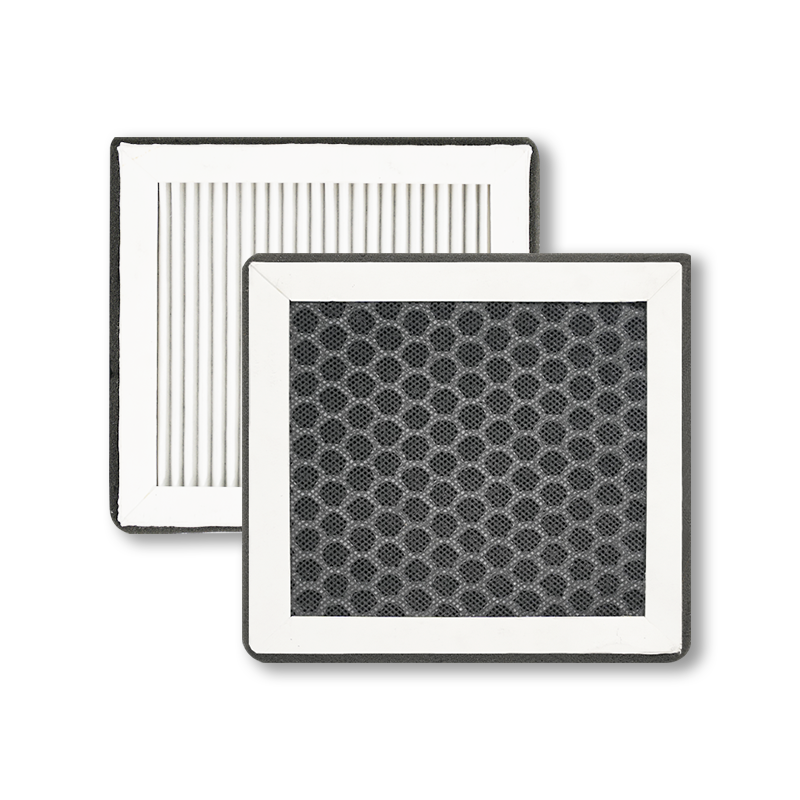
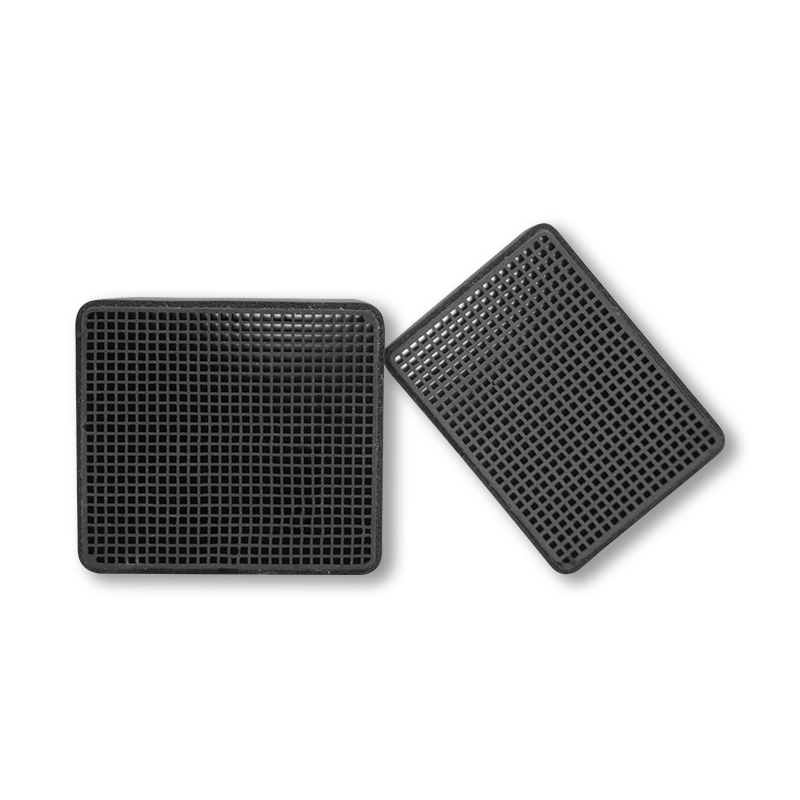
Product Introduction
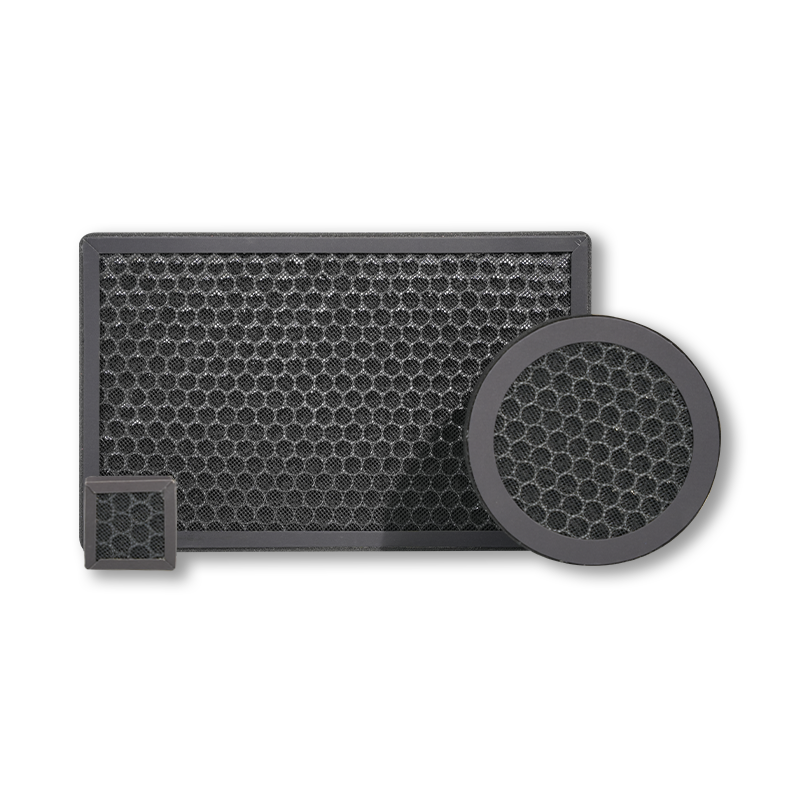
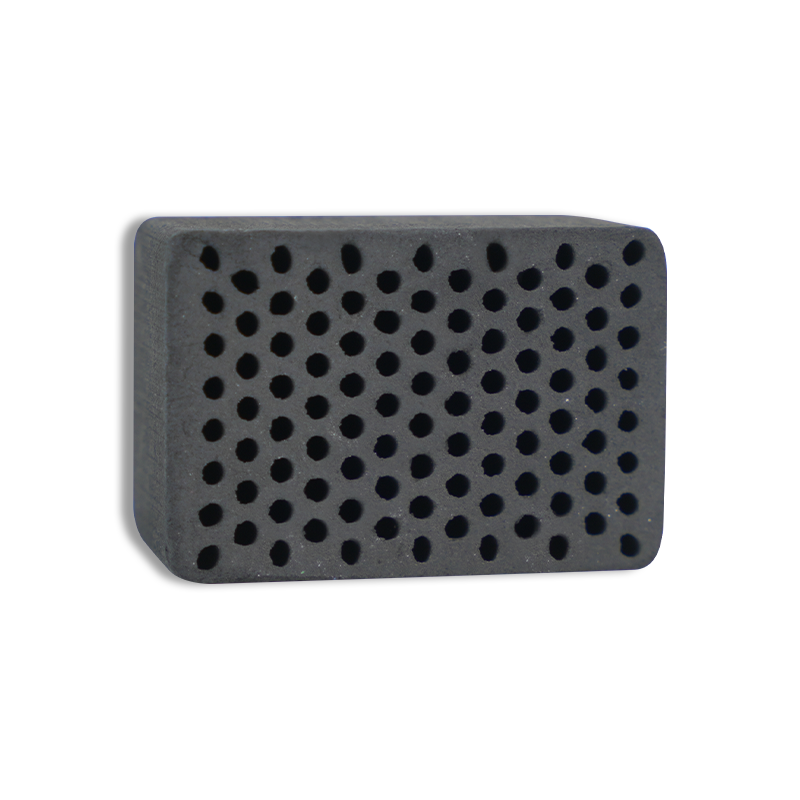
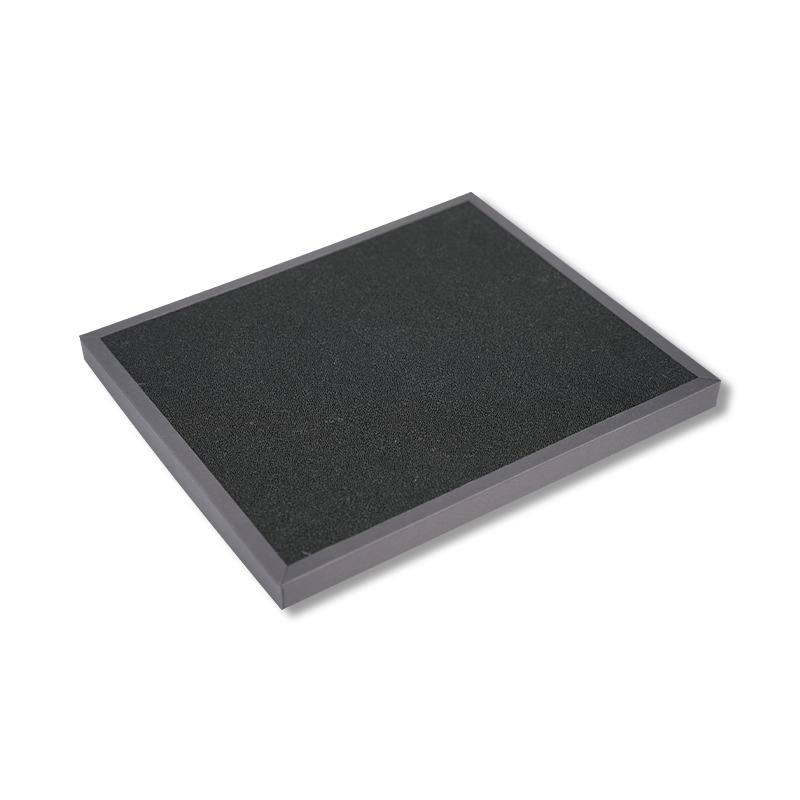
The Honeycomb Structure Filter represents a pinnacle in aerodynamic design tailored for gas-phase filtration. Unlike traditional flat-sheet media, the hexagonal "honeycomb" geometry provides a unique balance between high surface area and structural integrity. This architecture is specifically engineered to maximize the contact time between the air stream and the active filtration media—whether that be activated carbon, catalysts, or zeolite—without creating a bottleneck in the system. In industrial environments, air resistance (pressure drop) is the primary enemy of energy efficiency. By utilizing a honeycomb matrix, we allow air to flow through thousands of parallel channels, ensuring that every cubic meter of air is exposed to the functional agents while maintaining a high flow rate. This makes it an indispensable component for high-velocity HVAC systems where traditional dense filters would cause significant motor strain and energy waste.
Our manufacturing process involves bonding specialized functional powders to the walls of these hexagonal cells using high-performance, low-odor adhesives. This technique ensures that the active material remains firmly in place, preventing "dusting" or carbon leakage into the clean air stream—a common failure in lower-quality alternatives. The substrate itself can be customized; we offer lightweight paper-based honeycombs for cost-effective commercial use, flame-retardant PP (Polypropylene) for moisture-heavy industrial settings, and rigid aluminum honeycombs for high-temperature or heavy-duty structural requirements. By choosing our honeycomb filters, procurement managers are investing in a solution that offers superior longevity and a significantly lower Total Cost of Ownership (TCO) due to reduced energy consumption and extended maintenance cycles. This product line is the result of years of R&D focused on balancing molecular adsorption kinetics with fluid dynamic efficiency, ensuring your facility meets strict air quality standards without compromising system performance.
Detailed Technical Specifications
To provide engineers with the data necessary for system integration, our specifications cover physical, chemical, and performance metrics. We offer a variety of cell sizes because the cell diameter directly influences both the adsorption rate and the pressure drop. A smaller cell size (e.g., 2.0mm) increases the available surface area for gas interaction but increases air resistance, whereas a larger cell size (e.g., 8.0mm) is ideal for high-volume air movement with minimal drag. Our standard thicknesses range from 10mm for slim device modules to 100mm for heavy-duty industrial scrubbers. Below is a comprehensive data table representing our core performance benchmarks across different substrates.
| Parameter Metric | Paper-Based Series | PP Plastic Series | Aluminum Series |
|---|---|---|---|
| Cell Diameter (mm) | 3.0 / 4.0 / 6.0 | 2.0 / 5.0 / 8.0 | 3.5 / 5.0 / 10.0 |
| Iodine Value (mg/g) | 900 - 1100 | 950 - 1150 | 1000 - 1200 |
| Operating Temp Max | 65°C | 80°C | 250°C |
| Flame Retardancy | UL94-V2 (Optional) | UL94-V0 | Non-combustible |
| Moisture Resistance | Low | Excellent (100% RH) | Excellent |
| Initial Resistance | < 20 Pa (at 1m/s) | < 25 Pa (at 1m/s) | < 18 Pa (at 1m/s) |
| Loading Density | 250g/m² - 450g/m² | 300g/m² - 600g/m² | 400g/m² - 800g/m² |
Furthermore, we utilize high-precision die-cutting equipment to ensure that the outer dimensions of each filter match your housing frames with a tolerance of less than ±0.5mm. This precision prevents "air bypass," where unfiltered air escapes around the edges of the filter. We also offer customization in terms of frame materials, including galvanized steel, extruded aluminum, or eco-friendly cardboard, depending on the environmental requirements of your specific project.
Primary Industrial Applications
The versatility of the honeycomb structure allows it to be deployed across a diverse range of sectors, each with its own unique filtration challenges. In the Commercial HVAC sector, these filters are the preferred choice for premium office buildings and luxury hotels. They are integrated into Air Handling Units (AHUs) to remove common urban odors and VOCs (Volatile Organic Compounds) that seep in from traffic or industrial surroundings, ensuring a healthy Indoor Air Quality (IAQ) for occupants. Because of their low resistance, they allow these large buildings to run their ventilation systems at lower power settings, contributing to LEED and other green building certifications.
In the Industrial and Manufacturing realm, specifically within the electronics and semiconductor industries, our honeycomb filters serve as the first line of defense in cleanrooms. They are used to scrub the air of trace chemical vapors that could otherwise contaminate sensitive silicon wafers or delicate optical equipment. Similarly, in Commercial Kitchen Ventilation, the honeycomb design is utilized to capture heavy grease and smoke particles before they enter the ductwork, significantly reducing fire hazards and the frequency of duct cleaning. The high surface area allows for the incorporation of specialized catalysts that break down fat molecules and neutralize pungent cooking odors at the source.
Furthermore, these filters are essential in Waste Treatment and Chemical Processing Plants. They are used in odor control units to neutralize Hydrogen Sulfide (H2S) and Ammonia (NH3) emissions. In Automotive spray booths, they capture solvent vapors like Toluene and Xylene, protecting both the environment and the health of the workers. Even in smaller-scale applications, such as high-end domestic air purifiers and 3D printer enclosures, our mini-honeycomb modules provide industrial-grade protection in a compact form factor. By adapting the impregnating agent (carbon, catalyst, or permanganate), we can tailor the honeycomb filter to solve virtually any gas-phase contamination problem across these varied industries.
Core Technical Advantages
Choosing our Honeycomb Structure Filters provides a strategic advantage for both equipment manufacturers and end-users. The primary benefit lies in the Superior Surface Area-to-Volume Ratio. In the world of molecular filtration, "dwell time" (the amount of time the air spends in contact with the media) is everything. The honeycomb channels create a laminar flow that ensures every air molecule interacts with the active filter walls. This results in an adsorption efficiency that often exceeds 95% for target gases, outperforming traditional loose-fill carbon beds that are prone to settling and uneven airflow.
Another critical advantage is Structural Integrity and Zero Leakage. Traditional carbon blankets or pleated filters can sag over time or develop "hot spots" where the air creates a path of least resistance. Our honeycomb filters are rigid and self-supporting. Even under high pressure or vertical installation, the internal structure remains unchanged. Furthermore, we use a proprietary bonding technology that eliminates carbon dusting. In precision environments like hospitals or laboratories, the last thing you want is the filter itself releasing carbon particles into the air. Our "clean-release" technology ensures that the only thing leaving the filter is pure, purified air.
From a Sustainability and Economic perspective, these filters are a game-changer. Because they offer significantly lower air resistance, the fans and motors in your HVAC system do not have to work as hard to push air through. This leads to measurable savings on electricity bills—often enough to pay for the cost of the filters within the first year of operation. Additionally, the honeycomb substrate is highly efficient at holding functional materials, meaning the filters have a higher "dust holding" and "gas loading" capacity. This translates to longer replacement intervals, reducing the labor costs associated with maintenance and decreasing the volume of waste generated by your facility. Lastly, we offer a range of recyclable substrates, helping your company meet corporate social responsibility (CSR) goals and environmental regulations.
Logistics, Payment & Global Shipping
At Nantong Lyusen, we understand that B2B procurement requires reliability, transparency, and flexibility. We offer a variety of payment methods to accommodate different regional preferences and corporate financial structures. Our standard terms involve a 30% T/T (Telegraphic Transfer) deposit with the balance due upon shipment, but we also accept L/C (Letter of Credit) for large-scale enterprise orders to provide mutual security. For smaller prototype runs or sample evaluations, we support PayPal and Western Union for faster processing. Our finance department is experienced in handling international trade documentation, ensuring that all invoices and packing lists are compliant with your local customs requirements.
Regarding shipping and logistics, our proximity to the Shanghai and Ningbo ports gives us a significant advantage in ocean freight, providing cost-effective and timely departures to all major global destinations. For urgent projects, we maintain partnerships with leading air couriers such as DHL, FedEx, and UPS, offering door-to-door delivery within 5-7 business days. To protect the structural integrity of the honeycomb matrix during transit, we use reinforced, double-walled corrugated cartons with internal edge protectors and moisture-proof PE liners. For bulk sea shipments, we utilize fumigated wooden pallets compliant with ISPM 15 standards, ensuring smooth customs clearance without delays. We also offer FOB, CIF, and DDP shipping terms, allowing you to choose the level of responsibility and cost management that fits your procurement strategy. Every shipment is tracked in real-time, and our logistics team provides proactive updates until the goods arrive safely at your warehouse.
- Q: How do I determine the correct cell size for my specific application?
- A: The choice depends on the balance between filtration efficiency and allowable air resistance. For high-concentration industrial gas removal, a smaller cell size (3mm or less) is recommended to maximize surface contact. For general building ventilation where energy saving is the priority, a 5mm or 6mm cell size provides sufficient cleaning with much lower pressure drop. Our engineering team can provide air-flow simulations to help you make the right choice.
- Q: Can these filters be washed and reused like standard dust filters?
- A: Generally, honeycomb filters used for gas-phase adsorption (activated carbon or catalysts) cannot be washed, as water will saturate the pores and wash away the functional chemicals. However, for certain types of metal or plastic honeycomb used purely for air straightening or grease trapping, specialized cleaning agents can be used. For air purification purposes, we recommend replacement once the adsorption capacity is reached to ensure continued protection.
- Q: What is the typical lifespan of a honeycomb carbon filter in a commercial office?
- A: In a standard office environment with moderate urban pollution, our filters typically last between 6 to 12 months. This varies based on the air pollution levels, humidity, and the volume of air processed. We recommend monitoring the odor levels or using a VOC sensor to determine the optimal replacement time. Regular pre-filter maintenance will also extend the life of the honeycomb filter by preventing dust from clogging the cells.
- Q: Do you provide frame-less honeycomb media or only finished filter units?
- A: We offer both. We can supply bulk honeycomb sheets (up to 1200mm x 2400mm) for customers who have their own framing capabilities, or we can provide fully finished units with aluminum, galvanized steel, or plastic frames, complete with gaskets and pull-tabs for easy installation. We also offer custom die-cut shapes for unique OEM equipment designs.