 English
 Español
 日本語
日本語
Product Introduction
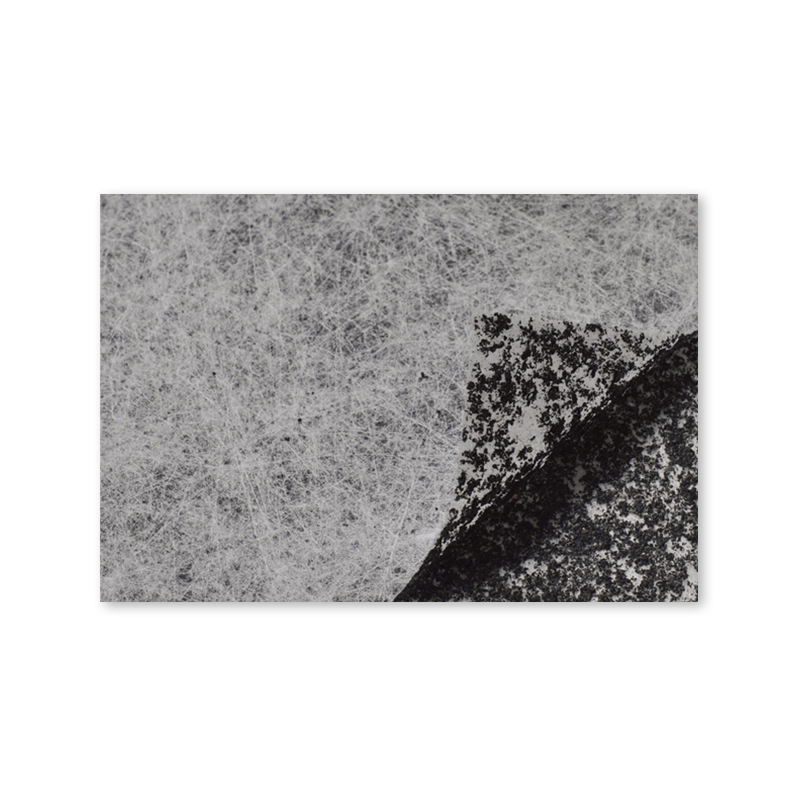
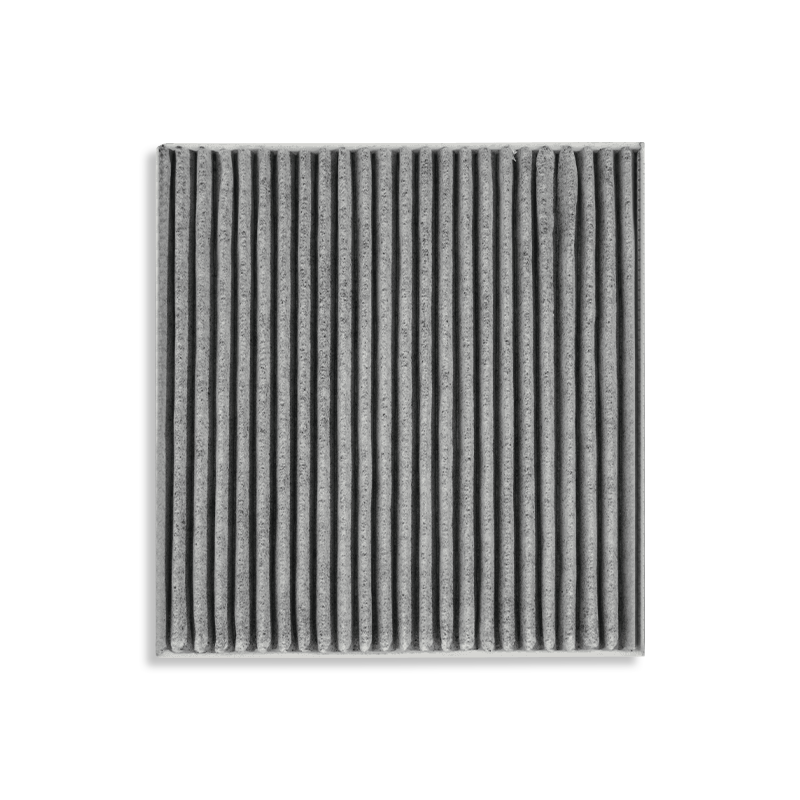
Volatile Organic Compounds (VOCs) represent one of the most challenging categories of pollutants in modern industrial and commercial environments. Unlike particulate matter, VOCs exist in a gaseous state at room temperature, meaning they easily bypass standard HEPA filters. At Nantong Lyusen, our VOC and Gas Phase Filtration solutions are specifically engineered to address these "invisible" threats. We utilize the principle of molecular adsorption, where high-activity porous materials attract and sequester organic molecules such as benzene, toluene, xylene, and various industrial solvents. Our gas-phase media is developed using a proprietary thermal activation process that maximizes the internal pore volume, creating a vast microscopic labyrinth designed to slow down and capture gas molecules. This is essential for facilities that must comply with strict environmental emission standards and for commercial spaces looking to eliminate "Sick Building Syndrome" caused by off-gassing materials.
What makes Lyusen’s approach to VOC filtration superior is our focus on "Retention Capacity." We understand that capturing the gas is only the first step; preventing "desorption" (the release of captured gases back into the air) is critical. Our media is engineered for high retentivity, ensuring that even under temperature fluctuations, the VOCs remain locked within the filter matrix. We offer a wide range of formats, from thin carbon-loaded sheets for light commercial use to deep-bed granular modules for heavy industrial scrubbers. As a manufacturer, we can customize the pore size distribution of the adsorbent to target the specific kinetic diameter of the target pollutants in your facility. Whether you are dealing with paint booth exhaust, laboratory chemical fumes, or urban smog, Nantong Lyusen’s VOC filtration technology provides a robust, data-backed barrier that ensures air purity and regulatory compliance. By integrating our gas-phase solutions, you are investing in a system that protects both human health and sensitive industrial processes from the corrosive and toxic effects of volatile organic vapors.
Detailed Technical Specifications
To provide engineers with the data necessary for system modeling, our VOC filtration specifications cover both physical adsorption metrics and air-flow dynamics. We utilize the B.E.T. Surface Area measurement to quantify the internal adsorption space and the CTC (Carbon Tetrachloride) activity rating to define the organic vapor capacity. We also provide specific "Breakthrough Curves" for common VOCs, allowing you to estimate the exact service life of the filter based on the concentration of pollutants in your intake air. Below is a detailed comparison of our high-activity VOC media options, designed to help you select the most efficient adsorbent for your specific chemical environment.
| Parameter | High-Activity GAC | Impregnated Carbon | Carbon Fiber Cloth |
|---|---|---|---|
| B.E.T. Surface Area | 1100 - 1400 m²/g | 900 - 1100 m²/g | 1400 - 1800 m²/g |
| CTC Activity (%) | 60% - 75% | 50% - 65% | > 80% |
| Iodine Value (mg/g) | 1000 - 1200 | 850 - 1000 | 1200 - 1500 |
| Target VOC Types | Non-polar Organics | Acid/Alkali Gases | Low Concentration VOCs |
| Hardness (ASTM) | > 95% | > 90% | High Flexibility |
| Moisture Content | < 3% | < 5% | < 2% |
| Initial Resistance | Medium (Bed Depth Dep.) | Medium-High | Very Low |
Furthermore, we offer specialized Multi-Bed Configurations where different layers of adsorbents are combined to handle a "cocktail" of varied VOCs in a single pass. Our quality control lab in Nantong tests every batch using gas chromatography to ensure consistent adsorption rates and to verify that the media is free from impurities that could cause secondary odors. We also provide custom Particle Size Distribution (PSD) for our granular media, allowing you to optimize the balance between contact time and system back-pressure. For international OEM partners, we provide MSDS and COA (Certificate of Analysis) documentation for every shipment, ensuring full traceability and compliance with global environmental standards. By choosing Lyusen, you get a scientifically validated specification that translates directly to real-world air purification performance.
Primary Industrial Applications
VOC and Gas Phase Filtration is a mission-critical requirement in the Semiconductor and Microelectronics Industry. In these ultra-clean environments, trace organic vapors can cause "hazing" on photolithography lenses and lead to surface contamination of silicon wafers, resulting in massive yield losses. Our high-purity gas filters are used in Make-up Air Units (MAUs) and Fan Filter Units (FFUs) to scrub out these trace gases, maintaining a chemically inert atmosphere for precision manufacturing. Similarly, in Pharmaceutical and Biotech Labs, our filters protect researchers and sensitive cultures from the hazardous solvent vapors used in drug synthesis and testing, ensuring both safety and experimental integrity.
In the Automotive and Aerospace sectors, our VOC filters are essential for paint spray booths and interior cabin air systems. During the painting process, high concentrations of solvents like Toluene and Xylene are released; our industrial-grade scrubbers capture these emissions to meet EPA air quality standards. Inside the vehicle cabin, our filters remove the "New Car Smell"—which is actually the off-gassing of interior plastics and adhesives—providing a healthier and more premium experience for passengers. The Chemical Processing and Petrochemical industries also rely on our gas-phase filtration to manage odors and toxic emissions from storage tanks and processing lines, protecting the surrounding community from foul-smelling and potentially hazardous vapors.
Furthermore, our gas-phase solutions are widely integrated into Commercial Office Buildings and Museums. In urban centers with high traffic density, atmospheric VOCs from vehicle exhaust can degrade Indoor Air Quality (IAQ) and cause health issues for occupants. In museums and archives, even low levels of acidic gases can cause the rapid deterioration of organic artifacts, historical documents, and paintings. By installing our VOC filtration modules, curators can create a stable, chemically neutral environment that preserves human history. From high-tech factories to the preservation of fine art, Nantong Lyusen’s VOC and Gas Phase Filtration technology provides a versatile and reliable solution for the world's most complex air quality challenges.
Core Technical Advantages
The primary advantage of Lyusen’s VOC and Gas Phase Filtration is the Exceptional Adsorption Selectivity and Kinetic Speed. Not all carbon is created equal; our media is engineered with an optimized pore structure that favors the molecular weights and shapes of the most common industrial VOCs. This means our filters capture pollutants faster and hold them more tightly than generic "utility grade" carbons. For the end-user, this translates to a higher "Single-Pass Efficiency," ensuring that the air leaving the filter is truly clean, even at high flow rates. This kinetic advantage is especially important in industrial scenarios where the air velocity is high and the contact time with the media is limited.
Another major technical benefit is our Enhanced Material Hardness and Low Dusting Profile. A common failure in low-quality gas filters is the "attrition" of the carbon media, where the grains rub against each other and create fine black dust that can clog downstream HEPA filters or contaminate sensitive equipment. At Nantong Lyusen, we use high-grade bituminous coal and coconut shells subjected to intense thermal activation, resulting in a carbon with a hardness rating exceeding 95%. This ensures that our media maintains its structural integrity even under constant vibration or high-pressure airflow, preventing the release of carbon fines. This stability is a critical factor for cleanroom and medical applications where particle-free air is just as important as gas-free air.
Finally, Lyusen offers Superior Sustainability through Reactivation Support. Many of our granular gas-phase adsorbents are designed to be thermally reactivated. Once the media is saturated, it doesn't have to be sent to a landfill; instead, it can be subjected to a high-temperature process that drives off the captured VOCs and restores the pore structure. This "circular economy" approach significantly reduces the Total Cost of Ownership (TCO) for large industrial users and aligns with global corporate sustainability goals. By choosing Nantong Lyusen, you are partnering with a manufacturer that combines advanced molecular engineering with environmentally responsible manufacturing, providing a high-performance filtration solution that is as good for your bottom line as it is for the planet.
Logistics, Payment & Global Shipping
Nantong Lyusen provides a professional, end-to-end export service for our VOC and gas phase filtration products, designed to meet the rigorous demands of international B2B procurement. we offer flexible payment terms to accommodate the varied financial protocols of our global clients. Our standard terms involve a T/T (Telegraphic Transfer) with a 30% deposit to initiate production and the 70% balance due upon shipment. For our long-term strategic partners and high-volume industrial accounts, we offer Credit Terms (Net 30/60) or Documentary Collections (D/P). We also support Irrevocable Letters of Credit (L/C) at Sight, providing maximum security for large-scale government or infrastructure projects. All financial transactions are handled with total transparency and strict adherence to international trade regulations.
Shipping gas-phase adsorbents requires specialized logistics to protect the media's "active" capacity. Because activated carbon is highly sensitive to ambient moisture and urban odors, it will begin to "clean the air" inside the shipping container if not properly sealed, leading to premature saturation. At Nantong Lyusen, we use Triple-Layer Vacuum-Sealed Barrier Packaging. Each batch is packed in an inner PE liner, a high-barrier aluminum foil layer, and an outer reinforced woven bag or "Super Sack." This ensures that the media remains 100% fresh and at full capacity when it arrives at your facility. Our location near the Port of Shanghai allows for rapid loading and competitive ocean freight rates to all major global destinations. For urgent industrial maintenance or R&D requirements, we offer express air freight via FedEx, DHL, or UPS. Every shipment includes a detailed Batch Analysis Report and MSDS, ensuring your logistics and safety teams have all the information they need for a smooth delivery. With real-time tracking and dedicated export coordinators, Nantong Lyusen ensures your VOC filtration supplies arrive safely and ready for immediate service.
- Q: How do I know when my VOC filter is saturated and needs replacement?
- A: Unlike dust filters that show a visible change in pressure drop, VOC filters usually maintain the same airflow even when full. The most reliable method is to use a VOC sensor or "Photoionization Detector" (PID) to measure the effluent air. Once the concentration of VOCs in the output air reaches a pre-set "breakthrough" limit, the media should be replaced. We also offer "Sample Testing" services where you can send us a small amount of used carbon, and our lab will calculate the remaining life for you.
- Q: Can one type of VOC filter handle all types of gases?
- A: While standard activated carbon is a great "broad-spectrum" adsorbent for many organic solvents, it is less effective against very small or highly polar molecules like ammonia or hydrogen sulfide. For those specific threats, we provide "Impregnated Carbon" which is chemically treated to neutralize those specific gases. For complex air streams, we recommend a "Multi-Stage" filter that uses different layers of specialized media to ensure total protection.
- Q: Does the humidity in the air affect VOC filtration efficiency?
- A: Yes, high humidity (typically above 60-70% RH) can significantly reduce the capacity of standard carbon because water molecules compete with the VOCs for the adsorption sites. If your facility has high humidity, we recommend using our specialized "Hydrophobic" adsorbents or installing a dehumidification stage before the gas filter to maximize the service life of the carbon.
- Q: Are your VOC filters safe for use in food processing areas?
- A: Yes, our standard activated carbon is chemically inert and non-toxic. We utilize high-purity coconut shell carbon for food-grade applications, ensuring that no harmful dust or odors are released into the production environment. We also offer "Fiber-Lock" technology in our VOC sheets to ensure that no particles migrate into the food packaging or processing lines.