 English
 Español
 日本語
日本語
Product Introduction
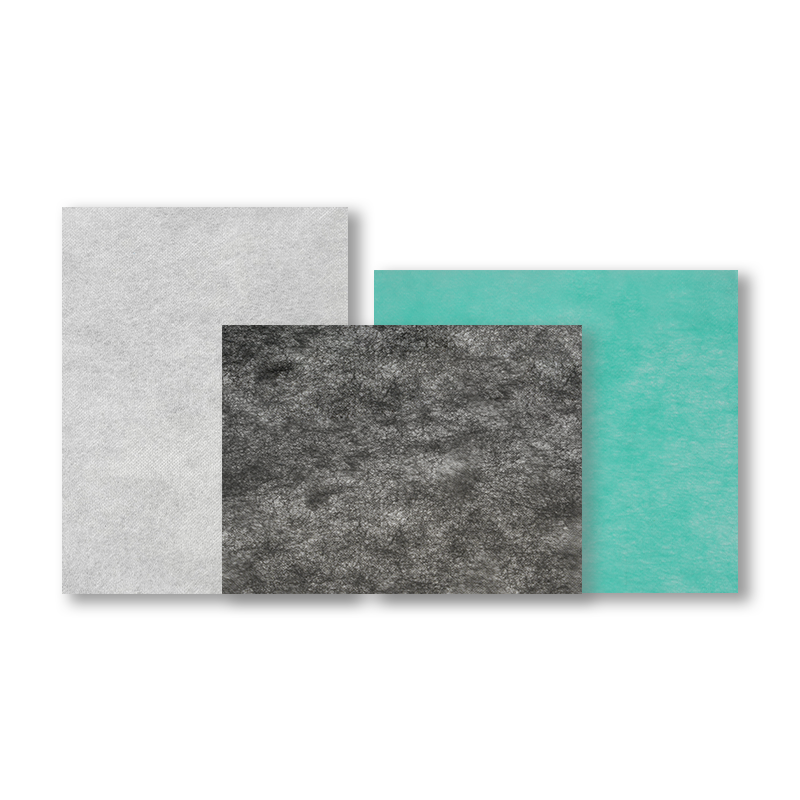
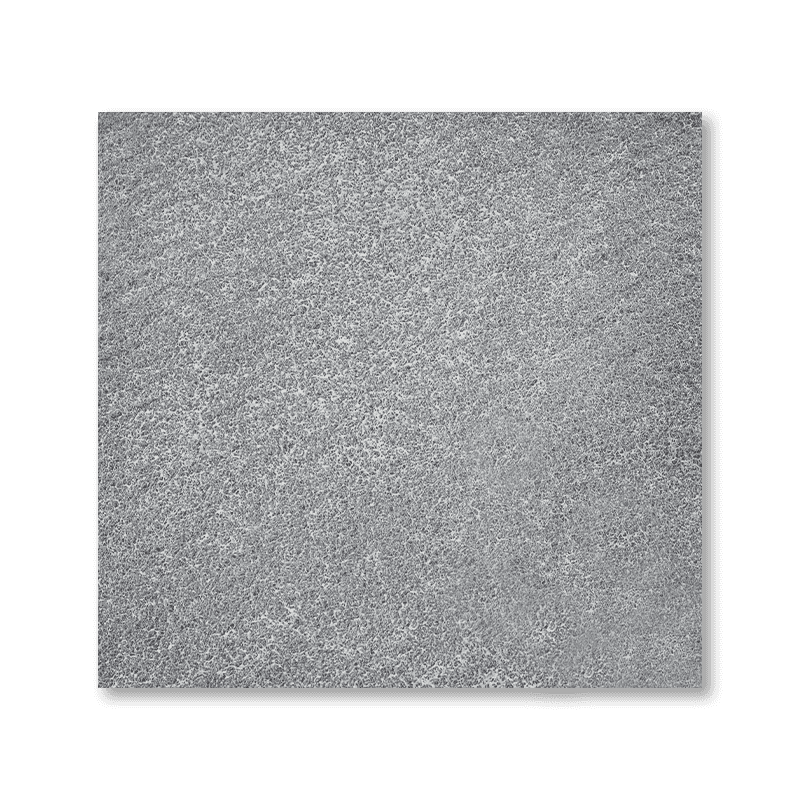
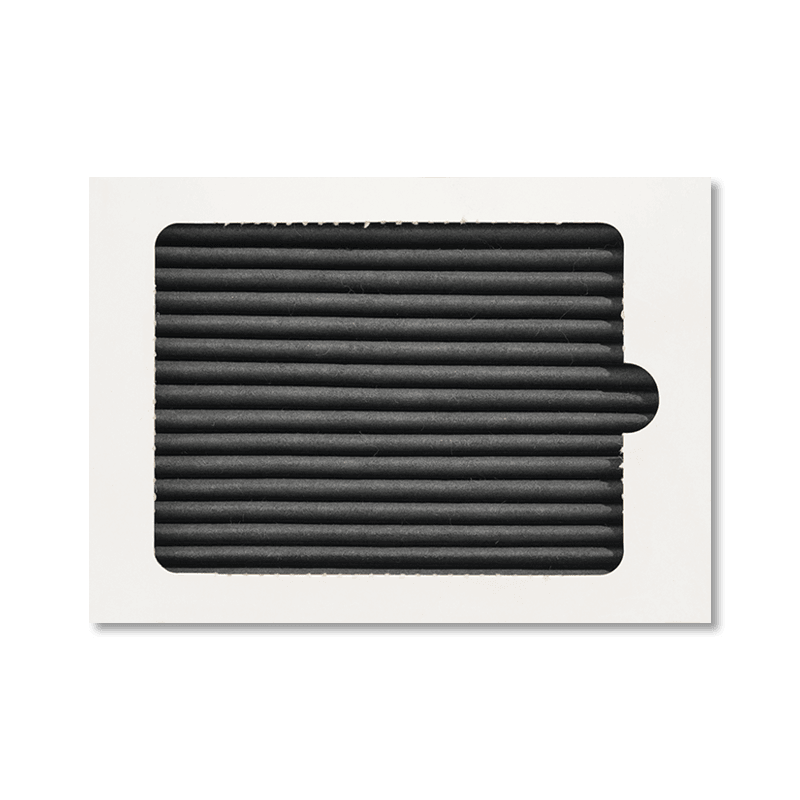
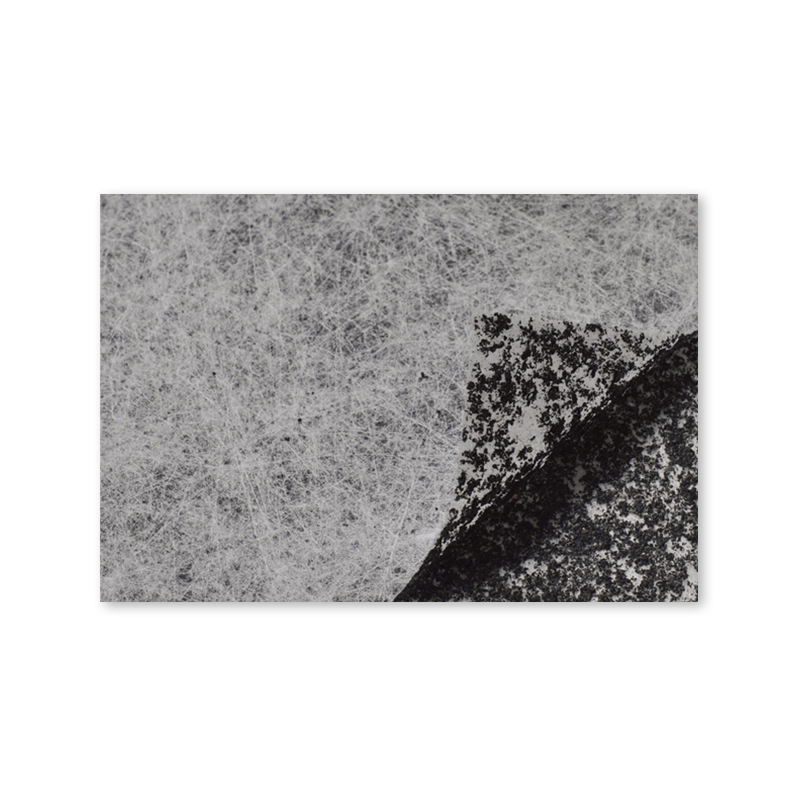
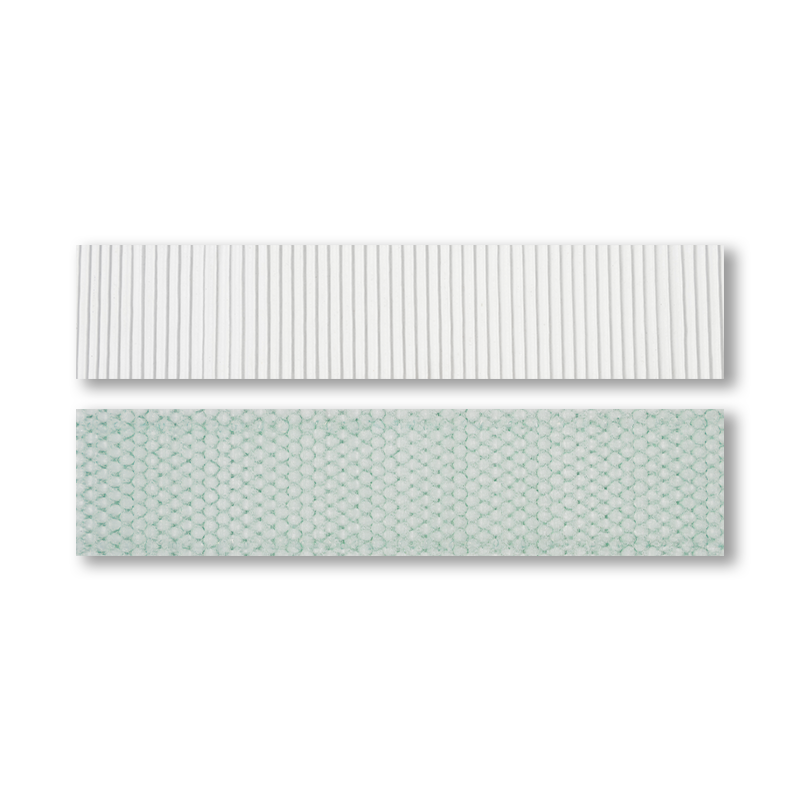
Synthetic Fiber Non-woven media is the versatile "workhorse" of the air filtration industry. Unlike woven fabrics that have a predictable, grid-like structure, non-woven media is composed of a complex, three-dimensional "web" of synthetic polymers—primarily polyester (PET) or polypropylene (PP). These fibers are thermally bonded, needle-punched, or chemically fused to create a high-loft matrix that excels at "Depth Filtration." In this process, particles are not just caught on the surface of the filter; they are trapped deep within the fiber layers. This allows the filter to hold a massive amount of dust before the air resistance becomes too high, making it the ideal choice for pre-filtration in HVAC systems, paint booths, and industrial air intake units where heavy particulate loading is expected. At Nantong Lyusen, we utilize advanced "Graduated Density" technology, where the fiber structure becomes progressively tighter from the "air-in" side to the "air-out" side, maximizing the use of the entire thickness of the media.
One of the primary benefits of using synthetic polymers is their inherent resistance to environmental factors. Unlike natural fibers, our synthetic non-wovens are naturally hydrophobic and resistant to microbial growth. They do not rot, mold, or lose their structural integrity when exposed to high humidity or moisture—conditions that are common in outdoor air intake systems. Furthermore, we can engineer the fibers to have specific cross-sections and diameters to target different particle sizes, from large coarse dust (G3/G4) to fine particulate matter (M5/M6). Our media is available in various forms, including bulk rolls for "cut-to-fit" applications, pleated panels for increased surface area, and pocket-style filters for high-volume airflow. By controlling the fiber denier and the bonding process, Nantong Lyusen provides a range of synthetic media that combines high mechanical strength with low initial resistance, helping our clients meet international filtration standards (ISO 16890 / EN779) while minimizing energy consumption. Whether you are protecting a high-end cleanroom or a simple commercial ventilation system, our synthetic non-wovens provide the reliable, durable foundation your air quality strategy needs.
Detailed Technical Specifications
Technical precision is what differentiates high-performance synthetic media from generic commodity products. At Nantong Lyusen, we provide detailed performance data for our non-woven rolls, allowing engineers to accurately predict their filtration efficiency and energy impact. We measure Basis Weight (g/m²) and Thickness (mm) to ensure uniformity across every roll. More importantly, we provide Arrestance and Efficiency ratings based on the ISO 16890 standard, which replaced the older EN779:2012 system. This allows our clients to know exactly how much PM10, PM2.5, or PM1.0 matter the media will capture. Below is a technical table showcasing our standard G-series and M-series synthetic media specifications. All materials are tested using standardized ASHRAE dust to ensure that our lab results translate to real-world performance in your facility.
| Property Metric | G3 Coarse Grade | G4 High-Capacity | M5/F5 Fine Grade |
|---|---|---|---|
| Weight (g/m²) | 150 - 200 | 250 - 350 | 400 - 550 |
| Thickness (mm) | 10 - 15 | 20 - 25 | 15 - 20 (High Density) |
| Initial Resistance | < 25 Pa (at 2m/s) | < 35 Pa (at 2m/s) | < 45 Pa (at 2m/s) |
| Final Resistance (Rec.) | 200 Pa | 250 Pa | 400 Pa |
| Average Arrestance | 80% - 90% | > 90% | N/A (Efficiency based) |
| Dust Holding (g/m²) | 450 - 600 | 600 - 900 | 400 - 550 |
| Temp. Resistance | 100°C (120°C Peak) | 100°C (120°C Peak) | 100°C (120°C Peak) |
We also offer specialized functional finishes for our synthetic fibers. For applications in the electronics or petroleum industries, we provide Anti-static (ESD) treated media to prevent spark hazards or electrostatic interference. For the healthcare and food sectors, our Antimicrobial treatment inhibits the growth of bacteria and fungi on the filter surface. We can also provide Flame Retardant media that meets DIN 53438 (F1) or UL900 standards, which is a critical safety requirement for filters used in public buildings and transportation. Our rolls are typically supplied in widths of 1m or 2m, with lengths up to 20m or 50m, and we offer custom slitting services to match your production line requirements perfectly. Every roll is marked with the airflow direction and batch number to ensure error-free installation and full traceability for your quality management system.
Primary Industrial Applications
Synthetic fiber non-woven media is the primary choice for Paint Spray Booths in the automotive and furniture industries. In these environments, "overspray" particles can ruin a finish and clog exhaust systems. Our G3 and G4 ceiling filters and floor-mat filters are used to ensure a perfectly laminar, dust-free airflow over the painting surface while capturing the waste paint particles in the exhaust. The high dust-holding capacity of our synthetic media means that booths can operate for longer periods between filter changes, directly increasing production uptime. Similarly, in Gas Turbine and Compressor Intakes, our non-woven media serves as the "Primary Stage" filter, protecting expensive turbine blades from large abrasive particles and moisture, which is essential for maintaining the efficiency and lifespan of power generation equipment.
In the HVAC and General Ventilation market, these filters are ubiquitous. They are used as pre-filters for HEPA systems in hospitals and cleanrooms, extending the life of the much more expensive high-efficiency filters by capturing the "bulk" of the atmospheric dust. In large shopping malls, airports, and sports stadiums, our synthetic rolls are cut into pads for air handling units (AHUs), providing a cost-effective way to maintain indoor air quality for thousands of occupants. Because synthetic fibers are non-shedding, they are also preferred in the Food and Beverage Industry for air filtration in packaging areas, where any risk of fiber contamination in the food product must be strictly avoided. The moisture resistance of polyester and polypropylene also makes these filters ideal for use in Marine and Offshore Environments, where salt-laden air and high humidity would cause fiberglass or paper filters to sag and fail.
Beyond industrial use, our synthetic non-wovens are found in Household and Commercial Appliances. They are the standard filter media for window air conditioners, kitchen range hoods, and vacuum cleaners. In the automotive sector, they are used as Cabin Air Filters and Engine Air Intake Filters, protecting both the passengers and the engine from road dust and pollen. We also supply customized non-woven "pockets" for large-scale dust collection systems in woodworking and metal-grinding shops. The ability to wash and reuse certain grades of our synthetic media makes it a popular choice for budget-conscious commercial operations. Regardless of the scale, from a small household appliance to a massive industrial exhaust system, Lyusen’s synthetic fiber non-wovens provide a reliable, versatile, and high-performance solution for particulate management.
Core Technical Advantages
The standout advantage of Lyusen’s Synthetic Fiber Non-woven media is its Graduated Density Structure. By layering fibers of different diameters and densities, we create a filter that uses its "entire volume" to trap particles. In many cheap filters, the surface clogs quickly (surface loading), leaving the inside of the filter clean but the airflow blocked. Our graduated density ensures that large particles are caught in the loose outer fibers, while smaller particles penetrate deeper to be caught in the tight inner fibers. This results in a significantly Higher Dust Holding Capacity (DHC), which means longer filter life and fewer maintenance intervals for your facility, saving both on material costs and expensive technician labor.
Another major technical benefit is Mechanical and Chemical Stability. Synthetic fibers like Polyester and Polypropylene are incredibly resilient. They have high tensile strength, meaning they won't tear or "blow out" even under high-pressure airflow or if the filter becomes heavily loaded with dust. Chemically, these fibers are resistant to most acids, alkalis, and solvents, making them suitable for harsh industrial atmospheres. Their hydrophobic nature is also a key advantage; unlike fiberglass, which can lose its structure when wet, synthetic fibers maintain their loft and filtration efficiency in 100% humidity. This makes them the only logical choice for tropical climates or coastal industrial sites where moisture is a constant factor. Furthermore, synthetic media is "clean" to handle—it does not irritate the skin or lungs of maintenance workers like fiberglass can, improving workplace safety and comfort.
Lastly, we offer Sustainability and Multi-Stage Efficiency. Many of our synthetic non-woven grades are designed to be washable. This allows users in less critical environments to clean and reuse the filter pads several times before replacement, significantly reducing the volume of waste generated. From a performance standpoint, our synthetic media provides an excellent "Price-to-Performance" ratio. It offers higher efficiency than basic foam or metal mesh but at a much lower cost than specialized HEPA or micro-glass media. For the vast majority of commercial and industrial air intake applications, G3 to M5 synthetic non-woven is the most efficient and economical choice. By choosing Nantong Lyusen, you are getting a product that is manufactured with state-of-the-art needle-punch and thermal bonding equipment, ensuring that every square meter of media you buy provides consistent, predictable, and high-level protection for your equipment and personnel.
Logistics, Payment & Global Shipping
Nantong Lyusen provides a professional, end-to-end export service for our synthetic fiber non-woven products, ensuring that our international B2B partners can procure their materials with confidence and ease. We support a wide range of payment methods to accommodate global trade standards. For new customers and trial orders, we typically operate on a T/T (Telegraphic Transfer) basis with a 30% deposit and 70% balance before shipment. For our long-term distributors and high-volume industrial clients, we offer Net-30 or Net-60 credit terms, or Documentary Collections (D/P). We also accept Irrevocable Letters of Credit (L/C) at Sight, which provides peace of mind for both parties on large-scale infrastructure or government contracts. Our internal export team handles all the necessary paperwork, from health and safety certifications to detailed packing lists and certificates of origin, ensuring a smooth customs process in any country.
From a logistics perspective, synthetic fiber rolls are "high-volume, low-weight" items. This means that shipping costs are often calculated based on volume (CBM) rather than actual weight. To help our clients save on international shipping, we utilize Advanced Vacuum Compression Packaging. By compressing our non-woven rolls and sealing them in heavy-duty PE bags, we can fit up to 50% more material into a standard 40ft High Cube container compared to non-compressed shipping. Once you receive the rolls and open the packaging, the "memory" of the synthetic fibers allows the media to bounce back to its original loft and thickness within minutes, without any loss of filtration performance. We ship primarily from the Port of Shanghai, which offers daily sailings to global hubs. For urgent maintenance or emergency requirements, we also provide air freight services via DHL, FedEx, or UPS. Every shipment is palletized using ISPM-15 compliant heat-treated pallets and wrapped in multiple layers of stretch film to prevent moisture and dirt from contaminating the media during transit. With real-time tracking and a dedicated logistics coordinator for every account, Nantong Lyusen ensures that your critical filtration supplies arrive on time and in perfect condition.
- Q: Can I wash and reuse these synthetic fiber filters?
- A: Many of our G3 and G4 grade coarse filters are designed to be washable. You can gently rinse them with water or use compressed air to remove the dust. However, fine-grade filters (M5/F5) should generally not be washed, as the water can disturb the fine fiber structure and reduce filtration efficiency. For the best performance, we recommend replacing the media once the pressure drop reaches the manufacturer's recommended limit.
- Q: What is the difference between "Surface Loading" and "Depth Loading"?
- A: Surface loading filters (like some thin papers or meshes) trap all the dust on the very top layer, which causes them to clog quickly. "Depth Loading" media, like our non-wovens, allows the air and dust to penetrate the fiber structure, trapping particles throughout the entire thickness of the material. This gives you a much higher dust-holding capacity and a longer service life.
- Q: Is this media flame retardant?
- A: Yes, we offer specific grades that are treated with flame-retardant additives during the fiber extrusion process. These products meet international standards such as DIN 53438 (F1) and UL900 Class 2. This is essential for filters used in environments with high fire risk, such as welding shops or public buildings where fire codes are very strict.
- Q: Does this media shed fibers into the air stream?
- A: No. We use thermal bonding and needle-punch techniques to ensure that the fibers are physically locked into the web. Our synthetic non-wovens are "non-shedding" and "clean-room safe," meaning they won't release loose fibers that could contaminate your painting process or sensitive electronic equipment.