 English
 Español
 日本語
日本語
Product Introduction
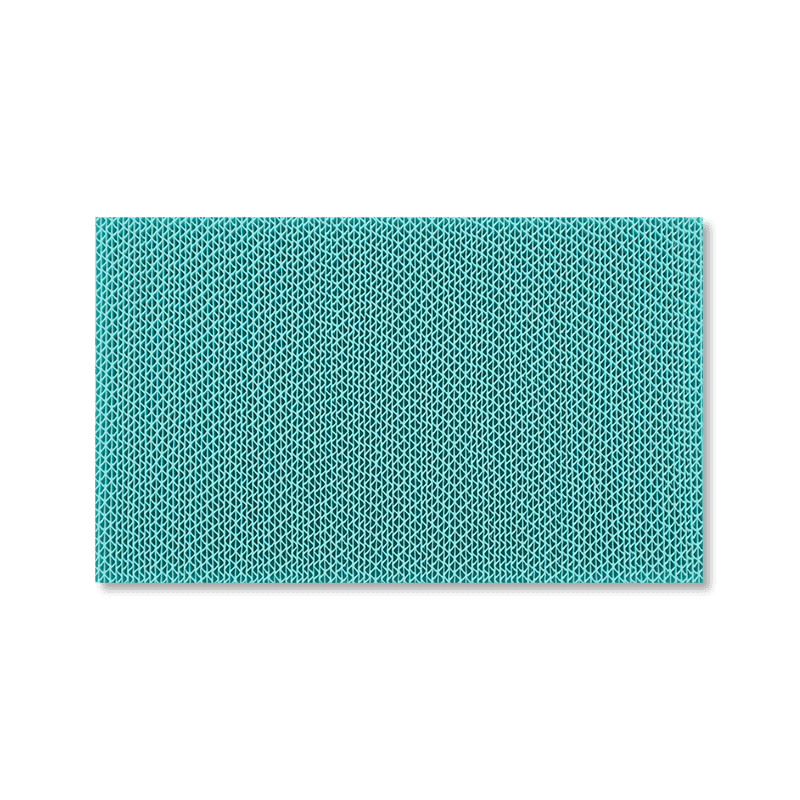
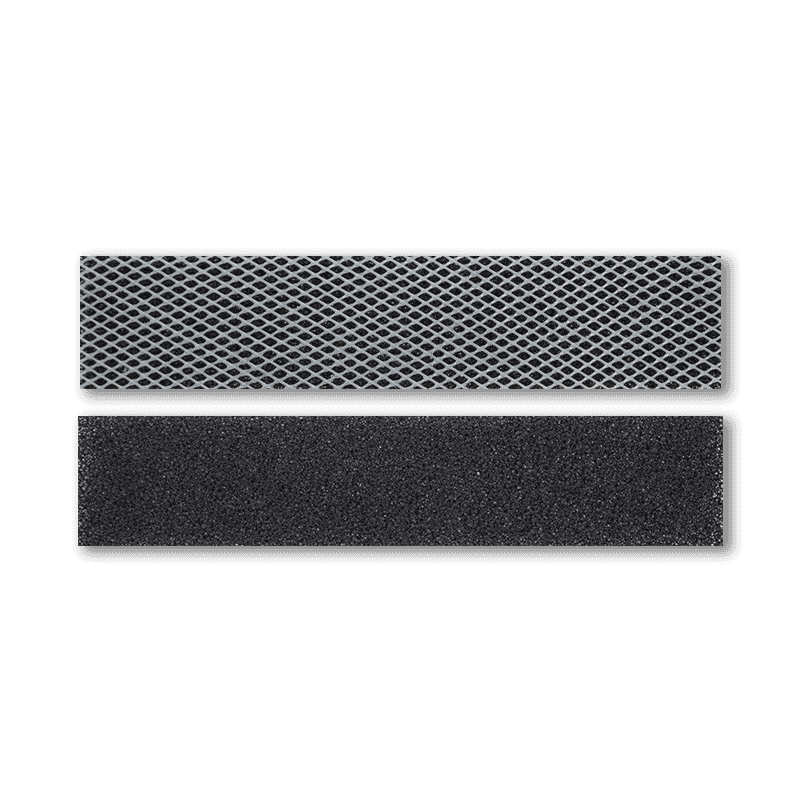
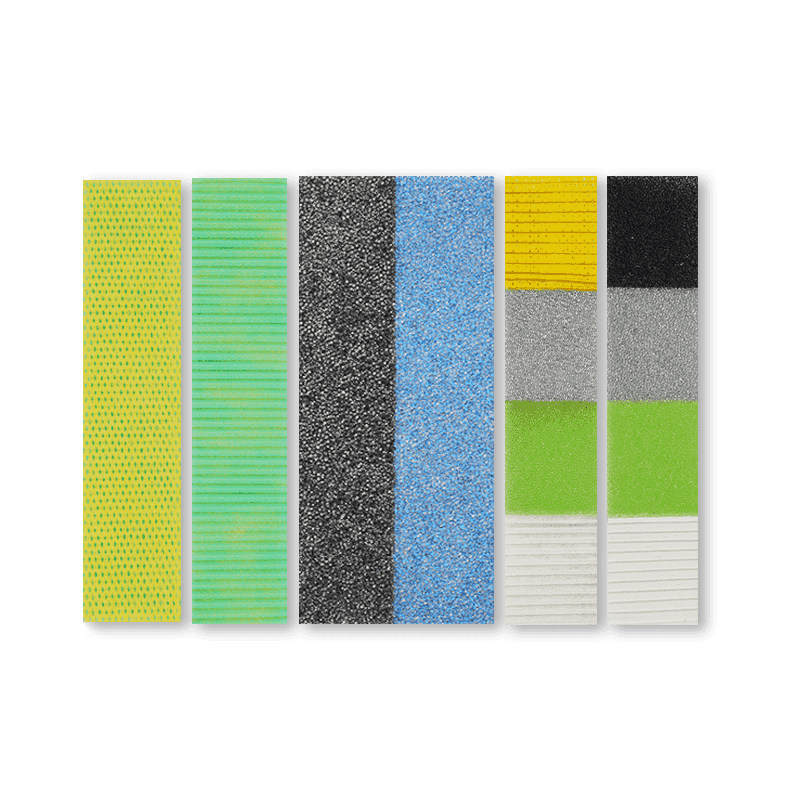
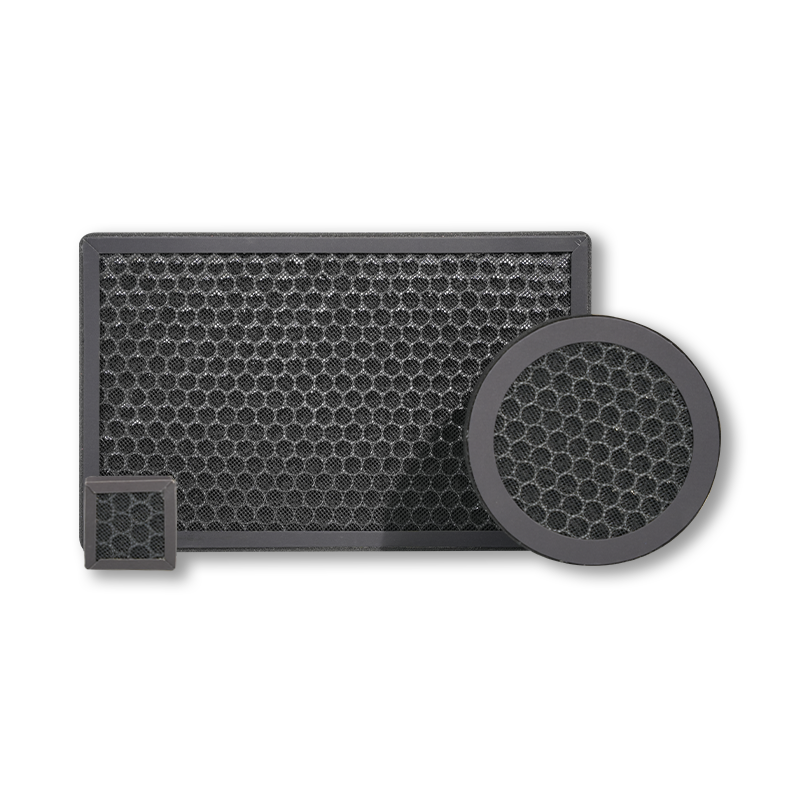
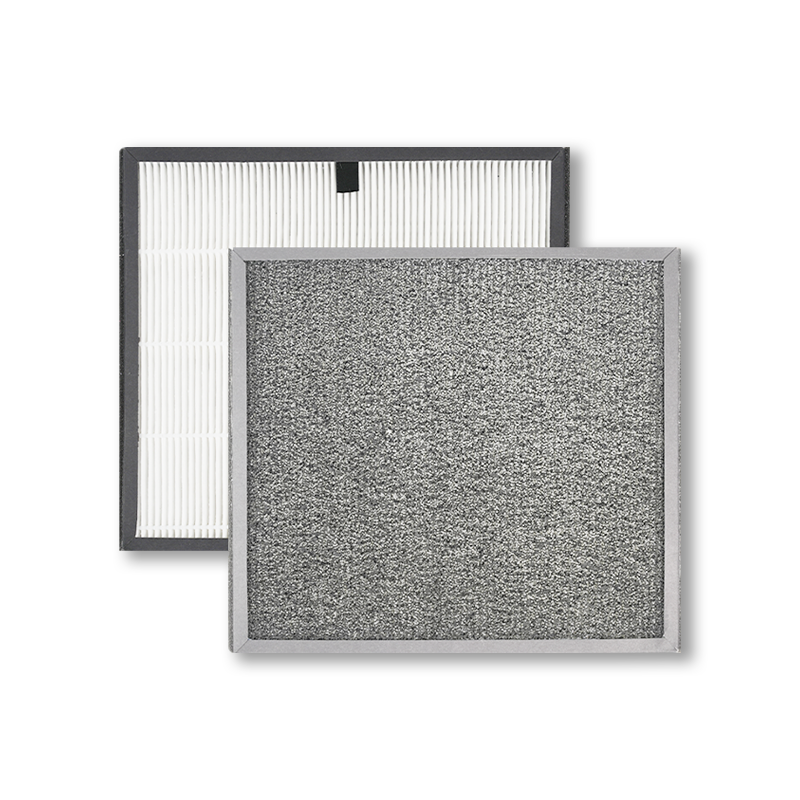
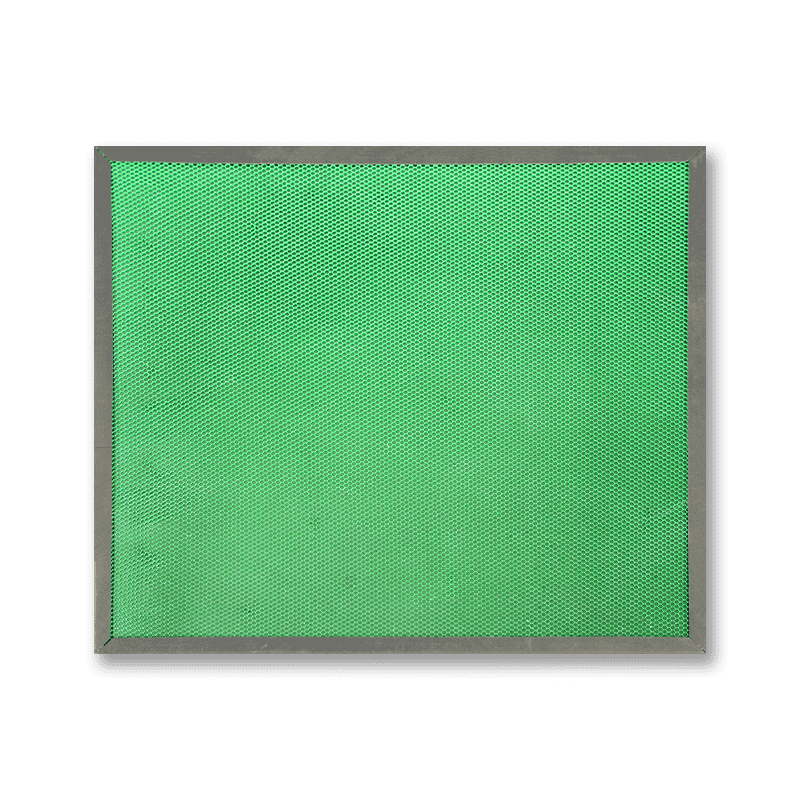
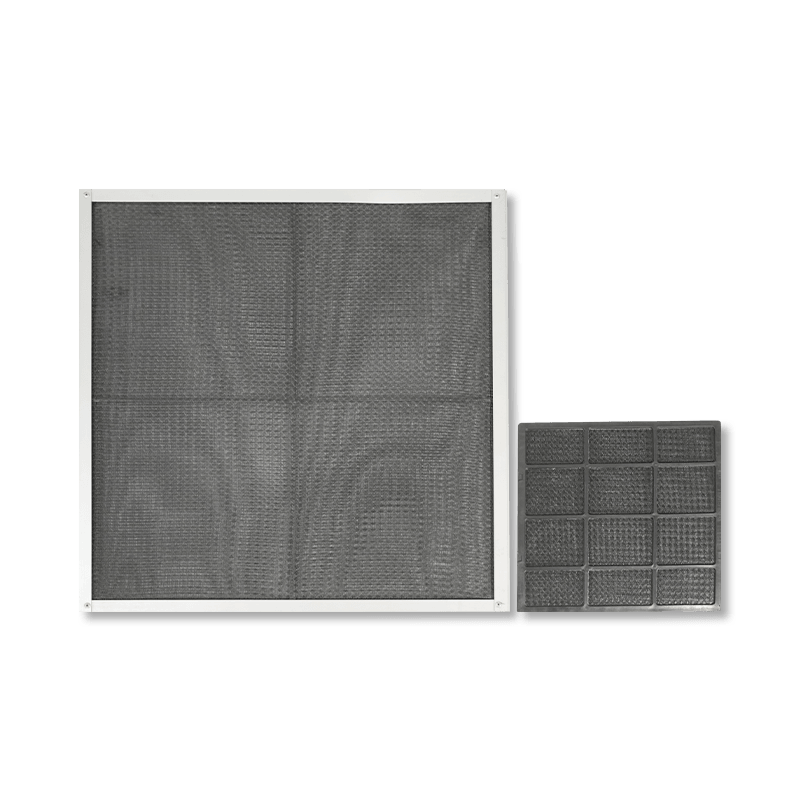
Photocatalytic oxidation (PCO) is the gold standard for high-intensity air sterilization and VOC destruction. Our Photocatalytic Air Filter Series utilizes the power of Nano-Titanium Dioxide (TiO2), a semi-conductor material that becomes a powerful oxidizing agent when exposed to ultraviolet (UV) light. At Nantong Lyusen, we use a proprietary vacuum-dipping or electrostatic spraying process to bond the Nano-TiO2 particles to a structural substrate, such as aluminum honeycomb, nickel foam, or ceramic modules. When UV-A light (365nm) hits the TiO2 coating, it creates "electron-hole pairs" that react with the moisture in the air to generate Hydroxyl Radicals (·OH). These radicals are among the strongest oxidizing agents in nature—capable of instantly rupturing the cell walls of bacteria and viruses and breaking down complex VOCs into harmless Carbon Dioxide (CO2) and Water (H2O). This is a "destructive" rather than "adsorptive" process, ensuring that the filter never becomes a source of secondary pollution.
What distinguishes Lyusen’s PCO technology is our focus on "Catalytic Density and Adhesion." Many cheap photocatalyst filters suffer from "flaking," where the TiO2 powder falls off the filter, reducing efficiency and potentially entering the air stream. Our high-tech coating process ensures a molecular bond that is resistant to high air velocities and vibrations. Furthermore, by cooperating with state R&D institutions in Shanghai and Nanjing, we have developed a "Doped" TiO2 formulation that increases the light-harvesting efficiency, allowing for a higher kill-rate of pathogens even with lower-intensity UV lamps. This series is essential for medical-grade air sterilizers, public transportation disinfection systems, and high-end industrial laboratories where air sterility is non-negotiable. As a manufacturer with 26 years of experience, Nantong Lyusen provides the technical precision and reliable supply chain needed to integrate advanced PCO technology into your global product portfolio.
Detailed Technical Specifications
The efficiency of a photocatalytic filter is determined by its surface area and the activity of the TiO2 coating. We provide detailed data on the Degradation Rate of specific target gases, such as formaldehyde and benzene, as well as the Kill Rate for common pathogens like S. aureus and E. coli. Our filters are designed to work optimally with UV-A lamps (365nm) but are also available in "Visible Light" active versions for specialized applications. Below is the technical data matrix for our Photocatalytic Series, designed to assist engineers in matching the filter with the correct UV light source and air flow velocity.
| Performance Metric | Alu-Honeycomb PCO | Nickel Foam PCO | Ceramic Base PCO |
|---|---|---|---|
| Catalyst Type | Anatase Nano-TiO2 | Doped TiO2 (Ag/Pt) | High-Density TiO2 |
| Kill Rate (Bacteria) | > 99.9% | > 99.99% | > 99.9% |
| HCHO Degradation | > 95% (Continuous) | > 92% | > 98% |
| Light Source Req. | UV-A (365nm) | UV-A / Visible Light | UV-A (High Power) |
| Substrate Porosity | 95% Open Area | 20 - 40 PPI | High-Surface Micro-pore |
| Temp. Resistance | 120°C | 100°C | 450°C (Industrial) |
| Service Life (Est.) | 36 - 60 Months | 24 - 36 Months | 60+ Months |
| Frame Material | Aluminum / Plastic | Galvanized Steel | Stainless Steel |
Our photocatalytic modules are manufactured to the highest standards, with ISO 9001 and RoHS certifications. We utilize high-precision CNC equipment to ensure the frames fit perfectly into your equipment's UV light chamber, preventing "light leakage" and ensuring maximum contact between the UV rays and the catalyst. We also provide "Airflow Simulation Data" to help you calculate the optimal dwell-time for the air as it passes through the PCO stage. Every shipment is accompanied by a Batch Test Report that confirms the catalytic activity and antimicrobial performance. Whether you need a standard 495x495mm panel for a commercial AHU or a custom-shaped disc for a portable air sterilizer, Nantong Lyusen provides the technical data and manufacturing flexibility to ensure your product succeeds in the most demanding international markets.
Primary Industrial Applications
Photocatalytic Air Filters are the core component in Hospital and Medical Air Sterilization equipment. In isolation wards, operating theaters, and dental clinics, the removal of airborne pathogens is a critical safety requirement. Our PCO modules provide a continuous "kill-on-contact" barrier that inactivates viruses and bacteria without the use of toxic chemicals or high-concentration ozone. Because the reaction happens only on the filter surface, it is perfectly safe to run in occupied rooms, making it a powerful alternative to chemical fogging or high-power UV-C radiation that can be harmful to human skin and eyes. The Pharmaceutical and Biotechnology industries also utilize our PCO filters to maintain sterile environments in cleanrooms and during the packaging of sensitive biological products.
In the Food Processing and Cold Chain sector, photocatalysis is used to eliminate ethylene gas (which causes produce to over-ripen) and to kill mold spores in storage facilities. This technology significantly extends the shelf-life of fresh fruits and vegetables and prevents the cross-contamination of food products during transport. Similarly, in Public Transportation and Aviation, PCO filters are integrated into the ventilation systems of subways, buses, and aircraft to protect passengers from airborne cross-infection in crowded environments. The "self-cleaning" nature of the catalyst means these filters can handle high volumes of air for long periods with minimal maintenance, which is essential for the high-uptime requirements of the transportation industry.
Furthermore, our photocatalytic series is a favorite for High-End Residential and "Healthy Building" projects. Architects and developers specify PCO technology in luxury condominiums and office towers to combat "Sick Building Syndrome" caused by the off-gassing of interior materials. By permanently decomposing VOCs and eliminating the odors of cigarette smoke or cooking, PCO filters provide a pristine indoor environment that increases property value and occupant wellness. From the largest airport to the smallest medical device, Nantong Lyusen’s photocatalytic technology provides the advanced "Destructive Purification" needed for a cleaner, safer, and more sterile world.
Core Technical Advantages
The primary advantage of Lyusen’s Photocatalytic Air Filter Series is its Permanent Destructive Sterilization. Unlike mechanical filters (HEPA) that merely "trap" bacteria (where they can continue to live and multiply), PCO technology physically destroys the microorganism. This "Active Kill" mechanism ensures that the filter never becomes a reservoir for pathogens. This is a critical technical advantage for medical and public safety applications where the risk of secondary infection from a "dirty" filter must be eliminated. For the end-user, this means a safer, cleaner environment and a filter that actually "cleans itself" of biological matter over time.
Another major technical benefit is the Synergistic Purification of VOCs and Pathogens. Most air purification technologies are good at one thing—either particles, odors, or germs. PCO technology is unique because it handles all organic threats simultaneously. The same hydroxyl radicals that rupture a virus's protein coat also break down the carbon-carbon bonds in formaldehyde or benzene molecules. This "Multi-Threat" capability allows equipment manufacturers to simplify their internal designs by replacing multiple filter stages with a single, high-performance PCO module (combined with a UV lamp). The Low Pressure Drop of our honeycomb and foam substrates also ensures that this high-level purification doesn't come at the cost of energy efficiency or high noise levels.
Finally, Lyusen offers Industrial-Scale Reliability and R&D Innovation. By cooperating with state universities and R&D institutions in Shanghai and Nanjing, we have pushed PCO technology to the "International Level." Our coating process is automated and highly consistent, ensuring that every filter has a uniform layer of Nano-TiO2 for maximum light-harvesting efficiency. We are a High-Tech Enterprise (2020) that understands the importance of "Time-to-Market" and "Technical Proof." By choosing Nantong Lyusen, you get more than just a filter; you get a partner that can provide the scientific validation, customized engineering, and reliable manufacturing needed to make your PCO-enabled products a global success. This technological authority is the key to building trust with B2B clients and winning high-value contracts in the global environmental protection market.
Logistics, Payment & Global Shipping
Nantong Lyusen provides a professional, end-to-end export service for our specialized photocatalytic air filters, ensuring our international B2B partners receive their high-tech components with maximum efficiency and security. We offer a variety of flexible payment terms tailored to the needs of the global trade market. Our standard terms are T/T (Telegraphic Transfer) with a 30% to 50% deposit and the balance paid before shipment. For our long-term strategic partners and high-volume industrial accounts, we offer Credit Facilities (Net-30/60) or Documentary Collections (D/P). We also support Irrevocable Letters of Credit (L/C) at Sight, providing a secure financial framework for large-scale healthcare or infrastructure projects. All transactions are handled with the highest standards of transparency and international bank compliance.
Logistically, photocatalytic modules require specialized handling to maintain the integrity of the catalytic coating and the structural frames. We use Custom-Fitted, High-Impact Packaging for all our PCO products. Each module is individually wrapped in a protective anti-static PE film and then secured with shock-absorbing foam inserts within a reinforced, double-walled export carton. This ensures that the delicate Nano-TiO2 coating remains perfect during the vibrations of international transit. Our factory in Nantong is strategically located near the Port of Shanghai, providing daily access to global shipping lanes and competitive freight rates. For urgent medical R&D or replacement requirements, we offer express air freight via FedEx, DHL, or UPS, with most global destinations reached within 5-7 business days. We handle all the necessary customs documentation, including Certificates of Origin (CO) and Batch Test Reports, to ensure a smooth and delay-free import process in your country. With real-time tracking and dedicated export coordinators, Nantong Lyusen ensures your high-tech photocatalytic filters arrive fresh, active, and ready to protect.
- Q: Do these filters produce ozone during the purification process?
- A: No. Photocatalytic oxidation (PCO) using TiO2 and UV-A light does not produce ozone. In fact, many PCO systems are actually used to decompose ozone. It is a very safe technology for use in occupied rooms. However, the UV lamps used to activate the filter must be properly shielded to prevent direct eye exposure.
- Q: How long does the TiO2 coating last on the filter?
- A: The TiO2 catalyst is not consumed in the reaction; it simply provides the site for the oxidation to happen. Therefore, the coating itself can last for 3 to 5 years or even longer. The primary reason to replace the filter is if it becomes physically damaged or if inorganic dust (like smoke soot) permanently covers the catalyst, blocking the UV light from reaching it.
- Q: Can I use any UV light with this filter, or do I need a specific one?
- A: For our standard photocatalytic filters, a UV-A light with a peak wavelength of 365nm is required for maximum efficiency. While they will work with UV-C lamps (254nm), the higher energy of UV-C is not necessary for the catalyst and can actually degrade the plastic frames over time. We recommend using UV-A LED or fluorescent lamps for the best balance of efficiency and durability.
- Q: Is this technology effective against the "New Car Smell" and furniture odors?
- A: Yes, PCO technology is exceptionally effective at breaking down formaldehyde, benzene, and other VOCs that cause these odors. Unlike carbon filters that just trap the smell, PCO destroys the molecules permanently, ensuring that the odors do not return even if the cabin or room gets hot.