 English
 Español
 日本語
日本語
Activated carbon filter materials are widely used in modern environmental protection systems because of their exceptional adsorption performance. Thanks to their highly porous structure and large surface area, activated carbon materials can effectively capture organic compounds, odors, gases, chemicals, and impurities from both air and water. They are now essential components in industrial filtration systems, commercial purification equipment, and household treatment solutions.

How Do Activated Carbon Filter Materials Work?
Activated carbon works through a process called adsorption, where contaminants adhere to the surface of the carbon particles. The material contains millions of microscopic pores that trap pollutants, making it highly effective for purification applications.
Main Characteristics of Activated Carbon Filters
|
Feature |
Description |
|
High Surface Area |
Provides extensive adsorption capacity |
|
Strong Chemical Stability |
Resistant to many acids and alkalis |
|
Odor Removal |
Efficiently eliminates unpleasant smells |
|
VOC Adsorption |
Removes volatile organic compounds |
|
Reusability |
Some activated carbon can be regenerated |
|
Wide Compatibility |
Suitable for air and water systems |
Activated carbon is typically manufactured from materials such as coconut shell, coal, wood, or peat. Different raw materials produce different pore structures, allowing manufacturers to optimize products for specific purification needs.
Applications of Activated Carbon in Air Purification
Air pollution control is one of the most important applications of activated carbon filter materials. Activated carbon filters are commonly integrated into HVAC systems, industrial exhaust systems, automotive cabins, and portable air purifiers.
1. Removal of Volatile Organic Compounds (VOCs)
Activated carbon is highly effective at adsorbing VOCs released from:
- Paints
- Adhesives
- Furniture
- Cleaning products
- Industrial solvents
These compounds can negatively affect indoor air quality and human health. Activated carbon filters help maintain safer indoor environments in offices, hospitals, laboratories, and residential buildings.
2. Odor Control Systems
One of the most recognized functions of activated carbon is odor removal. It is frequently used in:
- Kitchen exhaust systems
- Smoking rooms
- Waste treatment facilities
- Pet care areas
- Food processing plants
The porous carbon structure captures odor-causing molecules before they circulate into surrounding environments.
3. Industrial Gas Purification
Industrial facilities use activated carbon filters to remove hazardous gases and airborne contaminants from exhaust emissions.
Common Industries Using Activated Carbon Air Filters
|
Industry |
Purpose |
|
Chemical Plants |
VOC and solvent recovery |
|
Pharmaceutical Factories |
Air quality control |
|
Electronics Manufacturing |
Cleanroom contamination reduction |
|
Automotive Industry |
Paint booth filtration |
|
Waste Management |
Odor and gas treatment |
4. Air Purifiers and HVAC Systems
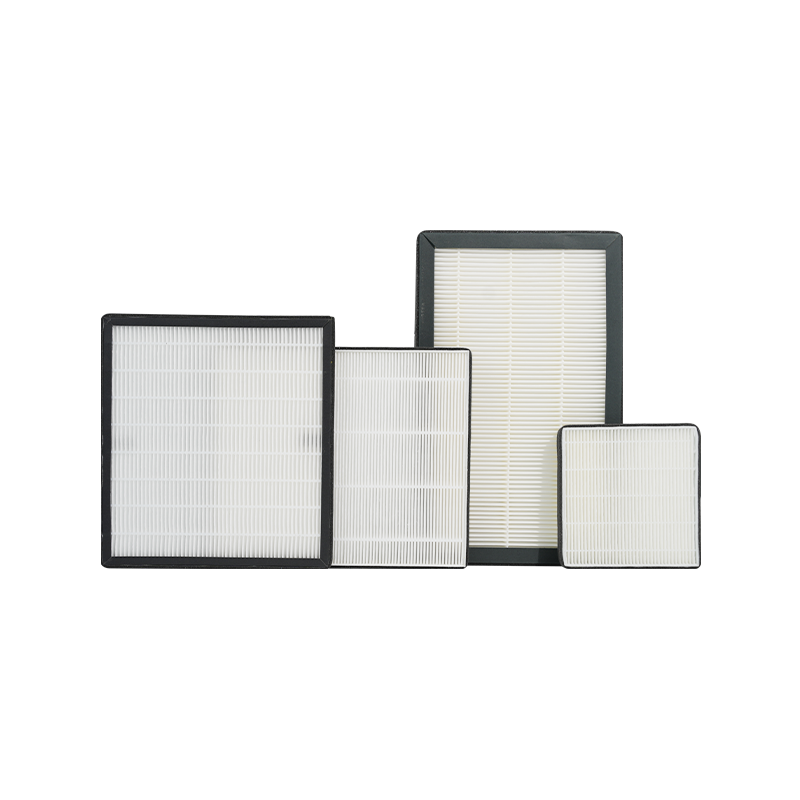
Modern air purifiers often combine HEPA filters with activated carbon filters. While HEPA filters remove particles such as dust and pollen, activated carbon captures gases and odors that particle filters cannot eliminate.
This dual-filtration approach significantly improves indoor air quality in homes, offices, schools, and hospitals.
Applications of Activated Carbon in Water Purification
Activated carbon is also a critical filtration medium in water treatment systems. It effectively removes chlorine, organic compounds, pesticides, odors, and discoloration from water supplies.
1. Drinking Water Treatment
Activated carbon filters are commonly used in:
- Household water purifiers
- Municipal treatment plants
- Bottled water production
- Commercial beverage manufacturing
These filters improve taste and odor while reducing harmful contaminants.
Contaminants Commonly Removed
|
Contaminant |
Removal Efficiency |
|
Chlorine |
Excellent |
|
Organic Chemicals |
High |
|
Bad Taste & Odor |
Excellent |
|
Pesticides |
Moderate to High |
|
Sediment |
Limited |
|
Heavy Metals |
Depends on filter design |
2. Wastewater Treatment
Industrial wastewater often contains dissolved organic pollutants that are difficult to remove using conventional filtration methods. Activated carbon adsorption systems help industries comply with environmental discharge standards.
Industries Using Carbon-Based Wastewater Filtration
- Textile manufacturing
- Chemical processing
- Pharmaceutical production
- Food and beverage plants
- Petrochemical facilities
Activated carbon can reduce chemical oxygen demand (COD) and remove toxic compounds from wastewater streams.
3. Aquarium and Aquaculture Filtration
Activated carbon is widely used in aquarium filtration systems because it removes:
- Organic waste
- Fish odors
- Medication residues
- Water discoloration
This helps maintain healthier aquatic environments for fish and marine organisms.
4. Swimming Pool and Spa Water Treatment
Carbon filtration improves water clarity and reduces unpleasant chemical odors in pools and spas. It also helps lower chlorine byproducts, enhancing user comfort.
What Types of Activated Carbon Filter Materials Are Available?
Different purification systems require different activated carbon forms.
Common Types
|
Type |
Main Application |
|
Granular Activated Carbon (GAC) |
Water treatment |
|
Powdered Activated Carbon (PAC) |
Industrial processing |
|
Activated Carbon Fiber |
High-efficiency air filtration |
|
Pelletized Activated Carbon |
Gas purification |
|
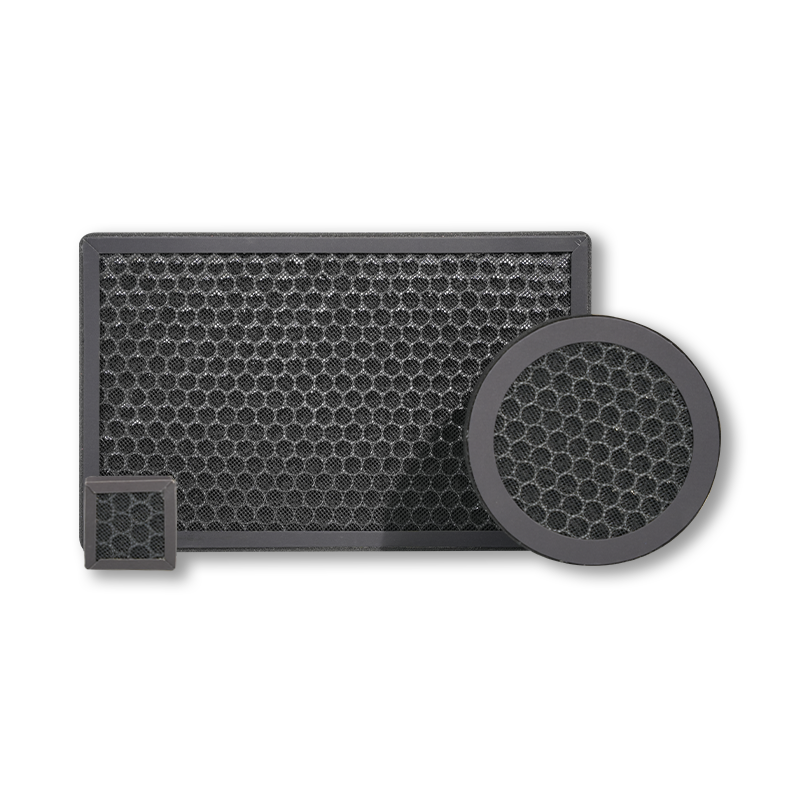
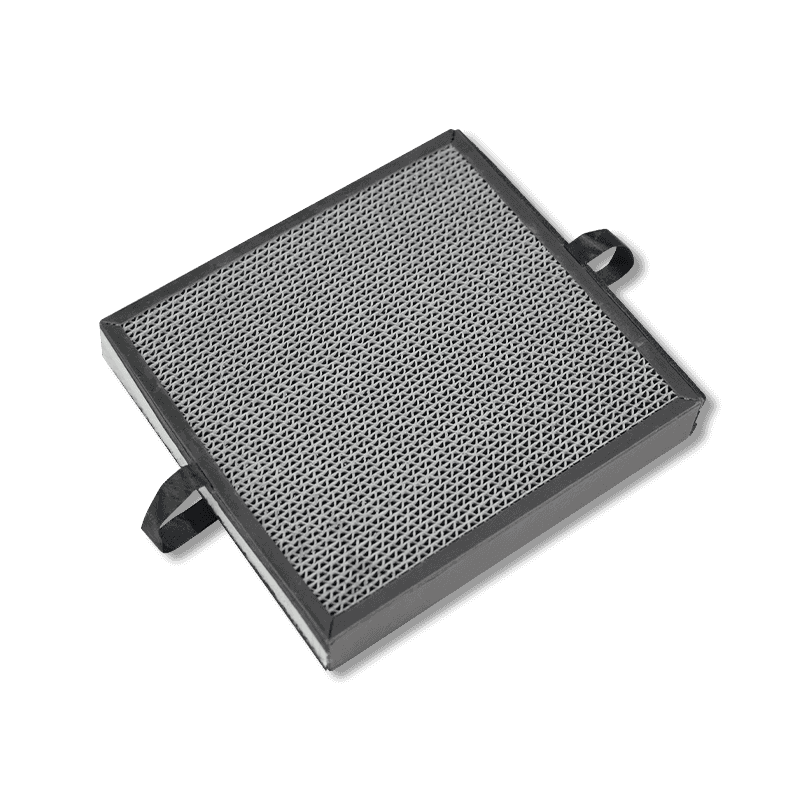
Honeycomb Activated Carbon |
HVAC and odor control |
Each type offers unique advantages depending on flow rate, adsorption efficiency, pressure drop, and contaminant characteristics.
Why Is Activated Carbon So Popular in Filtration Systems?
Several advantages contribute to the widespread use of activated carbon materials:
- High adsorption efficiency
- Broad contaminant removal capability
- Relatively low operating cost
- Environmentally friendly performance
- Compatibility with multi-stage filtration systems
- Long service life under proper maintenance
Because of these benefits, activated carbon remains one of the most reliable and versatile filter materials in modern purification technology.
Future Trends in Activated Carbon Filtration
As environmental regulations become stricter, demand for advanced activated carbon materials continues to grow. Current industry trends include:
- High-performance nano-activated carbon
- Regenerable carbon filtration systems
- Sustainable coconut-shell activated carbon
- Smart filtration monitoring technologies
- Hybrid carbon-composite filters
These innovations are improving filtration efficiency while reducing operational costs and environmental impact.
FAQ
Can activated carbon remove bacteria and viruses?
Activated carbon primarily removes chemicals, odors, and organic compounds. It is usually combined with UV sterilization or membrane filtration to remove microorganisms effectively.
How often should activated carbon filters be replaced?
Replacement frequency depends on usage conditions, contaminant concentration, and filter size. Household filters may require replacement every 3–12 months, while industrial systems follow customized maintenance schedules.
Is activated carbon safe for drinking water applications?
Yes. Activated carbon is widely used in certified drinking water treatment systems and is considered safe when manufactured according to industry standards.
What is the difference between activated carbon and charcoal?
Although similar in appearance, activated carbon undergoes specialized processing to create a much larger pore structure and adsorption surface area than ordinary charcoal.
Can activated carbon filters be regenerated?
Some industrial activated carbon systems can be thermally regenerated and reused multiple times, helping reduce operational costs and waste generation.