 English
 Español
 日本語
日本語
Silver Ion Sponges Combine Physical Filtration with Continuous Antimicrobial Protection
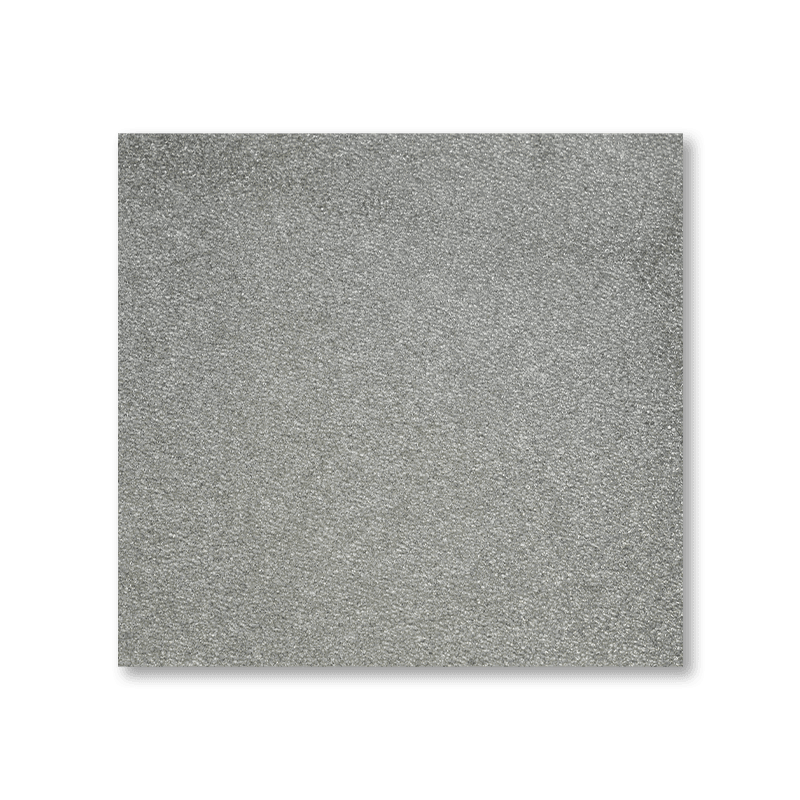
A silver ion filter sponge works by embedding silver nanoparticles or silver compounds into a porous sponge matrix, so that as water or air passes through, silver ions are continuously released into the flow. These ions penetrate microbial cell membranes and disrupt essential cellular functions, giving the sponge broad-spectrum antimicrobial activity against bacteria such as E. coli and Salmonella while also inactivating certain viruses. Beyond killing microorganisms in the water stream itself, the primary functional advantage is that silver prevents biofilm from forming on the filter media, which significantly extends the filter's usable lifespan. In short, a silver ion sponge does two jobs at once: it physically traps particulates like a conventional sponge filter, and it chemically sterilizes both the water passing through it and the sponge material itself, preventing the filter from becoming a source of secondary contamination over time.
How Silver Ion Sponges Actually Work
Understanding the advantages of a silver ion filter sponge starts with understanding the underlying chemistry. Silver has been recognized as an antimicrobial material for thousands of years, and modern manufacturing simply refines and stabilizes this property at a much smaller scale. Reducing silver to the nanoscale increases its surface area substantially, enabling a controlled, sustained release of silver ions wherever microbes come into contact with the material.
The Ion-Release Mechanism
Once released, silver ions carry a positive charge. Because bacterial cell walls are negatively charged, the two are naturally drawn to one another, which allows silver to make direct contact with microorganisms efficiently rather than relying on random collision. After contact, the ions disrupt bacterial cell membranes, bind to and deactivate essential enzymes, and can trigger the production of reactive oxygen species inside the cell that ultimately cause cell death.
Why the Sponge Matrix Matters
The porous, open-cell structure of a sponge is particularly well suited to hosting silver nanoparticles because it offers a large internal surface area for particle attachment while still allowing water or air to pass through with minimal resistance. Manufacturers typically stabilize silver nanoparticles onto materials such as ceramic filters, hydrogels, filter papers, and polyurethane foam specifically to prevent nanoparticle leaching while providing structural support to the filter unit. This stabilization step is important: it keeps the antimicrobial action concentrated where it is needed — at the point where microbes contact the filter surface — rather than allowing silver to wash away too quickly.
Core Advantage 1: Broad-Spectrum Antimicrobial Protection
The single most cited advantage of silver ion filter sponges is the sheer breadth of organisms they can neutralize. Technical assessments of nano silver materials describe activity against more than 650 types of disease-causing microorganisms, spanning bacteria, viruses, and fungi. This is a notably wide range compared to many single-purpose disinfection technologies, which often target only bacteria or only specific pathogen classes.
Effectiveness Against Resistant and Difficult Organisms
Silver's antimicrobial mechanism does not rely on the same biological pathways that many antibiotics target, which is part of why it remains effective even against organisms that have developed resistance to conventional treatments. Research reviews note that silver nanoparticles are effective against a wide range of Gram-positive and Gram-negative bacteria, including multidrug-resistant strains, and also demonstrate antifungal and antiviral action. In controlled laboratory testing, silver-treated sponge materials have demonstrated extremely high kill rates: one recent study on a sponge with in-situ formed silver nanoparticles reported microbial reduction exceeding 99.99999% against E. coli, Staphylococcus aureus, and Candida albicans, illustrating just how thorough the disinfection effect can be under test conditions.
A Chemical-Free Alternative to Traditional Disinfectants
Unlike chlorine-based or other chemical disinfection methods, silver achieves its antimicrobial effect without introducing harsh chemical byproducts into the water stream. This makes silver nanoparticle filtration a chemical-free alternative that produces a non-toxic, environmentally friendly purification process. For applications where taste, odor, or downstream chemical exposure is a concern — such as drinking water systems or food-contact equipment — this is a meaningful practical advantage over disinfectants that can leave residual byproducts behind.
Core Advantage 2: Extended Filter Lifespan Through Biofilm Prevention
One of the most underappreciated benefits of silver ion sponges is not what they do to the water passing through them, but what they prevent from happening to the filter itself. Conventional sponge filters, over time, accumulate organic material that becomes an ideal breeding ground for bacteria. This bacterial colonization forms a slimy layer known as biofilm, which is a major cause of premature filter failure and reduced flow rates.
Why Biofilm Is a Serious Problem
Biofilms are structured colonies of bacteria that can clog and degrade filtration systems over time, reducing both filtration efficiency and flow rate while simultaneously turning the filter into a source of contamination rather than a barrier against it. Once biofilm establishes itself, it is notoriously difficult to remove through simple rinsing, often requiring aggressive cleaning or full filter replacement.
How Silver Interrupts This Process
Silver nanoparticles address this problem at its source by continuously killing bacteria before they can establish a colony on the sponge surface. This restrains biofilm formation and directly advances the durability and overall lifespan of the filtration system. The practical result is a filter that maintains stable flow rates and consistent filtration performance for a significantly longer period compared to an equivalent sponge without antimicrobial treatment — reducing both maintenance frequency and the labor cost of filter changes.
Durability Under Real-World Mechanical Stress
A common concern with any coated or treated material is whether the coating survives normal wear and tear. Testing on silver-nanoparticle-treated sponge material found that the antimicrobial effect held up well under mechanical stress: the treated sponge retained more than a 6-log reduction in microbial load even after 5,000 centimeters of abrasion and 400 bending cycles, indicating that the silver remains embedded and active rather than washing or wearing away under normal handling and use.
Design Considerations: Particle Size and Filter Configuration
Not all silver ion filter sponges are engineered the same way, and design choices affect both filtration performance and antimicrobial efficiency.
Particle Size Ranges
Silver nanoparticles used in filtration are manufactured across a range of sizes to suit different applications. Products are commonly available in sizes ranging from 5–10 microns up to 100–200 microns, and in customized shapes such as spherical, rod-shaped, or prism-shaped particles, allowing manufacturers to optimize both filtration efficiency and antimicrobial performance for specific use cases. Smaller particles generally offer greater surface area relative to their mass, which can improve ion release rates, while larger particles may be chosen for mechanical stability within certain sponge structures.
Pairing with Pre-Filtration
Silver ion sponges perform best as part of a multi-stage filtration approach rather than as a standalone solution. Placing a simple sediment pre-filter upstream of the silver-treated stage helps remove larger particulates before they reach the antimicrobial layer, which can dramatically extend both the mechanical filtration life and the useful antibacterial life of the silver-treated stage. This staged approach prevents the silver sponge from being prematurely fouled by debris that has nothing to do with microbial contamination, preserving its antimicrobial capacity for the job it is actually designed to do.
Important Considerations and Trade-Offs
While the advantages of silver ion filter sponges are substantial, responsible use requires understanding a few trade-offs.
- Effectiveness can vary depending on the specific microorganism present and the surrounding water conditions, which is why silver filtration is often used alongside other filtration methods rather than as a sole treatment
- Long-term human health effects of extended silver ion exposure have been studied, and some research has raised concerns after prolonged exposure to elevated concentrations, reinforcing the importance of using products that keep silver release within regulated safety thresholds
- Proper nanoparticle stabilization within the sponge matrix is essential to prevent excessive leaching while still allowing enough ion release for effective antimicrobial action, which is why manufacturing quality varies meaningfully between products
Overall, silver-ion filtration sponges offer well-validated advantages: they provide broad-spectrum antimicrobial protection while extending filter lifespan by inhibiting biofilm formation. For buyers and system designers, the key lies in selecting products with certified silver stability, pairing the silver-infused filtration layer with appropriate pre-filtration measures, and treating the silver-ion sponge as an integral component of the overall filtration solution.