 English
 Español
 日本語

Understanding HEPA Mini-Pleat Filters
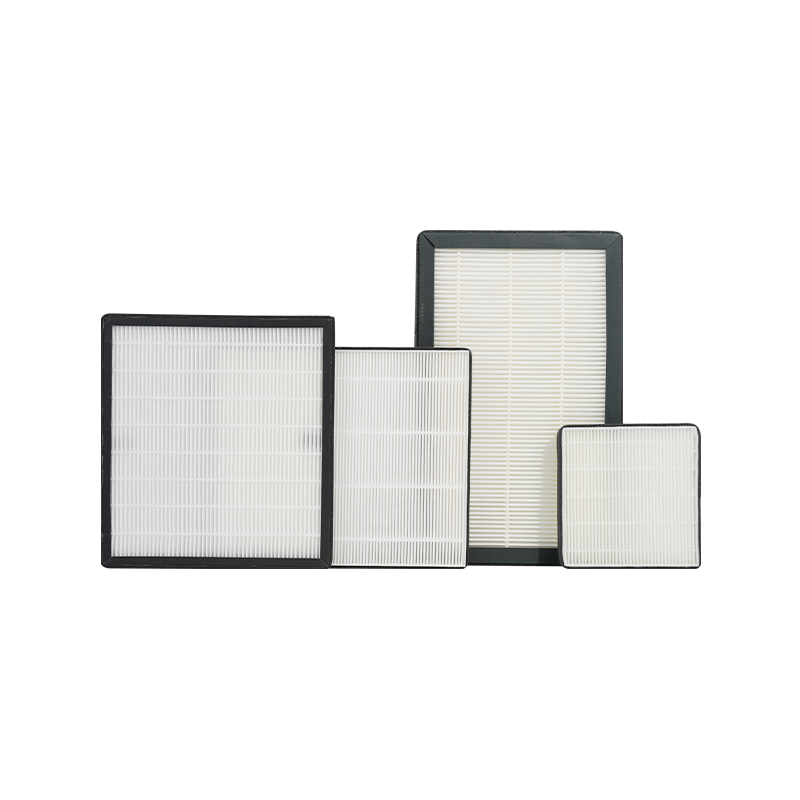
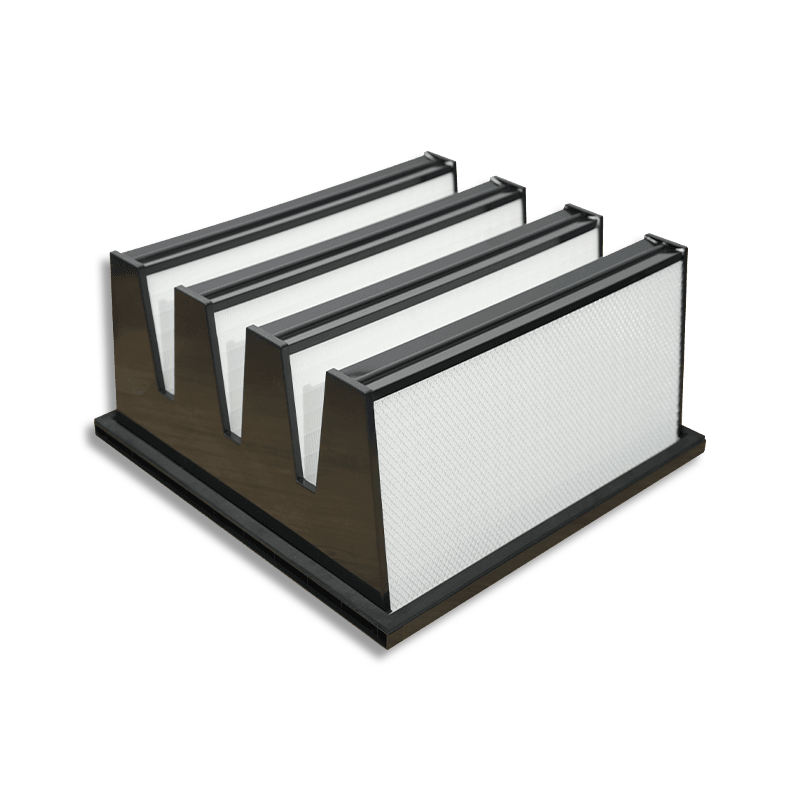
HEPA mini-pleat filters are high-efficiency particulate air filters built with closely spaced, shallow pleats supported by hot-melt adhesive separators or thermally bonded ridges instead of traditional aluminum separators. This design packs more filtration media into a compact frame, giving mini-pleat filters a larger surface area relative to their footprint. A standard mini-pleat HEPA filter can capture 99.97% of particles at 0.3 microns, making it a preferred choice for cleanrooms, hospitals, laboratories, semiconductor facilities, and HVAC systems that demand strict air purity.
Because the pleats sit closer together than in standard box HEPA filters, mini-pleat versions offer lower airflow resistance while maintaining the same filtration efficiency. This allows facility engineers to run systems at lower energy consumption without sacrificing air quality. Understanding how these filters are constructed helps operators recognize why timely replacement is essential: as particles accumulate in the densely packed pleats, airflow resistance increases and filtration performance can shift, even before the filter appears visibly dirty.

Why Replacement Timing Matters
Replacing a HEPA mini-pleat filter at the right time protects both air quality and equipment efficiency. In controlled environments such as pharmaceutical cleanrooms or operating theaters, delayed replacement can compromise compliance with ISO 14644 cleanliness classifications. In general HVAC applications, an overloaded filter forces fans to work harder, which raises energy costs and can shorten motor lifespan.
Impact on System Performance
As particulate matter builds up on the filter media, static pressure across the filter rises. A properly timed replacement keeps pressure drop within the manufacturer's recommended range, typically between 250 Pa and 600 Pa for most mini-pleat HEPA units, depending on filter size and airflow rating. Once pressure drop exceeds the upper threshold, energy consumption climbs sharply, and airflow volume may drop below what the space requires.
Impact on Air Quality Compliance
Facilities that must meet regulatory air quality standards, such as biosafety labs or semiconductor fabs, rely on scheduled replacement logs as part of audit documentation. Consistent replacement intervals demonstrate due diligence and reduce the risk of particulate contamination events that could halt production or compromise sensitive processes.
Key Indicators It's Time to Replace
Several measurable and observable signs indicate that a HEPA mini-pleat filter needs replacement. Monitoring these indicators allows facility teams to plan replacements proactively rather than reactively.
- Pressure drop readings that exceed the manufacturer's maximum rated value on a magnehelic gauge or digital manometer.
- A noticeable reduction in supply airflow volume, often detected through anemometer readings at diffusers.
- Particle counter results showing an upward trend in downstream particle concentration.
- Visible discoloration, sagging pleats, or physical damage to the filter frame or media during inspection.
- Reaching the scheduled service interval defined in the facility's preventive maintenance plan, regardless of visual condition.
A useful practice is to install a differential pressure gauge across every mini-pleat HEPA installation. This provides a continuous, objective measurement that removes guesswork from the replacement decision.
Recommended Replacement Intervals by Application
Replacement frequency varies significantly depending on the operating environment, airborne particulate load, and system runtime. The table below outlines general guidance that facility managers can adapt to their specific conditions and manufacturer recommendations.
|
Estimated replacement intervals for HEPA mini-pleat filters across common applications. |
||
|
Application |
Typical Interval |
Primary Trigger |
|
Pharmaceutical Cleanroom |
12–18 months |
Pressure drop / audit schedule |
|
Hospital Operating Room |
12 months |
Regulatory requirement |
|
Semiconductor Fab |
18–24 months |
Particle count trend |
|
Commercial HVAC |
24–36 months |
Pressure drop / airflow reduction |
|
Residential Whole-House Systems |
12–24 months |
Manufacturer schedule
|
These figures serve as a starting reference. Facilities operating in high-particulate environments, such as those near construction sites or with heavy foot traffic, may need to shorten intervals by 25% to 40% to maintain consistent filtration performance.
Step-by-Step Safe Replacement Process
Replacing a HEPA mini-pleat filter safely requires a structured procedure to protect both personnel and the surrounding environment from released particulates, especially in facilities handling hazardous or biological materials.
- Shut down the associated air handling unit or fan system and lock it out according to facility lockout/tagout procedures.
- Put on appropriate personal protective equipment, including a properly fitted respirator, gloves, and disposable coveralls if the filter has captured hazardous particulates.
- Place a bag-in/bag-out (BIBO) containment sleeve over the filter housing access point if the facility uses this containment method for critical applications.
- Loosen the clamping mechanism or access panel fasteners slowly to avoid dislodging accumulated dust suddenly.
- Withdraw the old filter carefully, keeping the dirty face pointed away from the body, and place it directly into a sealed disposal bag.
- Inspect the filter housing, gasket seating surface, and frame for residual debris, and wipe down surfaces with a lint-free cloth.
- Insert the new mini-pleat HEPA filter, checking that the airflow direction arrow matches the system's airflow direction.
- Tighten the clamping mechanism evenly to achieve uniform gasket compression, avoiding over-tightening on one side.
- Perform a leak scan test using a photometer or particle counter to confirm proper seal integrity before returning the system to service.
- Record the replacement date, filter batch number, and test results in the facility maintenance log.
Following this sequence consistently helps ensure that filter integrity and system airflow are restored to specification immediately after replacement, minimizing downtime and contamination risk.
Safety Precautions During Replacement
Beyond the mechanical steps of replacement, several safety practices help protect technicians and maintain facility air quality standards during the process.
Respiratory and Skin Protection
Because captured particulates can include allergens, mold spores, or industrial dust, technicians should wear an N95 respirator or higher-rated protection whenever handling used filters, particularly those in service for over a year. Nitrile gloves prevent skin contact with accumulated residue.
Controlling Cross-Contamination
In cleanroom or biosafety settings, maintaining a controlled workflow prevents particulates from migrating into adjacent clean zones. Using a BIBO system or performing replacement during scheduled downtime with restricted access helps preserve the cleanliness of the surrounding space.
Electrical and Mechanical Safety
Always confirm that fans and electrical components are de-energized before opening housings. This prevents injury from moving parts and avoids drawing contaminated air through an open access panel during replacement.
Proper Disposal and Handling
Used HEPA mini-pleat filters should be disposed of according to local environmental regulations, especially in facilities handling biological, chemical, or radioactive particulates. Seal the used filter in a heavy-duty disposal bag immediately after removal to prevent particulate release during transport.
For standard commercial and residential applications, used filters are generally treated as ordinary solid waste and can be disposed of through routine waste collection. However, facilities in regulated industries, such as pharmaceutical manufacturing or research laboratories, often require filters to be autoclaved, incinerated, or handled as biohazard waste depending on the substances captured. Consulting the facility's environmental health and safety team before disposal ensures full compliance with applicable waste handling rules.
Maintenance Tips to Extend Filter Life
While mini-pleat HEPA filters are consumable components, several practices can help maximize their service life without compromising filtration performance.
- Install a properly rated pre-filter upstream to capture larger particulates before they reach the HEPA media, which can extend HEPA filter life by 30% to 50%in high-dust environments.
- Schedule regular pressure drop monitoring so replacement decisions are based on real performance data rather than fixed calendar dates alone.
- Maintain stable humidity levels within the air handling system, since excess moisture can affect the structural integrity of the pleat media over time.
- Ensure the filter housing gasket remains clean and undamaged, as a compromised seal forces air to bypass the filtration media entirely.
- Keep a documented maintenance history for each filter installation to identify trends and plan replacement budgets in advance.
Choosing the Right Replacement Filter
Selecting an appropriate replacement filter ensures continued compatibility with the housing and airflow specifications of the existing system. Key specifications to match include nominal size, rated airflow capacity, initial resistance rating, and filtration efficiency class.
|
Core specifications to verify before ordering a replacement HEPA mini-pleat filter. |
|
|
Specification |
Why It Matters |
|
Filtration Efficiency Class (e.g., H13, H14) |
Determines minimum particle capture rate required for the application |
|
Rated Airflow (CFM or m³/h) |
Ensures the system maintains designed air exchange rates |
|
Initial Resistance |
Affects fan energy consumption from day one of installation |
|
Frame Material |
Determines compatibility with housing seal and environmental conditions
|
Working with a supplier that provides factory test reports for each filter batch adds an extra layer of assurance. These reports typically confirm that each unit has passed individual scan testing, verifying 99.97% or higher efficiency at the rated particle size before it ever leaves the factory. Choosing filters with documented quality certifications supports long-term reliability and simplifies compliance documentation for regulated facilities.