 English
 Español
 日本語
日本語
The single most important detail when replacing your AC filter is installing it with the airflow arrow pointing in the correct direction — toward the blower motor, away from the return air duct. Installing it backwards reduces filtration efficiency by up to 50% and can cause the system to overheat. Follow these five steps and you will do it right every time.
Why airflow direction matters more than most people realize
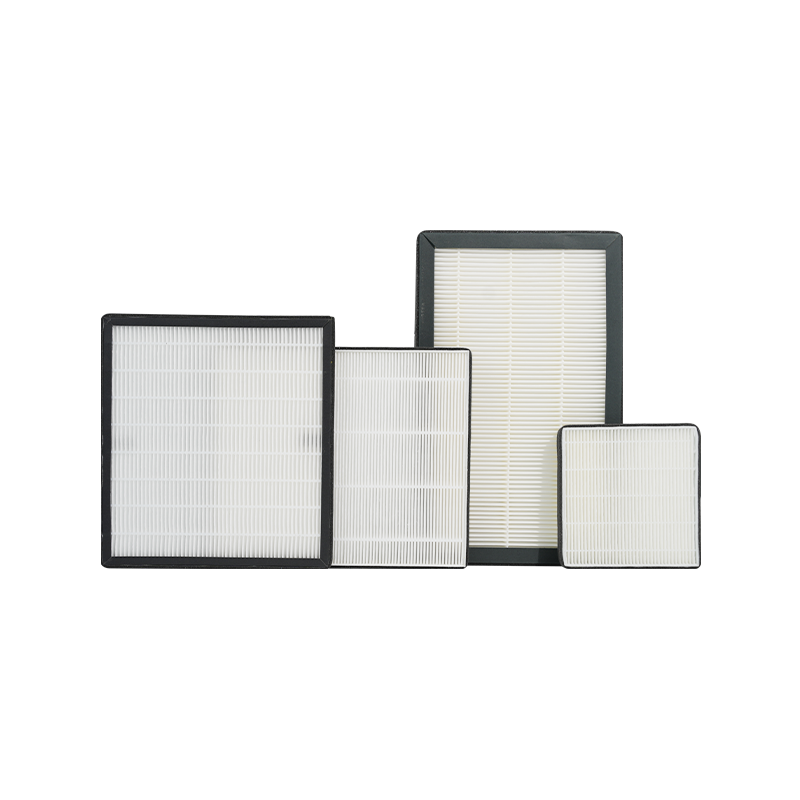
Industry surveys suggest that roughly 80% of homeowners who replace their own filters have installed at least one backwards at some point. This is not a minor mistake. A filter installed in reverse direction presents its unstructured backing side to the incoming air, dramatically reducing its ability to trap particles. The pleated media is engineered to capture contaminants on one specific face — the upstream side. When that face is flipped away from the airstream, performance collapses.
The consequences go beyond poor air quality. A backwards filter may also collapse inward under negative pressure from the blower, sending loose debris directly into the air handler air filters housing, the blower wheel, and the evaporator coil. Coil cleaning costs $100–$400 per service call — a steep price for a preventable installation error.
Every filter sold for residential use — whether you're shopping for the best hvac filters for home use or a basic economy option — prints a directional arrow on its cardboard frame. That arrow always points toward the blower, away from the return air intake. If you remember nothing else from this guide, remember that arrow.
What you need before you start: tools and filter selection
Replacing an AC filter requires no special tools, but a few items make the job cleaner and faster:
- A flashlight or headlamp (essential for attic-mounted air handlers)
- A replacement filter in the correct dimensions (check the frame of your existing filter)
- A plastic bag or trash bag to seal and dispose of the old filter
- A marker to write the installation date on the new filter's frame
- A damp cloth to wipe the filter housing before inserting the new filter
Choosing the right replacement filter
The best hvac filters for home use fall in the European Standard range for most residential systems. Below is a quick-reference guide to help you select the right filter for your situation:
|
Filter selection guide by household profile — always verify your system's maximum rated European Standard before purchasing. |
||||
|
Household Profile |
Recommended European Standard |
Typical Filter Type |
Avg. Cost |
Replace Every |
|
No pets, no allergies |
European Standard |
Basic pleated |
$6–$10 |
90 days |
|
1–2 pets |
European Standard |
High-efficiency pleated |
$12–$18 |
60 days |
|
Allergy/asthma sufferers |
European Standard |
Micro-allergen pleated |
$18–$28 |
30–60 days |
|
Construction/renovation nearby |
European Standard |
High-efficiency pleated |
$15–$25 |
30 days |
|
Whole-home media system |
European Standard |
4–5 inch media filter |
$30–$60 |
6–12 months
|
One important note: do not exceed your system's rated maximum European Standard. Most standard residential air handlers support up to European Standard 13. Going higher restricts airflow and can damage the blower motor or freeze the evaporator coil. Check your system documentation or ask an HVAC technician if unsure.
Where is your filter located? Identifying your system type first
Before you can replace the filter, you need to know where it lives. Residential HVAC systems place the filter in one of several locations, and the replacement procedure varies slightly for each.
Return air vent (wall or ceiling mounted)
The most common location in single-story homes and apartments is a large louvered vent on an interior wall or ceiling — typically 14x20 inches or larger. The filter sits directly behind the grille and is accessible by unlatching or unscrewing the vent cover. This is the most straightforward filter location to service.
Air handler unit (basement or utility closet)
In homes with a dedicated air handler unit, the hvac air handler filters slot is located on the unit itself — usually on the return air side (the large duct entering the unit from below or the side). The filter slides into a dedicated slot or housing immediately before the blower compartment. Always turn the system off at the thermostat before opening the air handler cabinet.
Air conditioner filter in attic installations
Many homes in warmer climates (particularly in the South and Southwest United States) have their air handler installed in the attic. The air conditioner filter in attic systems is one of the most commonly neglected because homeowners are reluctant to climb into a hot, cramped attic space to service it. However, the air conditioner filter in attic installations loads up faster than ground-level units because attic air tends to carry more dust, insulation fibers, and debris. If your system is attic-mounted, plan to inspect the filter every 30–45 days and replace it at least every 60 days — more frequently in summer when the system runs constantly.
Attic filter tip: Keep a spare filter stored near the attic access hatch. The single biggest reason attic-mounted filters go unchanged for months is that homeowners don't want to make a second trip up to retrieve a forgotten filter. Keeping extras on-site removes that barrier entirely.
Horizontal air handler (crawlspace or side-discharge)
Some systems — particularly older installations and mobile homes — use horizontal air handlers where the unit lies on its side. In these systems, the hvac air handler filters slot may be on the bottom or the side panel. The directional arrow rule still applies, but orientation can be confusing in horizontal units. The key: the arrow always points toward the blower fan, regardless of which physical direction that happens to be in your installation.
The five steps to replace your AC filter correctly
Step 1
Turn off the HVAC system at the thermostat
Set your thermostat to "Off" — not just to a higher temperature setpoint, but fully off. This stops the blower fan from pulling air through the system while the filter slot is open. If the fan runs without a filter in place, it draws unfiltered air directly through the return, depositing dust and debris on the evaporator coil in seconds. For attic-mounted systems or those with a dedicated air handler unit, also switch the system breaker off at the electrical panel as an added safety precaution before opening any cabinet panels.
Step 2
Locate and open the filter housing or return vent
Bring your flashlight. For wall return vents, unscrew or unlatch the grille cover — most swing open on hinges. For air handler units, locate the filter access panel on the return-air side of the cabinet; it may be held by a screw, a clip, or a simple sliding track. For an air conditioner filter in attic installations, you will typically find the filter slot on the side of the air handler where the large return duct connects. Take a photo of the existing filter before removing it — this captures the correct orientation for reference when installing the new one.
Step 3
Remove the old filter carefully and dispose of it sealed
Slide the old filter out slowly — it is likely coated in dust, pet hair, and debris. Tipping it or shaking it loosens accumulated particles back into the duct. Have your plastic bag open and ready; slide the filter directly into the bag and seal it before moving through your living space. Note how loaded the filter is. A filter that is visually clogged after only 30 days is a signal that your home has unusually high particulate levels — consider running the system fan more frequently or adding a portable air purifier. Wipe the interior of the filter slot and any visible duct surfaces with a damp cloth before inserting the new filter.
Step 4 — The critical step 80% of people get wrong
Install the new filter with the airflow arrow pointing toward the blower
This is the step that defines whether your filter replacement actually works. Every filter frame has a printed arrow indicating airflow direction. That arrow must point away from the return air intake and toward the blower motor. In practical terms:
- For a wall-mounted return vent: the arrow points into the wall, away from the room.
- For a ceiling return vent: the arrow points upward, toward the duct above.
- For a filter slot on the air handler unit: the arrow points toward the blower fan compartment, which is typically deeper into the unit.
- For an attic air conditioner filter in attic systems: the arrow points toward the blower section of the horizontal or vertical air handler, away from the return duct connection.
If you are uncertain, remember this: the side of the filter with the wire mesh or rigid backing faces the blower side. The soft, open pleated face is the intake side — it faces the return air. Once inserted, the filter should fit snugly with no gaps around the edges. Gaps allow unfiltered air to bypass the media entirely, a problem that can be as damaging as a clogged filter.
Step 5
Close the housing, label the filter, and reset your replacement reminder
Close and secure the filter access panel or return vent grille. Using your marker, write today's date on the cardboard frame of the new filter — this makes it instantly clear how old the filter is at any future inspection. Turn the system back on at the thermostat and breaker, then stand near a supply vent to verify that airflow has returned to normal. If airflow seems reduced compared to before the change, double-check that the filter is seated correctly and that no gaps exist around its edges. Finally, set a phone reminder or calendar event for your next replacement date. Homeowners who set reminders replace their filters 73% more consistently than those who rely on memory, according to a home maintenance survey by Porch.com.
Airflow direction errors: what actually happens inside the system
To understand why the arrow direction is so critical, it helps to know what happens inside the system when a filter is installed backwards. Air handler air filters are engineered with a specific upstream face — usually the more open, soft pleated surface — that intercepts particles and traps them in the media depth. The downstream face has a backing structure (wire, cardboard mesh, or reinforced fabric) that supports the media under negative pressure from the blower.
When installed backwards, three problems compound each other:
- Reduced filtration efficiency:The backing structure presents a coarser surface to the incoming air, allowing fine particles to pass through uncaptured. Lab tests show that a European Standard filter installed backwards performs closer to a European Standard — a dramatic downgrade.
- Structural collapse risk:The pleated media is designed to resist pressure from one direction. Under reverse pressure from the blower, the filter can bow inward and partially collapse, creating an uneven restriction that causes turbulent airflow and uneven coil loading.
- Accelerated clogging:Because the wrong face is exposed to the airstream, particles accumulate unevenly and the filter reaches maximum loading faster — sometimes in as little as half the expected service life.
Warning: If your energy bills have increased without explanation, or if the system is running longer than usual to reach the set temperature, a backwards or clogged filter may be the cause. A severely restricted filter forces the blower to work harder, increasing electricity consumption by 5–15% and accelerating wear on the motor bearings.
Special considerations for attic-mounted air handlers
The air conditioner filter in attic installations deserves extra attention because the conditions in attic spaces differ significantly from ground-floor mechanical rooms. Attics in summer can reach temperatures of 130–150°F (54–65°C). This heat affects both the filter media and the technician servicing it.
Why attic filters clog faster
Attic air is loaded with particulates that ground-level returns rarely encounter: blown-in insulation fibers (particularly from cellulose or fiberglass insulation), roof dust, rodent dander, and in older homes, asbestos-containing materials disturbed by foot traffic. Hvac air handler filters in attic systems can reach 50–80% of their maximum loading capacity in half the time it would take the same filter in a basement installation. This means the recommended 90-day replacement interval for standard residential use should be shortened to 45–60 days for most attic-mounted systems.
Safety tips for attic filter replacement
- Schedule attic filter changes for early morning or evening during summer — never mid-afternoon when attic temperatures peak.
- Wear an N95 respirator when working near blown-in insulation or in older homes that may contain asbestos.
- Use a headlamp rather than a handheld flashlight — you need both hands free to manage the filter, bag, and housing.
- Place a sheet of plywood or OSB across the attic joists to stand on — stepping between joists risks falling through the ceiling drywall.
- Never work alone in an attic during summer heat — heat exhaustion can develop quickly in confined, unventilated spaces.
Upgrading attic systems to reduce service frequency
One of the most practical upgrades for attic-mounted systems is switching to a 4-inch media filter cabinet. These deep-media hvac air handler filters hold significantly more debris before reaching maximum loading — extending the replacement interval from 60 days to 6–12 months. The upfront cost of the media cabinet installation ($200–$400) is quickly offset by reduced service trips to a hot attic and lower long-term filter costs.
Common filter replacement mistakes and how to avoid them
|
Most common DIY filter replacement errors, their consequences, and how to prevent them. |
|||
|
Mistake |
How Common |
Consequence |
How to Avoid |
|
Installing filter backwards |
~80% have done it |
Up to 50% efficiency loss; coil fouling |
Always follow the printed arrow |
|
Using the wrong filter size |
Very common |
Air bypasses filter through gaps |
Read dimensions from old filter frame |
|
Running fan while filter is out |
Frequent |
Dust coats coil immediately |
Turn system fully off before removal |
|
Waiting until the filter is visibly black |
Very common |
System overworks; energy bills rise |
Set calendar reminders; check monthly |
|
Over-specifying European Standard (using European Standard 16 in standard system) |
Less common but rising |
Airflow restriction; blower damage |
Max European Standard 13 for most home systems |
|
Leaving gaps around the filter edges |
Common with wrong-size filters |
Unfiltered bypass air; coil contamination |
Use exact-size filter; check all four edges
|
How to choose the best HVAC filters for home use
The market for the best hvac filters for home use has expanded significantly, with dozens of brands and ratings competing for shelf space. Here is what actually matters when evaluating options:
European Standard rating vs. MPR vs. FPR — understanding the competing scales
Three different rating systems appear on filter packaging, which confuses many buyers:
- European Standard (Minimum Efficiency Reporting Value):The industry standard, developed by ASHRAE. Ranges from 1–20. This is the most reliable and universally comparable scale. Use European Standard as your primary reference.
- MPR (Micro-Particle Performance Rating):A proprietary scale used only by 3M/Filtrete. MPR 1500–1900 corresponds roughly to European Standard 11–13. Useful for comparing Filtrete products to each other, but not directly comparable to other brands.
- FPR (Filter Performance Rating):A proprietary scale used only by Home Depot's private-label filters. Ranges from 4–10. FPR 7 is roughly equivalent to European Standard 11. Again, not comparable across brands.
When comparing filters from different manufacturers — including when searching for the best hvac filters for home use across multiple retailers — always convert to European Standard for an apples-to-apples comparison.
Top-performing filters available
|
Top-rated residential filters for 2024–2025 across different household needs and budgets. |
||||
|
Filter Model |
European Standard |
Best For |
Price Range |
Replace Interval |
|
Filtrete 1500 MPR (3M) |
European Standard |
Pets, pollen, dust mite debris |
$15–$22 |
60–90 days |
|
Nordic Pure European Standard |
European Standard |
Budget-conscious households |
$10–$16 |
60–90 days |
|
Aprilaire 213 |
European Standard |
Allergy sufferers, high dander load |
$30–$45 |
12 months (media) |
|
Honeywell FC100A1037 |
European Standard |
Whole-home media, low maintenance |
$28–$40 |
12 months (media) |
|
Filtrete 2800 MPR (3M) |
European Standard |
Wildfire smoke, virus-sized particles |
$22–$35 |
60–90 days
|
How to know when your filter needs replacing before the reminder date
Calendar-based reminders are a useful default, but they don't account for variable conditions — seasonal shedding, construction dust, or unusually high pollen counts can load a filter in half the expected time. Here are the real-world signals that your filter needs immediate replacement regardless of schedule:
- The flashlight test:Hold the filter up to a bright light. If you cannot see light through the media, the filter is fully loaded. Replace it now.
- Reduced airflow from vents:If supply registers that normally blow strong air feel weak, a clogged or collapsed filter is often the cause. Check before calling a technician — the fix may be a $15 filter, not a $200 service call.
- System running longer cycles:A loaded filter reduces heat exchange efficiency. The system runs longer to reach the thermostat setpoint, which shows up as longer run times and higher energy bills.
- Increased dust on furniture:If you notice more dust settling on surfaces despite normal cleaning habits, your filter is likely saturated and allowing particles to bypass it.
- Allergy symptom spikes indoors:If household allergy sufferers experience worsening symptoms without an obvious outdoor cause, check the filter — a saturated filter stops capturing allergens and may even release previously trapped particles back into the airstream under high-velocity conditions.
Maintenance schedule: building a year-round filter care routine
Consistent filter care is not complicated — it just requires a system. Below is a practical annual maintenance schedule for a typical household using 1-inch pleated European Standard 11 air handler air filters:
|
Sample annual filter maintenance calendar for a typical home with 1–2 pets using European Standard 11 pleated filters. |
||
|
Month |
Action |
Notes |
|
January |
Replace filter |
Post-holiday cleaning stirs dust; start fresh |
|
February |
Visual check |
Replace if loaded; otherwise leave in place |
|
March |
Replace filter |
Pollen season begins; upgrade European Standard if needed |
|
April–May |
Check monthly |
Peak pollen; may need early replacement |
|
June |
Replace filter + AC tune-up |
Before peak cooling season; check coil too |
|
July–August |
Check every 30 days |
Highest run time; attic systems especially critical |
|
September |
Replace filter |
Fall shedding season begins for pets |
|
November |
Replace filter + heating check |
Before heating season; clean filter improves heat distribution
|
Quick-reference summary: the five steps at a glance
- Turn the system fully offat the thermostat and breaker before touching the filter.
- Locate and open the filter housing— return vent, air handler cabinet, or attic air handler unit — with a flashlight in hand.
- Remove the old filter slowlyinto a sealed bag; wipe the housing interior before proceeding.
- Install the new filter with the arrow pointing toward the blower— this is the step 80% of people get wrong, and getting it right is everything.
- Date the filter, close the housing, restore power, and set your next replacement reminder— consistency is what keeps your system running efficiently year-round.
Whether you are servicing a wall return, a basement air handler, or an air conditioner filter in attic installation, the process is identical and takes under ten minutes. The arrow is the detail that separates a filter change that works from one that wastes your money.