 English
 Español
 日本語
日本語
Core Mechanism of Residential Filtration: The Direct Answer
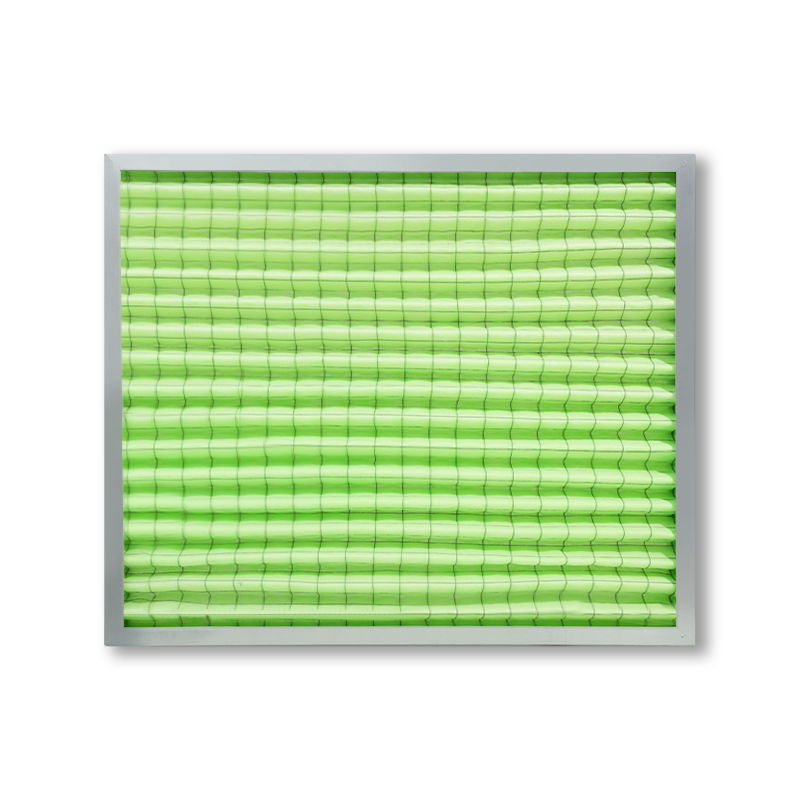
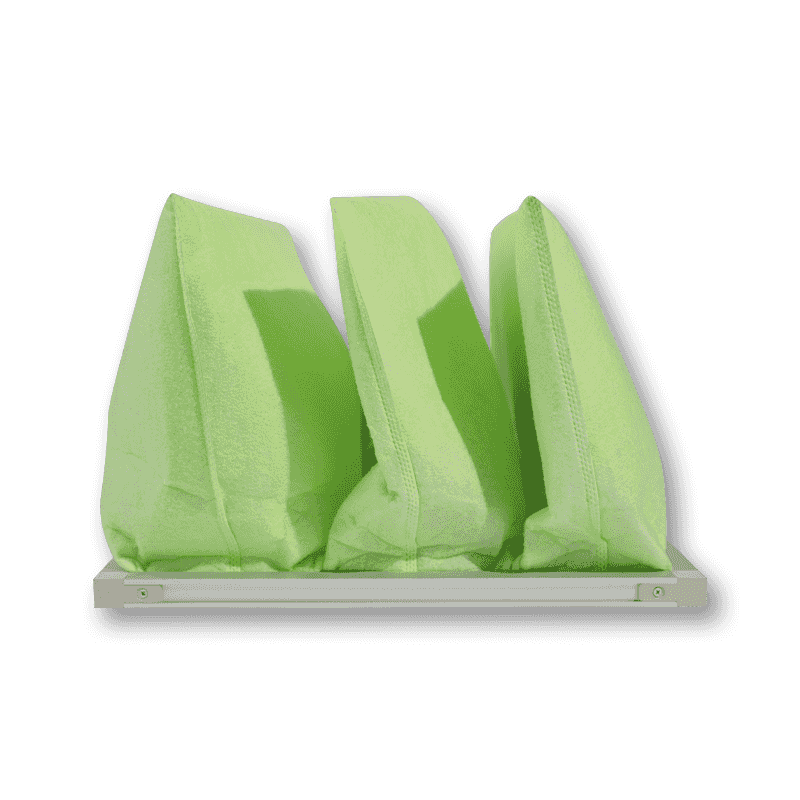
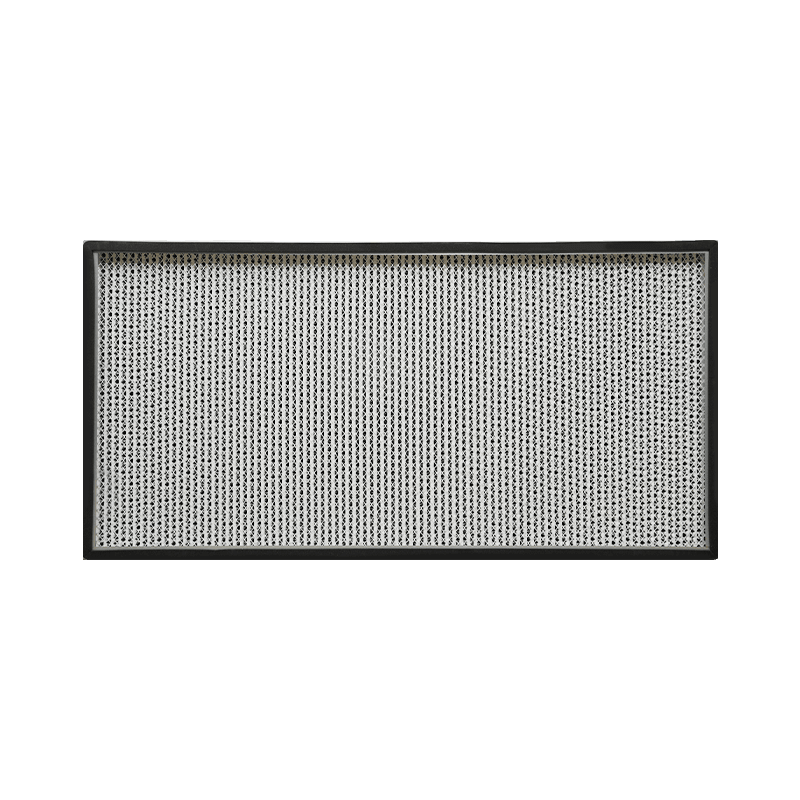
Air filters in a home HVAC (Heating, Ventilation, and Air Conditioning) system operate as a physical barrier designed to capture airborne contaminants before they circulate through your living space or damage sensitive internal components. Essentially, as the blower fan pulls air from your rooms through the return ducts, it passes through the filter media. This media—typically made of pleated paper, polyester, or fiberglass—traps particles like dust, pollen, and pet dander while allowing cleaned air to pass through.
The primary goal of filtration HVAC is twofold: maintaining indoor air quality (IAQ) and protecting the system's longevity. Without a functional air ac filter, debris would accumulate on the evaporator coils and the blower motor, leading to mechanical failure and a 9% to 15% drop in energy efficiency according to the Department of Energy. Therefore, the process is not just about "cleaning the air," but about maintaining the thermodynamic integrity of your central air conditioning unit.
The Physics of Particle Capture
Understanding how replacement air filters actually grab tiny particles requires looking at the microscopic level. It is a common misconception that filters work like a simple sieve. In reality, they utilize four distinct physical principles to ensure air conditioning systems remain clear of pollutants.
Straining and Interception
Straining occurs when the particle is larger than the gap between the filter fibers. However, interception is more common for medium-sized particles. As air flows around a fiber, particles that follow the airstream come close enough to the fiber to be "brushed" and stick to it. This is why a new filter for ac feels slightly tacky or uses dense fibers; it relies on the physical contact of the particle with the filter material.
Diffusion and Impaction
- Diffusion:This affects the smallest particles (like smoke). They move erratically in what is known as Brownian motion, making them more likely to bump into a fiber and stick.
- Impaction:Heavy particles have too much inertia to follow the curving airstream around a fiber. Instead, they fly straight into the fiber and become embedded.
The MERV Rating System: Measuring Effectiveness
When selecting a new filter for ac, the most critical metric you will encounter is the MERV (Minimum Efficiency Reporting Value) rating. This scale, ranging from 1 to 16 for residential use, indicates a filter's ability to capture particles between 0.3 and 10 microns in size.
|
MERV Rating |
Target Particles |
Average Application |
|
1 - 4 |
Dust mites, lint, pollen |
Basic system protection |
|
5 - 8 |
Mold spores, hair spray, dust |
Standard residential use |
|
9 - 12 |
Lead dust, auto emissions, humidifier dust |
Superior residential/Hospitality |
|
13 - 16 |
Bacteria, smoke, sneeze nuclei |
General surgery/High-end IAQ |
It is important to note that a higher MERV rating isn't always better for every central air conditioning filter setup. Filters with higher MERV ratings have denser weaves, which increases static pressure. If your HVAC blower motor isn't designed to push air through a MERV 16 filter, the system will overheat, potentially causing a cracked heat exchanger or a frozen evaporator coil.
Why Timely Replacement Air Filters Matter
A dirty filter is the leading cause of HVAC system failure. As a filter for ac becomes loaded with debris, the spaces between fibers become clogged. While this technically increases the filter's efficiency (because the dust helps catch more dust), it drastically reduces airflow.
The Impact on System Efficiency
When airflow is restricted, your air conditioning unit must work longer and harder to reach the thermostat's set temperature. This leads to increased utility bills—often by 5% to 15%. Furthermore, in the summer, low airflow causes the temperature of the evaporator coil to drop below freezing. Condensation on the coil turns to ice, eventually blocking all airflow and potentially sending liquid refrigerant back to the compressor, which can destroy the compressor entirely (a repair costing $2,000+).
Maintenance Schedules
Homeowners should follow these general guidelines for a new filter for ac installation:
- 1-inch Filters:Replace every 30 to 90 days.
- 4-inch Media Filters:Replace every 6 to 12 months.
- Homes with Pets:Check the air ac filter every 30 days regardless of type.
The Relationship Between Filters and Airflow
An HVAC system is a balanced machine. It requires a specific volume of air, measured in Cubic Feet per Minute (CFM), to function correctly. The air ac filter acts as a gatekeeper for this airflow.
If you install a new filter for ac that is too restrictive, the static pressure within the ductwork rises. High static pressure is like high blood pressure for your home; it strains the "heart" (the blower motor). Modern Variable Speed Motors can compensate by spinning faster, but this consumes more electricity and increases noise. For older central air conditioning units with Permanent Split Capacitor (PSC) motors, the air volume simply drops, leading to uneven cooling and hot spots throughout the house.
To ensure your air conditioning operates within factory specs, always check the recommended MERV rating in your owner's manual. Most residential systems are optimized for MERV 8 to MERV 11.
The Environmental and Health Impact
Quality filtration HVAC does more than just protect machinery; it serves as the first line of defense against respiratory irritants. For the 50 million Americans suffering from allergies, the right replacement air filters can significantly reduce symptoms by removing pollens and mold spores from the indoor environment.
Furthermore, proper use of a filter for ac contributes to environmental sustainability. By keeping the internal coils of your central air conditioning unit clean, you ensure the heat exchange process remains efficient. This reduces the overall carbon footprint of the home by lowering the amount of electricity required to maintain a comfortable temperature during peak summer months.
Key Takeaway: Regularly purchasing and installing a new filter for ac is the single most cost-effective maintenance task a homeowner can perform. It prevents thousands of dollars in repairs, ensures healthy air, and keeps monthly energy bills manageable.