 English
 Español
 日本語

What Is a Composite Filter in a Pet Water Fountain?
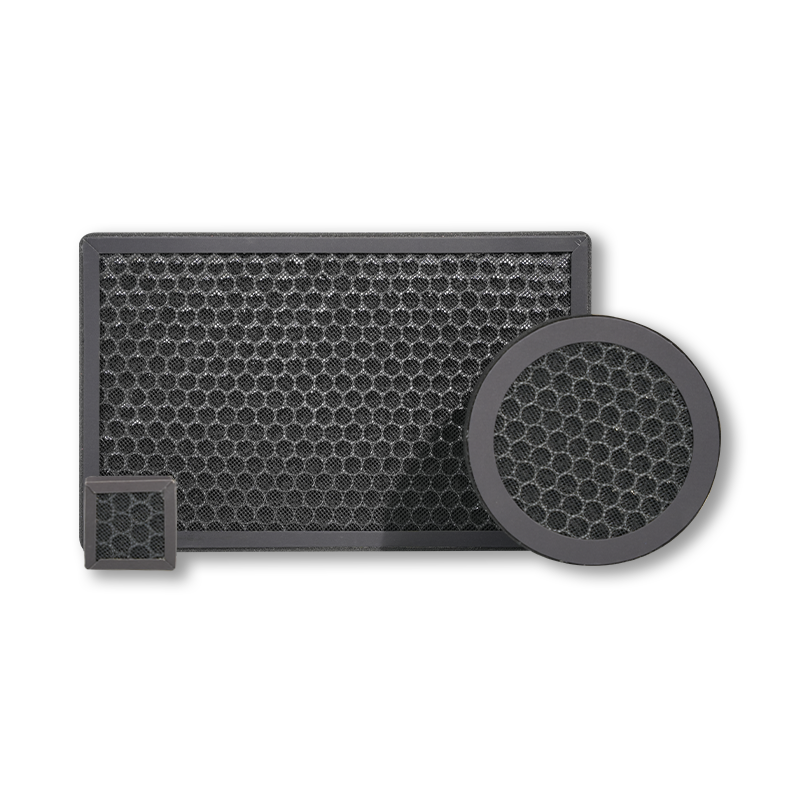
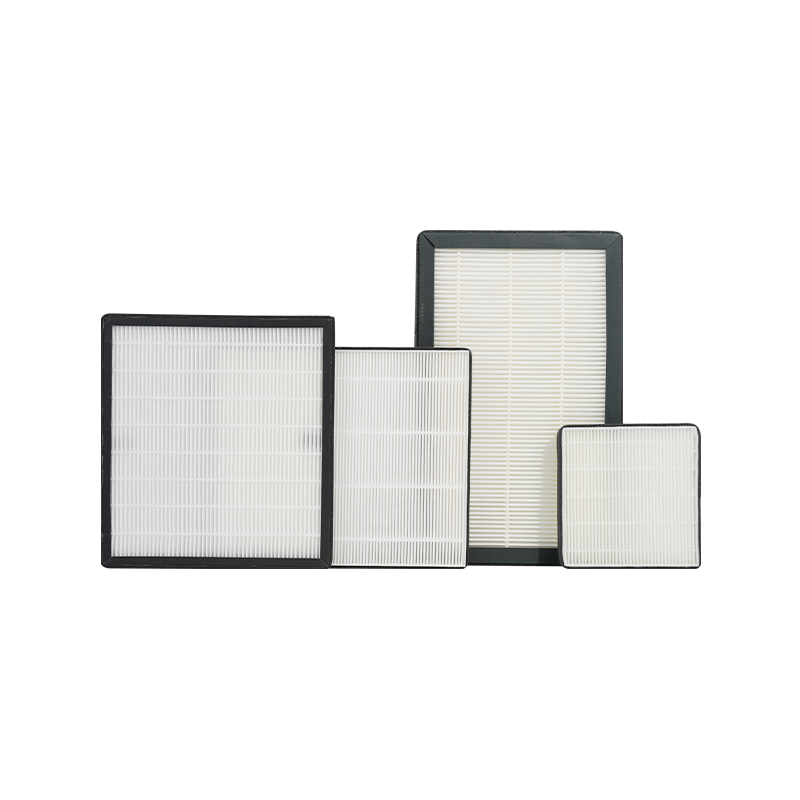
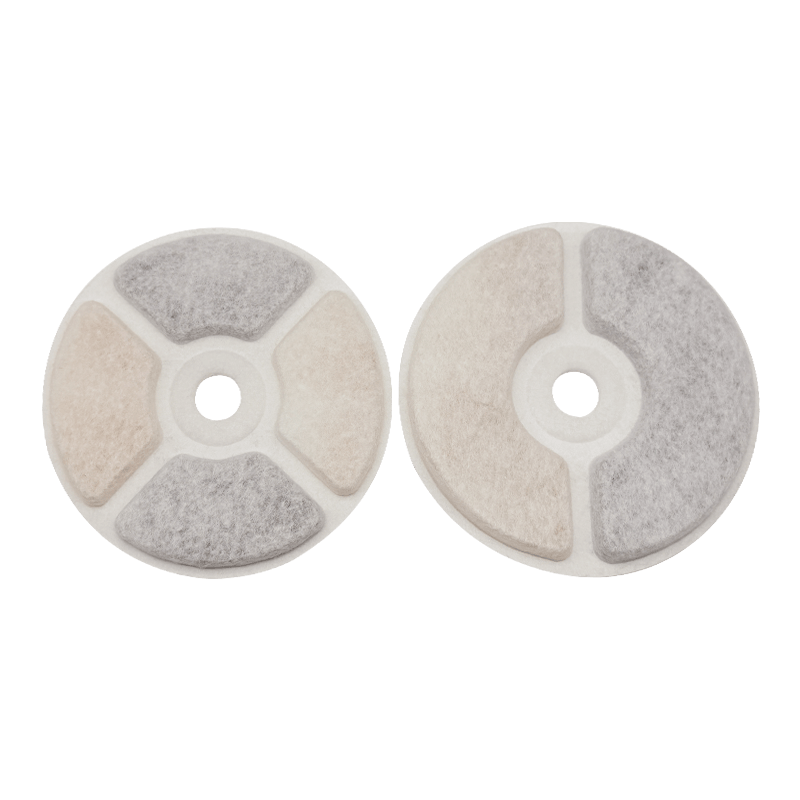
A Composite Filter for Pet Water Fountains is a multi-layer filter cartridge that combines several filtration materials in a single replaceable unit. Instead of relying on one sponge or one block of carbon, a composite filter stacks different media together so that each layer handles a different job. In a pet water fountain, those layers work together to catch visible debris, reduce chlorine taste and odor, and help soften water so that what reaches your cat or dog is clean, fresh and pleasant to drink.
Most pet fountains recirculate water continuously. A small pump lifts water from the reservoir, sends it across a spout or fountain surface, and lets it fall back into the bowl. A composite filter sits in the flow path, usually at the top of the fountain or in the reservoir, so that every time the water circulates it passes through all of the filtration layers. A typical fountain with a 2 liter (about 67 oz) reservoir may circulate its entire volume several times per hour, which means the filter is working steadily even when your pet is not drinking.
The word "composite" simply describes the combination of materials. Different brands use slightly different recipes, but the most common combination includes a coarse pre-filter, activated carbon, and an ion exchange resin. Some cartridges add a fine mesh or non-woven fabric layer for extra polishing. Understanding what each layer does makes it much easier to choose the right cartridge and to decide when it is time for a fresh one.
Why Pet Fountains Use Composite Filters
Pet fountains are used by owners who want to encourage hydration and keep drinking water appealing. Because the water moves and aerates as it flows, many cats and dogs find it more attractive than still water in a bowl. A composite filter supports that appeal by keeping the circulating water clear and fresh-tasting. It is a small component, but it plays a big role in the overall drinking experience.
The Layers Inside a Composite Filter and What Each One Does
While designs vary, most composite filters for pet fountains are built from the following layers. Knowing the function of each one helps you understand why the cartridge is an important part of your fountain.
Pre-Filter Sponge or Mesh Layer
The first layer water meets is usually a foam sponge or woven mesh. Its role is mechanical filtration: it catches pet hair, food crumbs, dust and other visible particles before they travel deeper into the cartridge. Because it protects the layers behind it, this pre-filter helps the entire cartridge work efficiently and also helps protect the pump from debris.
Activated Carbon Layer
Activated carbon is the best-known component of any water filter. It is a highly porous material, and a single gram can have a surface area of 500 to 1,500 square meters. That enormous surface area gives it many sites to adsorb chlorine, chloramine by-products, and organic compounds that cause unwanted odors and tastes. In practice, this layer is what makes tap water smell and taste cleaner to sensitive noses. Cats and dogs have a far stronger sense of smell than humans (dogs are often cited as having 10,000 to 100,000 times greater olfactory sensitivity), so reducing odor can make a real difference to them.
Ion Exchange Resin Layer
Ion exchange resin consists of tiny beads that swap certain dissolved minerals for more harmless ions. In a pet fountain, the resin is mainly used to reduce calcium and magnesium, the minerals responsible for water hardness. Softer water leaves fewer white mineral marks on the fountain surface, and many owners notice that the fountain stays visually cleaner for longer. This is especially helpful in regions with hard water, where tap water may contain more than 180 mg/L of calcium carbonate equivalent.
Fine Polishing Layer
Some cartridges finish with a non-woven fabric or fine mesh layer. It acts as a final screen that catches tiny carbon particles or resin fines and gives the water a polished, clear appearance as it exits the cartridge.
|
Typical layers of a pet fountain composite filter and the role of each layer |
||
|
Layer |
Main Function |
What It Helps With |
|
Pre-filter sponge or mesh |
Mechanical filtration |
Pet hair, crumbs, dust, visible particles |
|
Activated carbon |
Adsorption |
Chlorine taste, odors, organic compounds |
|
Ion exchange resin |
Ion exchange |
Water hardness, mineral scale marks |
|
Fine polishing layer |
Final screening |
Fine particles, water clarity |
How a Composite Filter Works Step by Step
The filtration process happens quietly every time the fountain pump runs. Here is what takes place from the moment water leaves the reservoir to the moment it reaches your pet.
- Water is drawn in.The pump pulls water from the reservoir and pushes it toward the filter housing.
- Debris is captured.The sponge or mesh pre-filter traps hair, crumbs and dust.
- Odors and chlorine are adsorbed.As water slowly percolates through the carbon bed, chlorine and odor-causing compounds attach to the carbon surface.
- Minerals are exchanged.The resin beads release sodium or hydrogen ions while holding calcium and magnesium, which softens the water.
- Clear water is released.The cleaned water flows out through the fountain spout or over the platform and returns to the bowl, ready to be drunk or recirculated again.
The effect is cumulative. Because the same water passes through the cartridge many times during the day, the filter continuously polishes the water instead of treating it only once. A fountain that circulates about 2 liters of water at a flow rate of roughly 60 to 100 liters per hour will cycle the entire reservoir between 30 and 50 times in a day if the pump runs continuously. That repeated contact time is what allows a compact cartridge to deliver noticeable results.
Why Contact Time Matters
Activated carbon and ion exchange resin need a little time to interact with water. Pet fountain cartridges are designed with a gentle flow path so water moves slowly through the media. This is one reason it is best to use cartridges designed specifically for your fountain model: the size, density and layer order have all been matched to the pump's flow rate.
Why Clean, Filtered Water Matters for Cats and Dogs
Hydration is one of the simplest and most important parts of pet care. A general guideline is that cats need about 50 to 60 ml of water per kilogram of body weight per day, which is around 200 to 280 ml for an average 4.5 kg (10 lb) cat, including moisture from food. Dogs typically need about 50 to 70 ml per kilogram per day, so a 20 kg (44 lb) dog may drink roughly 1 to 1.4 liters daily, with active or hot-weather days requiring more.
Cats in particular evolved from desert-dwelling ancestors and have a naturally modest thirst drive, so many owners look for ways to make water more inviting. Moving, fresh-tasting water is often more attractive to them, and a composite filter helps keep that water appealing.
Better Taste and Smell
Municipal tap water commonly contains chlorine or chloramine for disinfection, typically at levels of 0.2 to 4 mg/L. These levels are considered safe for drinking, but chlorine can still be detected by sensitive noses. The activated carbon layer reduces that chlorine note, which can make the water smell and taste more neutral and encourage your pet to drink with confidence.
Cleaner-Looking Fountain
By collecting floating hair and particles and softening hard water, the composite filter helps keep the fountain surface and reservoir looking tidy. That makes routine cleaning faster and keeps the fountain looking attractive in your home.
Support for Healthy Drinking Habits
Many owners report that after switching to a fountain with a filter, their cats and dogs drink more often. While every pet is different, consistent access to fresh, filtered, flowing water is a practical way to support daily hydration, especially for pets eating dry food, which contains only about 10% moisture compared with roughly 75% in wet food.
Composite Filters Compared With Other Pet Fountain Filter Types
Pet fountains are supplied with several types of filters. The table below shows how the composite design fits into the picture so you can see why it is a popular choice for everyday use.
|
Comparison of common pet fountain filter types and what each one provides |
|||
|
Filter Type |
Particle Capture |
Odor and Taste Improvement |
Water Softening |
|
Foam or sponge filter |
Yes |
Limited |
No |
|
Activated carbon filter |
Moderate |
Yes |
No |
|
Composite filter |
Yes |
Yes |
Yes |
As the comparison shows, the composite filter is the option that brings all three functions into one cartridge. That convenience means you only need to swap a single part to refresh the entire filtration system, which keeps maintenance simple.
How Often Should You Replace a Composite Filter?
The most useful general rule is to replace a composite filter every 2 to 4 weeks. Many fountain manufacturers recommend a cycle in that range, and a 30-day calendar reminder is a practical starting point for the average household. Always check the instructions that came with your specific fountain, because cartridge size and media quantity differ from model to model.
Your exact schedule depends on a few household factors. The table below gives typical ranges that you can use as a planning guide.
|
Suggested composite filter replacement intervals based on household conditions (general guide; follow your fountain manual) |
|
|
Household Situation |
Suggested Replacement Interval |
|
One cat, soft or filtered tap water |
Every 3 to 4 weeks |
|
One dog or two cats, average tap water |
Every 2 to 3 weeks |
|
Multiple pets sharing one fountain |
Every 2 weeks |
|
Hard water area (above 180 mg/L hardness) |
Every 2 to 3 weeks |
|
Long-haired pet or heavy shedding season |
Every 2 weeks |
Why a Regular Schedule Works Better Than Guessing
Activated carbon and ion exchange resin both have a finite capacity. Once their available sites have been used, they naturally have less room to take on more. Replacing the cartridge on a fixed schedule means your pet always benefits from filtration media at its best. A simple routine, such as swapping the filter on the first day of each month, removes the guesswork.
Factors That Influence Your Replacement Schedule
Two households using the same fountain can have different ideal replacement dates. These are the main factors to consider when fine-tuning your timing.
- Number of pets:More pets means more drinking, more hair and more food particles entering the water, so the cartridge works harder.
- Water quality:Tap water with higher chlorine levels or greater hardness uses up carbon and resin capacity sooner.
- Fountain size:A large reservoir of 3 liters or more spreads the filtration load over more water, while a small 1.5 liter model cycles water more frequently.
- Pump run time:Fountains that run 24 hours a day cycle water more often than models with intermittent or sensor-activated modes.
- Shedding and environment:Fountains placed near a busy kitchen, a sunny window or a pet's favorite sleeping spot may collect more dust and hair.
- Season and temperature:In warm months pets drink more, so water volume passing through the filter increases.
A Simple Example
Consider a household with two cats and a 2 liter fountain running continuously in an area with moderately hard tap water. Together the cats might drink about 500 ml per day, and the fountain recirculates its full volume dozens of times. For this household, a 2-week to 3-week replacement cycle keeps the carbon and resin working at a high standard. By comparison, a single cat living in an apartment with soft water might comfortably use a cartridge for the full 4 weeks.
Helpful Signals That It Is Time for a New Filter
Even with a calendar reminder, it is useful to know what to look for. Your own senses and your pet's behavior can both tell you when a fresh cartridge would be beneficial.
- The scheduled date has arrived:If 2 to 4 weeks have passed since the last change, it is time for a new cartridge regardless of how the water looks.
- The water smell has changed:A faint chlorine or musty note returning suggests the carbon layer has done its work and is ready to be refreshed.
- Visible particles are floating:More hair or debris in the bowl can mean the pre-filter layer is full.
- Mineral marks appear faster:If white scale shows up on the fountain sooner than usual, the resin layer may be at the end of its cycle.
- Water flow looks gentler:A noticeably weaker stream can indicate the cartridge is saturated with captured debris.
- Your pet's interest changes:If your pet starts drinking less from the fountain than usual, a new filter and a quick clean are good first steps.
Treat these cues as helpful reminders rather than alarms. Swapping the cartridge takes less than 2 minutes and costs only a fraction of the price of the fountain itself, so it is an easy habit to maintain.
How to Replace a Composite Filter Step by Step
Replacing a composite filter is straightforward. Follow these steps for a smooth change that also refreshes the whole fountain.
- Unplug the fountain.Always disconnect power before touching any component.
- Remove the old cartridge.Lift out the used filter and set it aside for disposal.
- Empty and clean the fountain.Pour out the remaining water and wash the bowl, cover and pump housing with warm water and mild, pet-safe dish soap, using a soft brush for corners and the spout.
- Rinse the new cartridge.Hold the new filter under running tap water for 1 to 2 minutes to flush away loose carbon dust, which is a normal step for most carbon-based filters.
- Soak if instructed.Some cartridges perform best after a brief soak of a few minutes so the resin is fully hydrated. Follow the guidance in your fountain manual.
- Install the filter.Place it in the correct position and orientation, making sure it sits snugly so that all water passes through it.
- Refill with fresh water.Fill the reservoir between the minimum and maximum lines so the pump is fully submerged.
- Reconnect and check.Plug in the fountain and confirm that the water flows smoothly and quietly.
Make It a Habit With a Reminder
Write the replacement date on a small label on the fountain base, or set a repeating phone reminder. Tying the filter change to a routine event, such as the first Saturday of every month, helps you stay consistent without having to think about it.
Tips for Getting the Best Performance From Your Filter
A composite filter works best as part of a simple care routine. These practical tips help you make the most of every cartridge.
Clean the Fountain on a Regular Rhythm
A thorough wash of the bowl, spout and pump once a week, or at least every 2 weeks, keeps surfaces fresh and gives the filter an easier job. Many owners find that combining a weekly wash with a scheduled filter change creates a reliable routine.
Keep the Water Level Topped Up
Because pets drink and some water evaporates, the reservoir level drops over time. Check it daily and refill as needed so the pump stays submerged and water continues to flow evenly through the cartridge. A 2 liter fountain used by a single cat may need topping up every 3 to 4 days, while larger households may need a daily refill.
Choose a Good Location
Place the fountain on a flat, stable surface away from direct sunlight and away from litter boxes. Cooler, shaded spots help keep water fresh, and a quiet corner encourages pets to drink calmly. Keeping the fountain a little distance from food bowls is also a good practice, because many cats prefer their water source to be separate from their meals.
Store Spare Cartridges Properly
Keep unused filters in their original sealed packaging in a cool, dry place. Buying a multi-pack, for example a pack of 6 cartridges that covers about 3 to 6 months, makes it easy to stay on schedule and means you always have a replacement ready.
Introduce the Fountain Gradually
If your pet is new to a fountain, leave the usual water bowl nearby for the first few days. Once your pet is comfortable with the new source of fresh, filtered water, you can remove the old bowl.
How to Choose the Right Composite Filter for Your Fountain
With so many cartridges on the market, a few simple checks help you pick the right one the first time.
- Match the model:Check that the cartridge is listed as compatible with your exact fountain model. The correct dimensions ensure a snug fit so all water passes through the media.
- Look at the layers:A well-designed composite filter should list its materials, such as a pre-filter, activated carbon and ion exchange resin.
- Check the stated service life:Choose a cartridge whose recommended replacement window, commonly 2 to 4 weeks, fits your routine.
- Consider pack size:Multi-packs usually offer a lower cost per cartridge and keep you stocked for several months.
- Prefer pet-safe, food-grade materials:Look for cartridges made from materials intended for drinking water use and clearly designed for pet fountains.
- Think about water type:If your tap water is hard, a cartridge with a generous resin layer is especially helpful.
|
Quick checklist for selecting a composite filter that suits your pet fountain |
|
|
What to Check |
Why It Matters |
|
Fountain compatibility |
Ensures a proper fit and correct water flow |
|
Layer structure |
Confirms particle, odor and softening support |
|
Replacement window |
Helps you plan a realistic schedule |
|
Pack quantity |
Keeps spares on hand and lowers cost per filter |
|
Material quality |
Supports safe, reliable drinking water |
A Sample Monthly Maintenance Plan
Putting everything together, here is an easy plan that many pet owners can follow. It combines daily checks, weekly cleaning and a regular filter change so that each task stays small and manageable.
|
Example fountain care routine for a household with one or two pets |
||
|
Frequency |
Task |
Time Needed |
|
Daily |
Check water level and top up as needed |
About 1 minute |
|
Weekly |
Wipe the bowl and fountain surface; rinse the spout |
About 5 minutes |
|
Every 2 weeks |
Full wash of all removable parts |
About 10 minutes |
|
Every 2 to 4 weeks |
Replace the composite filter |
About 2 minutes |
In total, this routine takes roughly 20 to 30 minutes per month, a small investment for a steady supply of fresh, clean drinking water for your companion.
Frequently Asked Questions About Composite Filters
Can I Use One Filter for Longer Than 4 Weeks?
The recommended window exists so that the carbon and resin layers perform at their best. For consistent water quality, it is best to stay within the interval suggested by your fountain's manufacturer, and to shorten it slightly if you have several pets or hard water.
Do I Need to Rinse a New Filter Before Use?
Yes. Rinsing a new cartridge under running water for 1 to 2 minutes washes away fine carbon dust that is a natural by-product of manufacturing. After rinsing, the water should run clear.
Can I Wash and Reuse a Composite Filter?
Rinsing only removes surface debris. The carbon and resin inside work through adsorption and ion exchange, so washing cannot restore their capacity. Replacing the cartridge is the reliable way to maintain full performance.
Should I Still Clean the Fountain If I Use a Filter?
Yes. The filter and regular cleaning complement each other. The filter keeps circulating water fresh, while cleaning keeps the bowl, pump and spout in great condition. Together they create the best drinking environment.
Is a Composite Filter Suitable for Both Cats and Dogs?
Yes. Composite filters designed for pet fountains are intended for use with both cats and dogs. Larger dogs that drink more may call for a slightly shorter replacement cycle or a larger-capacity fountain.