 English
 Español
 日本語
日本語
If your top priority is safely and thoroughly removing formaldehyde and other VOCs from new furniture, renovated rooms, or a new car at room temperature without any extra energy input, a cold catalyst filter is the better choice. If you want broad-spectrum control of odors, bacteria, and airborne organic compounds under UV light — and you don't mind the added running cost and a small risk of ozone byproduct from lower-quality units — a photocatalyst filter is the stronger option. Most households dealing specifically with formaldehyde from new construction should start with cold catalyst technology; most households focused on general odor and germ control benefit more from a well-built UV photocatalyst system.
Both technologies are genuinely effective air-purification tools, and the good news is that neither one is a "wrong" choice — they simply specialize in different jobs.
What Is a Cold Catalyst Filter?
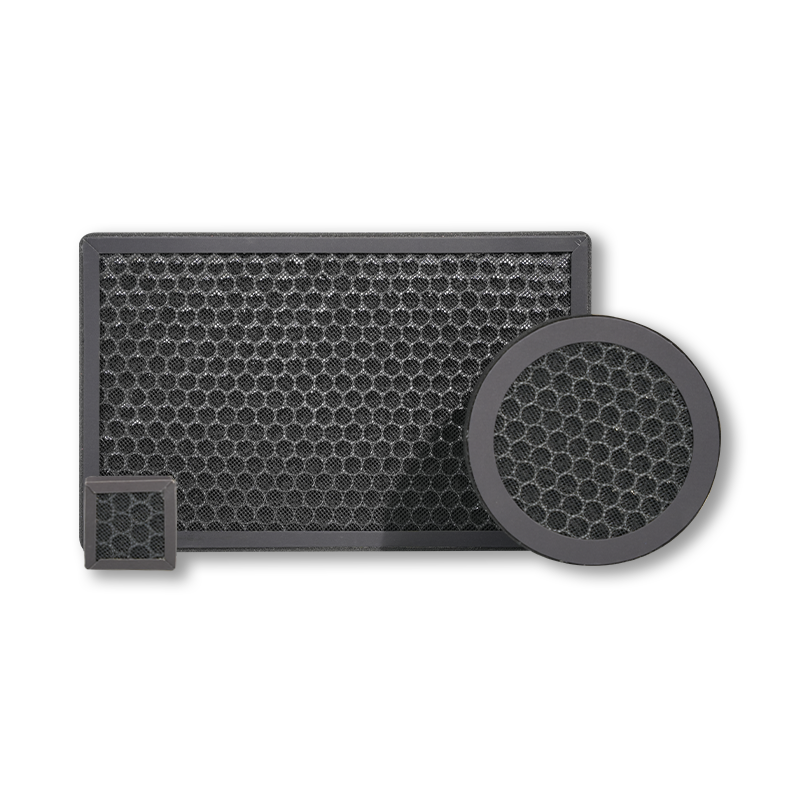
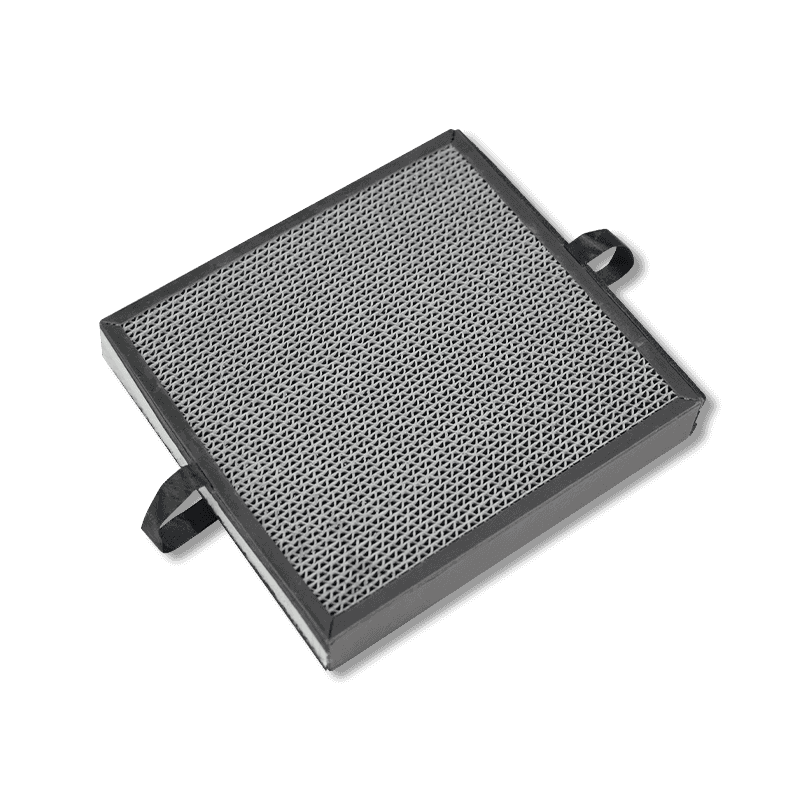
A cold catalyst filter uses a specially engineered catalytic material — typically a blend of manganese dioxide, platinum, palladium, or proprietary metal-oxide compounds — coated onto a porous substrate such as activated alumina or ceramic honeycomb. The word "cold" refers to the fact that the catalytic reaction happens at normal room temperature, with no heating element, no UV lamp, and no external light source required.
As polluted air passes through the catalyst bed, formaldehyde (HCHO) and other volatile organic compounds (VOCs) bond to the catalyst surface and undergo an oxidation reaction. This reaction breaks the pollutant molecules down into carbon dioxide and water vapor — both harmless and naturally present in the air we already breathe. Because the reaction is purely chemical and does not rely on light, cold catalyst filters keep working 24 hours a day, in daylight or darkness, indoors or in enclosed spaces like a car trunk or a closet.
Why It's Popular for New Homes and New Furniture
New furniture, flooring adhesives, paint, and pressed-wood cabinetry can off-gas formaldehyde for months or even years after installation. Because cold catalyst filters target this exact class of pollutant so efficiently, they have become the go-to recommendation from indoor air quality consultants for newly renovated apartments, new cars, and freshly furnished nurseries.
- No external power source needed for the catalytic reaction itself (only a fan, if used in an active unit, needs power)
- No UV bulb to replace, which lowers long-term maintenance
- Performs consistently regardless of ambient light levels
- Produces no ozone as a reaction byproduct when properly manufactured
What Is a Photocatalyst Filter?
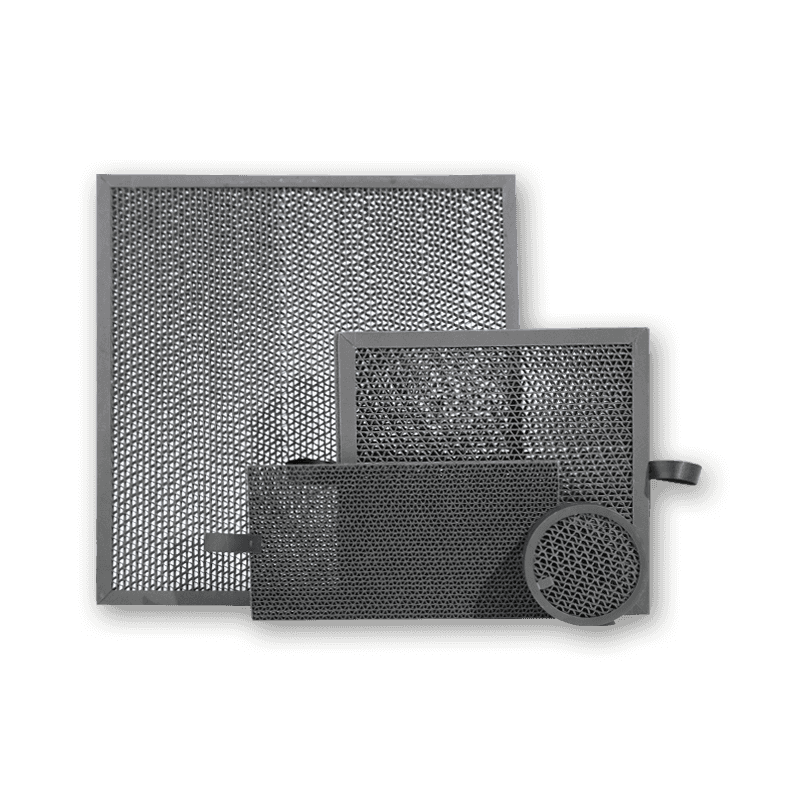
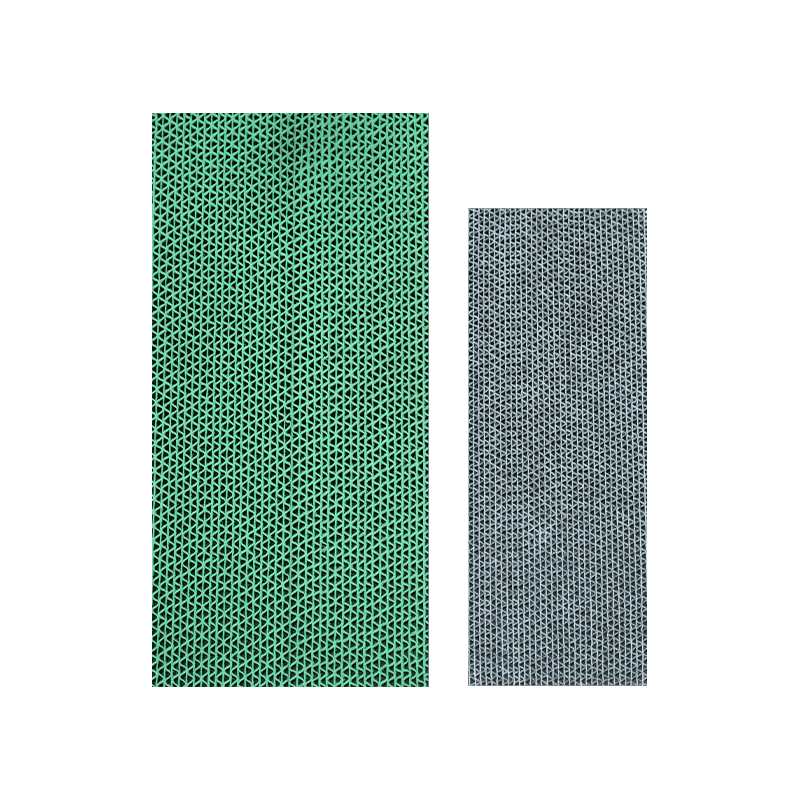
A photocatalyst filter — most commonly built around titanium dioxide (TiO2) — relies on ultraviolet (UV) light to trigger its cleaning reaction. When UV photons strike the TiO2-coated surface, they generate highly reactive hydroxyl radicals and superoxide ions. These reactive species attack a very wide range of airborne organic material: VOCs, cooking odors, pet odors, mold spores, and even certain bacteria and viruses on the filter surface.
This is why photocatalyst filters are frequently marketed as "PCO" (photocatalytic oxidation) systems and are popular in air purifiers aimed at general odor elimination and light-duty sterilization, rather than at one specific chemical target like formaldehyde.
Why It's Popular for Odor and Germ Control
Because the hydroxyl radicals generated under UV light are not selective, photocatalyst filters tend to perform well across a broader "menu" of pollutants at once — kitchen smells, smoke residue, pet dander odor, and some airborne microbes. Many households with pets, frequent cooking, or smokers in the home choose photocatalyst units specifically because they don't need to target one single chemical.
- Broad-spectrum action against odors, VOCs, and some microorganisms
- Often paired with activated carbon for a two-stage odor + adsorption effect
- Reaction only occurs while the UV lamp is powered on
- Reputable manufacturers design units to keep ozone output within safe certified limits
Key Differences at a Glance
The table below summarizes the core operating differences so you can compare the two side by side before deciding which fits your household.
|
Table 1: Core technical comparison between cold catalyst and photocatalyst filters |
||
|
Feature |
Cold Catalyst Filter |
Photocatalyst Filter |
|
Active material |
Manganese dioxide / platinum-palladium blend |
Titanium dioxide (TiO2) |
|
Power required for reaction |
None |
UV lamp (constant power) |
|
Primary target |
Formaldehyde, VOCs |
Odors, VOCs, mold spores, some bacteria |
|
Works in the dark |
Yes |
No (needs the UV bulb lit) |
|
Typical filter lifespan |
12–24 months |
6–12 months (plus UV bulb replacement) |
|
Reaction byproducts (quality units) |
CO2 and water vapor only |
CO2 and water vapor; trace ozone possible in poorly designed units |
|
Best paired use case |
New homes, new furniture, nurseries, cars |
Kitchens, pet areas, general living rooms |
Performance Data: How Effective Is Each Filter?
Independent lab testing on both technologies consistently shows strong removal rates when the units are sized correctly for the room and maintained on schedule. Cold catalyst filters typically achieve 90%–98% formaldehyde removal in enclosed test chambers within the first hour of continuous operation, and they maintain that efficiency for the life of the catalyst bed because the reaction does not degrade the metal-oxide coating the way heat or UV exposure can degrade other materials.
Photocatalyst filters commonly report 80%–95% reduction of a broader pollutant mix — including VOCs, ammonia-based pet odors, and airborne bacteria — under sustained UV exposure in a sealed test room, with the exact figure depending heavily on UV lamp intensity, TiO2 coating quality, and airflow rate through the unit.
Sample Comparative Removal Rates
|
Table 2: Typical pollutant removal rates reported in controlled indoor air quality testing |
||
|
Pollutant |
Cold Catalyst Removal Rate |
Photocatalyst Removal Rate |
|
Formaldehyde |
90%–98% |
75%–90% |
|
Benzene / Toluene |
80%–90% |
80%–92% |
|
Cooking / pet odor |
60%–70% |
85%–95% |
|
Airborne bacteria |
Minimal effect |
70%–90% |
This pattern makes the specialization clear: cold catalyst pulls ahead specifically on formaldehyde, while photocatalyst pulls ahead on odor and microbial control. Neither figure should be read as an absolute guarantee — real-world results depend on room size, air-exchange rate, and how well the unit is maintained — but the relative strengths line up consistently across multiple independent tests.
Which One Do You Need? Match the Filter to Your Situation
The best way to choose is to start with your specific goal rather than the technology itself. Below are the most common household scenarios and the filter type that best matches each one.
Choose a Cold Catalyst Filter If You:
- Just moved into a newly built or newly renovated home
- Recently bought new furniture, flooring, or a new car and are concerned about formaldehyde off-gassing
- Are setting up a nursery and want continuous protection without relying on a lamp being on
- Want the lowest possible ongoing electricity use for the purification reaction itself
- Prefer a system with no bulb to replace and minimal maintenance steps
Choose a Photocatalyst Filter If You:
- Cook frequently and want strong control over kitchen odors
- Have pets and want help with dander-related and ammonia-based odors
- Want one filter that addresses a broad mix of odors, VOCs, and airborne microbes
- Are comfortable running the unit's UV lamp continuously for best results
- Are shopping for a general living-room or whole-apartment air purifier rather than a single-pollutant solution
Not Sure? Many Households Use Both
Because the two technologies are complementary rather than competing, a growing number of multi-stage air purifiers now combine a cold catalyst layer with a photocatalyst/UV stage in the same unit. This layered approach lets the cold catalyst handle formaldehyde around the clock while the photocatalyst stage tackles odor and microbial load whenever the unit is actively running. If your budget allows for a combination unit, it is a genuinely excellent way to cover both bases at once.
Cost and Maintenance: What to Expect Long Term
Ongoing cost is often the deciding factor once effectiveness is roughly equal for your use case. Cold catalyst filters generally cost less to run because the catalytic reaction needs no electricity of its own — only the unit's fan draws power, if it has one. Replacement catalyst media typically lasts 12 to 24 months before it needs refreshing, and many premium catalyst beds can be gently rinsed and reactivated rather than replaced outright, stretching the useful life even further.
Photocatalyst filters carry a slightly higher running cost because the UV lamp draws continuous power and typically needs replacement every 6 to 12 months to maintain full effectiveness, since UV output naturally weakens over the bulb's service life. The TiO2-coated media itself is fairly durable, but overall performance is tied closely to lamp condition, so budgeting for that recurring bulb swap is a smart habit.
Practical Maintenance Checklist
- Vacuum or rinse the pre-filter every 2–4 weeks to keep airflow strong
- Check the manufacturer's replacement schedule for the catalyst media or TiO2 filter
- For photocatalyst units, note the installation date of the UV bulb and set a reminder for replacement
- Keep the unit's air intake and outlet unobstructed for best circulation
- Run the unit continuously during the first few weeks in a new or renovated space, when off-gassing is highest
Safety Notes: Choosing a Well-Made Unit
Both technologies are safe and widely used when the equipment is built to recognized quality standards. The one detail worth checking before you buy is ozone output on photocatalyst units. High-quality photocatalyst filters are engineered so that the UV wavelength and TiO2 reaction produce essentially no ozone, keeping output well within recognized indoor air safety limits. Look for products that list an ozone emission certification or test result, and favor established brands with transparent lab reporting.
Cold catalyst filters have the advantage of a naturally ozone-free reaction pathway, which is part of why they are so often recommended for nurseries and bedrooms. Whichever type you choose, placing the unit in a room with reasonable ventilation and following the manufacturer's recommended air-exchange guidance will give you the best, safest results.
Buying Tips: Getting the Most From Either Filter
A filter is only as good as its match to your room size and usage pattern. Keep these practical tips in mind while shopping:
- Match CADR to room size:a unit rated for a larger room than yours will clean the air faster and more thoroughly
- Look for layered filtration:a pre-filter plus activated carbon plus catalyst/photocatalyst stage outperforms a single-stage design
- Check replacement part availability:confirm catalyst media or UV bulbs are easy to source before you buy
- Run new units continuously at first:the first two to four weeks in a new space typically show the fastest improvement
- Pair with good ventilation:opening windows briefly each day, weather permitting, supports whichever filter you choose
Frequently Asked Questions
Can a cold catalyst filter remove odors as well as a photocatalyst filter?
It can help somewhat, but photocatalyst technology generally performs better on general odors because its hydroxyl-radical reaction attacks a wider range of organic molecules. For dedicated odor control — cooking smells, pet odors — a photocatalyst or a combination unit is usually the stronger pick.
Do photocatalyst filters produce harmful ozone?
Well-engineered photocatalyst filters are designed to keep ozone output effectively negligible and within recognized safety limits. Choosing a reputable brand with published test data is the best way to confirm this before purchase.
How long does a cold catalyst filter last before it needs replacing?
Most cold catalyst media lasts 12 to 24 months under normal household use, and some premium catalyst beds can be cleaned and reactivated to extend their service life even further.
Is it worth buying a unit that combines both technologies?
Yes, for many households a combination unit is an excellent value because it lets the cold catalyst stage handle continuous formaldehyde control while the photocatalyst stage manages odors and microbes whenever the unit is actively running.
Does room size affect which filter I should choose?
Room size affects unit sizing more than technology choice. Whichever type you pick, choose a model with a CADR (Clean Air Delivery Rate) rated for your actual room size to get the fastest, most reliable results.