 English
 Español
 日本語
日本語
With the changing seasons, particularly in spring and autumn, pollen allergies become a significant concern for many people. Pollen, as a common airborne allergen, can trigger a range of allergic reactions such as sneezing, runny nose, itchy eyes, and more. To reduce the impact of pollen on the body, many individuals opt for air filters to purify the indoor air and prevent allergens like pollen from entering the room. So, can high-efficiency air filters truly prevent pollen from entering a room?
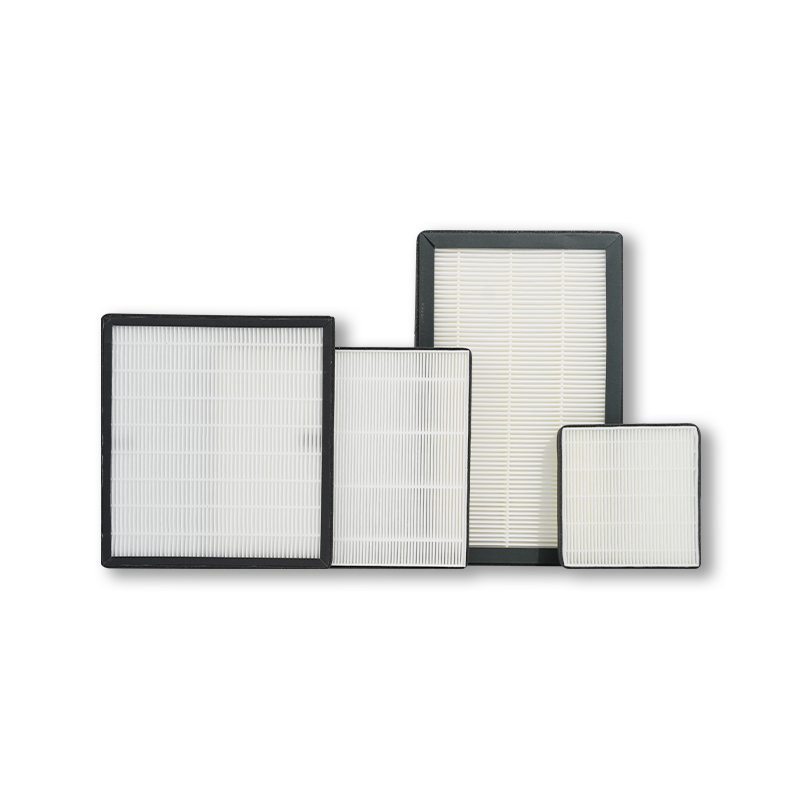
How Air Filters Work
The primary function of an air filter is to remove various airborne particles and contaminants from the air, improving air quality by reducing the presence of pollutants like dust, bacteria, pollen, smoke, mold spores, and pet dander. Air filters work by capturing these particles as the air passes through them, trapping them in the filter media and preventing them from circulating back into the room. The efficiency of an air filter depends on its design, the materials used in the filter, and the specific filtration technology it employs.
1. Air Filter Technologies and Their Efficiency
Several air filtration technologies exist, each with varying levels of effectiveness depending on the particle size they target. The most common air filtration technologies include HEPA (High-Efficiency Particulate Air) filters, activated carbon filters, electrostatic filters, and UV or photocatalytic filters. While all of these serve to improve air quality, HEPA filters are widely regarded as the most efficient and are particularly effective at removing small airborne particles like pollen.
a.HEPA Filters: The Most Effective for Particulate Matter
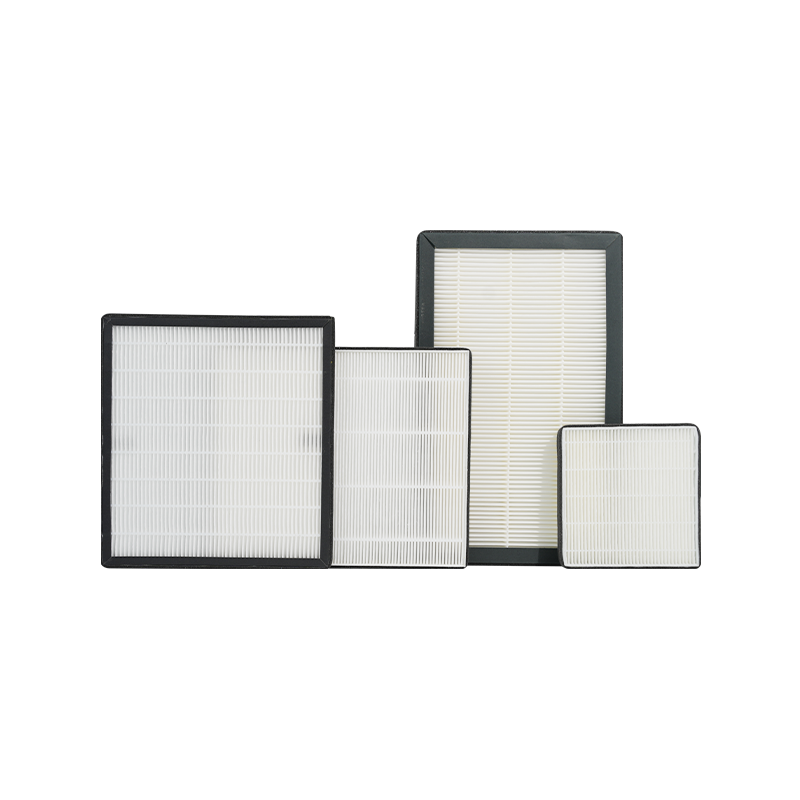
A HEPA filter (High-Efficiency Particulate Air filter) is designed to trap very fine particles in the air, making it an excellent choice for individuals with allergies, asthma, or other respiratory conditions. The defining characteristic of HEPA filters is their ability to trap particles that are as small as 0.3 microns in diameter with an efficiency of at least 99.97%. This makes HEPA filters one of the most reliable and effective ways to clean indoor air and reduce exposure to pollutants.
How HEPA Filters Work:
HEPA filters use a combination of three main mechanisms to capture particles:
Interception: This occurs when a particle follows the airflow and comes in contact with a fiber in the filter. Due to its size, the particle adheres to the fiber and is removed from the airflow. This method is most effective for slightly larger particles.
Impaction: This mechanism happens when larger particles are unable to follow the curves of the airflow due to their size and inertia. As a result, they collide with the filter fibers and get trapped. This is especially effective for particles larger than 0.3 microns.
Diffusion: This mechanism primarily applies to very small particles (smaller than 0.1 microns), such as viruses and fine dust particles. These tiny particles are influenced by Brownian motion (random movement caused by collisions with air molecules) and may collide with fibers more frequently, leading to their capture.
The combination of these methods allows HEPA filters to capture a wide range of particles, from large dust particles to much smaller ones, such as bacteria, mold spores, and pollen.
b.Pollen and HEPA Filters
Pollen particles typically range from 10 to 100 microns in diameter, which is much larger than the minimum 0.3-micron size that HEPA filters are tested to capture. Because of this, HEPA filters are exceptionally good at trapping pollen and other larger airborne allergens. Since the vast majority of pollen particles are much larger than 0.3 microns, they are effectively intercepted and trapped by the fibers in the filter. This makes HEPA filters a preferred choice for individuals suffering from seasonal allergies or pollen-related asthma.
Pollen can be introduced into the home through open windows, on clothing, or through pets. A well-functioning HEPA air purifier can help significantly reduce the amount of pollen in the indoor air, leading to fewer allergy symptoms and improved air quality.
c.Activated Carbon Filters: Complementary but Not Ideal for Pollen
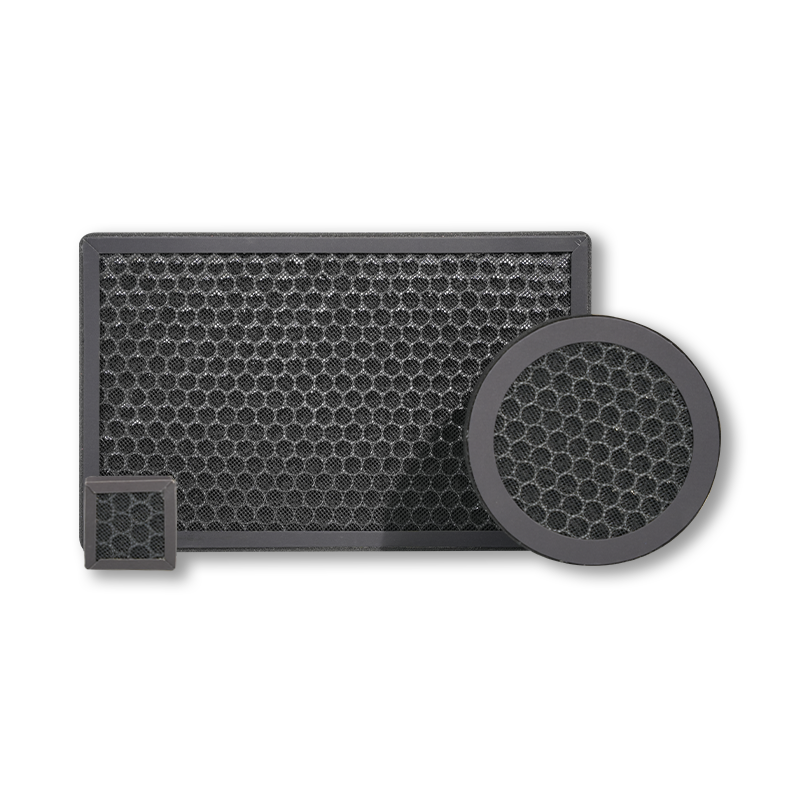
While activated carbon filters are effective at removing odors, volatile organic compounds (VOCs), smoke, and certain gases from the air, they are not effective at filtering out larger particles like pollen. Activated carbon works through adsorption, a process where contaminants adhere to the surface of the activated carbon material due to its highly porous structure. However, this material is not designed to capture solid particles such as pollen. Instead, activated carbon filters excel in removing gases and odors, making them ideal for households that also want to reduce smells from cooking, pets, or smoke but are not necessarily the best at capturing pollen.
d.Electrostatic Filters: A Different Approach
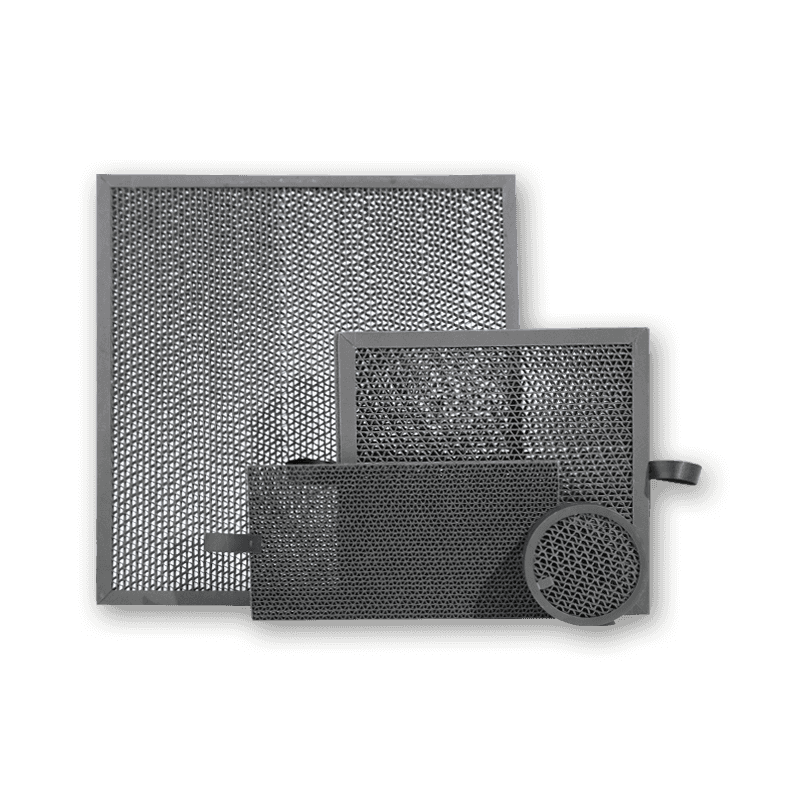
Electrostatic filters use static electricity to attract and trap particles. These filters can be either washable or disposable, and they create an electrostatic charge that attracts particles in the air, much like a magnet. The particles then stick to the filter material. While these filters can capture some larger particles, their efficiency tends to be lower compared to HEPA filters, especially for smaller particles like pollen. The effectiveness of electrostatic filters can also degrade over time, particularly if they are not cleaned or maintained regularly.
2. How HEPA Filters Capture Pollen
Pollen particles are relatively large compared to the fine dust or smoke particles that many air filters target, which makes them easier to trap. The typical size range of pollen particles is between 10 and 100 microns. To put that in perspective, the average human hair has a diameter of about 70 microns, so pollen particles are much larger than the tiny particulate matter that might escape from lower-efficiency filters.
Given that HEPA filters are specifically designed to capture particles as small as 0.3 microns, they are extremely effective at removing pollen from the air. Here’s why:
Size of Pollen: Since the average pollen grain is much larger than 0.3 microns, it is easily captured through the mechanisms of interception and impaction. As the air passes through the filter, pollen particles collide with the fibers of the HEPA filter and become trapped.
Efficiency in High-Allergen Seasons: During peak pollen seasons, pollen counts can reach very high levels, particularly in spring when trees, grasses, and flowers release pollen into the air. A HEPA filter can reduce pollen levels significantly, making it much easier for allergy sufferers to manage symptoms and breathe more easily indoors.
Trapping Other Allergens: Besides pollen, HEPA filters also capture other common allergens like pet dander, mold spores, and dust mites. For individuals who suffer from multiple allergies, HEPA filters are a comprehensive solution that can address various airborne irritants.
3. Additional Considerations for Air Filters
While HEPA filters are highly efficient at removing pollen, there are some additional factors to consider when selecting and using an air filter:
Airflow: The airflow capacity of the air purifier is important. If the airflow is too low, the filter may not be able to cycle enough air through the system to make a noticeable difference in air quality. When choosing an air purifier, ensure it is rated for the size of the room where it will be used.
Filter Maintenance: HEPA filters need to be maintained and replaced regularly. If the filter becomes too clogged with particles, its efficiency will decline. Regular maintenance is key to ensuring that the filter continues to work effectively in trapping pollen and other allergens.
Placement: The location of the air purifier matters. It should be placed in a central position in the room, away from obstructions, to allow for optimal air circulation and filtration.
HEPA Filters and Pollen
HEPA (High-Efficiency Particulate Air) filters are widely recognized for their superior ability to capture airborne particles. When it comes to allergens like pollen, HEPA filters offer a particularly valuable benefit. Pollen, which is a common trigger for seasonal allergies, is a type of particulate matter produced by trees, grasses, and weeds. The size of pollen particles generally ranges from 10 to 100 microns in diameter, which is considerably larger than the 0.3-micron particles that HEPA filters are typically tested for. Because of this, HEPA filters are highly effective in trapping pollen and reducing its presence in indoor environments.

The Pollen Problem
Pollen particles vary in size depending on their type, but the vast majority of pollen grains fall within the 10–100 micron range. This makes them large enough to be filtered out by HEPA filters. During certain times of the year—typically spring, summer, and fall—the concentration of pollen in the air can increase significantly. These pollen levels peak due to the release of pollen from trees, grasses, and weeds, which can cause a variety of allergic reactions in sensitive individuals. Symptoms of pollen allergies, also known as hay fever or allergic rhinitis, include sneezing, runny nose, itchy eyes, and congestion.
While pollen is most noticeable outside, it can also infiltrate indoor spaces. Pollen can be carried inside through open windows, doors, or even on clothing and pets. Once inside, the pollen particles may circulate through the air or settle on surfaces, where they can continue to cause allergic reactions. This makes it important to reduce the amount of pollen that is allowed to circulate indoors, especially for individuals with allergies.
How HEPA Filters Help Reduce Pollen Indoors
Using HEPA filters in air purifiers or as part of your HVAC (Heating, Ventilation, and Air Conditioning) system can significantly improve indoor air quality, particularly during high pollen seasons. Here's how:
Air Purifiers with HEPA Filters: Air purifiers equipped with HEPA filters can be placed in areas where people spend the most time, such as bedrooms or living rooms. These purifiers continuously filter the air, trapping pollen particles and preventing them from circulating. In spaces where windows are frequently open or where there is a high concentration of pollen in the outdoor air, an air purifier with a HEPA filter can be a game-changer in controlling indoor pollen levels.
HVAC Systems with HEPA Filtration: Many homes and commercial buildings use HVAC systems to regulate temperature and airflow. By adding a HEPA filter to the HVAC system, the air circulated throughout the building can be cleaned of pollen and other allergens. This is especially helpful in larger buildings or homes with central heating and cooling. Properly maintained HVAC filters with HEPA filtration can significantly reduce the overall pollen load inside a home or office building.
Portable HEPA Air Cleaners: For individuals with severe allergies, investing in portable HEPA air cleaners for specific rooms may be especially beneficial. These devices are capable of cleaning the air in a single room, and they are often equipped with additional features like activated carbon filters to remove odors and volatile organic compounds (VOCs) that can also aggravate allergies.
Reducing Pollen Exposure: When combined with other steps to reduce pollen exposure—such as keeping windows closed during high pollen times, using high-efficiency furnace filters, and regular cleaning to remove settled pollen—HEPA filtration systems can significantly reduce the allergens in your indoor environment, helping to alleviate allergy symptoms and improve air quality overall.
The Science Behind HEPA Filters and Pollen Capture
Numerous studies have validated the effectiveness of HEPA filters in capturing larger particles like pollen. Research has shown that HEPA filters are among the best methods for trapping particles of all sizes, particularly those that are 10 microns or larger, which includes pollen. In fact, a study published by the American Journal of Respiratory and Critical Care Medicine found that HEPA filtration in the home could reduce airborne allergens, including pollen, significantly, leading to improved symptoms for allergy sufferers.
In addition to pollen, HEPA filters have been proven to reduce exposure to other common allergens such as dust mites, pet dander, and mold spores. This makes them an excellent tool not just for managing pollen allergies, but for creating a cleaner, healthier indoor environment in general.
Other Benefits of HEPA Filters Beyond Pollen
While HEPA filters are particularly beneficial for managing pollen allergies, they also help reduce exposure to other types of airborne contaminants:
Dust and Dust Mites: Dust, which can trigger allergies, often contains particles smaller than pollen, such as dead skin cells, dust mites, and their feces. HEPA filters trap these particles effectively.
Pet Dander: For pet owners, HEPA filters are effective at removing pet dander from the air. Pet dander can be microscopic, and a HEPA filter can trap it before it circulates throughout the home.
Mold Spores: Mold spores can also contribute to allergic reactions and respiratory issues. HEPA filters help capture these microscopic particles, preventing them from becoming airborne and inhaled.
Different Types of Air Filters and Their Effectiveness for Pollen
Apart from HEPA filters, several other types of air filters are available on the market, each suited to different air purification needs. Below is a comparison of several common air filter types and their effectiveness in filtering pollen:
1. HEPA Filters
HEPA filters are the most commonly used high-efficiency air filtration technology and are generally considered the most effective in removing pollen and other allergens from the air. A true HEPA filter can remove at least 99.97% of airborne particles that are 0.3 microns or larger. For people with pollen allergies, HEPA filters are highly recommended as they are highly effective at capturing pollen and other airborne allergens.
2. Activated Carbon Filters
Activated carbon filters are primarily designed to remove gases, odors, and volatile organic compounds (VOCs) from the air. While they are effective at removing odors and chemical pollutants, they are not as effective at filtering particulate matter such as pollen. Activated carbon filters work by adsorbing gases and odors onto the surface of the carbon material, but they do not trap larger particles like pollen. Therefore, they are not the best choice if your main concern is reducing pollen in the air.
3. Electrostatic Filters
Electrostatic air filters use charged particles to attract and trap airborne pollutants. While electrostatic filters can capture some smaller particles, their efficiency is generally lower than that of HEPA filters. Moreover, the effectiveness of electrostatic filters can decrease over time as the filter collects particles and needs cleaning. For larger particles like pollen, electrostatic filters are not as effective as HEPA filters.
4. Photocatalytic Air Purifiers
Photocatalytic air purifiers use ultraviolet (UV) light combined with a photocatalyst (usually titanium dioxide) to break down pollutants such as bacteria, viruses, and volatile organic compounds. While this technology is effective at sterilizing and neutralizing organic contaminants, it does not perform well at capturing large particles like pollen. Therefore, photocatalytic purifiers are not ideal for addressing pollen allergies.
How to Choose the Right Air Filter
When selecting an air filter, particularly for people with pollen allergies, it is essential to choose the right type of filter. Here are some factors to consider:
HEPA Standards: Always choose a filter that meets HEPA standards to ensure its high efficiency in capturing pollen and other allergens. HEPA filters are usually rated by their MERV (Minimum Efficiency Reporting Value) rating, which measures their ability to trap particles. A filter with a MERV rating of 13 or higher is usually sufficient for pollen removal.
Filter Area and Airflow: Ensure that the air purifier’s filter area and airflow capacity match the size of the room. If the air purifier’s airflow is too low, it may not be effective at purifying the air in a large room.
Maintenance and Replacement Cycles: Air filters need regular maintenance and periodic replacement. HEPA filters typically need to be replaced every 6 months to a year, depending on usage and air quality. It is important to check the filters regularly to ensure they are not clogged or damaged. For built-in air filtration systems, such as those in HVAC units, the filters should be inspected and changed as needed.
Sealing: When using an air purifier, ensure that the room is well-sealed so that pollen cannot enter from outside. This is especially important during the pollen season. Make sure the air purifier or HVAC system is properly sealed to avoid bypassing the filter.
Other Measures to Prevent Pollen from Entering the Room
In addition to using a high-efficiency air filter, there are other measures that can help reduce the amount of pollen entering the room:
Minimize Open Windows: During peak pollen seasons, try to avoid opening windows, especially in the morning and evening when pollen levels are higher. Installing high-quality window screens can also help reduce the amount of pollen that enters the room.
Change Clothes and Clean Up: After spending time outdoors, change into clean clothes and wash your face and hands to prevent pollen from being brought inside. You can also rinse your hair if you have been exposed to pollen for an extended period.
Positioning of Air Purifiers: Place air purifiers in the center of the room, away from walls or furniture, to ensure proper airflow and filtration. This will help the air purifier work efficiently by circulating the air and trapping pollutants.