 English
 Español
 日本語
日本語
The bottom line: the filter on your central air conditioning system is the single most impactful and lowest-cost component affecting both your indoor air quality and your equipment's lifespan. A correctly chosen, properly installed, and regularly replaced air filter for house ac systems keeps your family healthier, your energy bills lower, and your HVAC equipment running for years longer than a neglected one.
How central air conditioning filters actually work
At its core, a central air conditioning filter is a mechanical barrier placed in the path of recirculating air. Your system continuously draws air from the living spaces in your home through return air ducts, conditions it (cooling, heating, or dehumidifying), and then pushes it back out through supply ducts. Every cubic foot of air that passes through your system must pass through the filter first — and in a typical home, the entire volume of indoor air cycles through the HVAC system 4–6 times per hour.
The filter medium — whether fiberglass, polyester, or electrostatically charged synthetic fiber — physically intercepts particles suspended in the airstream. Three mechanisms do the actual work:
- Impaction:Larger particles traveling in the airstream cannot follow the air around filter fibers and collide directly with them, sticking to the surface.
- Interception:Mid-sized particles follow the airstream closely but are intercepted when they pass within one fiber radius of a filter fiber, where they attach.
- Diffusion:The smallest particles (under 0.1 microns) move erratically due to Brownian motion and collide randomly with filter fibers at high rates, making them easier to capture than their size suggests.
This is why hvac air filtration is more nuanced than simply "bigger rating = better." The MERV (Minimum Efficiency Reporting Value) scale measures how efficiently a filter captures particles across a range of sizes from 0.3 to 10 microns. A MERV 8 filter captures large particles well; a MERV 13 captures fine dander, mold spores, and even some smoke particles. But higher MERV also means denser media, which restricts airflow — making it critical to match the filter to your specific system's design.
What the filter protects — and in what order
It is often misunderstood that residential air filters are primarily installed to protect the occupants. In fact, the original purpose of the filter on air conditioning unit designs was to protect the equipment — specifically the evaporator coil, the blower wheel, and the ductwork — from accumulating dust and debris that would degrade performance over time. Improving indoor air quality is a secondary (though increasingly important) benefit. Both goals are achieved through the same component, which is why selecting the right filter matters on multiple levels.
Where the filter on air conditioning unit systems is physically located
The location of the filter on air conditioning unit installations varies depending on the system design, the age of the home, and how the ductwork is configured. Understanding your system's layout is the first step to proper filter maintenance. The filter is always positioned on the return-air side of the system — between the return air intake and the air handler unit — so that all incoming air passes through it before reaching the blower and coil.
Return air grille (wall or ceiling mounted)
In many single-story homes and apartments, the air filter for house ac systems sits directly behind a large louvered grille mounted on an interior wall or ceiling. The grille typically measures 14×20 inches, 16×25 inches, or 20×25 inches — large enough to house a standard 1-inch pleated filter. This is the most accessible filter location and the most common one for smaller homes and condominiums.
Air handler unit filter slot
In homes with a dedicated air handler unit, the air handler unit filter slot is located on or immediately adjacent to the unit itself. It may be on the side, the bottom, or integrated into the return duct collar. Air handler unit filter positions vary in accessibility — some are easy slide-in slots, others require removing a panel secured by screws or clips. This configuration is standard in multi-story homes, homes with basement or attic air handlers, and most newer constructions.
Attic and crawlspace installations
In warm-climate regions such as the American South and Southwest, air handlers are frequently installed in attics to keep them out of living spaces. The filter for these systems is accessed through the attic hatch and is typically a standard 1-inch slot on the return side of the air handler unit filter housing. These filters load up faster than ground-level installations because attic air contains higher concentrations of insulation particles, roof dust, and outdoor particulates that infiltrate through gaps in the building envelope.
Dedicated filter cabinet (media filter housing)
Whole-home filtration systems use a dedicated filter cabinet installed in the return duct, typically between the return air duct and the air handler unit. These cabinets accommodate 4–5 inch deep media filters — far thicker than standard 1-inch filters — which offer dramatically higher particle-holding capacity. A media filter cabinet running a MERV 13 filter can go 6–12 months between replacements, compared to 30–90 days for standard 1-inch filters.
|
Summary of residential filter locations, typical system types, and maintenance intervals. |
||||
|
Filter Location |
Typical System Type |
Filter Thickness |
Accessibility |
Replace Interval |
|
Wall/ceiling return grille |
Small homes, apartments |
1 inch |
Very easy |
30–90 days |
|
Air handler unit slot |
Multi-story, basement, utility closet |
1–2 inches |
Moderate |
30–90 days |
|
Attic air handler |
Southern/warm-climate homes |
1 inch |
Difficult (attic access) |
30–60 days |
|
Media filter cabinet |
Whole-home filtration upgrade |
4–5 inches |
Easy (dedicated access door) |
6–12 months
|
Understanding MERV ratings: the foundation of smart filter selection
The MERV scale is the universal benchmark for air filters for air conditioning systems. Developed by ASHRAE, it measures filtration efficiency across three particle size ranges: 0.3–1 micron (E1), 1–3 microns (E2), and 3–10 microns (E3). The MERV rating is the worst-case efficiency value across all three ranges — meaning a filter must perform at its rated level even under the most demanding conditions.
|
MERV rating guide for residential air filters for air conditioning systems — MERV 11–13 is the optimal range for most homes. |
||||
|
MERV Rating |
Particle Size Captured |
Captures |
Typical Use |
Residential Suitability |
|
MERV 1–4 |
>10 microns |
Large dust, lint, debris |
Equipment protection only |
Not recommended |
|
MERV 5–8 |
3–10 microns |
Mold spores, dust mites, pollen |
Basic residential |
Acceptable (no pets/allergies) |
|
MERV 9–12 |
1–3 microns |
Pet dander, fine dust, auto emissions |
Superior residential |
Recommended for most homes |
|
MERV 13 |
0.3–1 micron |
Bacteria, smoke, virus carriers |
High-efficiency residential |
Best for allergy/asthma households |
|
MERV 14–16 |
0.3 microns |
Near-HEPA performance |
Commercial / hospital |
Not suitable (airflow restriction)
|
A key principle: never install a filter with a higher MERV rating than your system is designed to handle. Most residential air conditioning units are engineered for a maximum static pressure that MERV 14+ filters exceed. The result is restricted airflow that causes the blower motor to overheat, the evaporator coil to freeze, and energy consumption to spike. Check your system documentation or consult an HVAC technician before going above MERV 13.
The four main filter types used in air filters for air conditioning systems
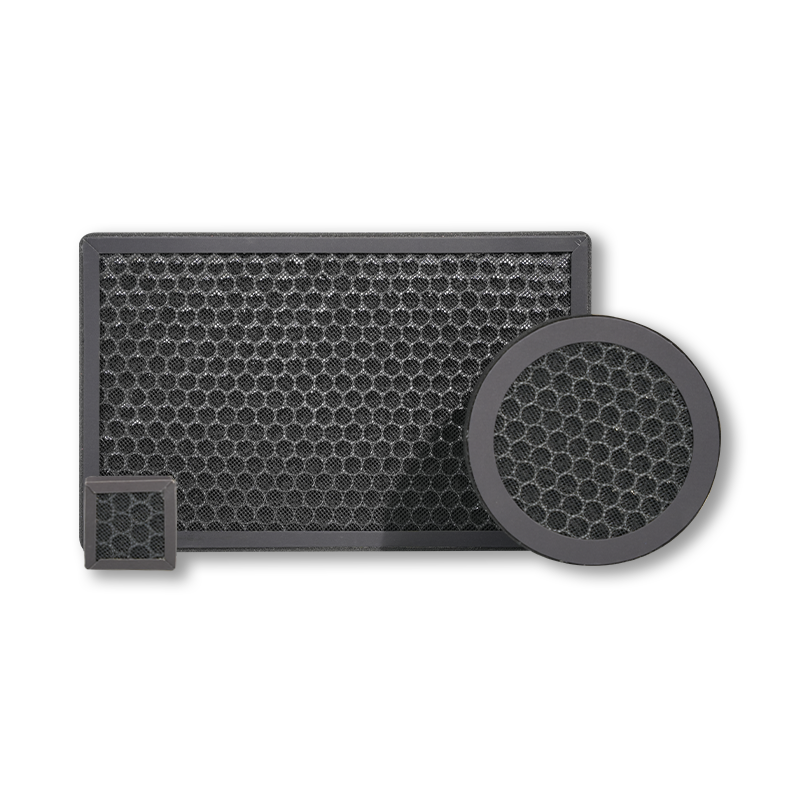
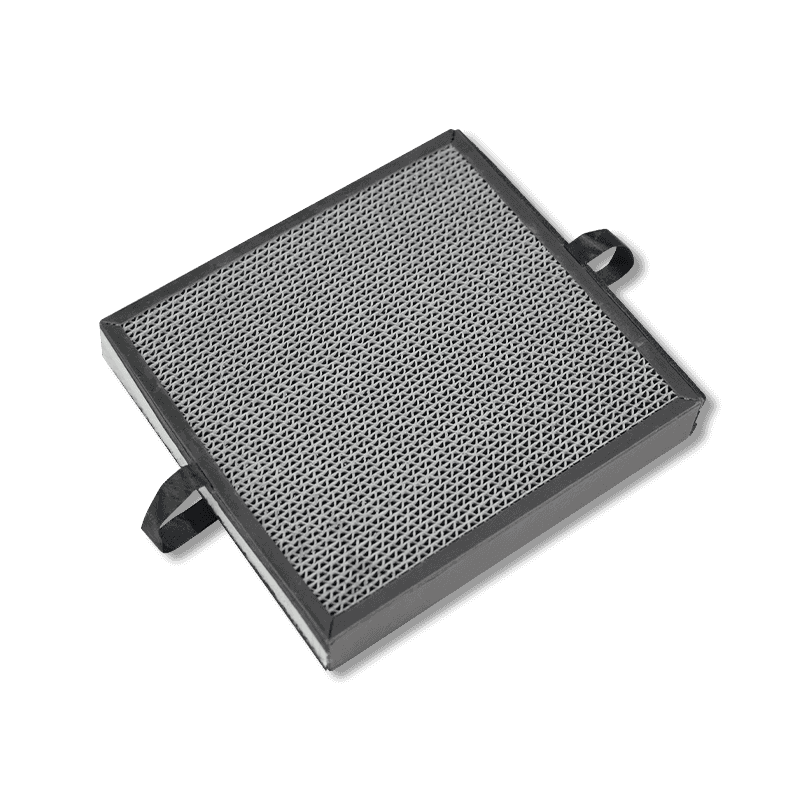
Activated carbon composite filter
Activated carbon composite filter is a major category of activated carbon series air filters. The activated carbon filter material is composited with other different filter materials. The multi-layered structural design not only increases the filter area and improves the purification efficiency, but also improves the stability of the product's performance during use to a certain extent, thereby increasing the product's service life.
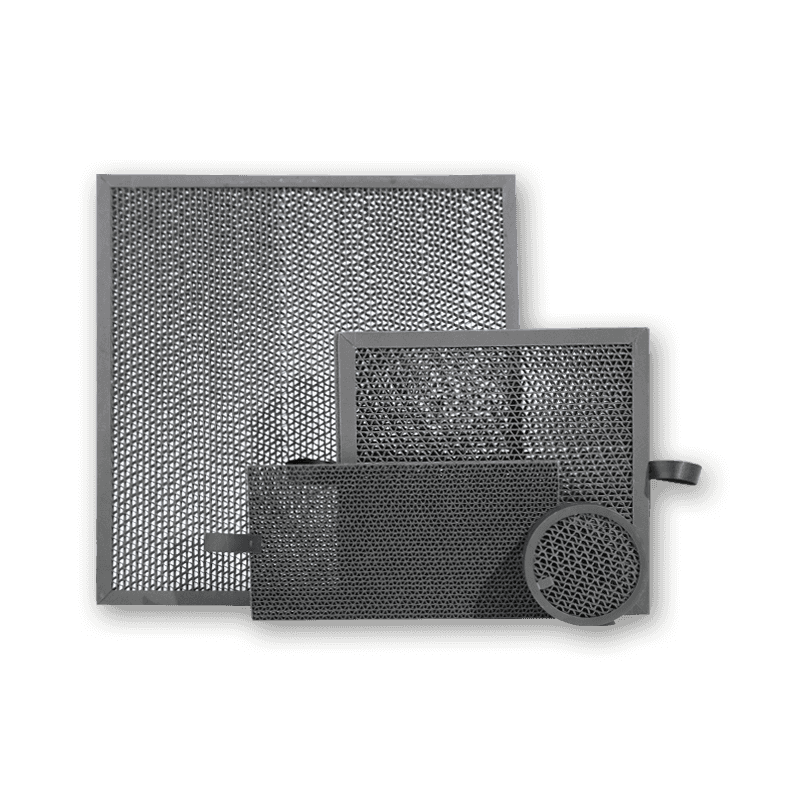
Catalyst Air Filters
The main materials of catalytic air filters are photocatalysts and cold catalysts, which purify the air through different catalytic reactions. Photocatalysts and cold catalysts are usually used in combination with other filter materials (such as HEPA, activated carbon, etc.) to achieve a more comprehensive air purification effect. This type of air filter is mainly used in air conditioners, air purifiers, and other equipment to help people improve indoor air quality.
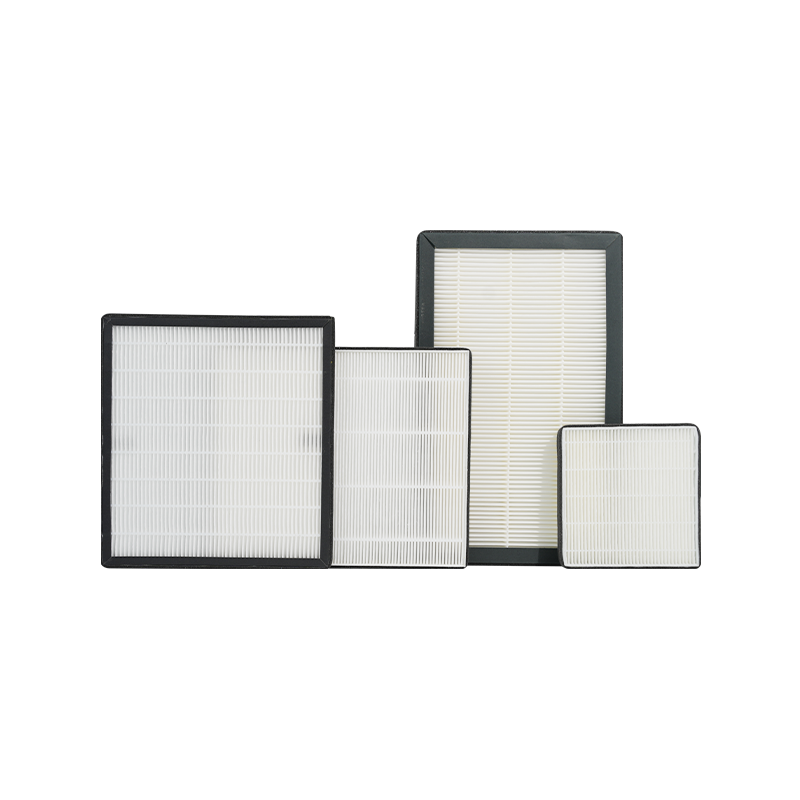
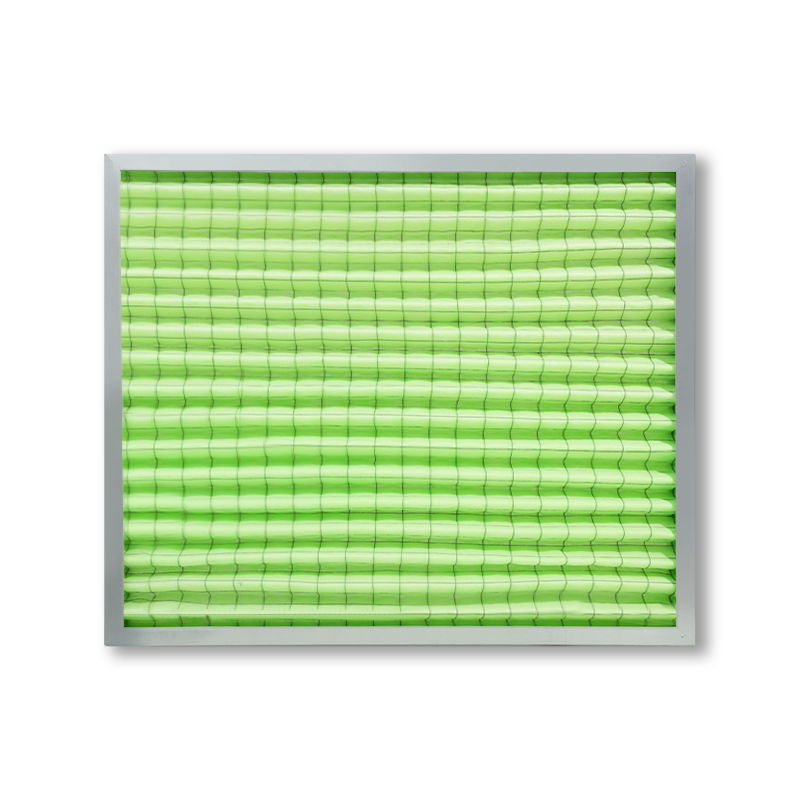
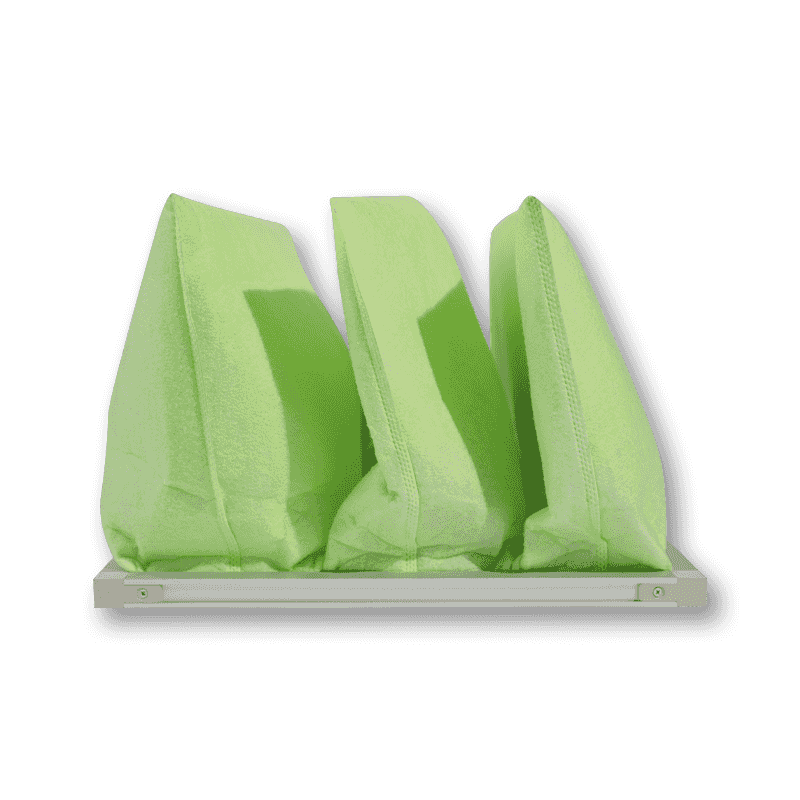
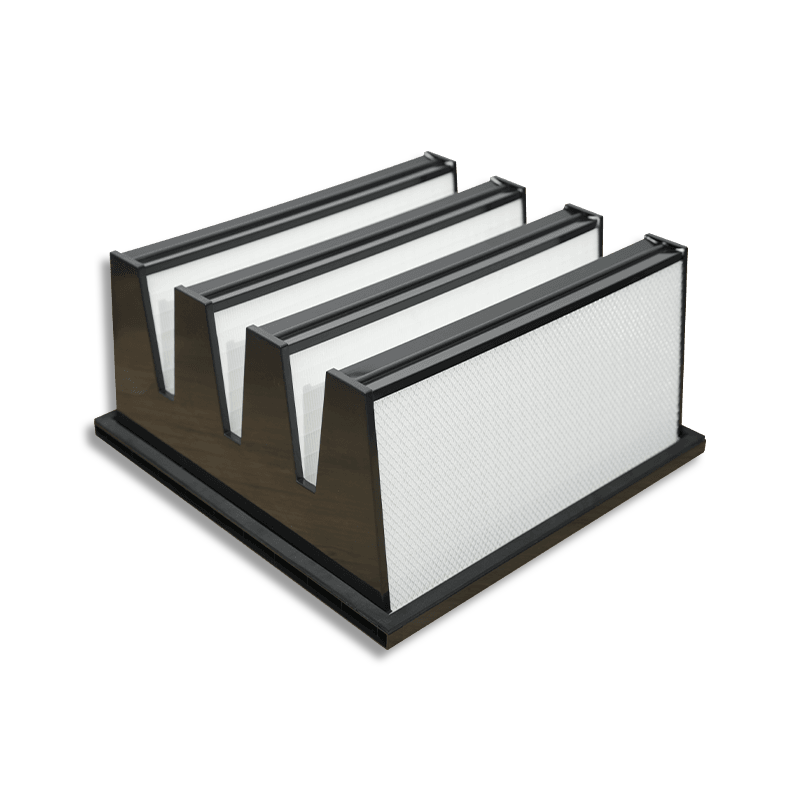
High efficiency plate combination filter
The High-Efficiency Modular Panel Filter is specifically designed for industrial environments characterized by high airflow volumes and stringent cleanliness requirements. This filter series significantly expands the effective filtration area by integrating multiple high-performance pleated filtration units—arranged in either a V-shape or a flat configuration—within a robust metal or plastic frame. Consequently, while maintaining low airflow resistance, these filters are capable of handling significantly higher airflow volumes than traditional filters.
Typically utilizing ultrafine glass fiber or synthetic fiber media, these filters possess exceptional "Information Gain" properties—meaning they maintain stable filtration efficiency even under extremely high dust-loading conditions. Their robust structural design ensures that they remain free from deformation or leakage, even in environments subject to drastic fluctuations in airflow volume. As such, they serve as an ideal pre-filter or intermediate-efficiency protective layer for central HVAC systems, pharmaceutical manufacturing facilities, food processing plants, and as terminal filtration components in semiconductor cleanrooms.
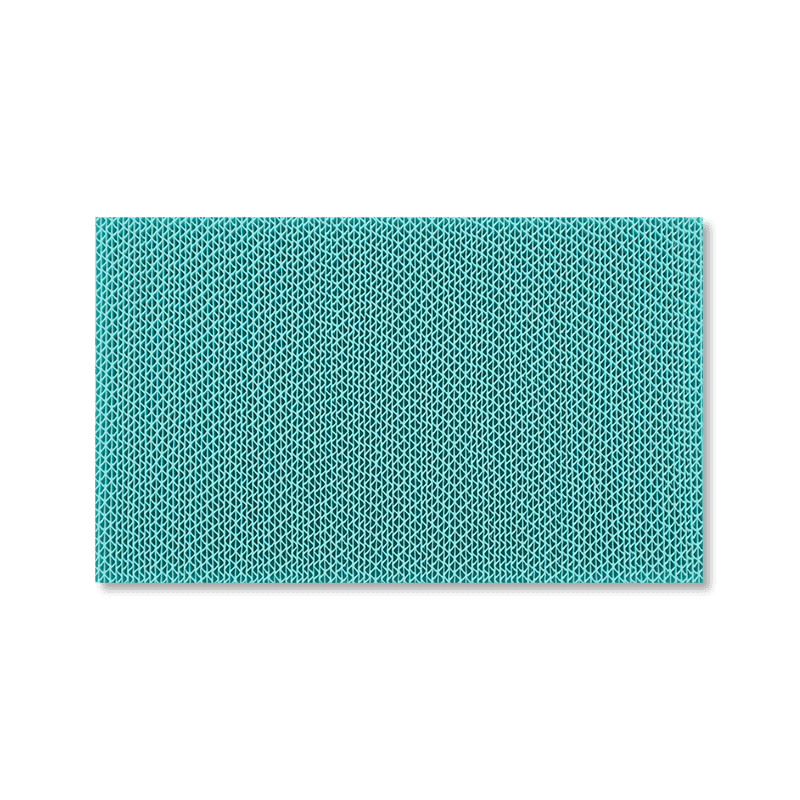
Antibacterial and deodorizing air filter
Antibacterial and Deodorizing Air Filters represent a multifunctional filtration medium that seamlessly integrates biological protection with odor purification. This series of filters not only effectively captures airborne fine dust particles but also actively inhibits the growth and proliferation of bacteria, mold, and viruses—by incorporating surface-loaded nanoparticles such as silver ions, photocatalysts, or natural biological antimicrobial agents—thereby preventing the filter itself from becoming a breeding ground for microorganisms through secondary contamination.
Regarding deodorization capabilities, this category typically employs a combination of modified activated carbon, cold catalysts, or molecular sieve technologies. By leveraging the dual mechanisms of physical adsorption and chemical decomposition, these filters precisely eliminate airborne Volatile Organic Compounds (VOCs), ammonia, formaldehyde, and various odor-causing molecules. This dual-action design establishes them as a core component for enhancing Indoor Air Quality (IAQ), making them particularly well-suited for specific environments with stringent requirements for hygiene standards and odor control.
Why the filter is crucial: the real cost of neglecting hvac air filtration
The consequences of neglecting the filter on air conditioning unit systems are not abstract — they translate directly into higher bills, system breakdowns, and degraded health outcomes. Understanding what happens inside a clogged system makes the case for consistent maintenance compelling.
Evaporator coil fouling
The evaporator coil is the refrigerant-cooled surface over which warm return air passes to be cooled. Its aluminum fins are spaced approximately 12–15 per inch — fine enough that even modest dust accumulation significantly reduces heat transfer efficiency. When filtration hvac maintenance is neglected, dust coats the fin surfaces, reducing the coil's ability to absorb heat. The system compensates by running longer cycles, increasing compressor wear and electricity consumption. Professional coil cleaning costs $100–$400 per service visit — a stark contrast to the $10–$20 cost of a timely filter replacement.
Blower motor and wheel degradation
The blower wheel moves air through the entire system. When the air filter for house ac systems becomes clogged, the pressure differential across the blower increases dramatically. The motor works harder to move the same volume of air, drawing more current and generating more heat. Over time, this accelerates bearing wear and reduces motor life. HVAC technicians routinely report finding blower wheels coated with thick layers of debris in homes where filter maintenance has been neglected for six months or more — debris that passed through a saturated filter.
Duct contamination and indoor air quality decline
When the filter fails — either through saturation or improper installation — unfiltered particles enter the supply duct system and are distributed to every room. Unlike the return ductwork, supply ducts are difficult and expensive to clean. Contaminated ductwork becomes a persistent reservoir of allergens, mold spores, and bacteria that recirculates continuously. Studies by the EPA indicate that indoor air can be 2–5 times more polluted than outdoor air in homes with poorly maintained HVAC systems — a finding directly linked to inadequate air handler unit filter maintenance.
Energy consumption and operating costs
The U.S. Department of Energy estimates that a clogged air filter can increase HVAC energy consumption by 5–15%. On a typical American household HVAC bill of $1,200–$1,800 per year, that represents $60–$270 in avoidable waste — every year the filter is neglected. Replacing a $15 filter every 60 days costs roughly $90 per year. The math strongly favors consistent maintenance.
Key insight: A $15 filter replaced every 60 days costs approximately $90/year. Neglecting that filter can add $60–$270 to your energy bill annually, plus the risk of a $100–$400 coil cleaning bill. The return on investment for proper air filter for house ac maintenance is among the highest of any home maintenance task.
Filtration HVAC performance: matching filter to system and household needs
Effective filtration hvac design is not one-size-fits-all. The right filter depends on your system's airflow capacity, your ductwork design, and the specific particle load your household generates. Here is a practical framework for matching filter to household:
|
Filtration hvac selection guide by household type — media filter systems offer long-term savings despite higher upfront cost. |
||||
|
Household Profile |
Recommended MERV |
Filter Type |
Replace Every |
Annual Filter Cost |
|
No pets, no allergies, light use |
MERV 8 |
Basic pleated |
90 days |
$30–$40 |
|
1–2 pets, no severe allergies |
MERV 11 |
High-efficiency pleated |
60 days |
$70–$100 |
|
Allergy or asthma sufferers |
MERV 13 |
Micro-allergen pleated |
30–60 days |
$90–$200 |
|
3+ pets or heavy shedders |
MERV 11–13 |
High-efficiency pleated |
30–45 days |
$120–$240 |
|
Any profile (whole-home upgrade) |
MERV 13–16 |
4–5 inch media filter |
6–12 months |
$40–$80
|
The airflow restriction trade-off in hvac air filtration
Every step up the MERV scale adds filtration efficiency but also increases resistance to airflow — measured as static pressure. Residential HVAC systems are designed to operate within a specific static pressure range, typically 0.1–0.5 inches of water column (in-WC) for residential systems. A MERV 8 clean filter adds approximately 0.1 in-WC of resistance; a MERV 13 adds approximately 0.25 in-WC. Both are within safe operating parameters for most systems. A MERV 16 filter, however, can add 0.5 in-WC or more — pushing many residential systems into over-pressure territory that damages the blower and reduces coil efficiency.
The practical takeaway: for most homes, MERV 11–13 represents the ideal balance between filtration performance and system airflow. Going higher requires either a system specifically rated for it, or the installation of a high-capacity media cabinet that distributes the higher pressure drop across a much larger filter surface area.
Air handler unit filter: step-by-step replacement for the most common configuration
The air handler unit filter is the most common filter configuration in modern homes. Here is a complete replacement procedure applicable to the majority of residential installations:
- Set the thermostat to "Off" — not just a higher setpoint, but fully off. Never change a filter while the system fan is running.
- Locate the air handler unit. In most homes it is in a utility closet, basement, garage, or attic. The filter slot is on the return-air side — the side where the large duct enters the unit.
- Open the access panel or slide-out filter housing. Take a photograph of the existing filter before removing it to capture its orientation.
- Slide the old filter out carefully and place it directly into a sealed plastic bag to contain accumulated dust and allergens.
- Wipe the interior of the filter slot with a damp cloth to remove any debris before inserting the new filter.
- Insert the new filter with the printed airflow arrow pointing toward the blower motor — away from the return duct. This is the detail most commonly overlooked.
- Confirm the filter seats snugly on all four edges with no gaps. Any gap allows unfiltered air to bypass the media entirely.
- Write the installation date on the filter frame with a marker and set a replacement reminder on your phone or calendar.
- Restore power and verify normal airflow from supply vents within a few minutes of restarting the system.
Critical installation note: Installing the air handler unit filter backwards is the single most common DIY maintenance error. A reversed filter loses up to 50% of its rated efficiency because the structural backing — not the capture media — faces the incoming air. Always follow the arrow printed on the filter frame.
Recognizing when the filter on air conditioning unit needs immediate attention
Calendar-based reminders are essential, but real-world conditions — shedding seasons, construction nearby, wildfire smoke events — can load a filter in half the expected time. These are the practical signals that demand an immediate filter check regardless of schedule:
- Reduced airflow from supply registers:If rooms that normally reach temperature quickly are taking noticeably longer, or if supply vents feel weak, a clogged filter is a likely cause before a refrigerant or compressor issue is considered.
- The flashlight test:Remove the filter and hold it up to a light source. If light does not pass through the media, the filter is fully loaded and must be replaced immediately.
- Rising energy bills without a usage change:A 10–15% spike in electricity costs during cooling season, without a corresponding increase in outdoor temperatures or usage patterns, often points to a clogged filter.
- Unusual odors from vents:A musty or dusty smell when the system first starts suggests debris has accumulated past the filter onto the coil or in the ductwork.
- Increased allergy or asthma symptoms indoors:When household members experience worsened symptoms despite normal outdoor pollen or pollution levels, a saturated or bypassed filter is a primary suspect.
- Visible dust accumulation near supply registers:Dust rings or visible debris around supply vent grilles indicates that the filtration hvac system is no longer capturing fine particles effectively.
Advanced hvac air filtration upgrades worth considering
For households that want to go beyond standard filter replacement, several hvac air filtration upgrades offer meaningful improvements in air quality and equipment protection:
Whole-home media filter cabinets
As described earlier, a dedicated filter cabinet installed in the return ductwork accommodates 4–5 inch deep media filters with MERV ratings up to 16. The combination of large surface area and high MERV delivers near-HEPA filtration performance without the airflow restriction that a thin HEPA-rated filter would impose. For households with severe allergies or multiple pets, this is the single most impactful upgrade available within the HVAC system itself. Professional installation costs $200–$500; annual filter costs are typically lower than standard 1-inch filter programs due to the extended replacement interval.
In-duct UV-C germicidal systems
UV-C light systems installed inside the air handler — typically aimed at the evaporator coil surface — kill bacteria, mold, and viruses on contact. They do not replace mechanical filtration but complement it by sterilizing microorganisms that the filter captures or that land on the coil surface. Studies have shown that properly installed UV-C systems can reduce biological contamination on evaporator coils by over 90%, significantly improving both air quality and coil longevity. Installation cost: $150–$400.
Electronic air cleaners
Electronic air cleaners (EACs) use high-voltage plates to electrostatically charge particles and collect them on oppositely charged collector plates. When properly maintained, they can achieve MERV-equivalent ratings of 11–16 with minimal airflow restriction. However, they require monthly plate cleaning (rinsing with water), and performance degrades quickly if maintenance is skipped. They also produce trace amounts of ozone as a byproduct — a consideration for households with ozone-sensitive members.
Portable HEPA air purifiers as a complement
Portable room HEPA purifiers do not connect to the HVAC system but provide room-level filtration independent of the central system's duty cycle. Placing a HEPA purifier in a bedroom or living room captures particles that settle before the central system can cycle them through the air handler unit filter. This is particularly effective for households where a family member sleeps near a pet or suffers from severe nighttime allergy symptoms.
Comparing the leading filter brands for air filters for air conditioning systems
The residential filter market is dominated by a handful of major brands, each with distinct rating systems and product lines. Here is a direct comparison of the top options for air filters for air conditioning systems in 2024–2025:
|
Leading residential filter brands for air filters for air conditioning systems compared by MERV rating, type, and application. |
||||
|
Brand / Model |
MERV Equivalent |
Filter Type |
Price Range |
Best For |
|
Filtrete 1500 (3M) |
MERV 12 |
Electret pleated |
$15–$22 |
Pets, pollen, dust |
|
Nordic Pure MERV 12 |
MERV 12 |
Standard pleated |
$10–$16 |
Budget-conscious, multi-pack |
|
Filtrete 2800 (3M) |
MERV 13 |
Electret pleated |
$22–$35 |
Smoke, bacteria, fine allergens |
|
Aprilaire 213 |
MERV 13 |
4-inch media |
$30–$45 |
Whole-home, low maintenance |
|
Honeywell FC100A1037 |
MERV 11 |
5-inch media |
$28–$40 |
Long interval, large homes |
|
Lennox X6672 |
MERV 16 |
5-inch media |
$40–$65 |
Severe allergies, dedicated cabinet |
Building a year-round maintenance routine for your AC filter
The most effective filter program is one you actually follow. A calendar-based routine removes the guesswork and ensures that filtration hvac performance never degrades unnoticed. Below is a practical annual schedule applicable to most households using 1-inch MERV 11 pleated filters:
|
Annual maintenance calendar for residential HVAC filter care — adjust intervals based on pet count and allergy sensitivity. |
||
|
Period |
Action |
Notes |
|
January |
Replace filter |
Post-holiday dust and indoor activity peaks |
|
March |
Replace filter + inspect coil |
Before spring pollen season; check coil for debris |
|
April–May |
Visual check monthly |
Peak pollen loads filters faster than usual |
|
June |
Replace filter + AC tune-up |
Critical pre-summer maintenance; have refrigerant checked |
|
July–August |
Check every 30 days |
Peak cooling season; highest filter loading rate |
|
September |
Replace filter |
Fall pet shedding season begins |
|
November |
Replace filter + heating check |
Transition to heating season; clean filter improves heat distribution
|
One practical habit that dramatically improves compliance: buy filters in multi-packs and store them near the air handler. The single biggest barrier to timely filter replacement is the inconvenience of purchasing one. With a supply on hand, the task takes less than five minutes and the friction of a hardware store trip is eliminated entirely.
Final summary: what every homeowner needs to know
Central air conditioning filtration is one of the most impactful and most neglected aspects of home maintenance. To summarize the key takeaways from this complete guide:
- The filter on air conditioning unit systems serves dual purposes: protecting equipment from debris and improving indoor air quality. Both matter enormously.
- MERV 11–13 pleated filtersare the recommended choice for the vast majority of residential homes — high enough to capture meaningful allergens, low enough to preserve system airflow.
- The air handler unit filter must be installed with the printed arrow pointing toward the blower motor — backward installation cuts efficiency by up to 50%.
- Replace 1-inch filters every 30–90 daysdepending on household conditions; media filters every 6–12 months.
- Neglecting hvac air filtration maintenance can increase energy consumption by 5–15% and lead to coil cleaning bills of $100–$400.
- For households with severe allergies, multiple pets, or high air quality concerns, upgrading to a whole-home 4–5 inch media filter cabinet delivers superior filtration hvac performance at a lower annual filter cost than 1-inch replacements.
- Supplementing central air filters with portable HEPA units in bedrooms and high-use rooms provides room-level protection independent of the HVAC duty cycle.
The central air conditioning filter is a small, inexpensive component with an outsized impact on the comfort, health, and operating cost of your home. Treating its maintenance as a priority — rather than an afterthought — is one of the highest-return habits any homeowner can develop.