 English
 Español
 日本語
日本語
1. Increased Filtration Efficiency
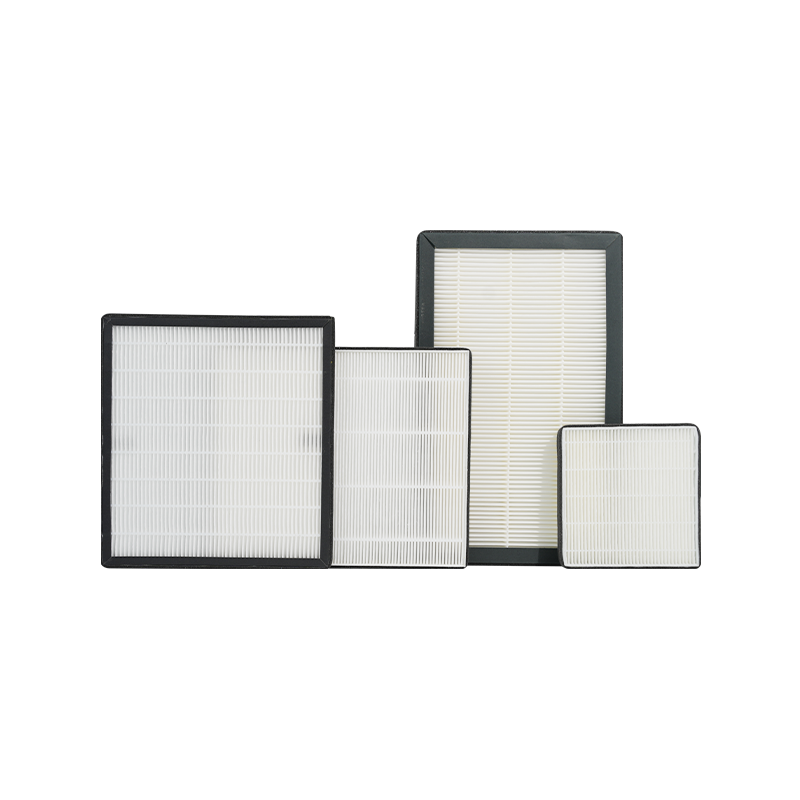
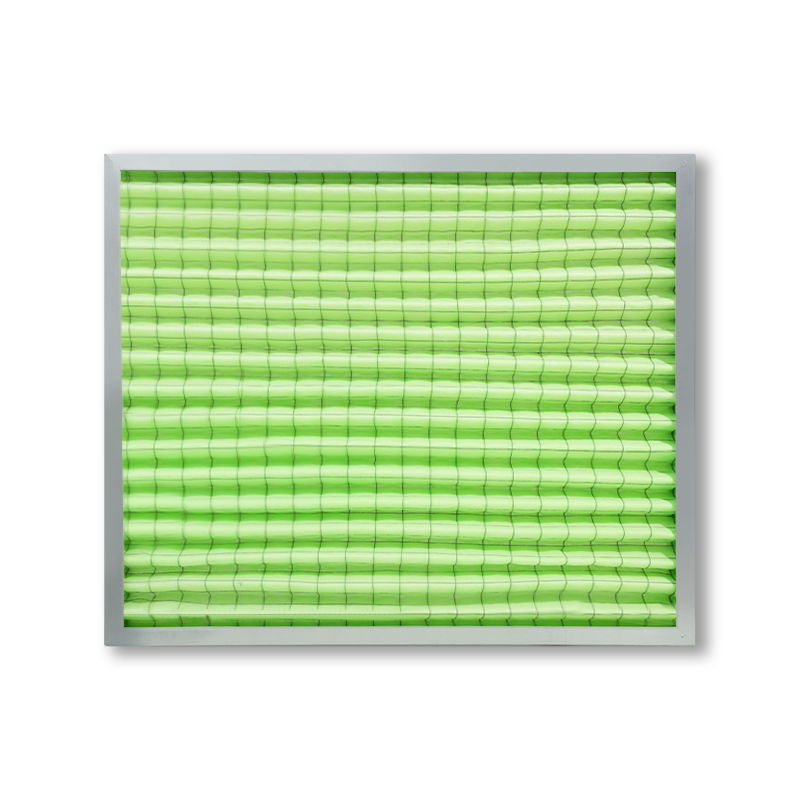
One of the most prominent advantages of using a plate-type primary air filter is its superior filtration efficiency. The primary function of any air filter is to capture airborne particles such as dust, pollen, mold spores, and even bacteria, which can negatively impact indoor air quality. The plate-type design is optimized with pleated filter media, meaning the filter material is folded in a zig-zag or accordion style to maximize the surface area available for filtration. This folding design allows the filter to trap more contaminants than flat filters of the same size. As a result, the filter can capture a higher volume of dust and particulate matter, significantly improving the air quality in HVAC-serviced areas. This increased surface area reduces the chances of the filter becoming clogged quickly, maintaining the system’s efficiency for a longer period before needing replacement. In spaces such as hospitals, laboratories, or offices, where clean air is crucial, plate-type filters ensure that particles are effectively trapped, resulting in a healthier and more comfortable environment.
2. Longer Service Life
A key benefit of the plate-type primary filter is its extended service life, which is much longer than that of standard air filters. The pleated design of the filter increases its filtration area, which means it can capture more particles without becoming clogged. Traditional air filters, which use a flat design, tend to clog up more quickly because their smaller surface area can only handle a limited amount of dust and debris before they need to be replaced. However, because of the plate-type filter’s larger surface area, it can hold a greater volume of contaminants and still maintain its filtration efficiency for a longer period. This feature reduces the frequency with which the filter needs to be replaced, thus lowering long-term operational costs for HVAC system owners. Not only does this reduce the costs associated with filter purchases, but it also reduces downtime in HVAC systems, which can be costly in commercial and industrial settings. The longer service life of plate-type filters means that HVAC systems require less frequent maintenance, which is highly beneficial for both homeowners and businesses looking to optimize their budgets and operational efficiency.
3. Low Resistance to Airflow
The low resistance to airflow characteristic of plate-type primary filters is a significant advantage in maintaining the efficiency of an HVAC system. Airflow resistance is a critical factor that affects the performance of HVAC systems. When a filter creates high resistance, it forces the HVAC system’s fans and motors to work harder to push air through the system, which leads to higher energy consumption and reduced system efficiency. The plate-type primary filter is specifically engineered to provide minimal resistance while maintaining a high level of filtration efficiency. This low resistance ensures that air can flow freely through the system without straining the components, leading to more energy-efficient operation. In commercial and industrial HVAC systems, where air handling requirements are higher, the ability to reduce energy consumption is especially important. By reducing the need for increased fan power, plate-type filters help to lower operational costs and reduce the environmental footprint of the HVAC system. Consistent airflow also ensures that the HVAC system can maintain a stable internal environment in terms of temperature and humidity, which is crucial for comfort and air quality.
4. Easy to Replace and Maintain
One of the standout features of the plate-type primary filter is its ease of maintenance and replacement. Unlike more complicated air filtration systems that may require professional installation or frequent servicing, plate-type filters are simple to handle. The flat, rigid design makes them easy to remove and install, so users can quickly replace old filters without needing specialized tools or expert help. This ease of replacement is particularly valuable in commercial and industrial settings, where HVAC systems are often large and complex. Quick and simple filter replacements help minimize system downtime and ensure that the air quality remains consistent.These filters are typically low-maintenance, requiring only periodic checks to assess their condition. In cases where the filter is clogged or dirty, a quick visual inspection and replacement will suffice. The user-friendly nature of plate-type filters means that building managers and homeowners alike can easily maintain the system and extend the life of their HVAC systems with minimal effort.
5. Cost-Effective Solution
The plate-type primary air filter is a cost-effective solution for air filtration in HVAC systems due to its extended service life and low maintenance requirements. While the initial investment in a plate-type filter may be slightly higher than standard filters, the long-term savings quickly offset the higher upfront cost. The filter’s longer lifespan means fewer replacements, which translates to reduced purchasing costs over time. The filter’s low resistance to airflow leads to energy savings because the HVAC system does not have to work harder to maintain air circulation. This reduction in energy consumption lowers the overall operating costs of the system, making plate-type filters an economical choice in both residential and commercial settings. The reduced frequency of maintenance and replacement combined with the energy efficiency makes the plate-type primary air filter a wise investment that delivers long-term value. For businesses, schools, healthcare facilities, and homeowners, the cost savings associated with plate-type filters can have a significant positive impact on the bottom line.
6. Versatility in Applications
Plate-type primary filters are known for their versatility, making them suitable for a variety of applications. These filters are commonly used in central air conditioning systems, industrial HVAC units, and commercial ventilation systems, but they are also ideal for more specialized environments. For example, medical facilities and laboratories, where air purity is critical, can benefit from the high-efficiency filtration that plate-type filters provide. These filters ensure that contaminants such as bacteria, viruses, and particulate matter are effectively removed, helping to maintain strict air quality standards in sensitive environments. In industrial workshops or manufacturing plants, plate-type filters protect sensitive equipment from dirt and debris while also improving the health and safety of workers. The ability to maintain high air quality without significant resistance makes the plate-type filter a perfect fit for large-scale commercial and industrial systems, where both efficiency and versatility are required. Their adaptability across a wide range of sectors has made them an indispensable part of modern HVAC technology.
7. Protection of HVAC Equipment
Using a plate-type primary air filter in an HVAC system is essential for the protection of equipment. HVAC systems are composed of a variety of delicate and expensive components such as fans, coils, motors, and ductwork. If dust, dirt, and other particulate matter are allowed to enter the system without being filtered out, they can accumulate on these components, leading to wear and tear or clogs. This buildup not only reduces the performance of the system but can also lead to costly repairs or premature replacements. Plate-type filters help by capturing particles before they can enter the system, thus ensuring that critical components remain clean and functioning properly. By preventing contaminants from accumulating inside the system, plate-type filters help to extend the lifespan of HVAC equipment, reduce the frequency of maintenance, and improve the overall reliability of the system.
8. Improved Indoor Air Quality
The ultimate goal of any air filtration system is to improve indoor air quality (IAQ), and plate-type primary filters excel at this. By capturing fine dust particles, allergens, smoke, and other pollutants, plate-type filters contribute to healthier indoor environments. In homes and offices, these filters ensure that air remains free from harmful particles that can cause respiratory issues, allergies, and other health problems. In medical environments, maintaining clean air is even more critical to protect both patients and staff. Plate-type filters also play a role in reducing odors and airborne bacteria, further contributing to a cleaner, more comfortable indoor atmosphere. By improving the air quality in both residential and commercial spaces, these filters help create environments where occupants can breathe easier, work more productively, and experience better overall well-being.