 English
 Español
 日本語
日本語
Activated carbon plays a critical role in various filtration processes due to its ability to adsorb a wide range of impurities, including gases, liquids, and particles.
As noted by the World Health Organization (WHO), "Activated carbon is a versatile and highly effective material, particularly for removing organic compounds and other contaminants from air, water, and liquids." Its application spans from purifying drinking water to safeguarding sensitive industrial environments.
What are the properties and functions of activated carbon?
Activated carbon is derived from different natural materials, each contributing unique properties. Common sources include wood, coal, and coconut shell. According to The Journal of Hazardous Materials, "The source material of activated carbon significantly influences its porosity, surface area, and adsorption capacity, with coconut shell-derived carbons being particularly known for their high surface area and structural integrity." Coconut shell is often considered the premium source for activated carbon due to these attributes.
Activated carbon is a highly porous material with an extensive surface area, making it effective for adsorption. It is typically produced by heating carbon-rich materials in the presence of a gas, which removes non-carbon elements and creates a vast network of pores. The American Society of Civil Engineers (ASCE) highlights that "the activation process leads to the development of millions of tiny pores that allow activated carbon to have an extremely large surface area—often upwards of 1000 m² per gram—which enhances its ability to adsorb contaminants."
Activated carbon is commonly used in air purification (removing odors and volatile organic compounds), water treatment (removing chlorine, heavy metals, and other chemicals), and even in industrial processes for chemical and gas filtration. The Environmental Protection Agency (EPA) reports, "Activated carbon remains a cornerstone in environmental protection due to its wide application in removing harmful chemicals and toxins across various media, ranging from municipal drinking water systems to industrial gas filtration."
Types of Activated Carbon and Their Characteristics
Wood-Based Activated Carbon
- Source and Manufacturing Process: Derived from hardwoods like oak, birch, and beech, wood-based activated carbon is produced by heating the wood in a low-oxygen environment.
- Physical and Chemical Properties: This type of activated carbon generally has a lower surface area and fewer micropores compared to other types. However, it often has better mesopore and macropore distribution, which can be advantageous for filtering larger molecules.
- Common Applications: Typically used in air and water filtration systems for domestic or commercial use, as well as in the food industry for purifying liquids.
Coal-Based Activated Carbon
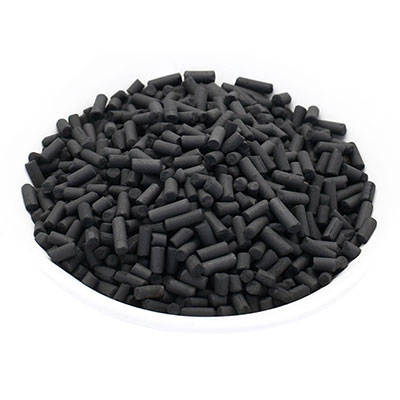
- Source and Classification: Derived from bituminous or anthracite coal, this type of activated carbon is made by heating the coal under controlled conditions. There are variations depending on the grade of coal used (e.g., anthracite, lignite).
- Performance Characteristics: Coal-based activated carbon has a high surface area and is particularly efficient at removing inorganic chemicals, gases, and chlorine from water.
Application Examples: Often used in industrial applications such as wastewater treatment, air filtration in heavy industries, and gas purification.
Coconut Shell-Based Activated Carbon
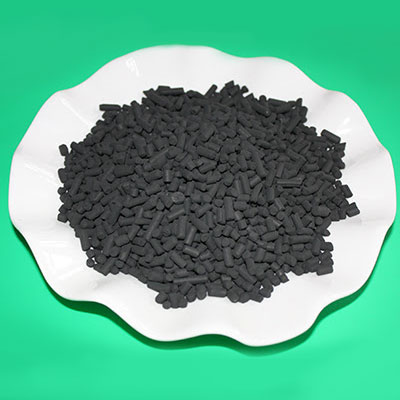
- Unique Characteristics: Coconut shell-based activated carbon is made from the shells of coconuts. It is recognized for its high hardness and good adsorption properties due to its dense pore structure.
- High Adsorption Capacity: This type of activated carbon has a high surface area and a large number of micropores, making it particularly effective in adsorbing small molecules like volatile organic compounds (VOCs) and gases.
- Environmental and Sustainability Benefits: Coconut shell-based carbon is considered environmentally friendly because coconut shells are a byproduct of the coconut industry, thus contributing to a more sustainable production process.
- Key Applications: Widely used in high-end air and water filtration systems, as well as in industrial applications requiring high-purity filtration.
The Impact of Activated Carbon Type on Filtration Performance
Adsorption Capacity and Efficiency
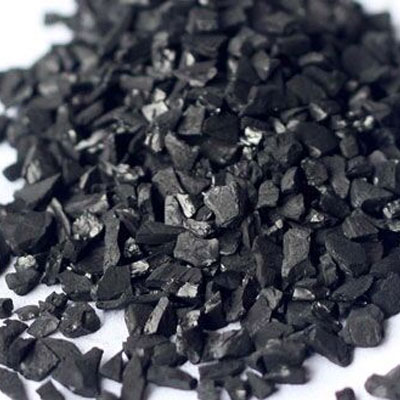
- Comparing Adsorption Capacity: The adsorption capacity of activated carbon varies depending on the source material. Coconut shell-based activated carbon generally offers the Higher adsorption capacity due to its microporous structure, which is ideal for trapping smaller molecules.
Differences in Adsorption Efficiency
- Wood-Based Carbon: Tends to have a more balanced pore structure with a mix of micro, meso, and macropores. While not as efficient in adsorbing small molecules as coconut-based carbon, it is still highly effective for larger contaminants like certain chemicals, odors, and organic compounds.
- Coal-Based Carbon: Typically excels in adsorbing larger molecules and is often used in applications where chemical and gas purification is crucial. Its pore structure allows for high efficiency in removing chlorine, VOCs, and other industrial contaminants.
- Coconut Shell-Based Carbon: Its high surface area and abundant micropores make it extremely efficient at adsorbing small molecules, such as gases, VOCs, and impurities in water systems. However, it may not be as effective for larger, heavier molecules compared to wood or coal-based carbon.
Performance in Different Filtration Applications
Air Purification: Coconut shell-based carbon is often preferred in air filtration systems due to its ability to remove VOCs, odors, and gases effectively. However, for heavy-duty industrial applications, coal-based carbon may be chosen for its ability to filter out larger particles and chemicals.
Water Treatment: In water filtration, coconut shell-based activated carbon is highly effective at removing chlorine, pesticides, and other contaminants. Wood-based carbon is typically used for more general applications, while coal-based carbon is favored for specialized industrial processes.
Industrial and Environmental Applications: Coal-based activated carbon is often used in large-scale applications, such as in the treatment of industrial wastewater and air purification systems, due to its durability and performance under harsh conditions.
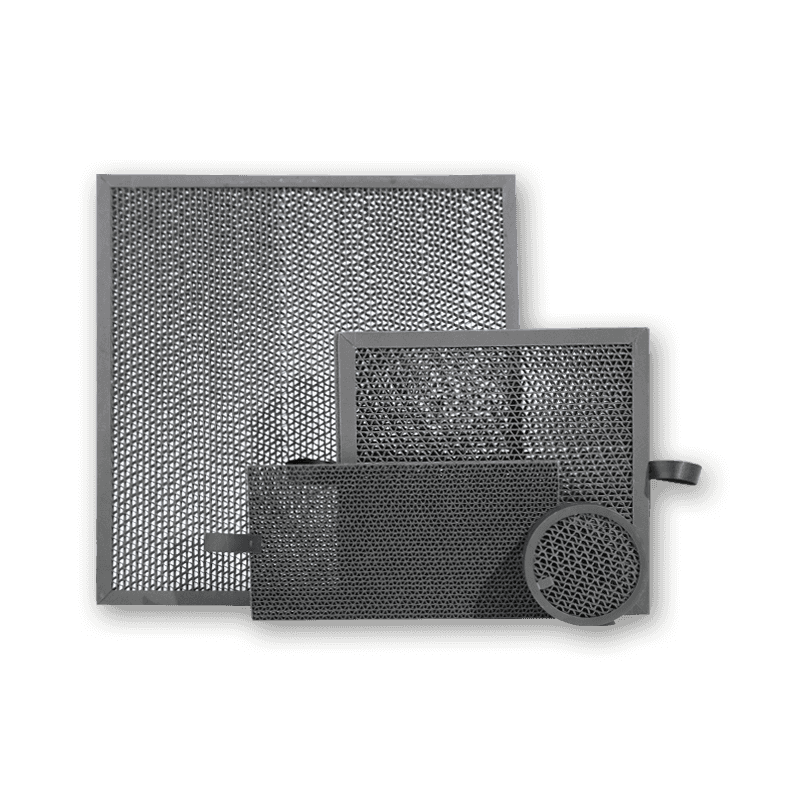
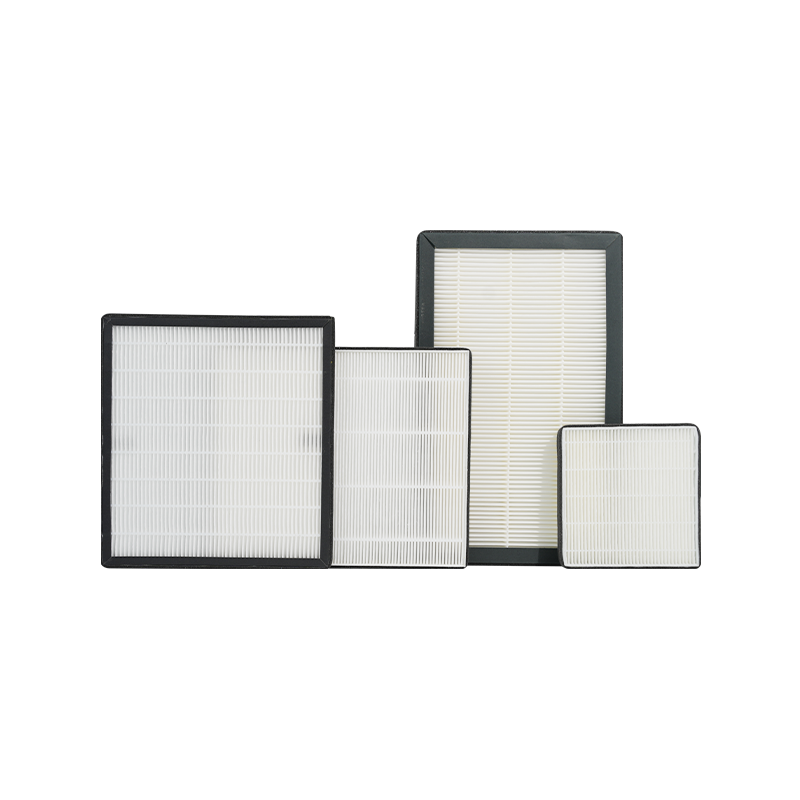
Activated carbon is suitable for various air filter elements. Our company's activated carbon series filters can customize different types of activated carbon according to the user's use environment and purification needs.
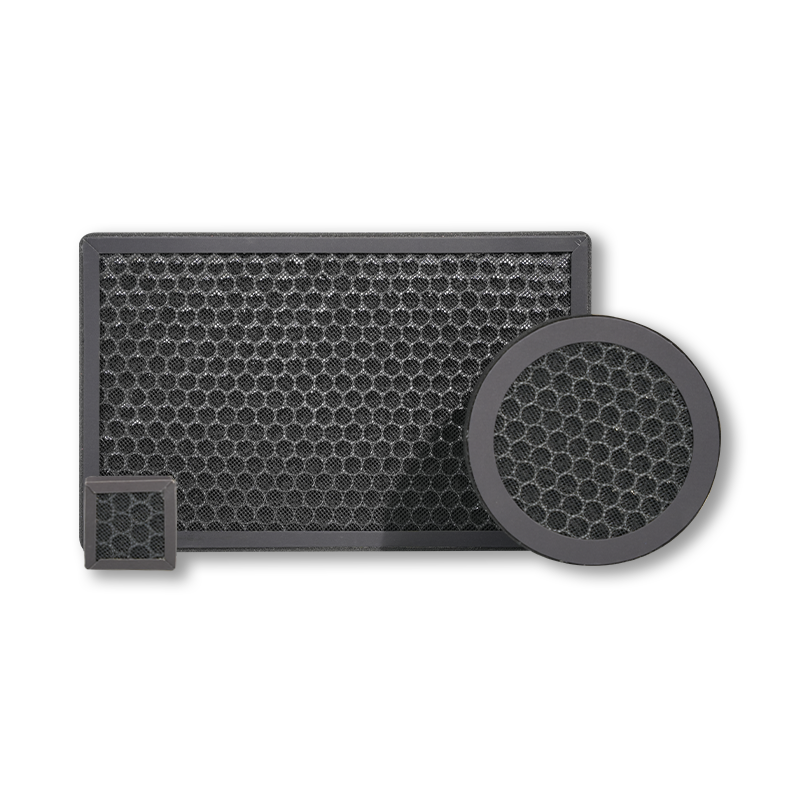
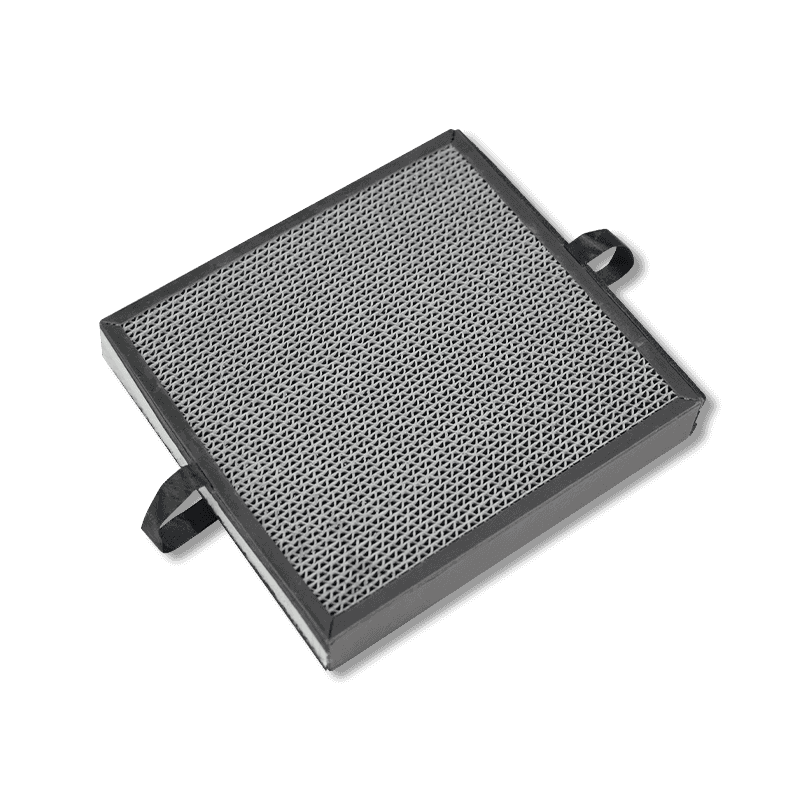
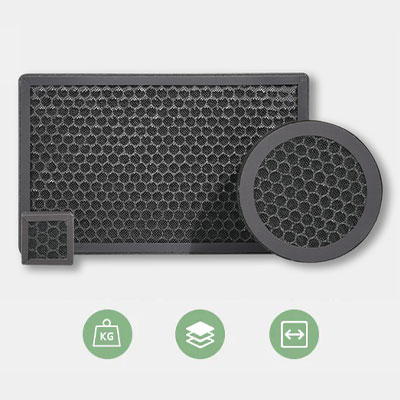
Honeycomb Pore Granular Activated Carbon Filter
This is our company's hot-selling product. It mainly adopts the unique honeycomb structure design of honeycomb to increase the contact area of the filter material and more effectively absorb odor.
At the same time, customers can choose to use different types of high-iodine columnar carbon, which can effectively remove harmful gases such as formaldehyde, benzene, TVOC, etc.
Activated carbon particles can also be deeply processed according to the customer's specific purification needs. There are more targeted purification solutions for different use environments and purification needs.
This product is widely used in air conditioners, fresh air systems, car air conditioners, air purifiers, oil fume purification and other equipment.
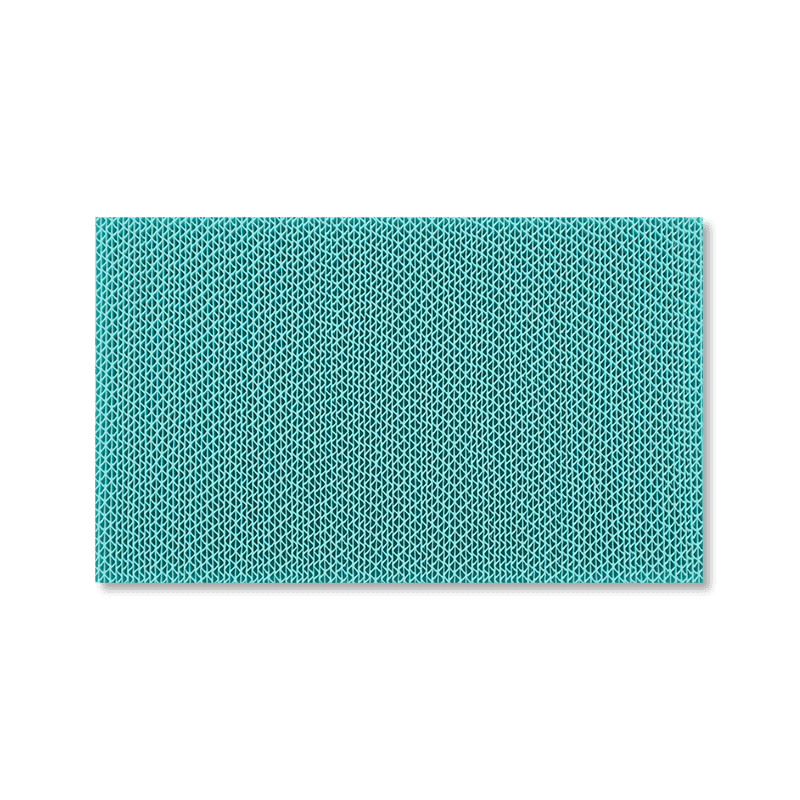
Activated carbon filter cloth
Activated carbon non-woven fabrics mainly use high-quality activated carbon and fiber non-woven fabrics, which have Good adsorption performance and flexibility. It can effectively remove harmful gases such as formaldehyde, benzene, TVOC, etc.
At the same time, customers can choose to use different types of high-iodine carbon, which has more targeted purification solutions for different use environments and purification needs. For example, coconut shell charcoal is commonly used in masks.
It is thin, durable, easy to cut and process, and is widely used in air purifiers, air conditioning purification filters, masks, gas masks, car interiors, protective bags for luggage and other products.

If you are interested in activated carbon products, or have any specific air purification needs, please feel free to contact us, we will provide you with professional services and solutions.